Products


Vibration Resistant Alloy Steel All-Metal Lock Nuts Fasteners
Locking nuts are critical fasteners that prevent threaded connections from loosening under vibration and dynamic loads, especially in areas where high reliability is required. Its core principle is to generate continuous force between thread pairs through mechanical locking, chemical adhesion or structural deformation, effectively maintaining the pre-tightening force and preventing loosening.
Send Inquiry
Product Description
Product introduction
Locking nuts are critical fasteners that prevent threaded connections from loosening under vibration and dynamic loads, especially in areas where high reliability is required. Its core principle is to generate continuous force between thread pairs through mechanical locking, chemical adhesion or structural deformation, effectively maintaining the pre-tightening force and preventing loosening.
Design and features
The all-metal locking type uses the elastic deformation of the metal itself (such as asymmetric threads, slotted closing) to generate continuous locking force. Typical features and application scenarios: high temperature resistance, reusable, suitable for all-metal non-standard fasteners and high-strength occasions.
Nylon insert type relies on the top of the nut or the nylon ring inside to generate elastic pressure to increase the friction resistance between threads. Typical features and application scenarios: good anti-loosening effect and sealing, but limited high temperature resistance. Commonly found in standard and special-shaped fasteners.
Mechanical locking type, through independent physical locking, such as using locking plates, cotter pins or auxiliary screws, typical features and application scenarios: extremely high reliability, needs to be used with keyways, etc., commonly used in bearing positioning.
Special structural type, using innovative overall structural design to achieve anti-loosening, such as the wedge-shaped bevel of the Spirer nut, double nut combination, etc. Typical features and application scenarios: no additional parts are required, and are used in some heavy-duty or special non-standard fastener designs.
Materials, processes and application fields
Commonly used materials and their characteristics
Alloy steel: such as 42CrMo, which can reach high strength grades such as 10.9 and 12.9 after heat treatment. It is the first choice to withstand heavy loads and high stress and is widely used in heavy machinery.
Stainless steel: represented by AISI 304 and 316, providing excellent corrosion resistance. These stainless steel fasteners are ideal for food, chemical, marine and outdoor equipment.
Non-ferrous metals: such as brass, which are conductive and corrosion-resistant; aluminum alloys are used for lightweight applications.
High-temperature alloys: such as GH2132, which can work at high temperatures ≤650°C and are used in extreme environments such as aerospace engines.
Special plastics: such as PA66 (nylon), mainly used to make inserts to provide elasticity and insulation.
Surface treatment process, surface treatment can further improve performance. Common ones include galvanizing, nickel plating, Dacromet, phosphating, etc. The main purpose is to prevent rust, wear resistance and adjust the friction coefficient. The selection needs to be determined based on the corrosiveness of the use environment.
Main application areas
High-end equipment and transportation: scenarios with high safety requirements such as aerospace, rail transit, automobile chassis and engines.
Industry and infrastructure: robots, automated production lines, heavy machinery, as well as bridges and building steel structures.
Special scenarios: food and medical equipment (stainless steel fasteners are commonly used), communication cabinets (quick-installation types are commonly used), precision instruments and meters (cold heading non-standard parts are commonly used to ensure consistency).
Quality Control and Key Certifications
Mechanical properties: including torque coefficient, locking performance (residual preload force after repeated disassembly), guaranteed load, and hardness test.
Environmental adaptability: salt spray test (to assess corrosion resistance), high temperature locking torque test.
Durability and reliability: transverse vibration test (simulating vibration environment), fatigue life test.
Process and materials: thread accuracy, coating thickness, material composition spectral analysis, hydrogen embrittlement test (for high-strength steel).
Customized services
When standard products cannot meet the needs, customized services are the key. Professional fastener manufacturers can usually provide:
Customized specifications: non-standard threads, special sizes, special-shaped structures.
Material and process customization: specify special alloys and special surface treatments.
Lightweight customization: modify the design, add or remove accessories (such as integrated washers).
Collaborative design: Intervene from the drawing stage to provide manufacturing feasibility optimization suggestions for your special-shaped fasteners or cold heading non-standard parts.
FAQ
Q: How to ensure that the locking nut is installed in place?
A: For key parts, it is recommended to use a torque wrench to tighten according to the specification value. After installation, check whether the anti-loosening device (such as a locking plate) is in place. Important equipment can be run for testing to monitor whether there are any abnormalities in initial bearing temperature and vibration.
Q: How to choose a locking nut in an environment with strong vibration?
A: Prefer the mechanical locking type (with locking plate, cotter pin) or the high-performance all-metal locking type verified by the lateral vibration test. Avoid ordinary nuts that rely solely on friction to prevent loosening.
Q: What is the design and development process for custom lock nuts?
A: A complete customization process usually includes the following stages:
Requirements Clarification: Clarify your application conditions (load, vibration, temperature, media), performance goals, installation methods and budget.
Plan design and review: Engineers will carry out material selection, structural design (which may involve process evaluation of cold heading non-standard parts), anti-loosening mechanism design according to needs, and output 2D/3D drawings for your confirmation.
Sample trial production and testing: Use rapid prototypes or small batch trial production for dimensional verification, assembly testing and key performance testing (such as locking force, vibration testing).
Design optimization and finalization: Based on sample test feedback, design details are optimized and finalized.
Mass production and delivery: Start the formal mold and production process, conduct full inspection, and deliver as agreed.
Send Inquiry
Related Products
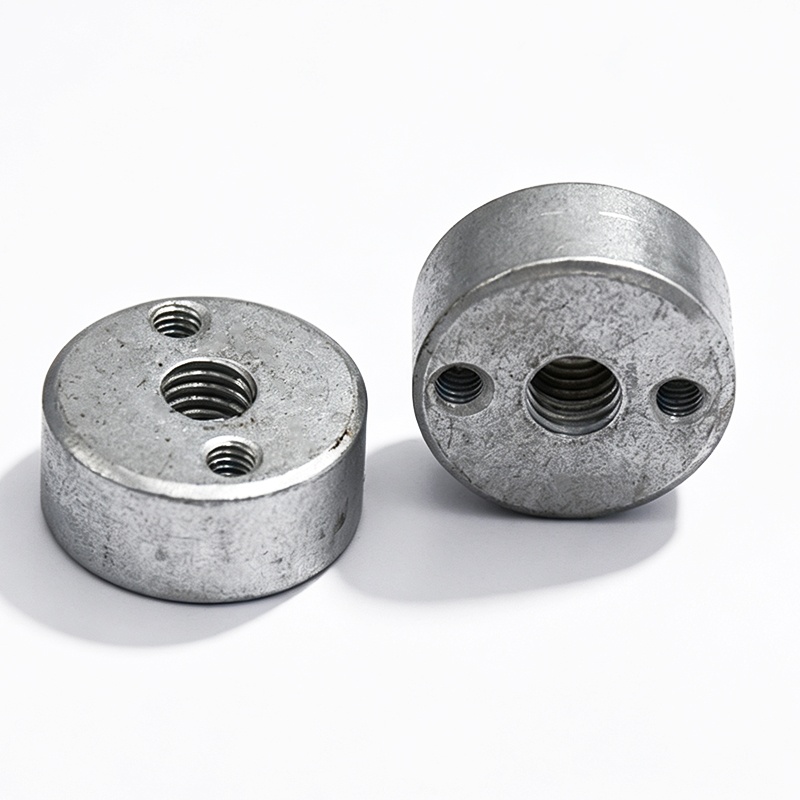 Three Hole Round Plate Nuts with Threaded Plate Fasteners for Metal and Machinery
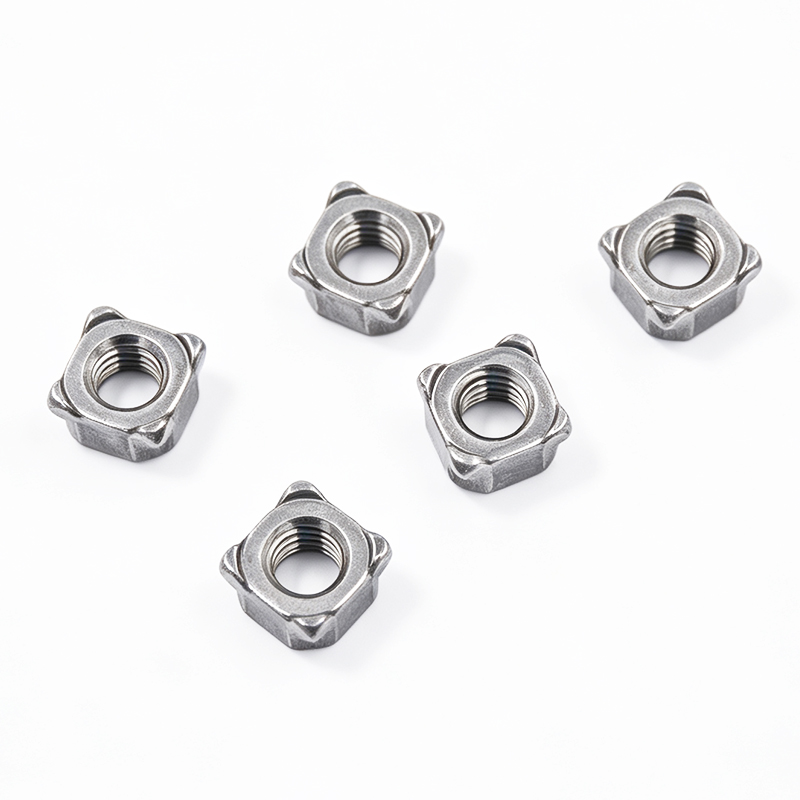 Carbon Steel Square Weld Nuts with Heavy Duty Threaded Nuts for Welding Applications
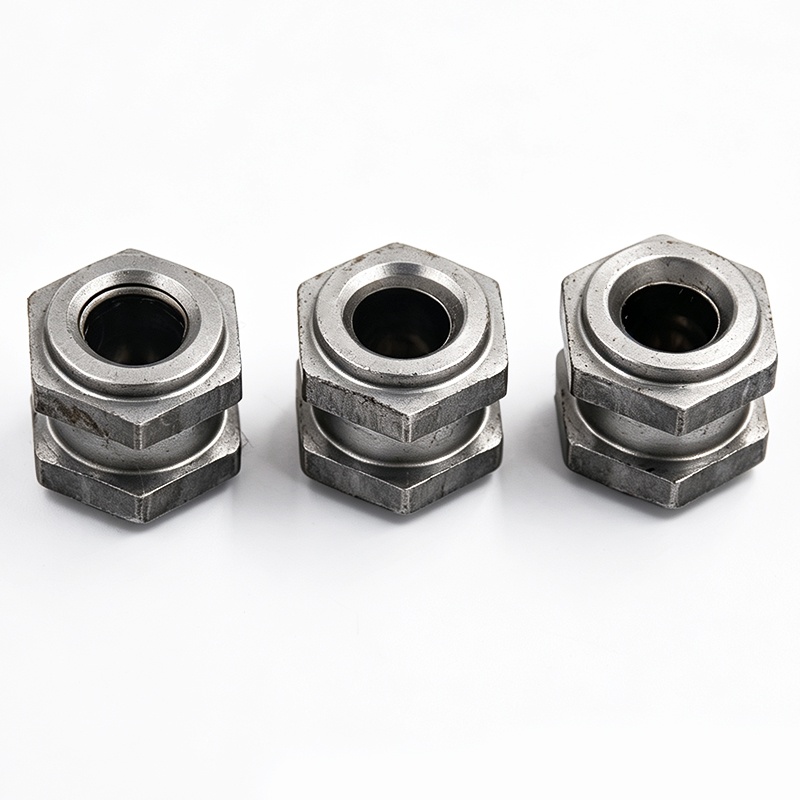 Non Standard Stainless Steel CNC Machined Special Shaped Nuts
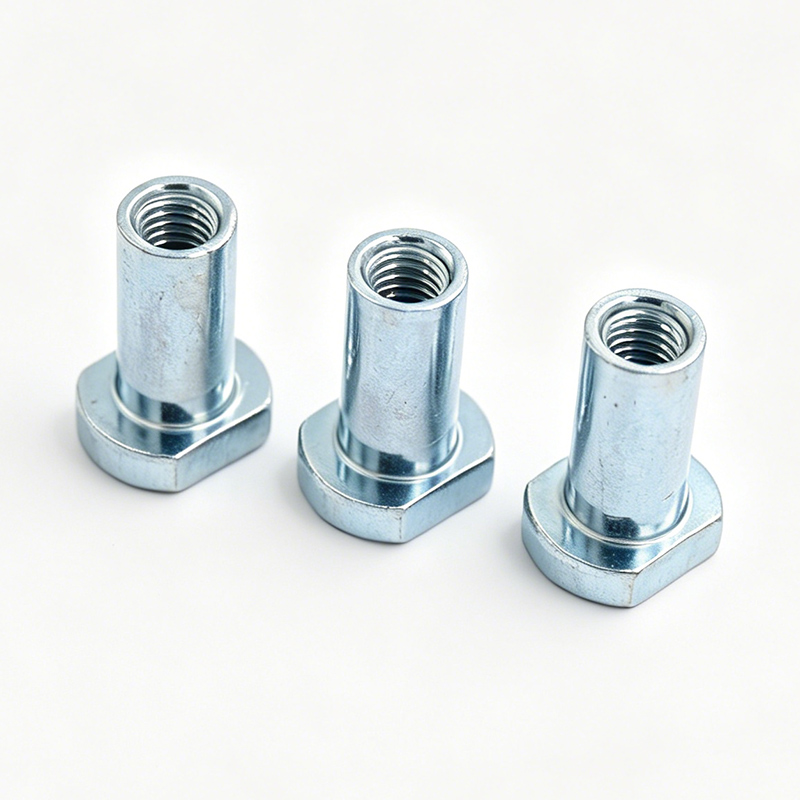 Non-Standard Special-Shaped Nuts
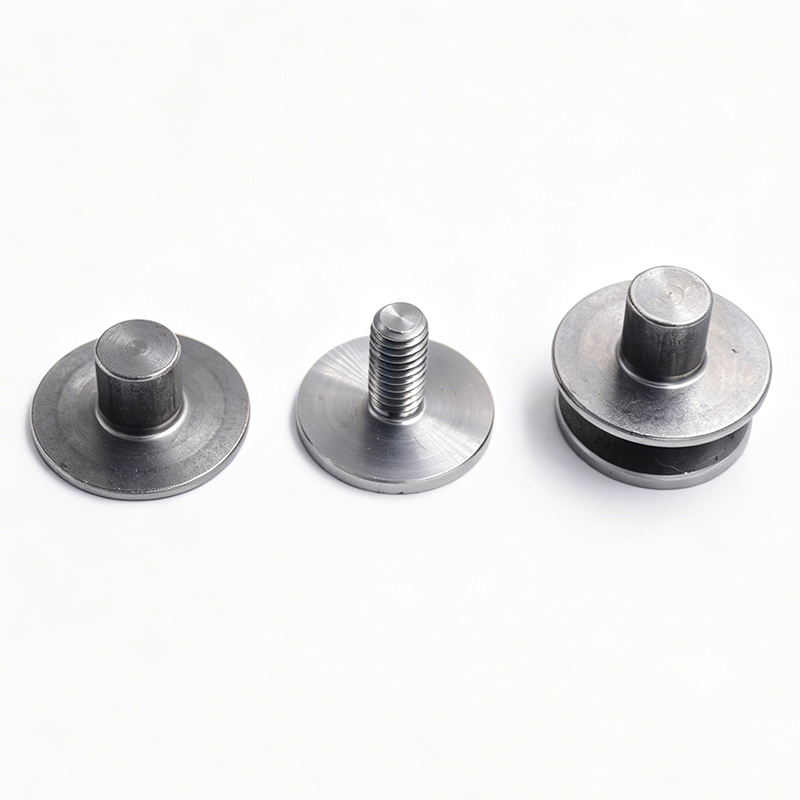 Knurled Cylindrical Or External Hexagonal Locking Screws And Nuts
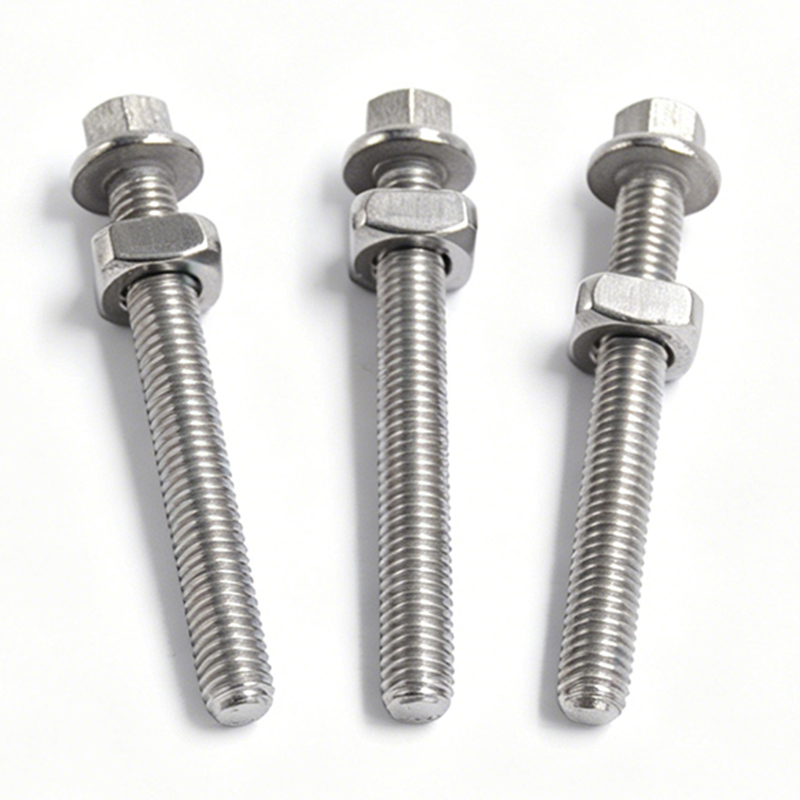 Flange Bolts With Square Nuts
Latest News
-
Cold Heading Components: High-performance Fastener Solutions from Wenzhou Riyi Standard Parts Co., Ltd
2026-09-29Cold heading processing shapes metal wire under strong pressure at room temperature without cutting raw materials. Unlike traditional CNC machining, this technology preserves the continuous metal grain flow inside cold heading parts.
-
Special-shaped Bolts and Stainless Steel Double-ended Bolts from Wenzhou Riyi Standard Parts Co., Ltd
2026-09-23In modern mechanical manufacturing, construction engineering and equipment assembly, high-quality fasteners are the invisible foundation that guarantees structural safety and product stability.
-
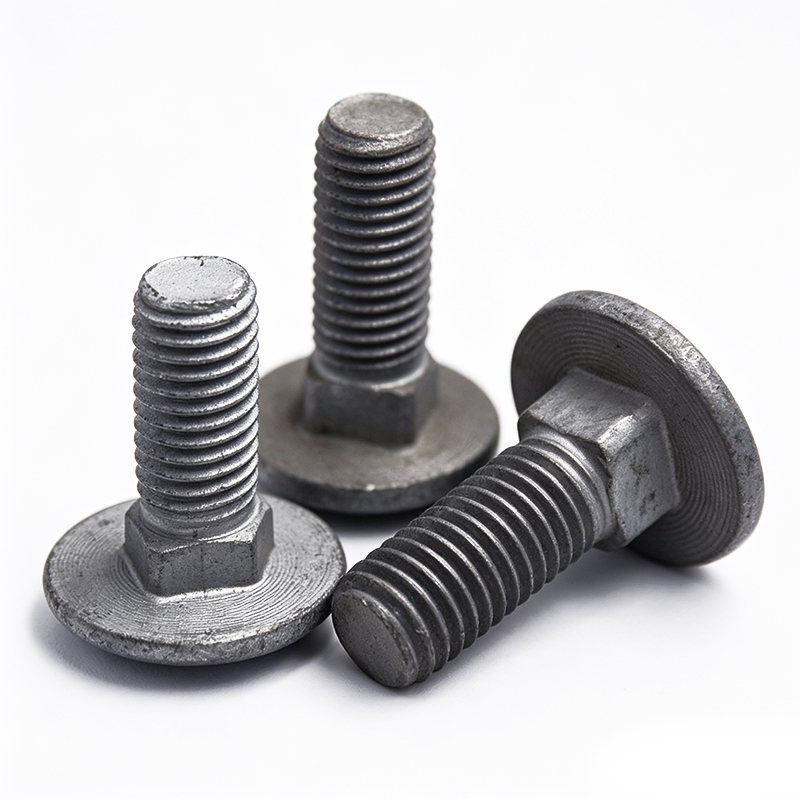
Precision Custom Fasteners from Wenzhou Riyi Standard Parts
2026-09-15Wenzhou Riyi Standard Parts is a reliable Chinese manufacturer focusing on custom non-standard fasteners, located in Wenzhou’s Binhai Economic Zone.
-
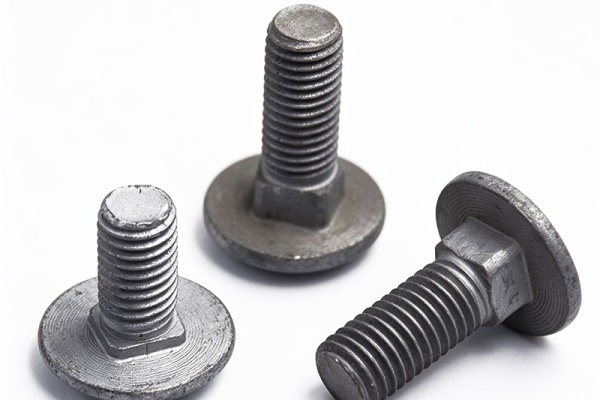
Aluminum Alloy Flange Bolts, Ball Head Studs & Dacromet Carriage Bolts – Reliable Fastener Startup Business
2026-09-08Fasteners are essential basic components widely used in machinery, automotive, engineering and equipment assembly industries.