Products


Alloy Steel Non-Standard Thread Nuts
Non-standard thread nuts refer to a type of fastener nuts that do not fully comply with international standards in terms of thread parameters (such as diameter, pitch, profile angle), overall size or structure of the nut. Such products are usually typical representatives of non-standard nuts or special-shaped nuts.
Send Inquiry
Product Description
Product introduction
Non-standard thread nuts refer to a type of fastener nuts that do not fully comply with international standards in terms of thread parameters (such as diameter, pitch, profile angle), overall size or structure of the nut. Such products are usually typical representatives of non-standard nuts or special-shaped nuts. The core driving force for their development and production is to meet special connection needs that cannot be met by standard threads and standard fasteners. They are widely used in industrial equipment, automated production lines, medical equipment, aerospace, auto parts and other fields, and are the key to solving connection problems under special working conditions. Whether it is to match worn threads on old equipment, to achieve precise transmission in high-speed moving parts (such as special lead screw applications), or to ensure the reliability of connections in extreme environments, non-standard threaded nuts can provide tailor-made solutions.
Product design and core features
The design of non-standard threaded nuts is entirely focused on meeting specific functions, which makes them unique in many aspects.
Thread customization, the core feature is non-standard threads. Special large lead, small lead, left-hand thread can be customized to meet different transmission efficiency and speed requirements, or non-standard sizes caused by wear and other reasons can be corrected. Special tooth shapes such as scalloped teeth can also be designed to achieve quiet and smooth transmission.
The structural forms are diverse. In order to meet assembly, space and functional requirements, they are often designed as special-shaped nuts, such as cylindrical nuts with a wrench plane, lead screw nuts with flanges, tapered grooves, and embedded knurling to increase holding power.
Material and process adaptability, special materials can be selected according to working conditions, and the process path can be strictly planned. For example, for self-locking nuts that require elasticity, the accuracy of the closing process directly determines the anti-loosening effect and whether they will crack. Improper heat treatment (such as quenching) may result in residual impurities or discoloration on the surface, affecting performance.
Functional integration, multiple functions can be integrated into the design, such as self-locking and anti-loosening (achieved by inserting reeds at the tail, etc.), sealing (for example, closed rivet nuts can reach IP68 waterproof level), single-sided installation (for example, rivet nuts solve the problem of being unable to be operated from the back), etc.
Materials, specifications and application areas
Commonly used materials: Covering a wide range of materials, including carbon steel, stainless steel (such as 304, 316, which has both strength and corrosion resistance), brass, aluminum alloy, and high-performance engineering plastics.
Specification range: Extremely flexible with almost no fixed limits. Thread diameters can range from micro (such as M2) to extra large. The lead can be customized according to needs, such as large lead threads from 0.5mm to 100mm.
Main application areas
High-end equipment and automation: special lead screw pairs used in precision transmission systems such as robot joints, CNC machine tools, semiconductor equipment, etc.
Automobile manufacturing and modification: As a key automobile accessory nut, it is used in engine test benches, racing cars or special vehicle modification parts to meet non-standard connection or lightweight needs.
Aerospace: Used in aircraft internal structures, equipment brackets and other parts that have extreme requirements for weight, strength and reliability. Special materials such as titanium alloy are often used for customization.
Medical equipment and electronics: used to achieve miniaturization, insulation or special material connections in medical equipment, precision instruments and electronic products.
Repair and remanufacturing: In equipment maintenance, replacing threaded connections that cannot be matched with standard parts due to wear is an important part of repair spare parts.
General industry and sheet metal: As special types such as rivet nuts, it is widely used in chassis cabinets, control panels, and sheet metal structures to achieve single-sided installation and firm connection.
Quality control and certification system
Due to its "non-standard" characteristics, quality control is not only in the final inspection, but also throughout the entire process from design to production.
Design and process verification: Before being put into production, it must pass drawing review, finite element analysis (FEA), first article trial production and functional testing to ensure that the design is feasible. Pay special attention to the parameter window for special processes (such as self-locking nut closing).
Whole-process testing items: Testing during the production process is crucial. It mainly refers to the testing system of standard hardware, but the standards are more stringent.
Geometric dimension inspection: Use a comprehensive thread measuring instrument, three-dimensional coordinate measuring machine (CMM), etc. to conduct micron-level (±0.005mm) inspection of the pitch diameter, pitch, and profile angle of non-standard threads.
Material and performance testing: Conduct material composition analysis (to ensure the correct material), mechanical property testing (such as tensile strength, hardness), and functional verification (such as locking torque, anti-loosening performance).
Surface and non-destructive testing: Check the surface treatment quality (coating thickness, roughness), and may use magnetic particle or penetrant testing to check for defects such as internal cracks.
Industry certifications and standards
Quality Management System: Professional manufacturers are usually ISO 9001 certified, and those serving the automotive industry must have IATF 16949 certification.
Industry-specific standards: For demanding sectors such as aerospace, standards such as AS9100 need to be followed. There are also special international standards for fastener quality assurance systems, such as ISO 16426, which aim to achieve the goal of near-zero defects through scientific management.
FAQ
Q: Under what circumstances should I consider using non-standard threaded nuts?
A: Usually you need to consider when the following four situations occur:
Matching requirements: The threads of the components that need to be connected are non-standard, worn or from old standards.
Functional requirements: It is necessary to realize functions such as special transmission ratio (large lead/small lead), self-locking and anti-loosening, sealing or quick disassembly and assembly that standard parts do not have.
Space restrictions: The installation space is extremely limited or has a special shape, and standard nuts cannot be installed or function.
Material and working condition requirements: The working environment has special corrosion resistance, high temperature resistance, insulation, lightweight or self-lubricating requirements.
Q: Can non-standard thread nuts be prevented from loosening? How to achieve?
A: Yes, and the anti-loosening method is one of the key points of customization. In addition to adding washers, a more common approach is to design an integrated self-locking structure. For example, an elastic reed is embedded at the end of the nut. When the bolt is screwed in, the deformation of the reed generates continuous friction to prevent loosening; or a two-point/three-point closing process is used to deform part of the thread to generate a locking force (but the amount of closing must be accurately controlled to prevent cracking).
Q: Why is the production cycle and cost of non-standard threaded nuts usually higher than that of standard parts?
A: There are three main reasons:
Design and process development: Design, simulation and process testing need to be carried out separately, requiring large initial investment.
Production preparation: Special tools (such as non-standard thread milling cutters/rollers), fixtures and inspection fixtures need to be prepared.
Small batch production: Non-standard parts usually require small batches, and the cost cannot be shared through large-scale production, and the production line changeover and debugging are time-consuming.
Send Inquiry
Related Products
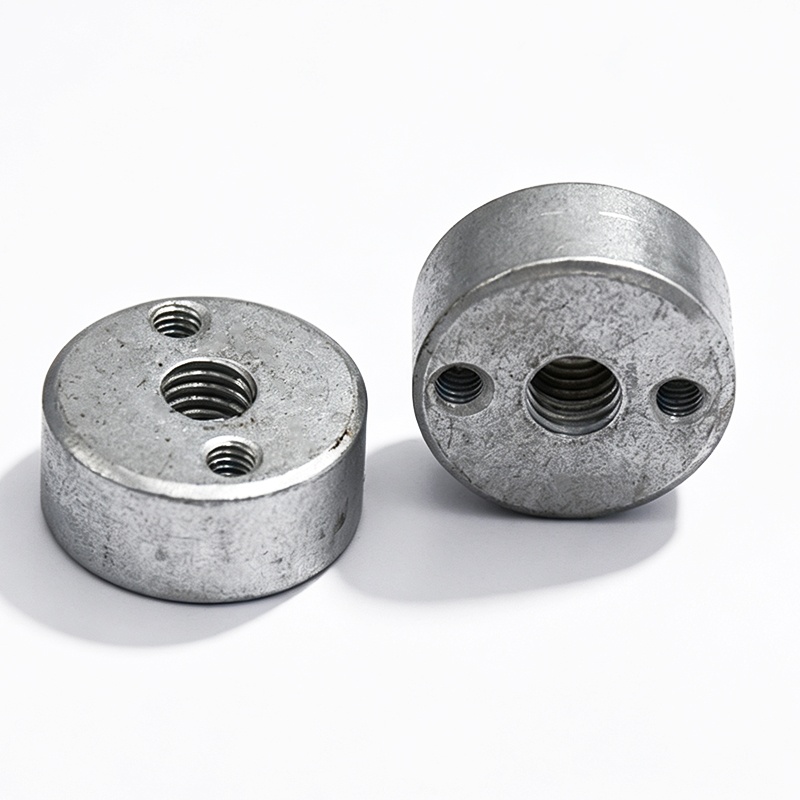 Three Hole Round Plate Nuts with Threaded Plate Fasteners for Metal and Machinery
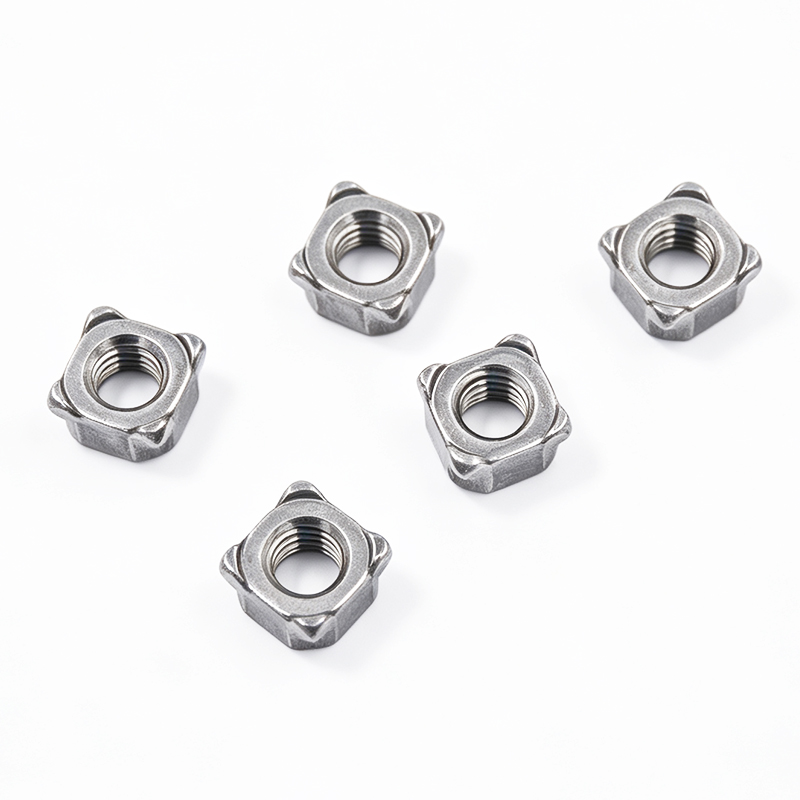 Carbon Steel Square Weld Nuts with Heavy Duty Threaded Nuts for Welding Applications
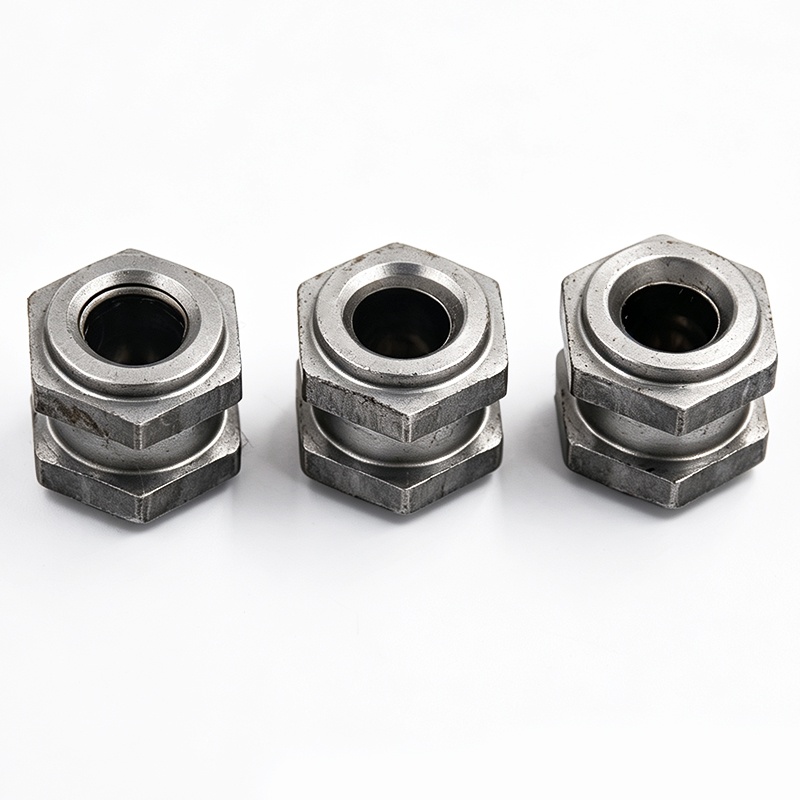 Non Standard Stainless Steel CNC Machined Special Shaped Nuts
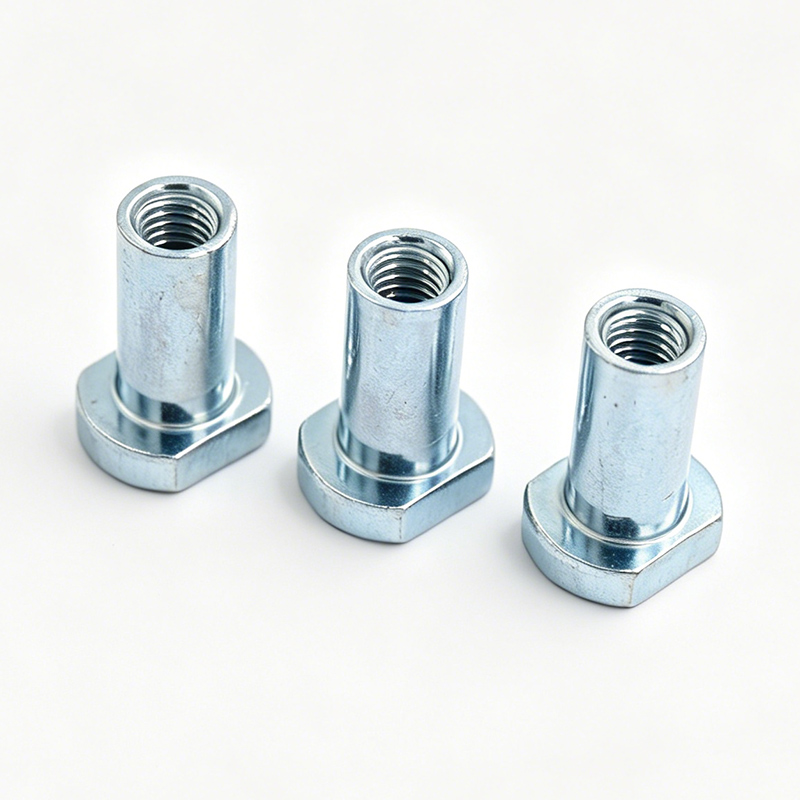 Non-Standard Special-Shaped Nuts
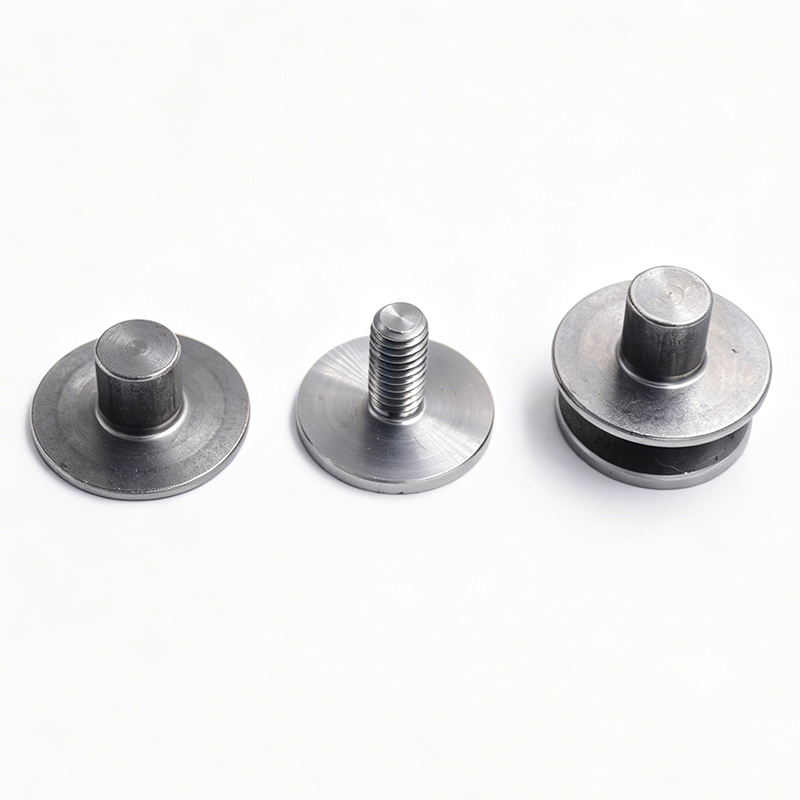 Knurled Cylindrical Or External Hexagonal Locking Screws And Nuts
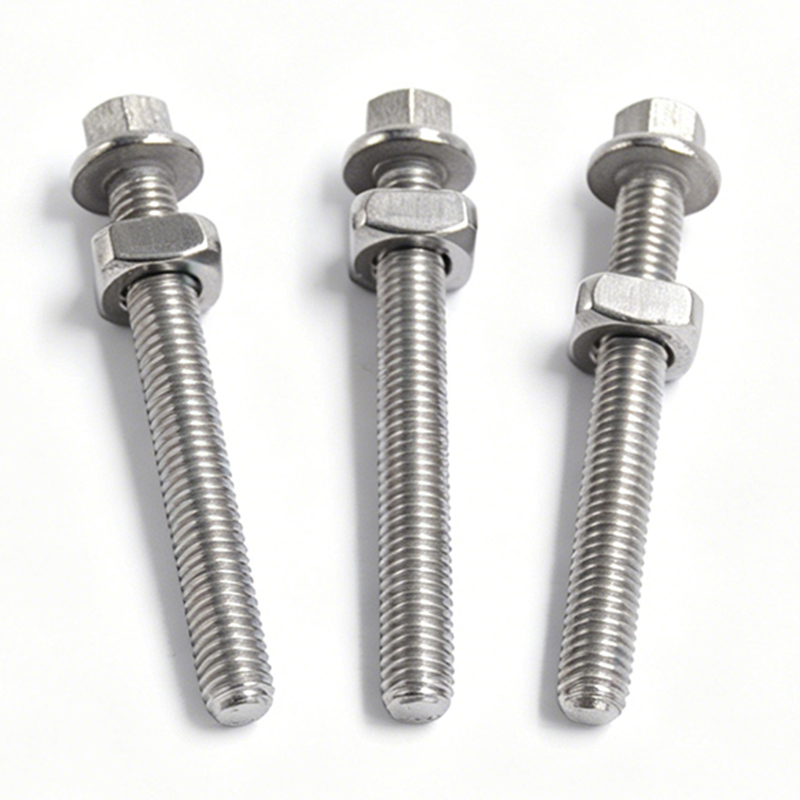 Flange Bolts With Square Nuts
Latest News
-
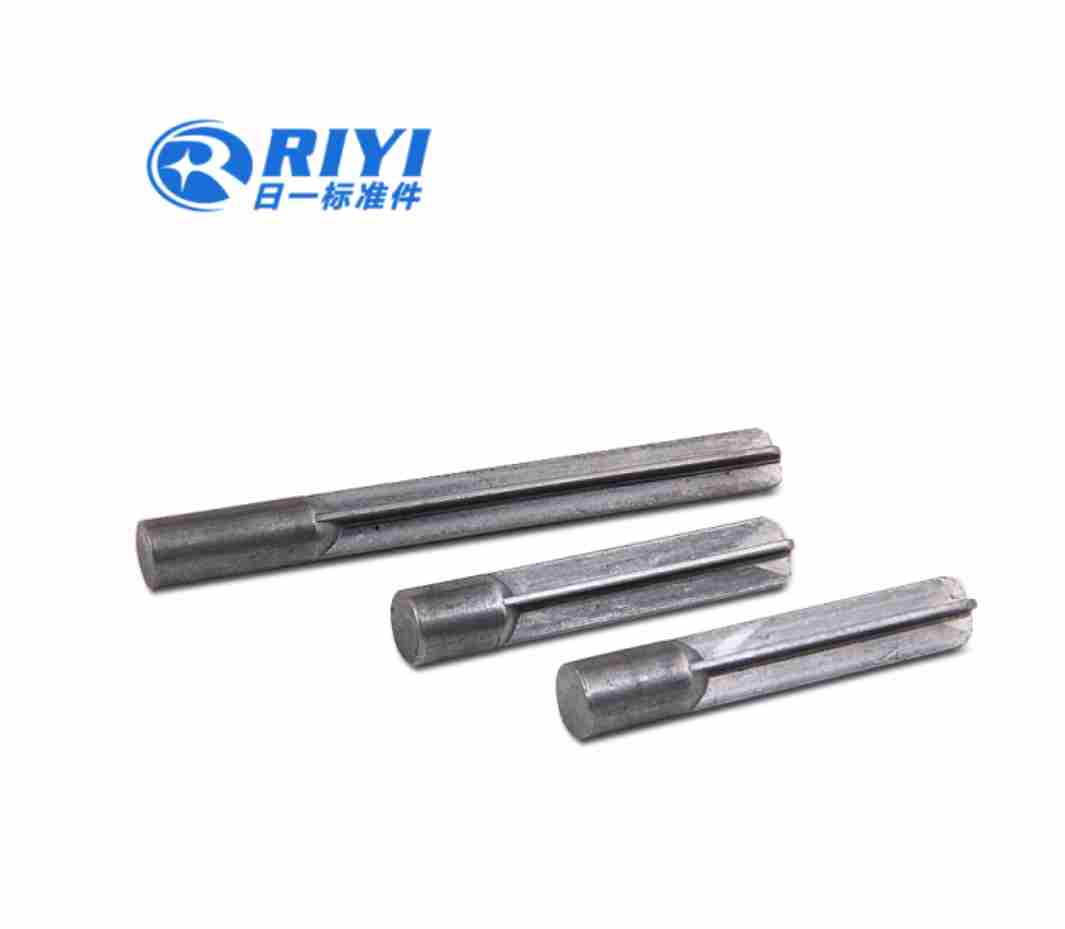
Cold Heading Components: High-performance Fastener Solutions from Wenzhou Riyi Standard Parts Co., Ltd
2026-09-29Cold heading processing shapes metal wire under strong pressure at room temperature without cutting raw materials. Unlike traditional CNC machining, this technology preserves the continuous metal grain flow inside cold heading parts.
-
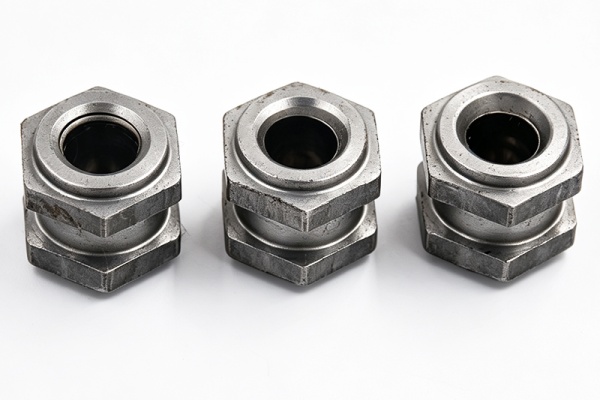
Special-shaped Bolts and Stainless Steel Double-ended Bolts from Wenzhou Riyi Standard Parts Co., Ltd
2026-09-23In modern mechanical manufacturing, construction engineering and equipment assembly, high-quality fasteners are the invisible foundation that guarantees structural safety and product stability.
-
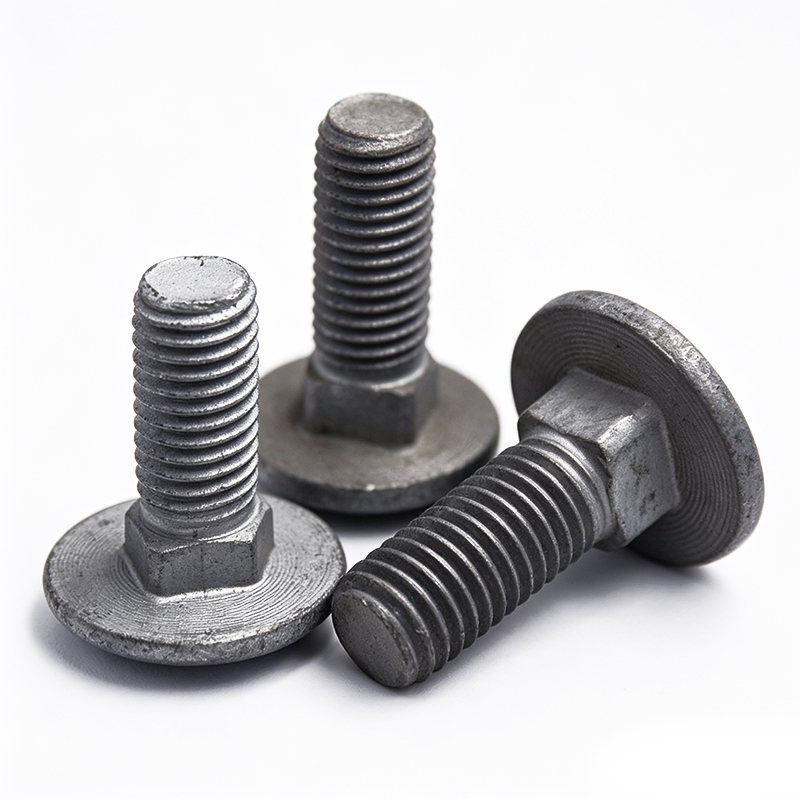
Precision Custom Fasteners from Wenzhou Riyi Standard Parts
2026-09-15Wenzhou Riyi Standard Parts is a reliable Chinese manufacturer focusing on custom non-standard fasteners, located in Wenzhou’s Binhai Economic Zone.
-
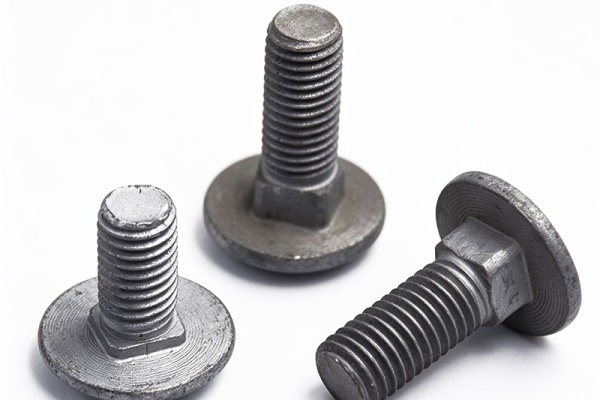
Aluminum Alloy Flange Bolts, Ball Head Studs & Dacromet Carriage Bolts – Reliable Fastener Startup Business
2026-09-08Fasteners are essential basic components widely used in machinery, automotive, engineering and equipment assembly industries.