Products


Corrosion Resistant Ultra Titanium Lightweight Nuts
Titanium alloy lightweight nuts refer to fastener nuts that are made of pure titanium or titanium alloy materials through precision processing and have significant weight reduction as one of their core advantages. As a special type of non-standard nut or high-performance special-shaped nut.
Send Inquiry
Product Description
Product introduction
Titanium alloy lightweight nuts refer to fastener nuts that are made of pure titanium or titanium alloy materials through precision processing and have significant weight reduction as one of their core advantages. As a special type of non-standard nut or high-performance special-shaped nut, the fundamental value of its existence is to "reduce" the equipment without sacrificing strength or even enhancing performance. Its most common application is as a key automotive accessory nut, used in racing cars, high-end sports cars and new energy vehicles that pursue extreme performance to improve power and energy efficiency. Likewise, in aerospace, robotics and high-end equipment, every gram of weight reduction is crucial, making titanium nuts an irreplaceable choice. Titanium alloy lightweight nuts are not a single product, but a product family covering a variety of specifications (such as M3 to M25 or larger), shapes (such as standard hexagon, flange, twelve-point, etc.) and material grades. Its core charm lies in the combination of titanium's unique material properties and precision manufacturing processes.
Product design and core features
The design concept of titanium alloy lightweight nuts revolves around "high strength ratio" (that is, the ratio of strength to weight). The specific characteristics are as follows:
Extremely lightweight, the density of titanium is only 57% that of steel. Under the same volume, titanium nuts are about 43% lighter than steel nuts. This is its most intuitive advantage.
High strength and high specific strength. Although the absolute strength is lower than high-strength alloy steel, its specific strength (strength/density) far exceeds that of steel and aluminum. For example, the tensile strength of Ti-6Al-4V alloy (TC4/GR5) can reach more than 895MPa, which is suitable for most high-load connection scenarios.
Excellent corrosion resistance, the titanium surface can form a dense oxide film, and has excellent acid and alkali resistance and seawater corrosion resistance. Making it particularly suitable for harsh environments such as chemical industry and ocean.
Non-magnetic and biocompatible, titanium is a non-magnetic material and does not affect the magnetic field of precision instruments. It has good biocompatibility and can be used in medical equipment.
Materials, specifications and application areas
Industrial pure titanium, excellent plasticity, corrosion resistance and formability, moderate strength. Corrosion-resistant fastener nuts widely used in chemical, marine and general industries.
Titanium alloy, the representative of high-strength titanium alloy, has high strength and good overall performance. It is the first choice for high-strength and lightweight scenarios such as automotive parts nuts (such as wheel nuts), aerospace structural parts, and robot joints.
Other processes: In addition to conventional forging and machining, there are also lightweight nuts made by metal powder injection molding or sintering processes, which are suitable for non-standard nuts with complex shapes and mass production.
Application areas
Automotive industry (high-performance and new energy vehicles): As a key automotive accessory nut, it is used in hub center locking systems, engine mounts, chassis connecting rods and battery pack structures, etc., directly improving the vehicle's power-to-weight ratio and cruising range.
Aerospace: Aircraft fuselages, engine accessories, spacecraft equipment and other parts where the weight is "weighted" are the traditional core markets for titanium alloy fasteners.
High-end equipment manufacturing: industrial robot joints, clean room mechanisms for semiconductor and flat panel display (FPD) manufacturing equipment, precision optical instruments, etc.
Special industries: marine engineering (seawater desalination, ships), electroplating chemical industry (strongly corrosive environment), medical equipment (implanted device auxiliary fixation), etc.
Quality control, certification
Production and material certification: Professional manufacturers need to pass ISO 9001 quality management system certification, and those targeting the automotive field must have IATF 16949 certification. Raw materials must provide material certification and comply with international or industry standards such as ASTM, AMS, GB/T, DIN ISO, etc.
Full-process testing and verification: From design to mass production, strict testing is required, especially for auto parts nuts. Leading companies provide complete testing support from lab to track.
Performance testing: including tensile strength, guaranteed load, fatigue life, locking performance (such as friction coefficient stability after repeated tightening) testing.
Environmental and reliability testing: salt spray test (to verify corrosion resistance), high and low temperature cycles (to verify thermal stability), vibration test (to simulate working conditions to prevent loosening).
Dimensional and appearance inspection: 100% thread pass and stop gauge inspection, critical dimension SPC statistical process control, and surface cleanliness inspection.
FAQ
Q: Are titanium nuts really stronger than steel nuts?
A: This requires specific analysis. The absolute strength of ordinary titanium alloys is lower than high-strength alloy steels (such as grade 12.9). But its specific strength is much higher than steel. When selecting, you should ensure that the strength grade of the titanium nut (such as Ti-6Al-4V) meets the design load requirements of the connection, rather than directly comparing materials.
Q: Can titanium nuts be reused?
A: It can be reused a limited number of times, but careful evaluation is required. Each disassembly causes micro-wear on the threads and locking structure. For ordinary connections, they can be reused several times under the premise of checking that the threads are intact. However, for automotive parts nuts (especially wheel nuts) or aerospace applications involving safety, the manufacturer's regulations must be strictly followed, and in many cases one-time use is required or the number of uses is strictly limited.
Q: How do I choose titanium nuts of suitable material and specifications for my project?
A: Follow these steps:
Clarify the core requirements: Is the primary goal weight reduction, corrosion resistance, or non-magnetic?
Analyze specific working conditions: determine load type (static/dynamic), size, temperature, and environmental medium.
Matching material and strength: Best corrosion resistance and formability required → Choose industrial pure titanium (such as GR2). Need higher strength → choose titanium alloy (such as GR5/TC4). Confirm standards and certification: For key applications such as automotive parts nuts, suppliers need to have IATF 16949 certification, and products must comply with relevant standards such as AMS and ASTM.
Send Inquiry
Related Products
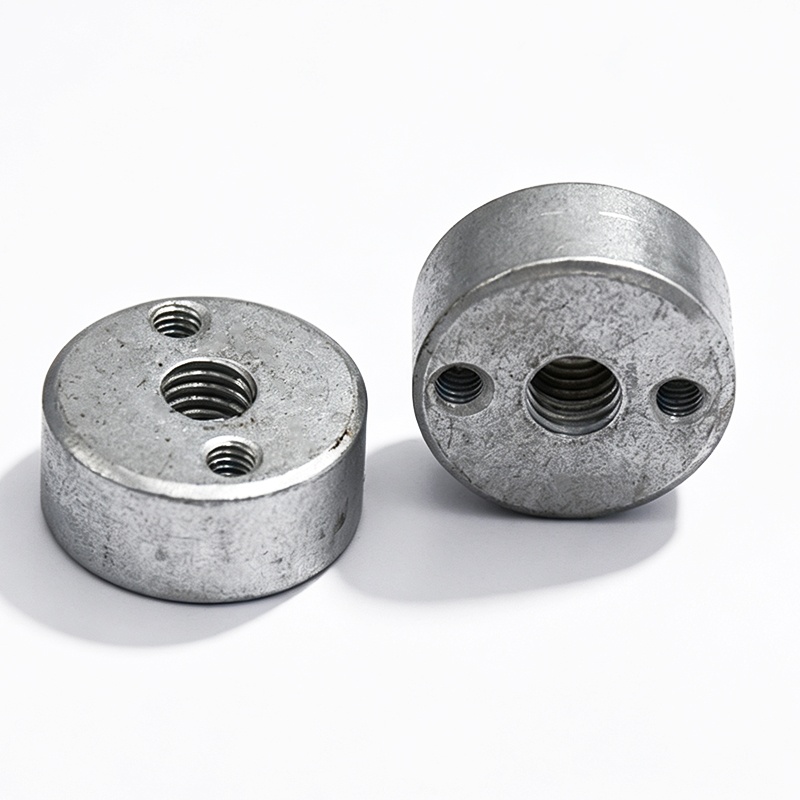 Three Hole Round Plate Nuts with Threaded Plate Fasteners for Metal and Machinery
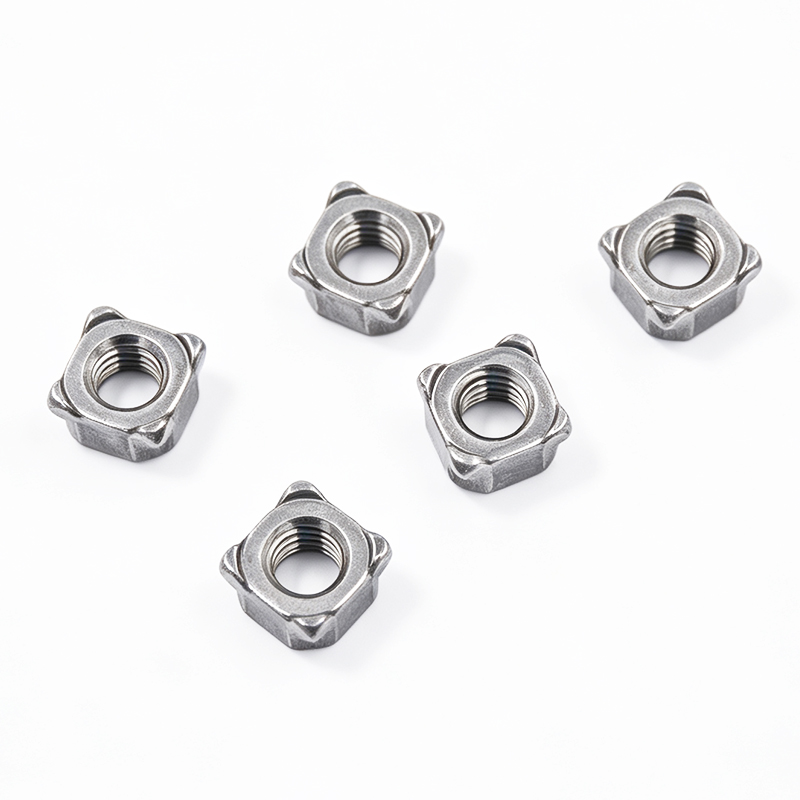 Carbon Steel Square Weld Nuts with Heavy Duty Threaded Nuts for Welding Applications
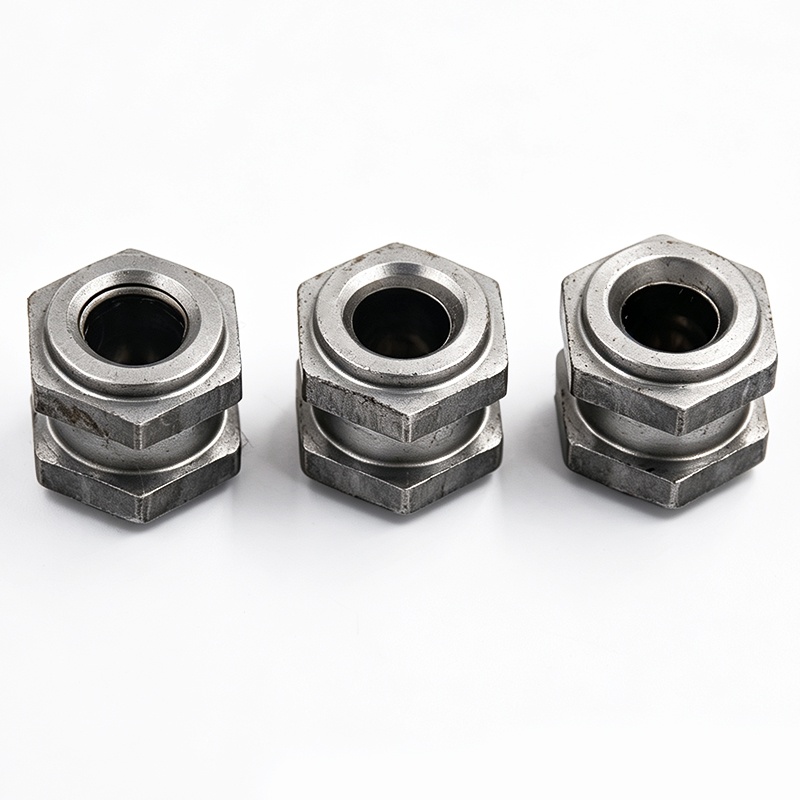 Non Standard Stainless Steel CNC Machined Special Shaped Nuts
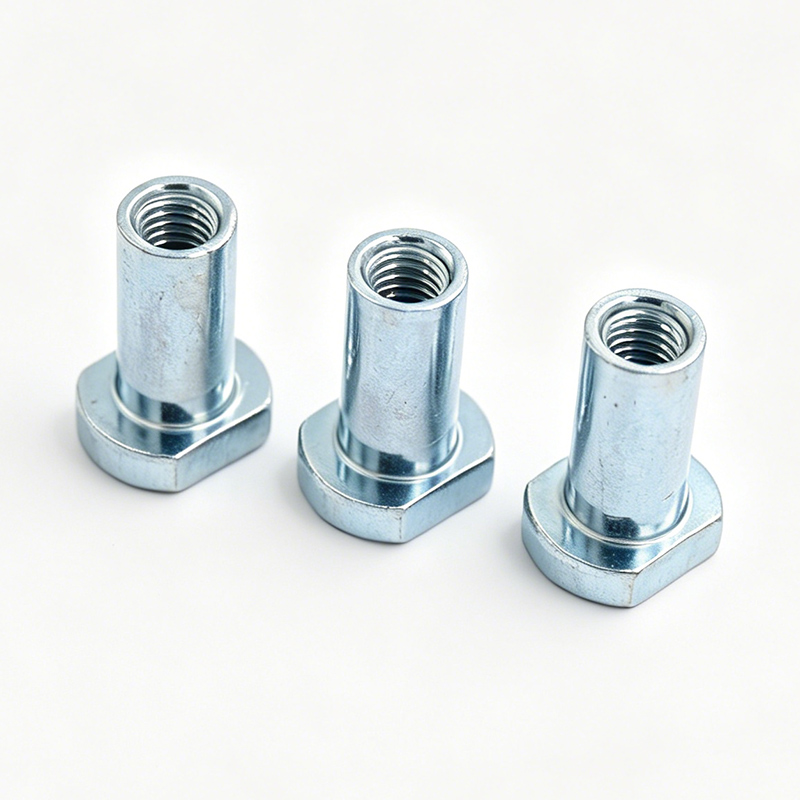 Non-Standard Special-Shaped Nuts
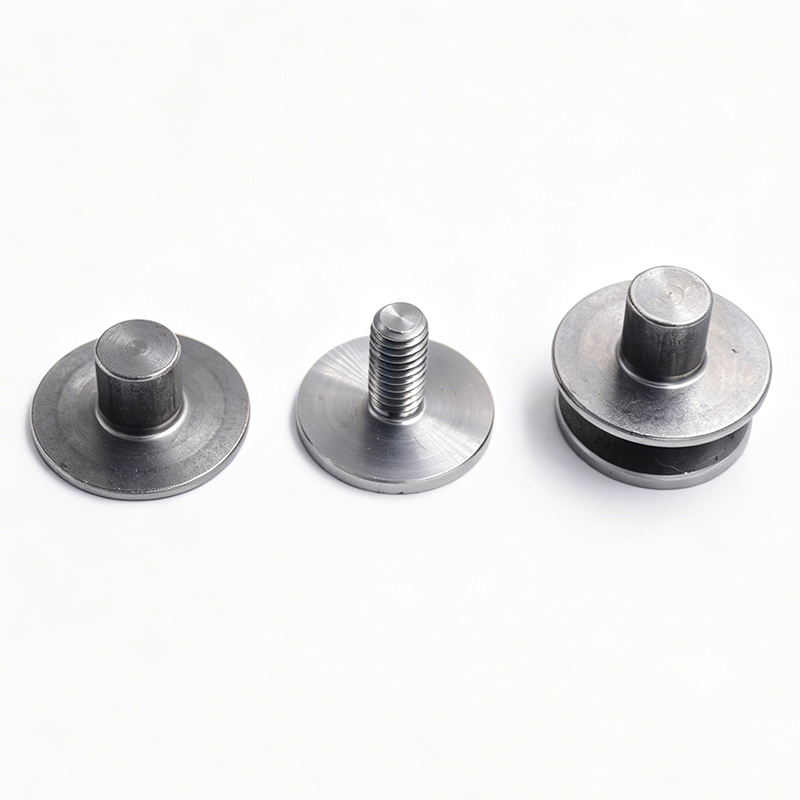 Knurled Cylindrical Or External Hexagonal Locking Screws And Nuts
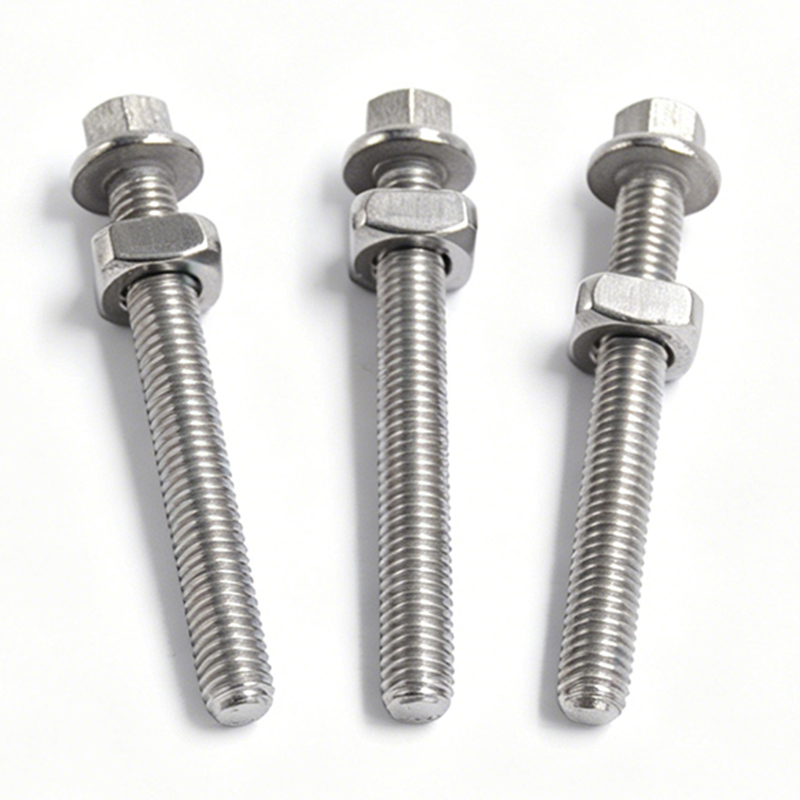 Flange Bolts With Square Nuts
Latest News
-
Cold Heading Components: High-performance Fastener Solutions from Wenzhou Riyi Standard Parts Co., Ltd
2026-09-29Cold heading processing shapes metal wire under strong pressure at room temperature without cutting raw materials. Unlike traditional CNC machining, this technology preserves the continuous metal grain flow inside cold heading parts.
-
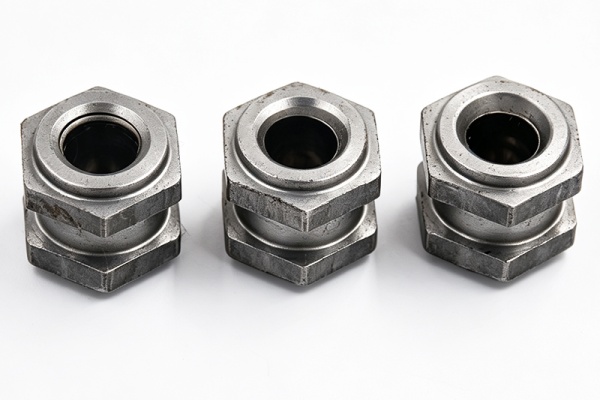
Special-shaped Bolts and Stainless Steel Double-ended Bolts from Wenzhou Riyi Standard Parts Co., Ltd
2026-09-23In modern mechanical manufacturing, construction engineering and equipment assembly, high-quality fasteners are the invisible foundation that guarantees structural safety and product stability.
-
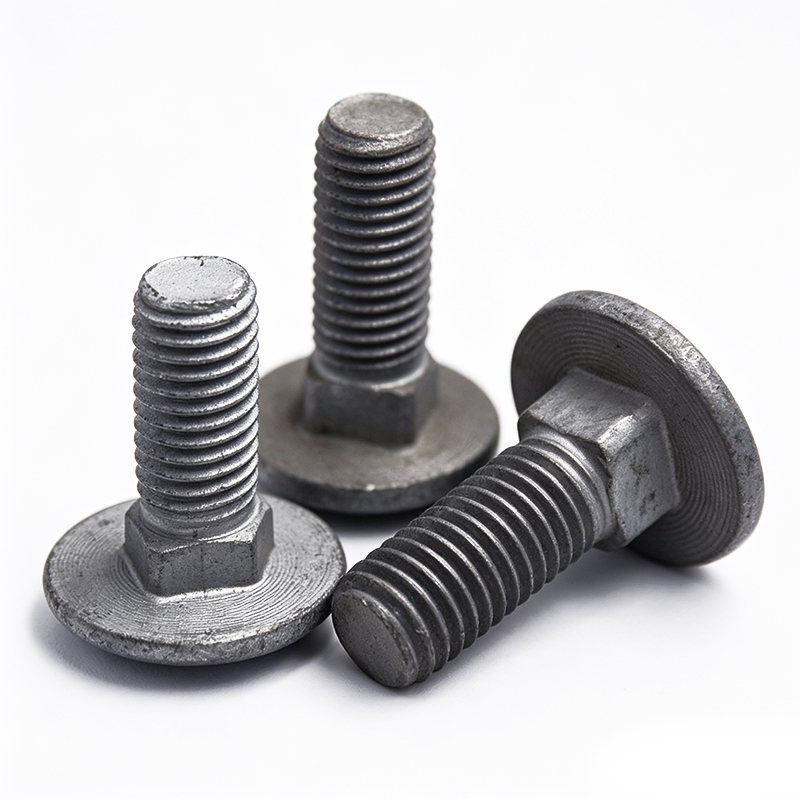
Precision Custom Fasteners from Wenzhou Riyi Standard Parts
2026-09-15Wenzhou Riyi Standard Parts is a reliable Chinese manufacturer focusing on custom non-standard fasteners, located in Wenzhou’s Binhai Economic Zone.
-
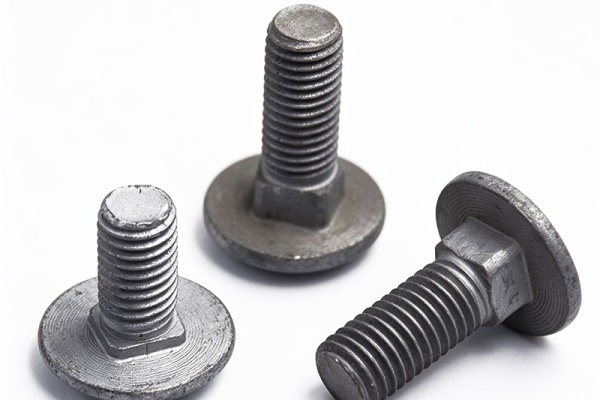
Aluminum Alloy Flange Bolts, Ball Head Studs & Dacromet Carriage Bolts – Reliable Fastener Startup Business
2026-09-08Fasteners are essential basic components widely used in machinery, automotive, engineering and equipment assembly industries.