Products


Heat Resistant Self-Locking Nylon-Insert Flange Nut
Nylon locking flange nut is a high-performance, self-locking fastener nut. It combines traditional flange nuts with nylon locking technology. Its core feature is a precision-designed elastic nylon ring (usually made of nylon 66) embedded in the internal thread at the top of the nut.
Send Inquiry
Product Description
Product introduction
Nylon locking flange nut is a high-performance, self-locking fastener nut. It combines traditional flange nuts with nylon locking technology. Its core feature is a precision-designed elastic nylon ring (usually made of nylon 66) embedded in the internal thread at the top of the nut. When the bolt is screwed in, it will generate strong and continuous friction resistance with the nylon ring, thereby achieving excellent anti-loosening effect, especially suitable for critical connections under vibration, impact or dynamic load environments. At the same time, its integrated flange structure (wide support surface) can effectively disperse pressure, protect the connection surface, and improve the stability of the overall connection without the need for additional gaskets. Due to its reliability, this product has become the preferred solution to replace the "standard nut + spring washer + flat washer" combination in many fields, achieving the three-in-one functions of anti-loosening, load-bearing and convenience.
Product core design and features
A metal nut body with an integrated flange (wide washer) and a nylon ring or nylon washer embedded inside.
The integrated flange is equivalent to a built-in wide gasket, which increases the pressure-bearing area of the contact surface, disperses the load, prevents the surface of the connected parts from being dented, and makes the connection more stable and less likely to loosen.
Nylon locking ring, a nylon ring embedded in the top of the nut, with an inner diameter slightly smaller than the diameter of the bolt. When screwed in, the bolt thread will produce close elastic friction with the nylon material, forming a continuous rebound force to prevent the thread from loosening due to vibration or impact.
Integrated structure, the metal nut and nylon ring are firmly combined through riveting and other processes, and function as a whole.
Common materials, Specifications and application areas
Main material: mainly carbon steel (such as SWCH), stainless steel (such as SUS304), etc.
Surface treatment: In order to improve the anti-corrosion ability, carbon steel products are often galvanized (white zinc, colored zinc), chrome plated or Dacromet. Stainless steel may remain original or passivated.
General specification range: Common metric thread specifications are covered from M4 to M36. According to different international standards (such as DIN 6927), its specific dimensions (such as hexagonal width across flats, flange diameter, nut height) have been standardized.
Main application areas
Auto parts nuts: widely used in automobile chassis, engine mounts, suspension systems and other parts that require extremely high vibration resistance.
Industrial equipment fastener nuts: used in various types of heavy machinery, conveying equipment, vibrating screens, etc. to ensure the reliability of key connection points.
Rail transit: Car carriage connections and internal structure fastening of high-speed trains and subway vehicles.
Others: It is also widely used in communication base stations, wind power generation, agricultural machinery and other fields.
Quality control and certification system
Performance test, transverse vibration test (such as DIN 65151): to verify the anti-loosening performance, the axial force attenuation rate must be ≤10%. Locking torque test: measure the maximum assembly torque and minimum disassembly torque to ensure that it can be assembled and disassembled. Guaranteed load/tensile strength test: verify the strength of the nut body, for example, it requires ≥600MPa
Environmental reliability, salt spray test (such as ASTM B117): Galvanized carbon steel products often require no red rust for more than 480 hours. High and low temperature cycle testing: Verify performance stability in the temperature range of -40°C to +120°C (or even higher). Durability test: simulate long-term vibration and load fatigue under specific working conditions.
Size and appearance, full-size SPC statistical process control to ensure accuracy. 100% thread pass and stop gauge inspection and visual inspection.
Compliance with standards and certifications: Quality products usually comply with international and national standards. Common standards include German standard DIN, national standard GB, International Organization for Standardization ISO, etc. High-end manufacturers may also have quality management system certifications such as IATF 16949 (automotive industry).
FAQ
Q: Can nylon locking flange nuts be reused?
A: Yes, but there are restrictions. Repeated tightening will cause the elasticity of the nylon ring to attenuate, and the anti-loosening effect will gradually decrease. It is generally recommended to reuse no more than 3-5 times. For extremely critical safety parts, it is recommended to use it once.
Q: What are the core advantages of this nut? What is the difference from ordinary nuts and spring washers?
A: Its core advantage is the three-in-one of "anti-loosening, load-bearing, and convenience".
More reliable anti-loosening: The elastic friction locking provided by the nylon ring is more durable and effective than mechanical locking (such as spring washers) under continuous vibration (such as when automobile accessories nuts are used in chassis).
Better load-bearing: The integrated flange provides a larger pressure-bearing area than ordinary gaskets, protects the workpiece surface, and makes the connection more stable.
More convenient assembly: One part replaces the "nut + washer" combination, reducing the number of parts and assembly steps.
Q: If the standard product cannot meet my needs (such as special size, extreme environment), can it be customized?
A: Yes. Professional fastener manufacturers often provide customization services for non-standard nuts or special-shaped nuts. Common customization directions include:
Customized dimensions: non-standard threads, special flange outer diameter or tooth shape, lengthened or shortened nut height.
Material upgrade: special stainless steel, titanium alloy, or specific high temperature/chemical resistant materials.
Process and function customization: special surface treatment, adding anti-skid teeth on the flange surface, pre-assembly with other components, etc.
Co-development: Work with customers on prototype design, simulation testing and verification to meet the stringent requirements of specific working conditions (such as aerospace, special vehicles).
Send Inquiry
Related Products
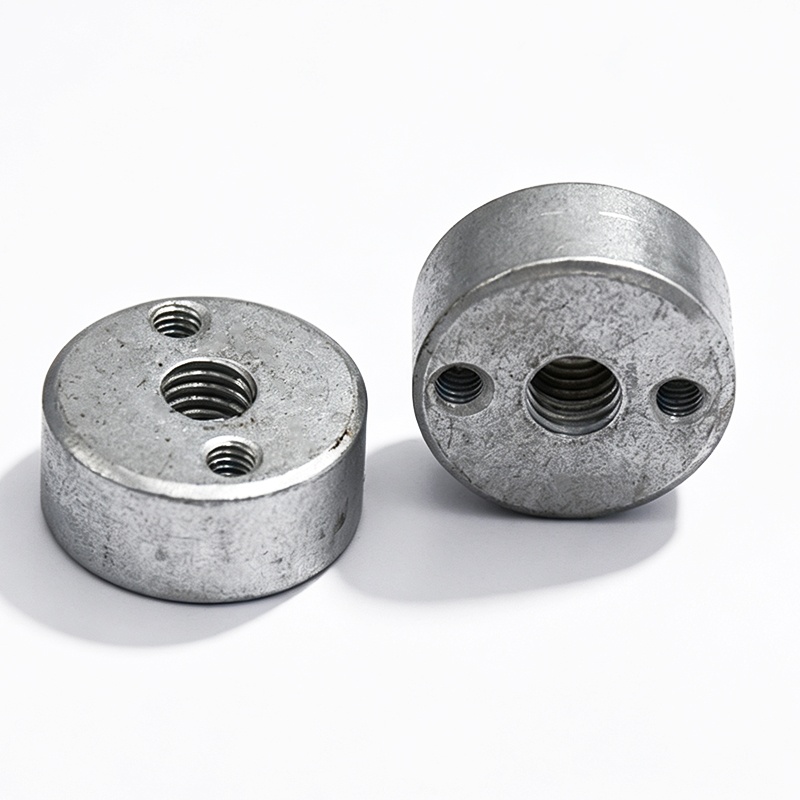 Three Hole Round Plate Nuts with Threaded Plate Fasteners for Metal and Machinery
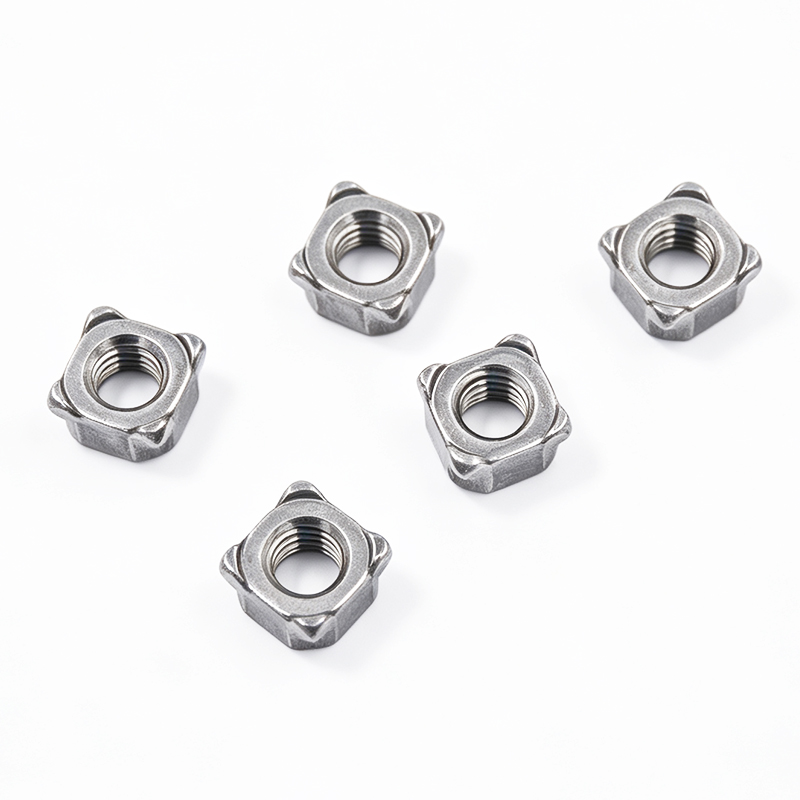 Carbon Steel Square Weld Nuts with Heavy Duty Threaded Nuts for Welding Applications
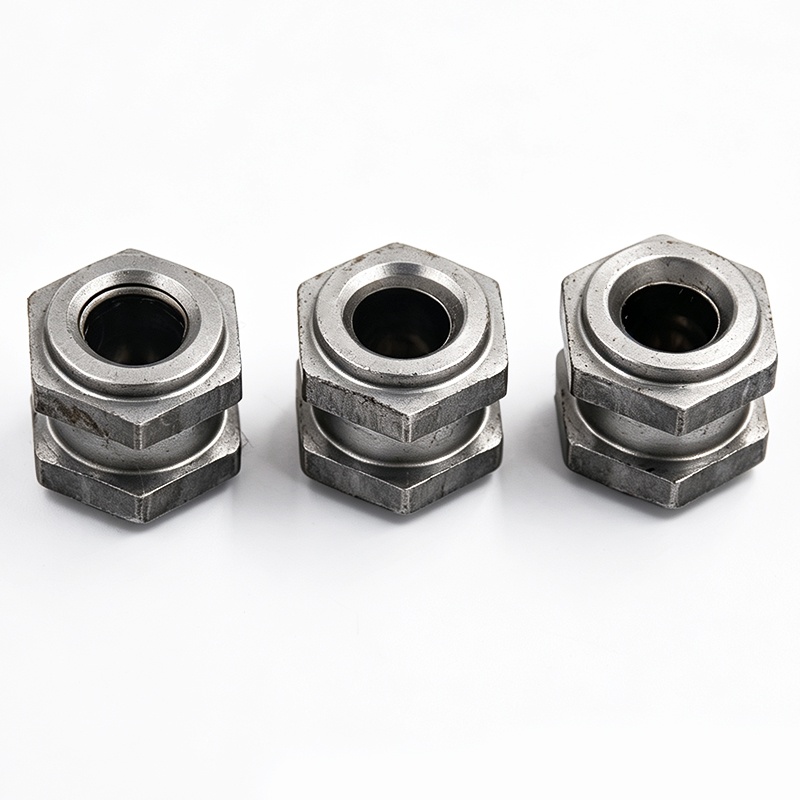 Non Standard Stainless Steel CNC Machined Special Shaped Nuts
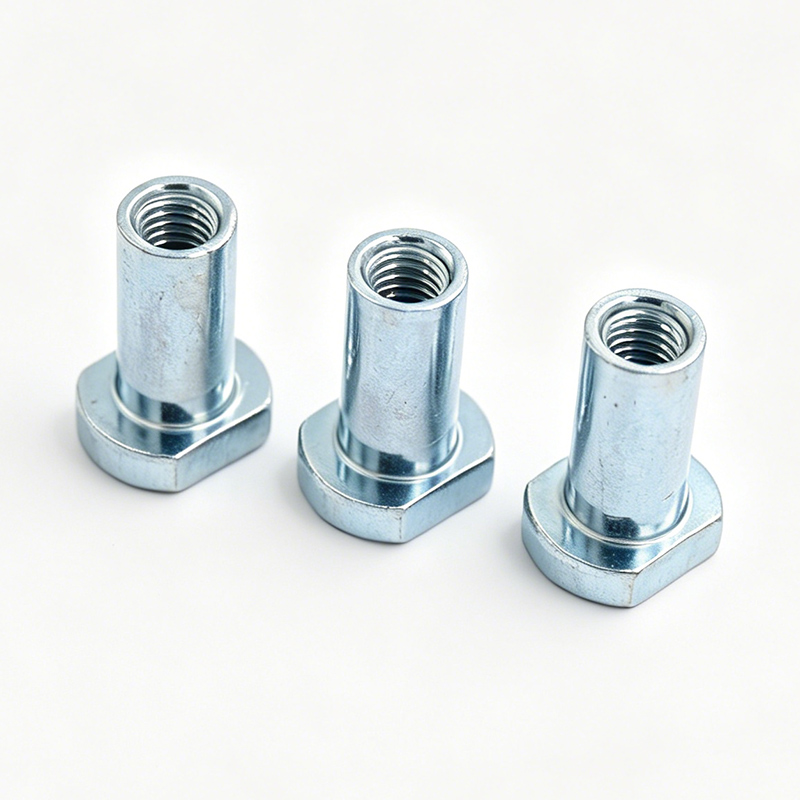 Non-Standard Special-Shaped Nuts
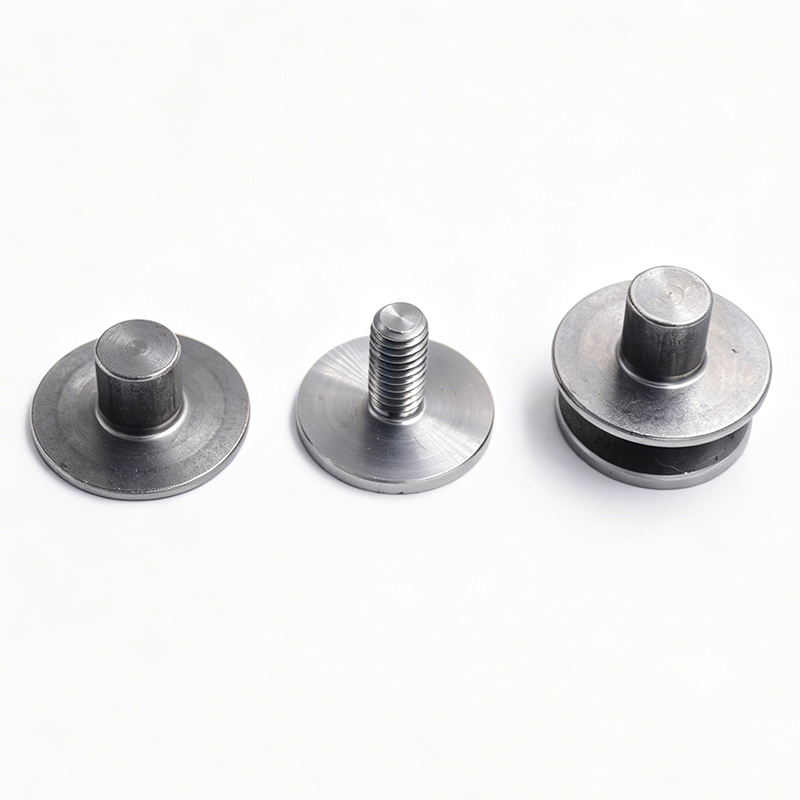 Knurled Cylindrical Or External Hexagonal Locking Screws And Nuts
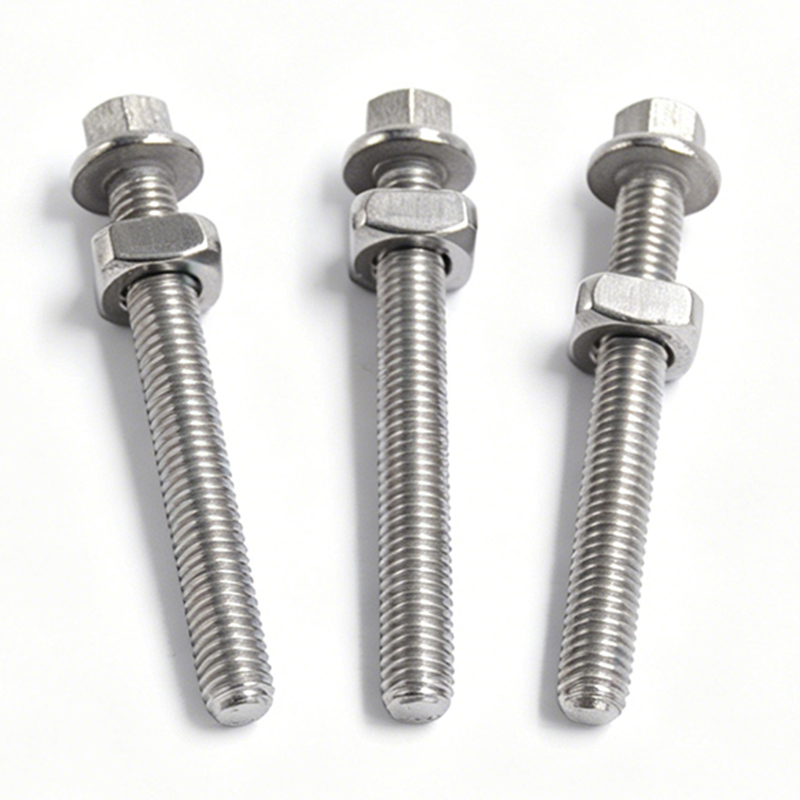 Flange Bolts With Square Nuts
Latest News
-
Cold Heading Components: High-performance Fastener Solutions from Wenzhou Riyi Standard Parts Co., Ltd
2026-09-29Cold heading processing shapes metal wire under strong pressure at room temperature without cutting raw materials. Unlike traditional CNC machining, this technology preserves the continuous metal grain flow inside cold heading parts.
-
Special-shaped Bolts and Stainless Steel Double-ended Bolts from Wenzhou Riyi Standard Parts Co., Ltd
2026-09-23In modern mechanical manufacturing, construction engineering and equipment assembly, high-quality fasteners are the invisible foundation that guarantees structural safety and product stability.
-
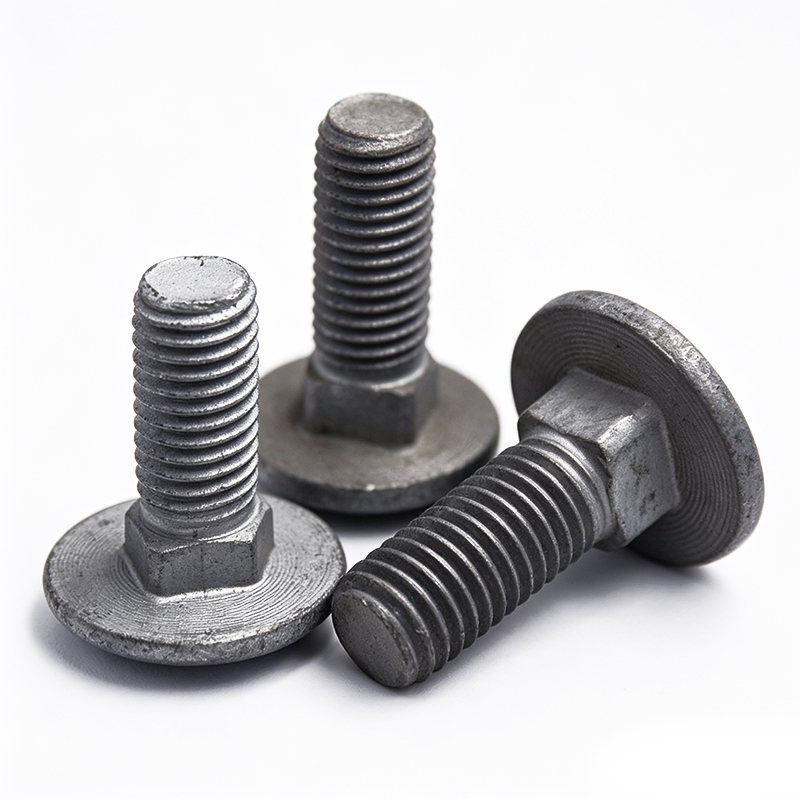
Precision Custom Fasteners from Wenzhou Riyi Standard Parts
2026-09-15Wenzhou Riyi Standard Parts is a reliable Chinese manufacturer focusing on custom non-standard fasteners, located in Wenzhou’s Binhai Economic Zone.
-
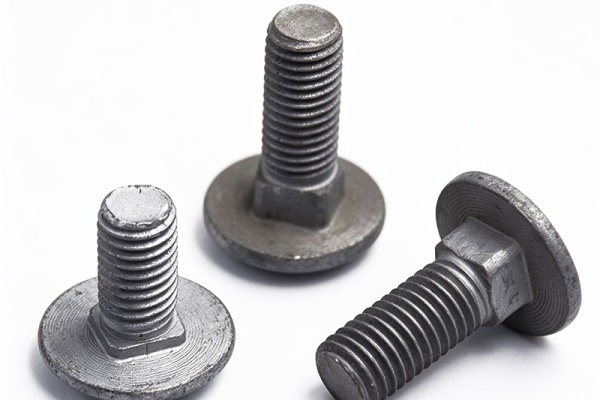
Aluminum Alloy Flange Bolts, Ball Head Studs & Dacromet Carriage Bolts – Reliable Fastener Startup Business
2026-09-08Fasteners are essential basic components widely used in machinery, automotive, engineering and equipment assembly industries.