Products


Nickel Plated Wear Resistant Carbon Steel Non-Standard Nuts
Carbon steel non-standard nuts refer specifically to fastener nuts that do not meet the nominal diameter, width across flats, height, thread and other dimensions and performance parameters specified by national or international standards.
Send Inquiry
Product Description
Product introduction
Carbon steel non-standard nuts refer specifically to fastener nuts that do not meet the nominal diameter, width across flats, height, thread and other dimensions and performance parameters specified by national or international standards. Such non-standard nuts are usually designed and produced by companies based on specific mechanical structures, assembly processes or load-bearing requirements.
Fully customized: newly developed according to customer drawings, which may involve unique shapes (such as special-shaped nuts), integrated functions or special materials.
Modification of the standard type: On the basis of the standard nut, local dimensions (such as thickening, enlarging the flange surface, changing the thread) are adjusted.
Special function type: designed for specific processes, such as pressure rivet nuts, blind rivet nuts for thin plate connection, or nuts with special properties such as self-locking, sealing, and anti-loosening.
Product design and features
The core of the design of carbon steel non-standard nuts is to solve engineering challenges that cannot be met by standard parts. It has distinctive features:
The appearance is highly flexible: it can be designed into various special-shaped nut shapes such as hexagonal, square, octagonal, flange, boss, wing, knurl, etc. to meet the needs of special wrenches, anti-rotation or manual operation.
Structural function integration: Locating pin holes, locking grooves, oil channels, sensor mounting seats, etc. can be integrated on the nut body to simplify the structure.
Adaptable to special assemblies: For example, the rivet nut is specially designed for thin plates, and is locked by embedding the embossed teeth on the end face of the plate, while the back remains flat; the blind rivet nut supports single-sided installation and is suitable for closed or hard-to-reach profiles.
Performance can be enhanced: By optimizing the structure and heat treatment process, tensile strength, vibration resistance, fatigue resistance and other indicators can be directionally improved to meet harsh working conditions such as heavy load and high-frequency vibration.
Materials and application fields
Carbon steel is the most commonly used material for manufacturing non-standard nuts, which can meet different needs through heat treatment and surface treatment:
Commonly used materials: mainly 45# carbon steel, and alloy steel such as 35CrMo and 40Cr.
Performance level: covering multiple intensity levels such as 8.8, 10.9, 12.9, etc.
Surface treatment: Commonly used galvanizing, nickel plating, Dacromet and other processes for anti-corrosion and rust prevention.
Automobile manufacturing, auto parts nuts at engine mounting points, chassis structural parts, and body sheet metal connections; special connectors in electric vehicle battery packs.
High-end equipment and rail transit, high-speed rail and subway vehicle interior and structural connections; high-strength pretensioned connections for wind power equipment; guide rail fixing of heavy machine tools.
Aerospace, for custom attachment points on non-load bearing or secondary structures.
Electronic products and communications, riveting nuts for server cabinets; special-shaped nuts in communication base station antennas and chassis.
Industrial basic parts provide key connection solutions for various non-standard machinery, automated production lines, and mold tooling.
Quality control and certification system: Due to the lack of unified standards, quality control relies more on the manufacturer's internal system and third-party testing.
Reference to production standards: Although the dimensions are non-standard, the mechanical properties usually refer to national standards, such as GB/T 3098.2-2025 "Mechanical Properties of Fasteners Part 2: Nuts".
Key testing items: including tensile strength, hardness, guaranteed load, thread pass and stop gauge testing, salt spray test (corrosion resistance), hydrogen embrittlement test (high-strength steel), etc.
Certifications and systems: Reliable manufacturers usually hold ISO 9001 quality management system certification and can provide customers with material reports (such as spectral analysis).
Customized service process
To customize a qualified carbon steel non-standard nut, the following collaboration process is usually followed:
Requirements communication: clarify application scenarios, load requirements, installation space, environmental media, etc.
Scheme design and drawing confirmation: The manufacturer's engineer provides a scheme and draws processing drawings containing all dimensions, tolerances, geometric tolerances and technical requirements, which are confirmed by both parties.
Sample trial production and verification: The manufacturer provides samples for installation testing and third-party inspection.
Mass production and delivery: After the sample is confirmed, mass production and delivery will be carried out according to the order.
FAQ
Q: What exactly is a "carbon steel non-standard nut"? How is it different from a standard nut?
A: Carbon steel non-standard nuts, as the name suggests, are nuts made of carbon steel materials, but the size, shape, thread or performance do not comply with any public domestic and foreign general standards (such as GB, ISO, DIN, ANSI).
Essential difference: Standard nuts are used for universal and interchangeable occasions; non-standard nuts are fastener nuts that exist to solve special connection problems, adapt to specific designs, or meet extreme working conditions.
Common forms: including "modified parts" with changed dimensions, newly designed special-shaped nuts (such as special-shaped flanges, wings, asymmetric structures), and nuts with integrated special functions (such as self-locking, pressure dowel).
Q: Under what circumstances should I consider using non-standard nuts instead of standard parts?
A: When your project encounters the following four core challenges, you should consider using non-standard nuts:
Space limitations: The installation location is extremely narrow or has a special shape, and standard nuts and wrenches cannot be placed or operated.
Special functional requirements: It is necessary to integrate additional functions such as positioning, anti-loosening, sealing, conductive, quick disassembly and assembly on the connection points.
Performance mismatch: The strength, hardness or corrosion resistance level of standard parts cannot meet the requirements of high load, strong vibration or harsh environment.
Structural optimization: In order to reduce weight, simplify assembly processes or reduce costs, multiple parts functions need to be integrated into one auto parts nut or connector.
Q: What factors mainly affect the cost of customizing carbon steel non-standard nuts?
A: The cost structure is complex and is mainly determined by the following items:
R&D and mold costs: The newly designed special-shaped nut requires a separate mold or the production of special tooling, which is a major one-time investment.
Material cost: There is a big price difference between ordinary 45# steel and alloy steel (such as 35CrMo). The amount of material used (nut volume) is also key.
Processing complexity: The more turning, milling, drilling, and heat treatment processes, the higher the accuracy and surface finish requirements, and the higher the cost.
Heat treatment and surface treatment: Heat treatments such as tempering and carburizing, as well as anti-corrosion processes such as Dacromet and zinc-nickel plating, will increase costs.
Order quantity: The larger the quantity, the lower the amortized mold and setup costs, and the more advantageous the unit price will be.
Testing and certification: If a third-party material report (such as SGS) or fatigue test report is required, additional costs will be incurred.
Send Inquiry
Related Products
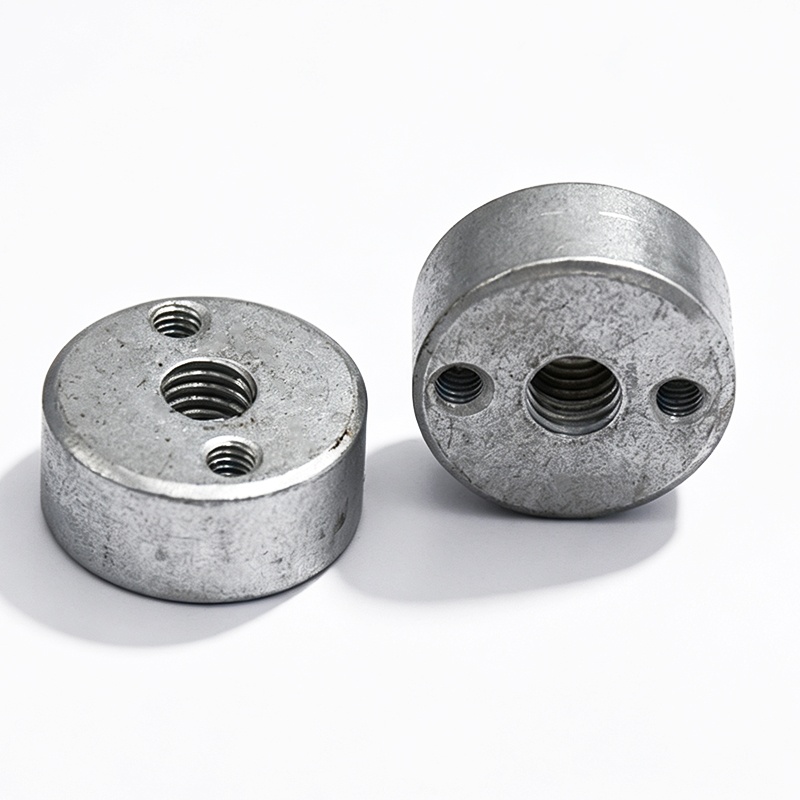 Three Hole Round Plate Nuts with Threaded Plate Fasteners for Metal and Machinery
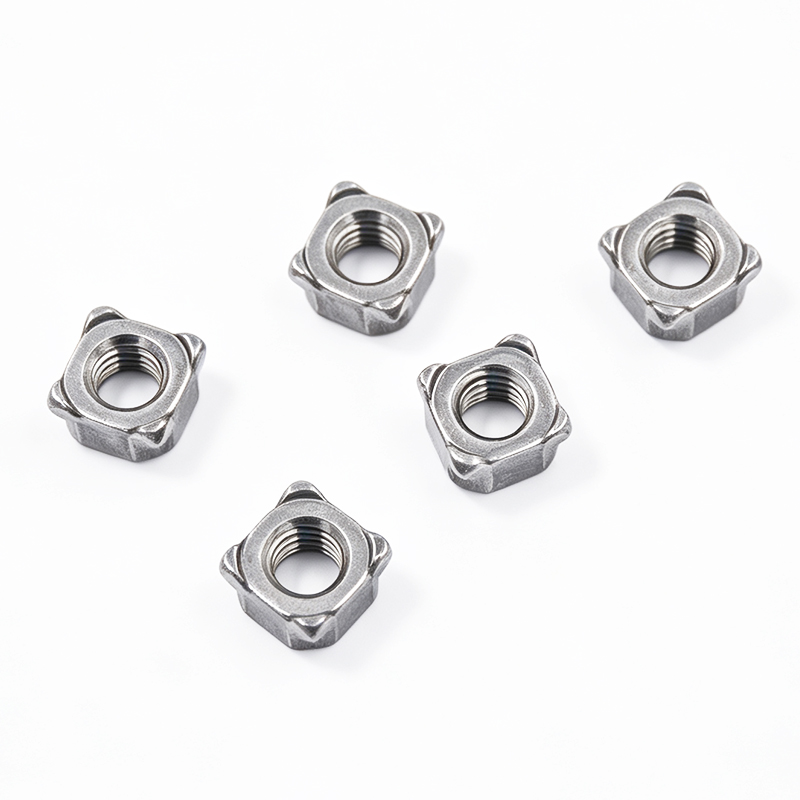 Carbon Steel Square Weld Nuts with Heavy Duty Threaded Nuts for Welding Applications
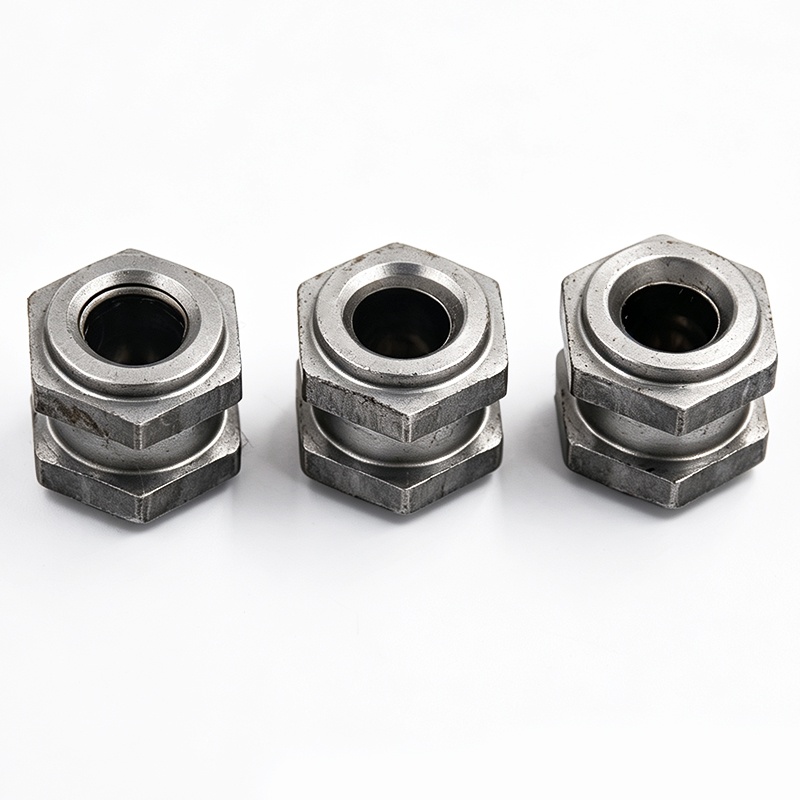 Non Standard Stainless Steel CNC Machined Special Shaped Nuts
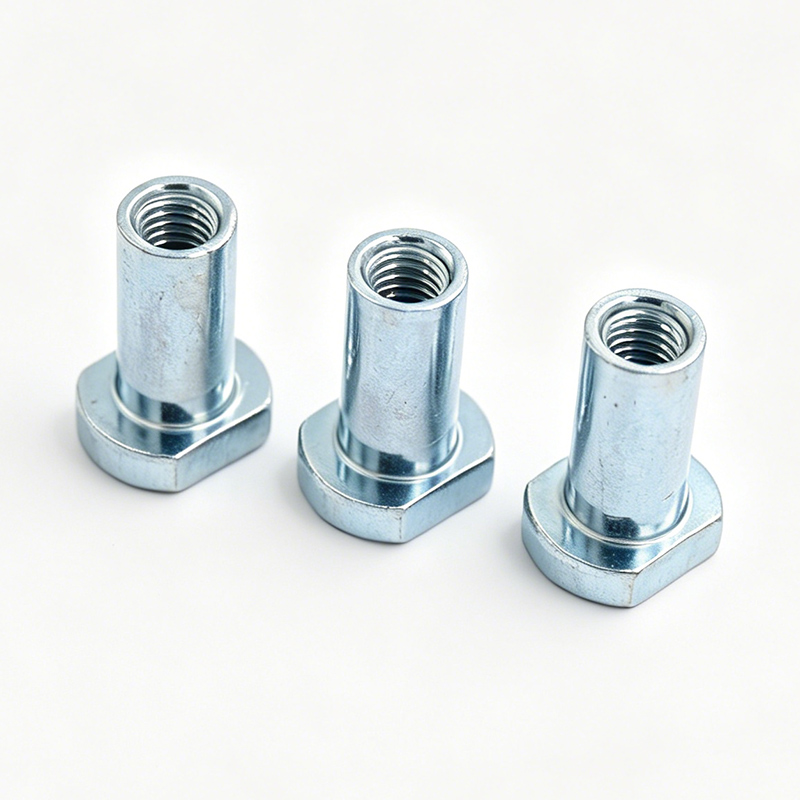 Non-Standard Special-Shaped Nuts
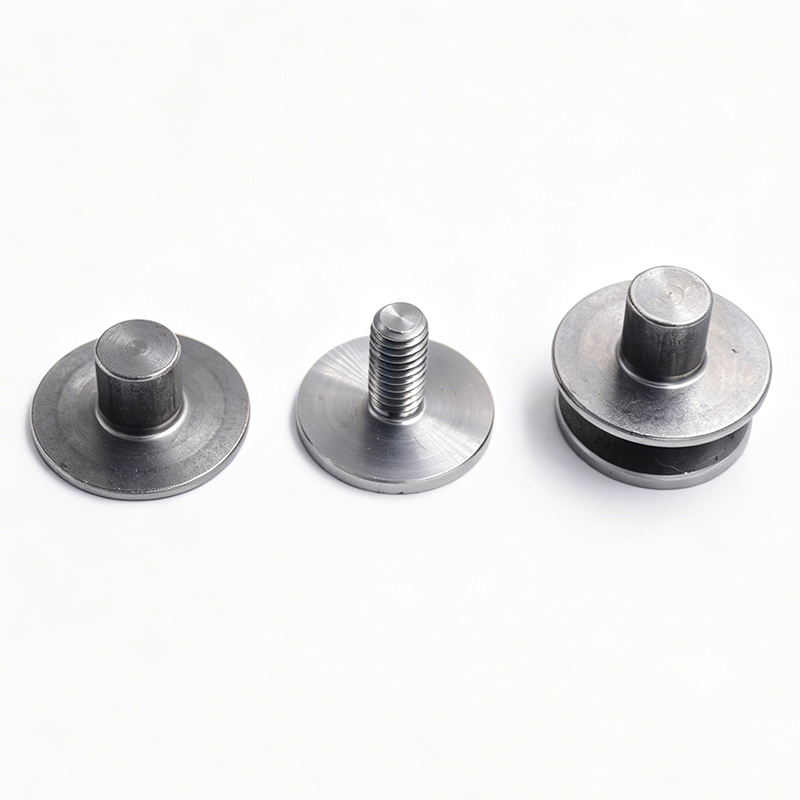 Knurled Cylindrical Or External Hexagonal Locking Screws And Nuts
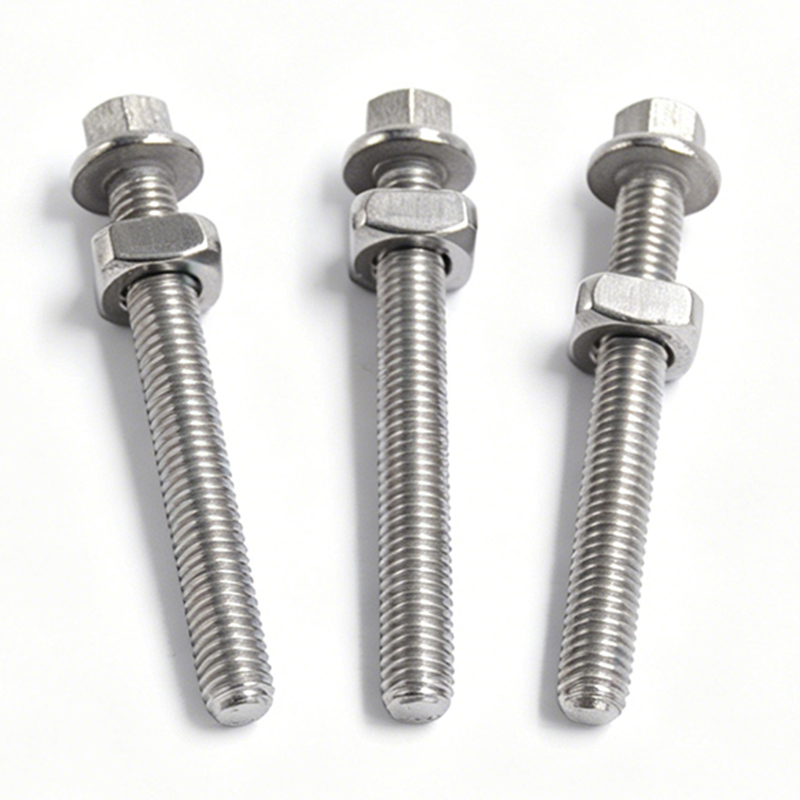 Flange Bolts With Square Nuts
Latest News
-
Cold Heading Components: High-performance Fastener Solutions from Wenzhou Riyi Standard Parts Co., Ltd
2026-09-29Cold heading processing shapes metal wire under strong pressure at room temperature without cutting raw materials. Unlike traditional CNC machining, this technology preserves the continuous metal grain flow inside cold heading parts.
-
Special-shaped Bolts and Stainless Steel Double-ended Bolts from Wenzhou Riyi Standard Parts Co., Ltd
2026-09-23In modern mechanical manufacturing, construction engineering and equipment assembly, high-quality fasteners are the invisible foundation that guarantees structural safety and product stability.
-
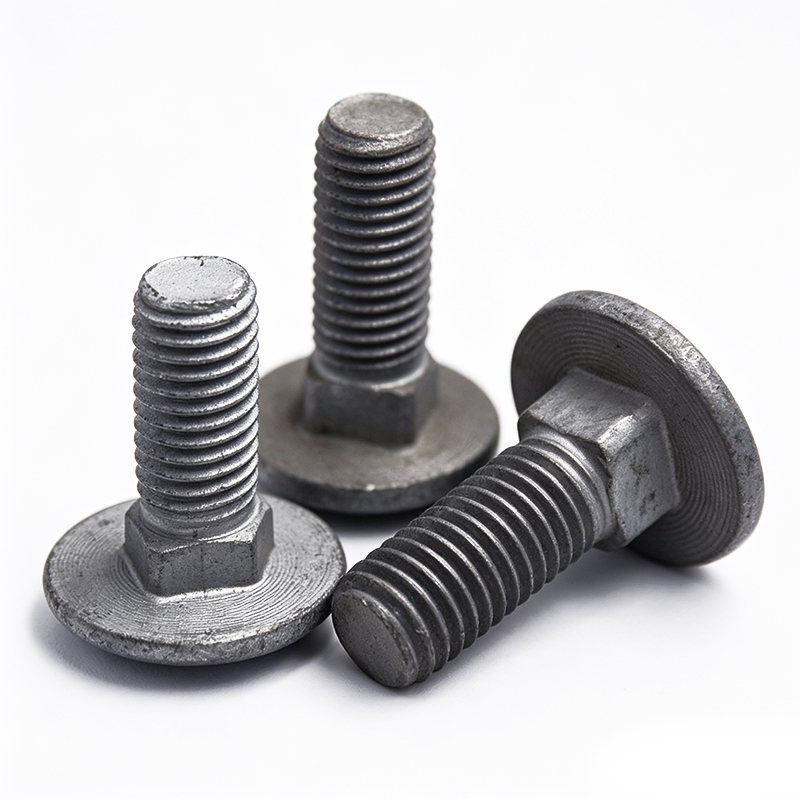
Precision Custom Fasteners from Wenzhou Riyi Standard Parts
2026-09-15Wenzhou Riyi Standard Parts is a reliable Chinese manufacturer focusing on custom non-standard fasteners, located in Wenzhou’s Binhai Economic Zone.
-
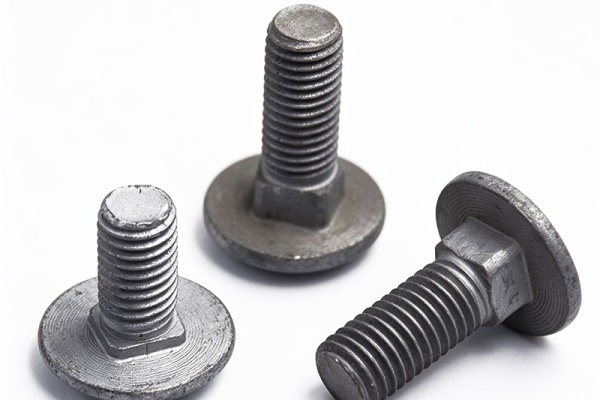
Aluminum Alloy Flange Bolts, Ball Head Studs & Dacromet Carriage Bolts – Reliable Fastener Startup Business
2026-09-08Fasteners are essential basic components widely used in machinery, automotive, engineering and equipment assembly industries.