Products


Corrosion Resistant Galvanized Special-Shaped Nuts
In industrial and equipment design, when space is limited and standard parts cannot meet the force or special functional requirements, a special solution is needed. Umbrella-shaped special-shaped nuts are the key fastener nuts for this purpose.
Send Inquiry
Product Description
Product introduction
In industrial and equipment design, when space is limited and standard parts cannot meet the force or special functional requirements, a special solution is needed. Umbrella-shaped special-shaped nuts are the key fastener nuts for this purpose. It specifically refers to a type of nut with an umbrella-shaped or mushroom-head shape and a non-cylindrical outline. It is a typical non-standard nut. Its original design is to achieve reliable connection, optimize load transfer or integrate specific functions (such as sealing, guide) in a limited space. It is widely used in fields with strict requirements on structure, weight and reliability. It is an exquisite engineering component to solve complex connection problems.
Product design and core features
Unique umbrella silhouette, core feature. The nut body usually consists of a significantly enlarged umbrella-shaped head and a (usually) threaded shank or body. This "big head" design can cover a larger contact area like an umbrella.
Optimizing load distribution, the enlarged head contact surface can effectively disperse the tightening pressure and reduce the pressure per unit area of the connected parts (especially softer or precision materials), thereby preventing surface crushing, deformation or stress concentration, and improving the integrity and fatigue life of the connection.
Integrated multi-functional structure, as a highly functional special-shaped nut, its design often integrates multiple features. For example, the upper part may be designed with guide positioning steps to facilitate quick and accurate positioning during welding or assembly; the lower edge or side of the head may be processed into a smooth conical transition surface to improve force flow transmission and further relieve root stress. Some variants (such as umbrella-type sealing nuts) integrate the sealing gasket function with the nut body to achieve fastening and sealing in one step.
Adaptable to non-standard spaces, its shape can be customized according to the special shape of the installation cavity, perfectly matching non-standard installation spaces, which cannot be achieved with ordinary hexagonal nuts.
Materials, specifications and application areas
Carbon steel: The most commonly used economical choice, it can reach different strength levels (such as 8.8, 10.9, 12.9) through heat treatment, and the surface is treated with galvanizing, Dacromet, etc. to enhance anti-corrosion.
Stainless steel: Mainly 304 and 316 series, which provide excellent corrosion resistance and are suitable for chemical, marine or food and medical environments.
Aluminum alloy, copper alloy: used in specific occasions where electrical conductivity, thermal conductivity or further lightweighting is required.
As a highly targeted non-standard nut, its application focuses on areas with special needs:
Automobile industry: This is one of its classic application scenarios. In automotive body structures, chassis or interiors, they are used to provide reliable connections and optimize force transmission at welding points with complex structures and limited space. The titanium alloy umbrella head fasteners used on high-performance vehicles are the key lightweight auto parts nuts.
High-end equipment and precision instruments: In the fields of semiconductor equipment, medical instruments, optical platforms and other fields, its non-magnetic (titanium alloy or stainless steel), anti-scratch (large contact surface) and precise guidance characteristics are crucial.
General machinery and electrical appliances: used in situations that require built-in sealing (such as water pump motors), special anti-loosening or integrated appearance. In the electrical appliances, toys, furniture and other industries, it is also used as a special structural fastener nut.
Quality control and certification system
Quality control is based on international standards for universal fastener nuts, and strengthens testing based on their "special-shaped" characteristics:
Dimensional and geometric accuracy: Use a three-dimensional coordinate measuring machine (CMM) to conduct micron-level inspection of key shape and position tolerances such as non-standard umbrella profiles, guide steps, and conical transition surfaces. Thread parameters require a comprehensive thread measuring instrument to ensure accuracy.
Mechanical performance test: The core is the guaranteed load test (for example, according to ISO 898-2). The nut is screwed on the test mandrel to apply axial force to verify its thread strength and load-bearing surface performance. Hardness testing (on the load-bearing surface or cross-section) and hole expansion testing are also required to check whether the material has been properly heat treated and whether there are internal defects.
Material and Integrity Verification: Ensure the material composition is correct through spectral analysis. Use non-destructive testing methods such as magnetic particle testing or penetrant testing to check whether there are microcracks in stress concentration areas (such as transitional roots).
Surface treatment quality: detect plating/coating thickness, uniformity and bonding strength to ensure anti-corrosion performance.
Product standards: Although it is a non-standard nut, its material, thread and mechanical performance testing must comply with international standards such as ISO 898-2 (carbon steel and alloy steel nuts), ISO 3506-2 (stainless steel nuts), ASTM F606-2 and so on.
Management system certification: Professional manufacturers should establish a quality system covering the entire process of design, production, and testing. One of the highest levels of certification is ISO 16426, a quality assurance system standard specific to the fastener industry that aims to achieve the goal of "near zero defects" through scientific management. At the same time, ISO 9001 is the foundation, and suppliers serving the automotive industry must have IATF 16949 certification.
Customized services
The essence of umbrella-shaped special-shaped nuts is customized products. Professional fastener manufacturers (such as Bohao Standard Parts, Shishitong Metal, etc.) can provide a full range of engineering customization services.
Collaborative design and engineering support, conduct reverse design or new design based on the customer's installation space, load conditions, and functional requirements (such as whether sealing or guidance is required), provide drawings and conduct finite element analysis (FEA) verification.
Materials and processes are customized, and various materials from carbon steel to titanium alloys can be used, and special heat treatment processes and surface treatments (such as corrosion-resistant coatings, Dacromet, and anodizing coloring) can be specified.
Full size and function customization, customizing any specifications of threads (metric, inch, non-standard pitch), umbrella head diameter and thickness, transition surface radian, guide size, etc., truly realizing "processing according to drawings".
Prototype production and testing, providing rapid prototypes (through CNC processing), and conducting dimensional, mechanical properties and functional tests (such as sealing verification) to ensure that the design solution is feasible and reliable.
FAQ
Q: What is the difference between an umbrella-type special-shaped nut and a thickened washer with an ordinary nut?
A: The essential difference lies in integrated design and performance optimization. The head and body (rod) of the umbrella nut are usually formed in one piece (such as cold heading or machining), and the structural rigidity and concentricity are much better than the "nut + washer" combination. Its smooth force transmission path (such as a conical transition surface) can more effectively disperse stress, while the assembly is prone to stress concentration at the edge of the gasket.
Q: Why are the prices of umbrella-type special-shaped nuts usually higher?
A: The high cost is due to many factors: 1) Non-standard design: molds, cutting tools and inspection fixtures need to be developed separately; 2) Complex process: Its umbrella shape may require a combination of multiple processes such as cold heading, red forging, precision turning; 3) Strict quality control: more and more complex inspection items are involved (such as three-coordinate inspection, non-destructive testing); 4) Material cost: If high-end materials such as titanium alloy are used, the cost will increase significantly.
Q: Can I customize umbrella-shaped special-shaped nuts? What is the customization process?
A: Of course. Customization is the core service of this type of special-shaped nuts. The standard process usually looks like this:
Requirement communication: Detailed description of application scenarios, space dimensions, load requirements, environmental conditions and special functions to suppliers.
Design and quotation: Supplier engineers design according to needs and provide 2D/3D drawings, material and process plans and quotations.
Confirmation and proofing: After the customer confirms the drawing plan, the supplier carries out prototype production (usually CNC processing) and provides samples for testing and verification.
Sample testing and approval: The customer tests the performance of the sample and issues a "Sample Approval Letter" after confirming it is qualified.
Mass production and delivery: The supplier opens molds or prepares tooling, conducts mass production, and delivers as agreed.
Send Inquiry
Related Products
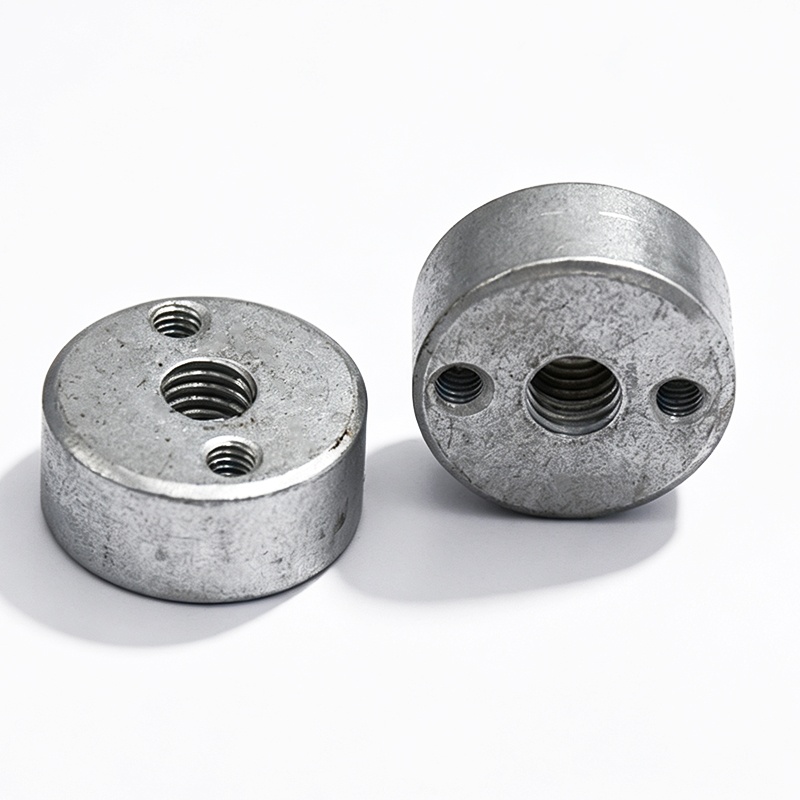 Three Hole Round Plate Nuts with Threaded Plate Fasteners for Metal and Machinery
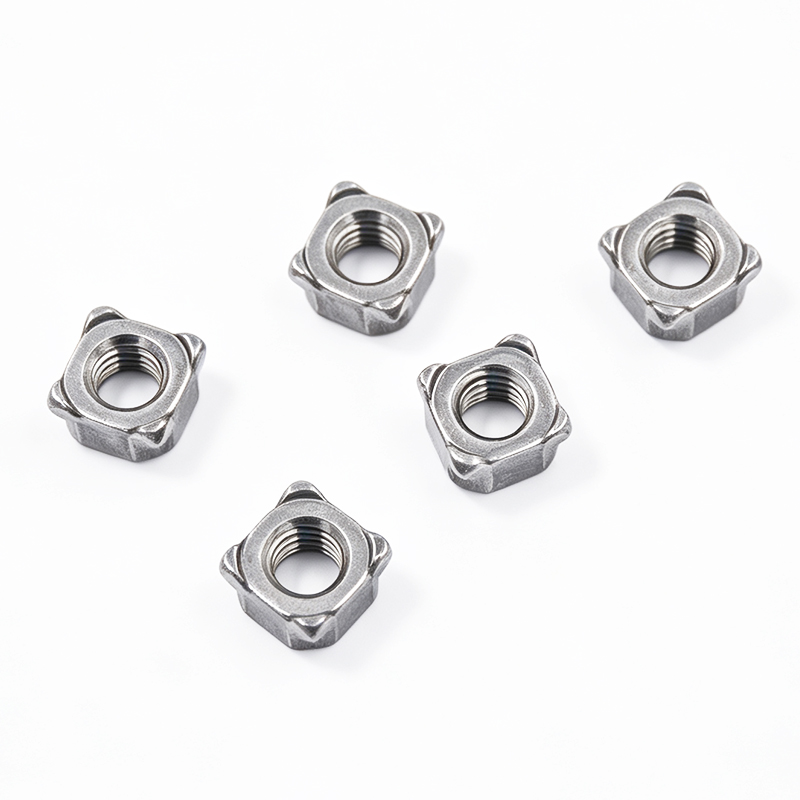 Carbon Steel Square Weld Nuts with Heavy Duty Threaded Nuts for Welding Applications
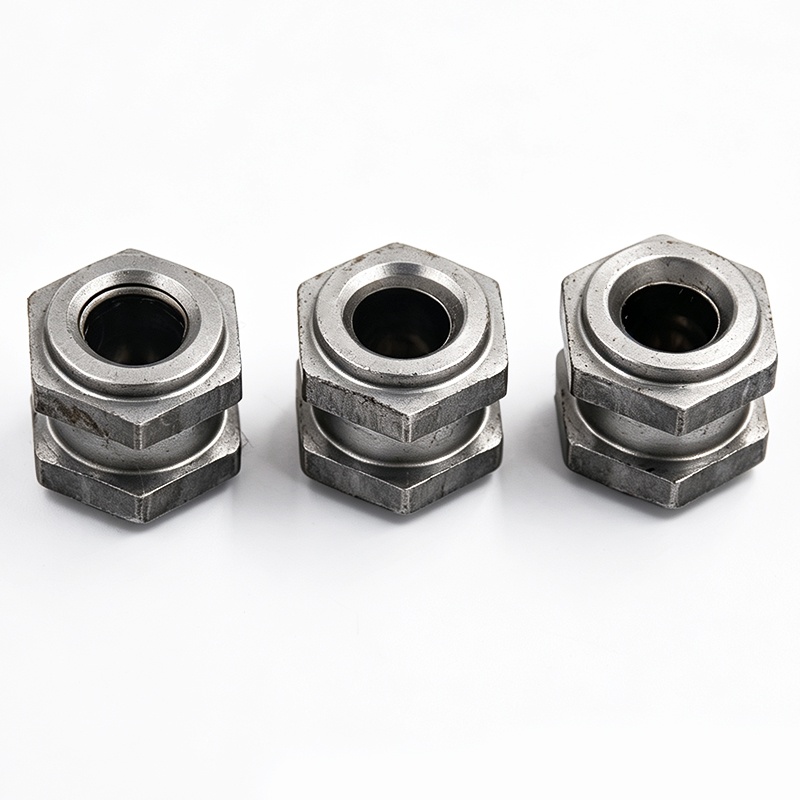 Non Standard Stainless Steel CNC Machined Special Shaped Nuts
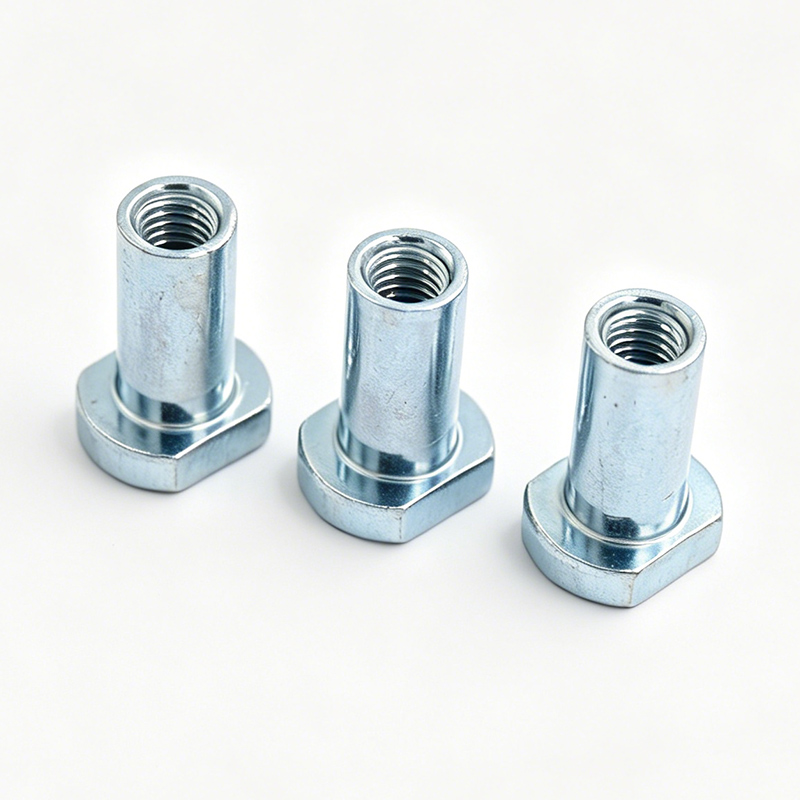 Non-Standard Special-Shaped Nuts
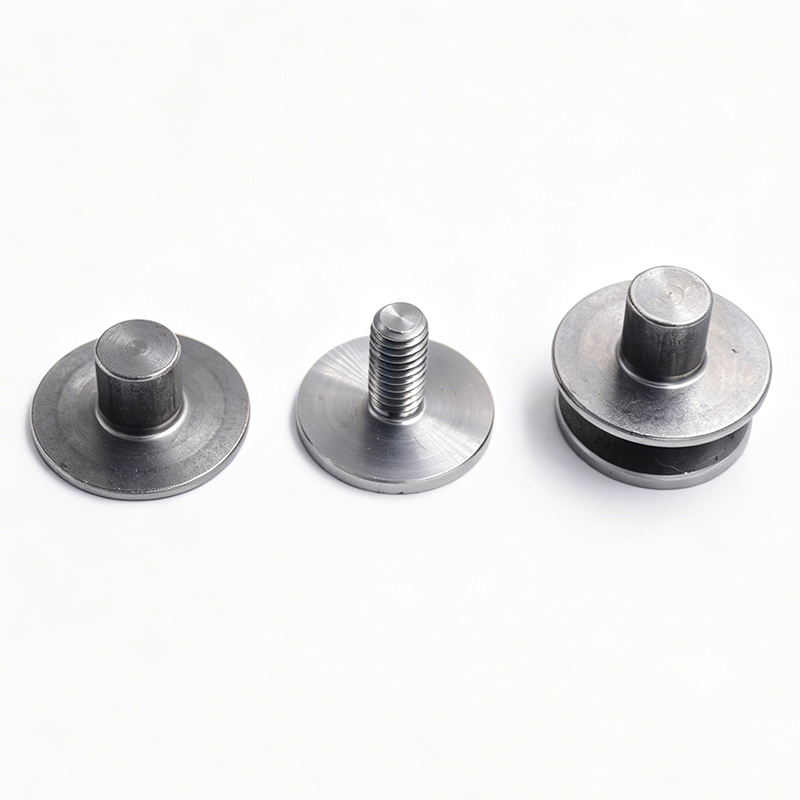 Knurled Cylindrical Or External Hexagonal Locking Screws And Nuts
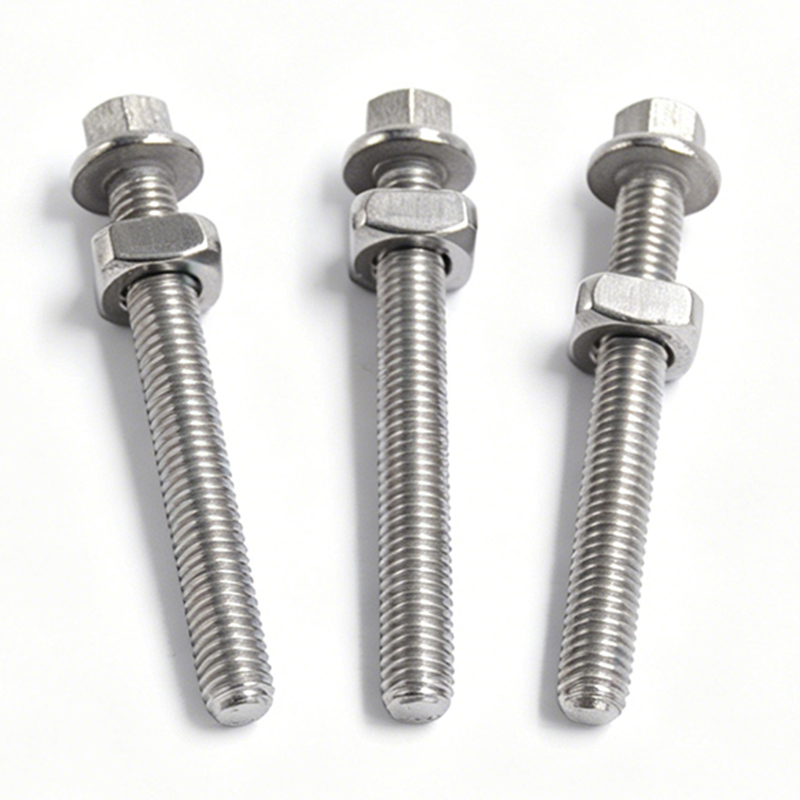 Flange Bolts With Square Nuts
Latest News
-
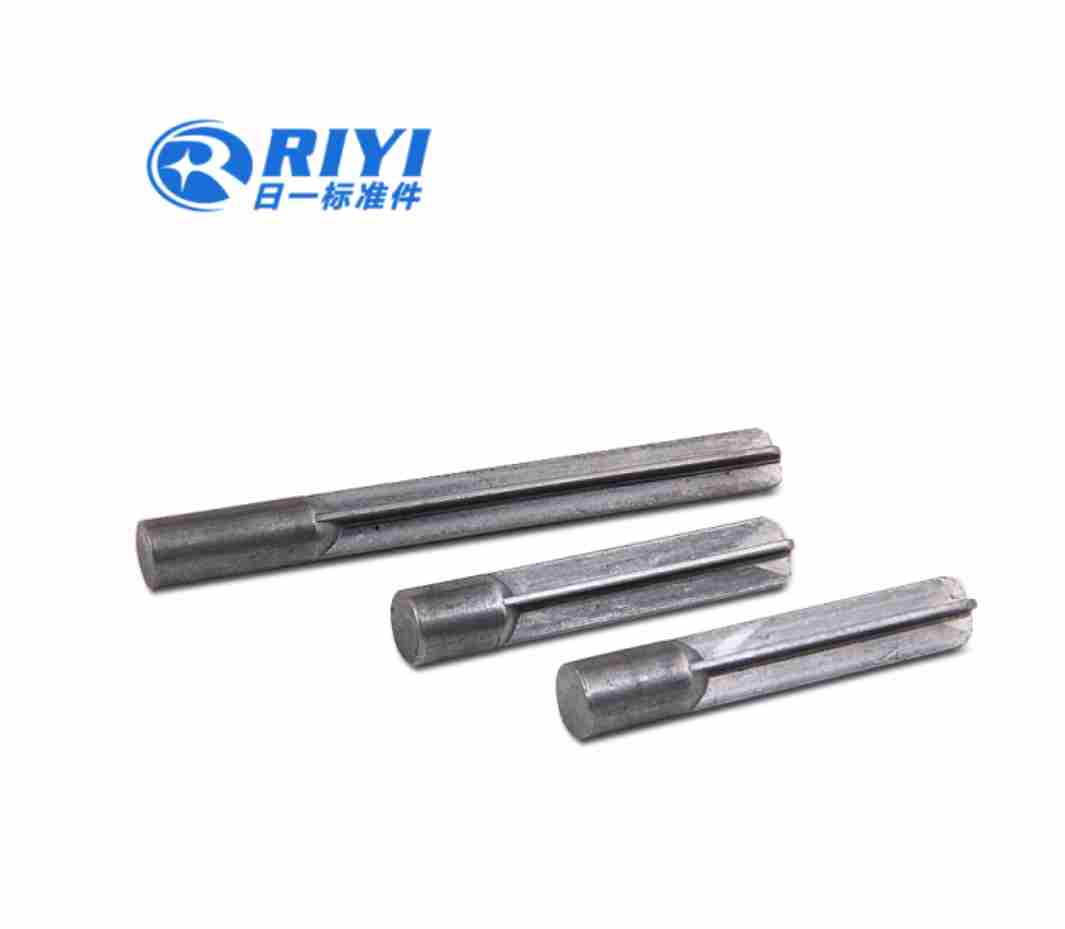
Cold Heading Components: High-performance Fastener Solutions from Wenzhou Riyi Standard Parts Co., Ltd
2026-09-29Cold heading processing shapes metal wire under strong pressure at room temperature without cutting raw materials. Unlike traditional CNC machining, this technology preserves the continuous metal grain flow inside cold heading parts.
-
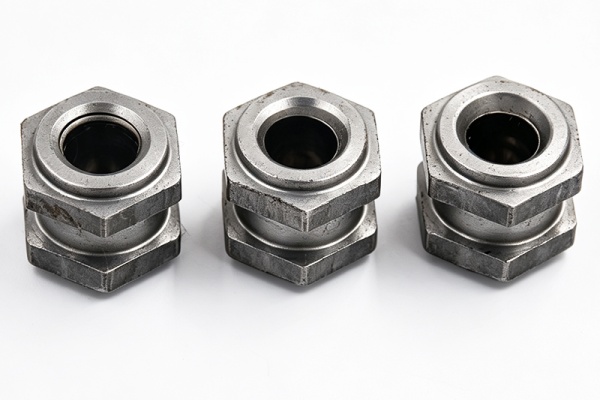
Special-shaped Bolts and Stainless Steel Double-ended Bolts from Wenzhou Riyi Standard Parts Co., Ltd
2026-09-23In modern mechanical manufacturing, construction engineering and equipment assembly, high-quality fasteners are the invisible foundation that guarantees structural safety and product stability.
-
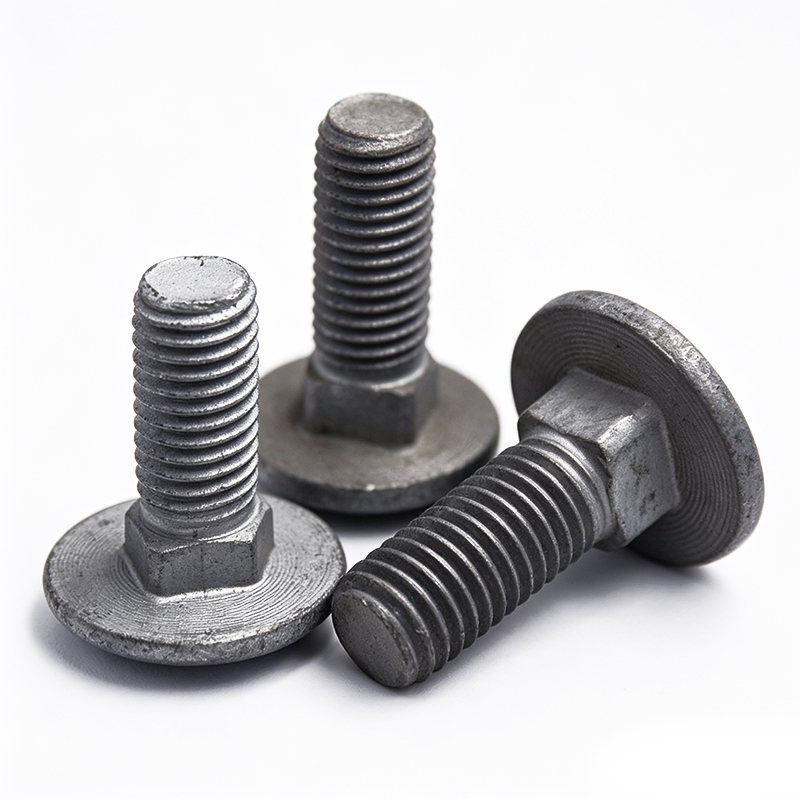
Precision Custom Fasteners from Wenzhou Riyi Standard Parts
2026-09-15Wenzhou Riyi Standard Parts is a reliable Chinese manufacturer focusing on custom non-standard fasteners, located in Wenzhou’s Binhai Economic Zone.
-
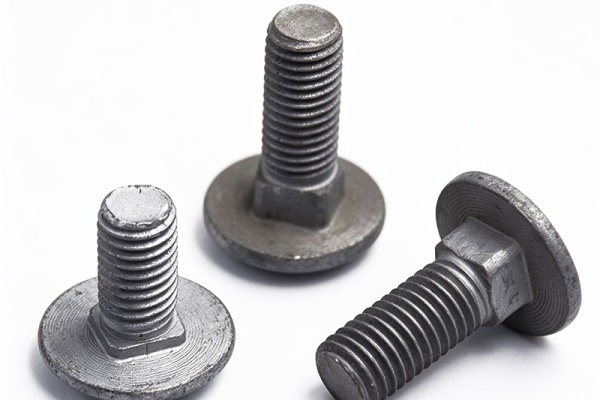
Aluminum Alloy Flange Bolts, Ball Head Studs & Dacromet Carriage Bolts – Reliable Fastener Startup Business
2026-09-08Fasteners are essential basic components widely used in machinery, automotive, engineering and equipment assembly industries.