Recommendation of Three High-Quality Fasteners
Fasteners are the cornerstone of modern manufacturing and construction, ensuring structural stability and long-term reliability. This article focuses on three essential types: Aluminum alloy fastener, Stainless steel hex socket screws fasteners, and Stainless steel hex bolts fasteners, each tailored to specific application needs with unique performance advantages.
Aluminum alloy fastener stands out for its lightweight and corrosion-resistant properties, making it ideal for scenarios where weight reduction and rust prevention are critical. Its excellent thermal conductivity also suits applications in electronic equipment and automotive parts. Unlike heavier metal fasteners, it reduces overall product weight without compromising structural strength, and its compatibility with aluminum components prevents galvanic corrosion, extending the service life of assembled products. It is widely used in aerospace, home appliances, and light industrial equipment.


Stainless steel hex socket screws fasteners are favored for their concealed installation and high torque-bearing capacity. The hex socket design allows for flush mounting, enhancing the aesthetic appeal of finished products while avoiding protrusions that may cause damage. Made of high-grade stainless steel, they offer superior resistance to moisture, chemicals, and high temperatures, suitable for both indoor and outdoor use. Common applications include machinery, furniture, and precision instruments, where precise fastening and a neat appearance are required.
Stainless steel hex bolts fasteners are versatile and durable, designed for heavy-duty fastening tasks. Their hexagonal head provides a secure grip for wrenches, enabling easy installation and disassembly even under high pressure. Crafted from corrosion-resistant stainless steel, they maintain stability in harsh environments such as marine, construction, and chemical industries. Available in various sizes and specifications, they can be paired with nuts for adjustable and reusable fastening, making them a staple in infrastructure, industrial machinery, and large-scale equipment.
All three fasteners adhere to strict quality standards, ensuring consistent performance and reliability. Choosing the right type based on application requirements is key to optimizing structural integrity and extending product service life.
Latest News
-
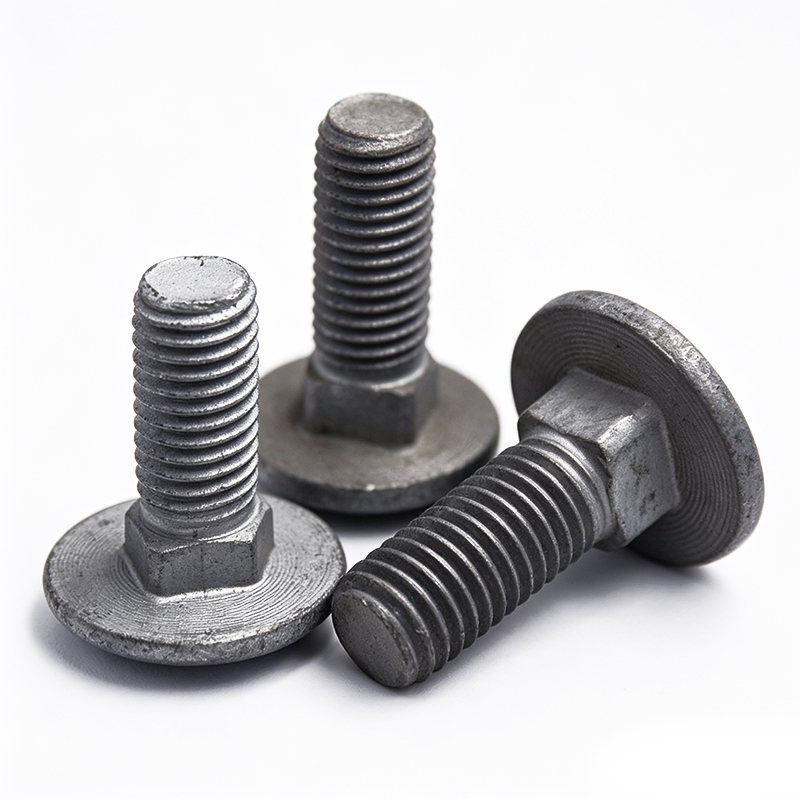
Precision Custom Fasteners from Wenzhou Riyi Standard Parts
2026-09-15Wenzhou Riyi Standard Parts is a reliable Chinese manufacturer focusing on custom non-standard fasteners, located in Wenzhou’s Binhai Economic Zone.
-
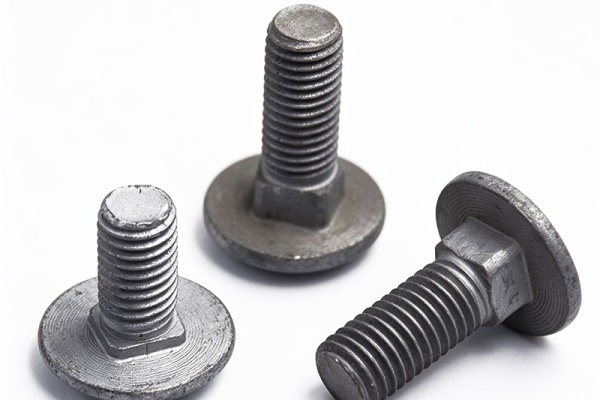
Aluminum Alloy Flange Bolts, Ball Head Studs & Dacromet Carriage Bolts – Reliable Fastener Startup Business
2026-09-08Fasteners are essential basic components widely used in machinery, automotive, engineering and equipment assembly industries.
-
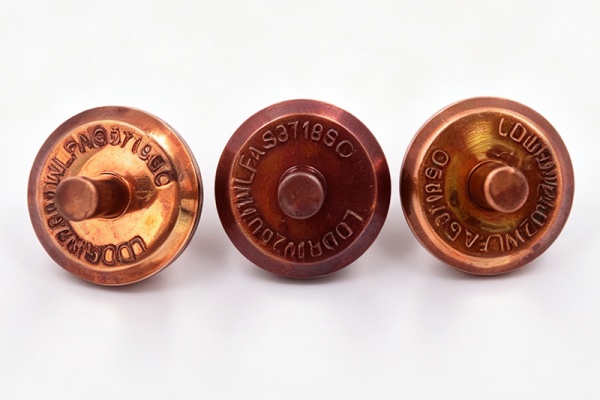
The Key Role of Precision Hardware Parts in Modern Mechanical Assembly
2026-09-04In the fast-developing field of modern mechanical manufacturing and equipment assembly, tiny hardware accessories are often the core factors that determine the stability, durability and safety of the entire device.
-
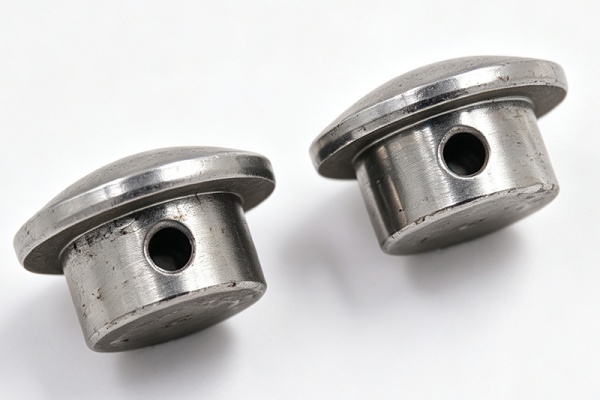
Two Practical Hardware Parts in Mechanical Assembly
2026-08-25Machine manufacturing and equipment assembly all rely on standard hardware parts. They make industrial equipment more stable and better positioned.