Products


Corrosion-Resistant Carbon Steel Zinc-Plated Nuts
Galvanized nuts generally refer to fastener nuts that are covered with a protective layer of zinc and zinc alloy on the surface of steel or other metal substrates through electroplating, hot-dip plating and other processes.
Send Inquiry
Product Description
Product introduction
Galvanized nuts generally refer to fastener nuts that are covered with a protective layer of zinc and zinc alloy on the surface of steel or other metal substrates through electroplating, hot-dip plating and other processes. The core function of the galvanized layer is to provide sacrificial anode protection (even if the zinc layer is damaged, the zinc will corrode preferentially to protect the inner steel matrix) and physical isolation, making it one of the most widely used and cost-effective anti-corrosion fastener nuts. It covers various types such as hexagonal, flange, butterfly, etc., and can handle everything from standard parts to non-standard nuts and special-shaped nuts. It is the basic line of defense for connectors to resist erosion from the atmosphere and humid environment.
Product design and core features
Anti-corrosion core: Zinc coating provides cost-effective anti-corrosion protection. The anti-corrosion life and appearance vary depending on the process. For example, blue and white zinc coating has beautiful appearance and certain anti-corrosion properties.
Adaptable to different nut structures, the galvanizing process can be widely used on standard hexagonal nuts, winged special-shaped nuts (such as wing nuts), and various non-standard nuts. For nuts with special structures, such as those that require panel mounting, galvanizing can also meet their anti-corrosion requirements.
Thread process considerations are key to design and production. The zinc layer of hot-dip galvanizing is thick (usually 40-70 microns) and can easily block threads. Therefore, a pre-compensation design of "plating first and then tapping" (galvanizing first and then processing the threads) or "expanding" the threads must be adopted to ensure that the thread gauge can pass smoothly. Electro-galvanizing (bright zinc/blue and white zinc) basically does not affect the thread accuracy.
The strength matches the base material. Galvanizing is a surface treatment. The mechanical properties of the nut (such as strength level 8, strength level 6) are mainly determined by the base material (such as carbon steel) and heat treatment. The galvanizing process, especially the high-temperature process of hot-dip galvanizing, must undergo strict "re-tempering tests" to ensure that the strength of the substrate is not reduced.
Materials, specifications and application areas
The base material is mainly carbon steel, which is the most economical choice. Also suitable for additional corrosion protection or appearance treatment of materials such as stainless steel, which determines the mechanical properties (strength grade) of the nut.
Galvanizing process, electro-galvanizing (such as bright zinc BZP): thin zinc layer (usually 5-15 microns), bright appearance, high precision, low cost, suitable for most general scenarios
General industry and construction: The basic connections of mechanical equipment, steel structure workshops, and bridge components are the largest consumption areas of fastener nuts.
Automotive industry: Used as auto parts nuts in car bodies, interiors, non-critical chassis accessories and other parts to provide cost-controllable anti-corrosion capabilities. But for high-temperature, high-vibration or safety-critical parts of the engine compartment, higher-performance coatings or materials are often required.
Infrastructure and energy: necessary for long-term anti-corrosion of outdoor facilities such as power grid facilities, communication base stations, wind power and photovoltaic brackets.
Routine maintenance and DIY: Because of its easy availability, easy installation and good rust resistance, it has become a common part for maintenance and DIY projects.
Quality control and certification system
Coating performance, coating thickness (magnetic method): ensure that anti-corrosion requirements are met (such as the national standard for hot-dip galvanizing, which requires 40-70 μm).
Salt spray test: accelerate the simulation of corrosive environment and evaluate the corrosion resistance (for example, blue and white zinc requires no red rust for 24 hours).
Coating adhesion: Test whether the bond between the zinc layer and the substrate is strong to prevent peeling. Hydrogen embrittlement test (for electroplated zinc): Check whether the pickling and electroplating process causes hydrogen embrittlement and fracture of the base material.
Threads and assembly, thread passage and stop gauge inspection: Hot-dip galvanized nuts must be inspected using a gauge manufactured according to the standard after reaming, which is the core guarantee for assembly. Torque coefficient/anti-loosening performance: Evaluates reliability in vibration environments.
Base mechanical properties, tensile strength/guaranteed load: verify the strength of the nut body. Hardness test: detect material strength and heat treatment effect. Retempering test (for hot-dip galvanizing): Verify that the high-temperature galvanizing process does not reduce the strength of the substrate.
Standards and certifications followed
Product standards: Common ones include German standard DIN 934, national standard GB/T 6170, international standard ISO 4032, etc. These standards stipulate the size and mechanical properties of nuts. For coatings, there are standards such as GB/T 5267.
Industry-specific requirements: For example, the aerospace field has special process and performance standards (such as QJ 452) for roll galvanizing nuts, which require uniform coating and good bonding force. The automotive industry may require suppliers to be certified to IATF 16949 quality management systems.
Customized services
Material and strength customization, size and structure customization, coating process and appearance customization, packaging and logo customization, small batch trial production and proofing.
Selection and purchasing advice
Clarify the environment and life requirements: Based on the use environment (indoor/outdoor/coastal) and the expected anti-corrosion life, the first step is to determine whether to choose electro-galvanizing or hot-dip galvanizing.
Confirm thread accuracy: For hot-dip galvanized nuts, the thread accuracy requirements and testing methods must be specified in the procurement technical agreement to ensure assemblyability.
Select compliant suppliers: Give priority to compliant suppliers that can provide material reports, salt spray test reports and thread inspection reports. For critical applications, check whether they have relevant quality management system certifications.
FAQ
Q: How should I choose between electro-galvanized (bright zinc/blue and white zinc) and hot-dip galvanized nuts?
A: The selection is mainly based on the use environment and anti-corrosion life requirements:
Electro-galvanized (BZP/blue-white zinc): suitable for indoor, general outdoor or mildly humid environments. The advantages are good appearance, high dimensional accuracy, and economical price. It is a common choice for auto parts nuts (non-critical parts), electrical appliances, and general machinery.
Hot-dip galvanizing: suitable for long-term exposure to heavy corrosive environments such as outdoors, coastal areas, and industrial pollution. The zinc layer is thick and has a long anti-corrosion life (up to decades), but the surface is relatively rough, the dimensional accuracy requires special control, and the cost is higher. Commonly used in power towers, highway guardrails, etc.
Q: What base material can be chosen for customized galvanized nuts? How to ensure the strength?
A: The base material and heat treatment together determine the strength of the nut:
Commonly used base materials: mainly carbon steel (such as SWRCH series cold heading steel), which is the most economical choice. The stainless steel base can also be customized for galvanizing (for special conductivity or appearance requirements).
Strength guarantee: The strength level (such as level 8, level 10) mainly depends on the base material and heat treatment process. Strength requirements must be specified when customizing. For hot-dip galvanized nuts, attention must be paid to the re-tempering test report to ensure that the high-temperature galvanizing process does not reduce the strength of the matrix.
Q: What kind of galvanized nuts can I customize? What is the process?
A: The scope of customization is very wide, covering a variety of fastener nut types:
Size customization: non-standard thread specifications (special diameter/pitch), lengthened or shortened nut height, special flat dimensions.
Structural customization: various types of special-shaped nuts (such as wing nuts, flange nuts, cap nuts), special non-standard nuts with holes or slots, and automotive accessories nuts that meet specific assembly requirements.
Performance customization: higher strength levels (such as 10.9, 12.9), specific coating types and thicknesses (such as colored zinc, black zinc, thick galvanizing).
Typical customization process: demand communication → solution design and quotation → drawing/sample confirmation → mold/process preparation → sample trial production and testing → mass production → quality inspection delivery
Send Inquiry
Related Products
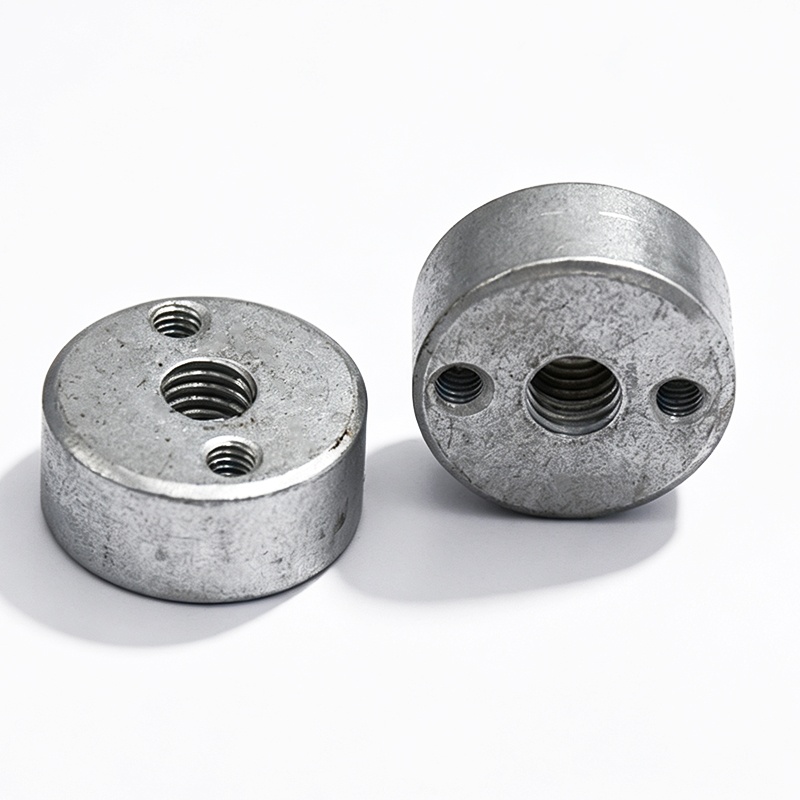 Three Hole Round Plate Nuts with Threaded Plate Fasteners for Metal and Machinery
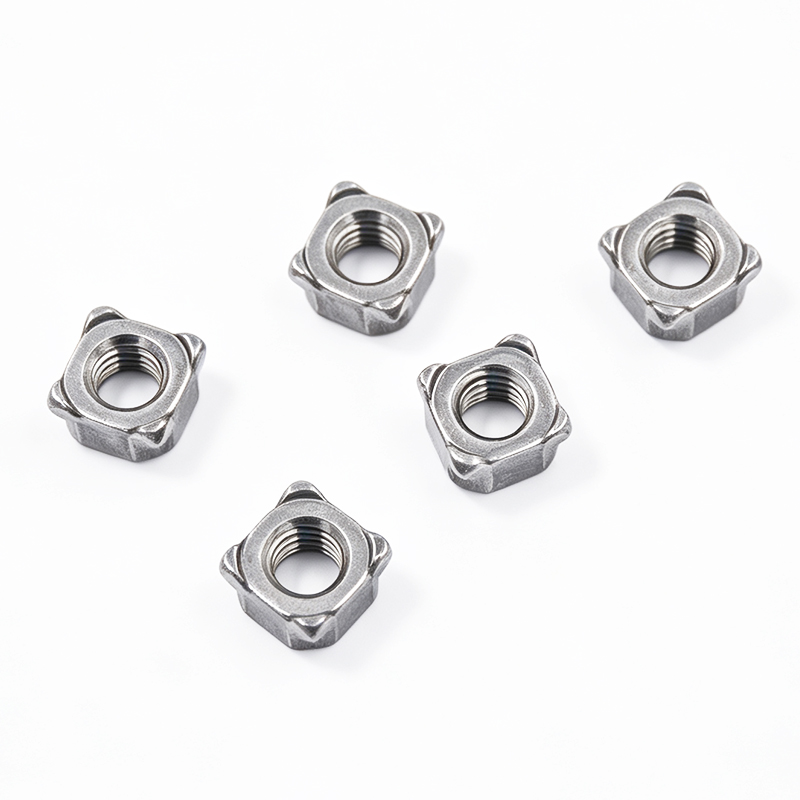 Carbon Steel Square Weld Nuts with Heavy Duty Threaded Nuts for Welding Applications
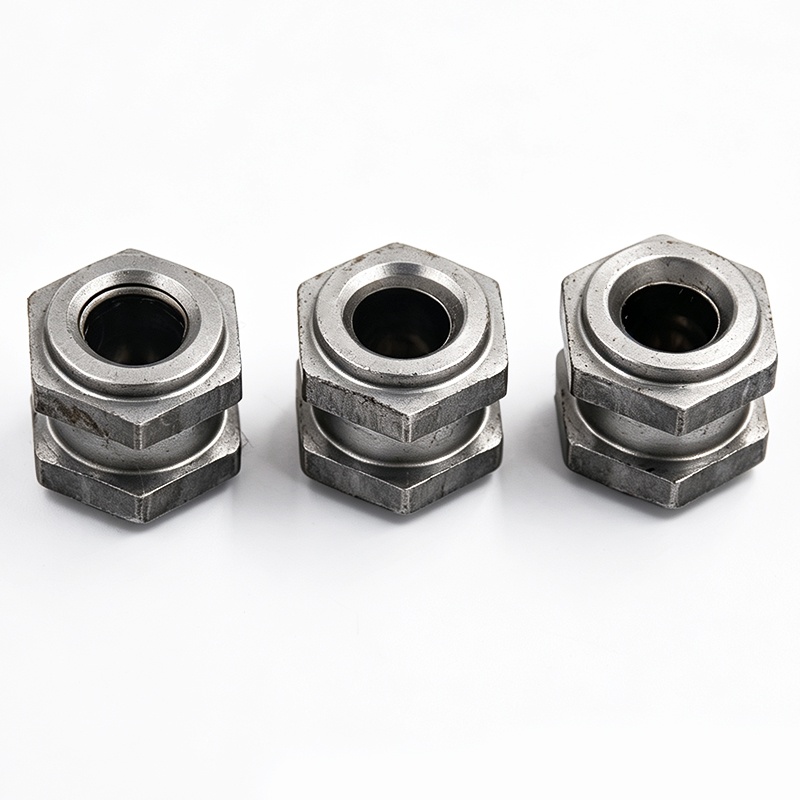 Non Standard Stainless Steel CNC Machined Special Shaped Nuts
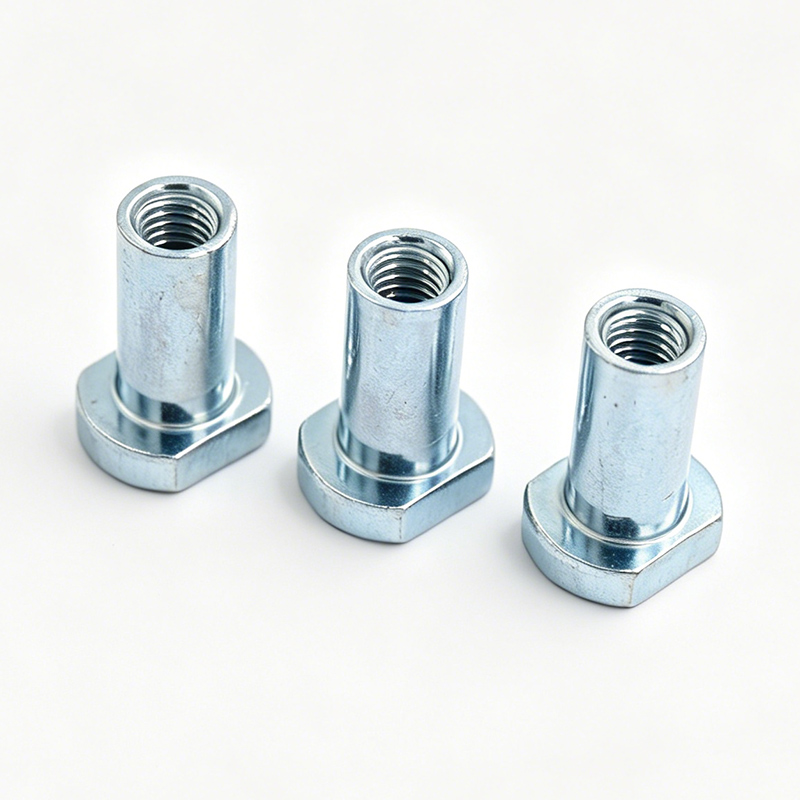 Non-Standard Special-Shaped Nuts
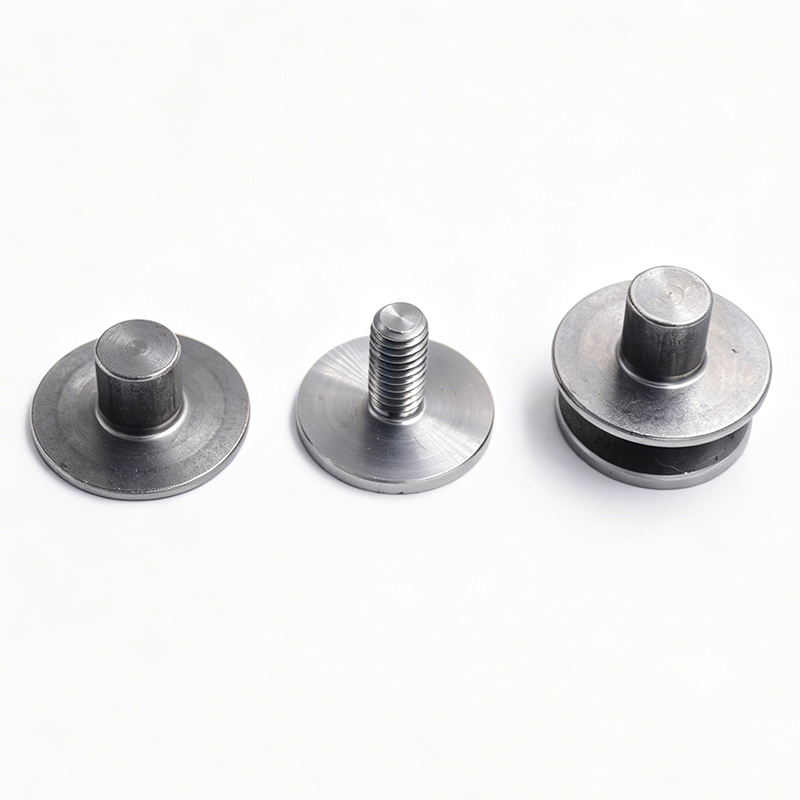 Knurled Cylindrical Or External Hexagonal Locking Screws And Nuts
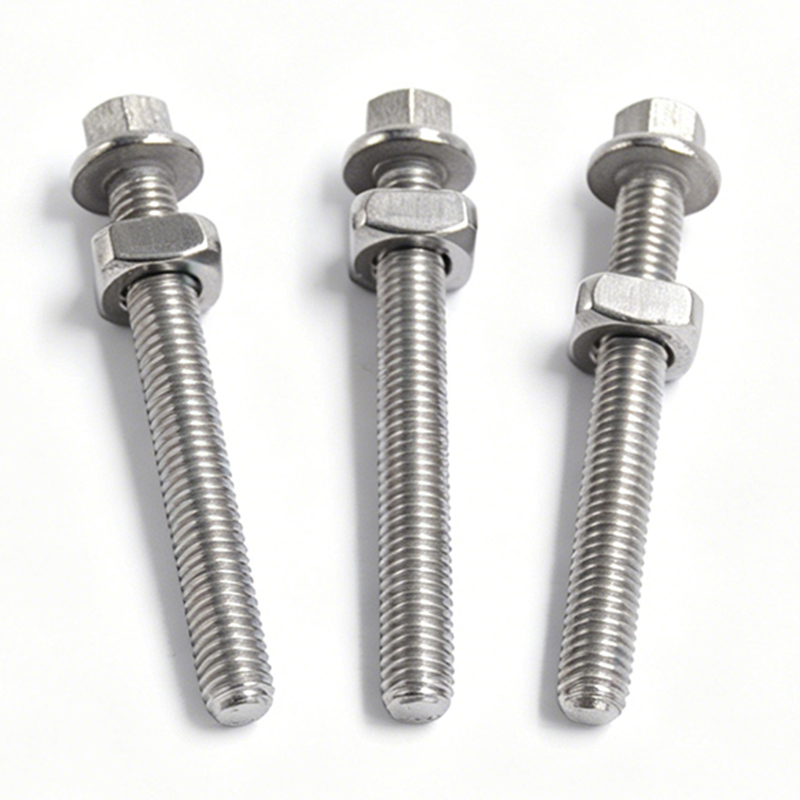 Flange Bolts With Square Nuts
Latest News
-
Cold Heading Components: High-performance Fastener Solutions from Wenzhou Riyi Standard Parts Co., Ltd
2026-09-29Cold heading processing shapes metal wire under strong pressure at room temperature without cutting raw materials. Unlike traditional CNC machining, this technology preserves the continuous metal grain flow inside cold heading parts.
-
Special-shaped Bolts and Stainless Steel Double-ended Bolts from Wenzhou Riyi Standard Parts Co., Ltd
2026-09-23In modern mechanical manufacturing, construction engineering and equipment assembly, high-quality fasteners are the invisible foundation that guarantees structural safety and product stability.
-
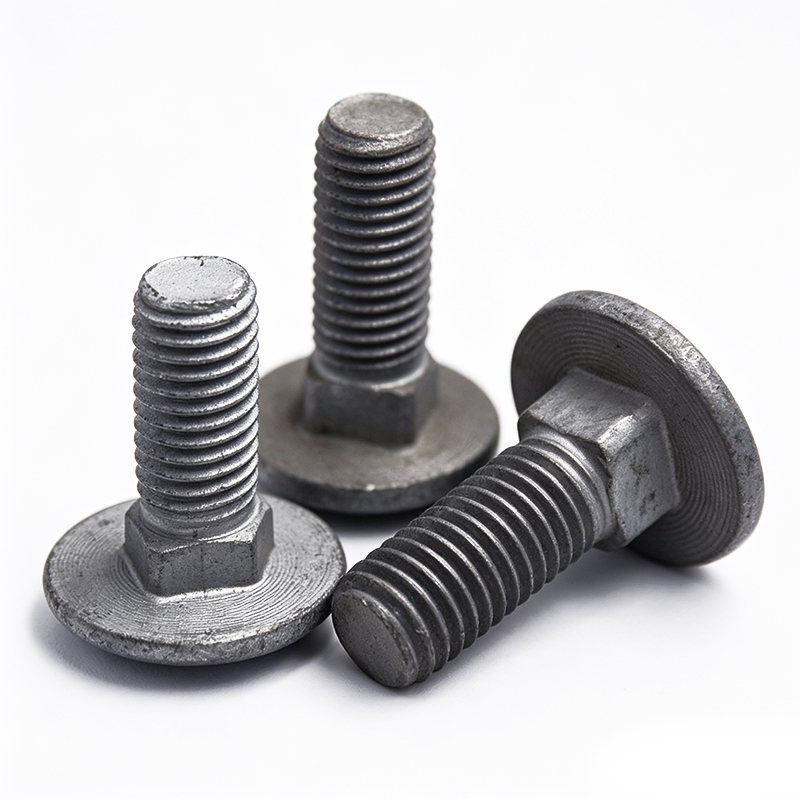
Precision Custom Fasteners from Wenzhou Riyi Standard Parts
2026-09-15Wenzhou Riyi Standard Parts is a reliable Chinese manufacturer focusing on custom non-standard fasteners, located in Wenzhou’s Binhai Economic Zone.
-
Aluminum Alloy Flange Bolts, Ball Head Studs & Dacromet Carriage Bolts – Reliable Fastener Startup Business
2026-09-08Fasteners are essential basic components widely used in machinery, automotive, engineering and equipment assembly industries.