Products


Carbon Steel Butterfly Nut
The carbon steel wing nut is a specially designed manual fastener. Its core feature is that butterfly wing-like wings extend symmetrically from both sides of the nut body. This unique design allows for quick tightening and loosening operations without any tools, just your fingers.
Send Inquiry
Product Description
Product introduction
The carbon steel wing nut is a specially designed manual fastener. Its core feature is that butterfly wing-like wings extend symmetrically from both sides of the nut body. This unique design allows for quick tightening and loosening operations without any tools, just your fingers. The core value of the wing nut is that it facilitates quick manual disassembly and assembly. It is mainly used in scenarios that require frequent adjustment, maintenance or temporary fixing, such as equipment panels, furniture assembly, tooling fixtures, etc. Although stainless steel, brass or nylon wing nuts are also available on the market, carbon steel versions dominate the general industrial sector due to their superior strength, durability and higher cost performance.
Product design and features
Humanized wing design: The wings of the wing nut are ergonomically optimized such as concave arcs, which can increase the finger contact area and improve the comfort and force application efficiency of manual operation.
Various molding processes: According to the production batch and different requirements for performance, the following processes are mainly used: Stamping/cold heading forming: high production efficiency, suitable for mass production of standard parts, and one of the most commonly used basic processes for processing non-standard nuts. Casting: Suitable for manufacturing wing nuts with more complex structures or special shapes, often used to meet specific customized non-standard nut requirements. Rich surface treatments: In order to improve the corrosion resistance of carbon steel materials, surface treatments are usually performed. Common methods include galvanizing (electro-galvanizing, hot-dip galvanizing), blackening, Dacromet coating, etc. to meet the requirements of different environments. Standard thread specifications: The thread specifications of standard products usually cover M3 to M16, and comply with international standards such as national standards (GB/T 62 series) and German standards (DIN 315), ensuring good interchangeability.
Materials and application areas
Core material: As the name suggests, its main material is carbon steel, including low carbon steel, medium carbon steel, etc. This is a fundamental difference in material selection from stainless steel positioning pins, which provides a cost-effective strength solution. Mature non-standard nut factories can also provide higher performance material options such as alloy steel.
Main application areas: Industrial equipment and maintenance: used for equipment shells, panels, protective covers, etc. that need to be opened frequently for maintenance. Furniture and woodworking: widely used in DIY furniture, display racks and other occasions that require manual assembly and adjustment. Automobile and maintenance: It is very practical in scenarios that require quick operation such as automobile maintenance and parts fixing. Other fields: It is also widely used in construction formwork, agricultural machinery, low load-bearing structural connections and other fields.
Quality control and certification system
Professional fastener manufacturers usually follow strict quality control systems to ensure reliable performance of wing nuts. In addition to routine dimensional testing, key quality control points include: Mechanical performance testing: According to national standards (such as GB/T 3098.2, which is being revised, which is equivalent to the ISO 898-2 international standard), the nuts are tested for guaranteed load, hardness, etc. to ensure that they meet the declared performance level (such as level 4, level 8). Thread accuracy inspection: Use pass-and-stop gauges to conduct 100% or random inspection of the threads to ensure that the threads fit well. Corrosion resistance test: Verify the anti-rust ability and durability of the surface coating or coating through salt spray test and other means. Factory certification: Regular factories usually hold ISO 9001 quality management system certification, and some products may also meet specific industry standards. For export products, relevant international standards (such as German standard DIN, American standard ASME) are also important compliance basis.
Customized services
When standard products cannot meet demand, professional manufacturers provide customized non-standard nut services. This is similar to the logic of customizing non-standard stainless steel parts, which require exclusive manufacturing according to the specific needs of customers. Common customization dimensions include: size specifications, special structure, materials and performance, surface treatment, brand logo, etc. We usually have an engineering team that can evaluate and proof according to customer drawings or samples, and ultimately achieve the production of non-standard nuts in small or large batches.
FAQ
Q: Can wing nuts be used in situations with high vibration or high safety requirements?
A: Usually not recommended. Wing nuts mainly rely on manual tightening, and their pre-tightening force and anti-loosening capabilities are limited. It is easy to loosen in high vibration environments. For critical structural connections, nuts with standard wrenches and additional spring washers or other locking devices should be used.
Q: What is the process and cycle for customizing a batch of non-standard wing nuts?
A: The basic process is: provide drawings/samples → supplier review and quotation → make samples after confirmation → sample testing and verification → mass production. The lead time depends on design complexity and volume and can range from weeks to months. It is strongly recommended to conduct sample confirmation before mass production.
Q: Can I customize a "wing-shaped" nut that is completely different from the traditional shape?
A: Yes. This is the core content of non-standard nut customization. As long as clear design drawings are provided, professional factories can produce special-shaped fasteners that meet specific functions (such as special wrench interfaces and integration of other functional parts) through combined processes such as casting and machining. This type of demand is consistent with the processing flexibility of customized non-standard stainless steel parts.
Send Inquiry
Related Products
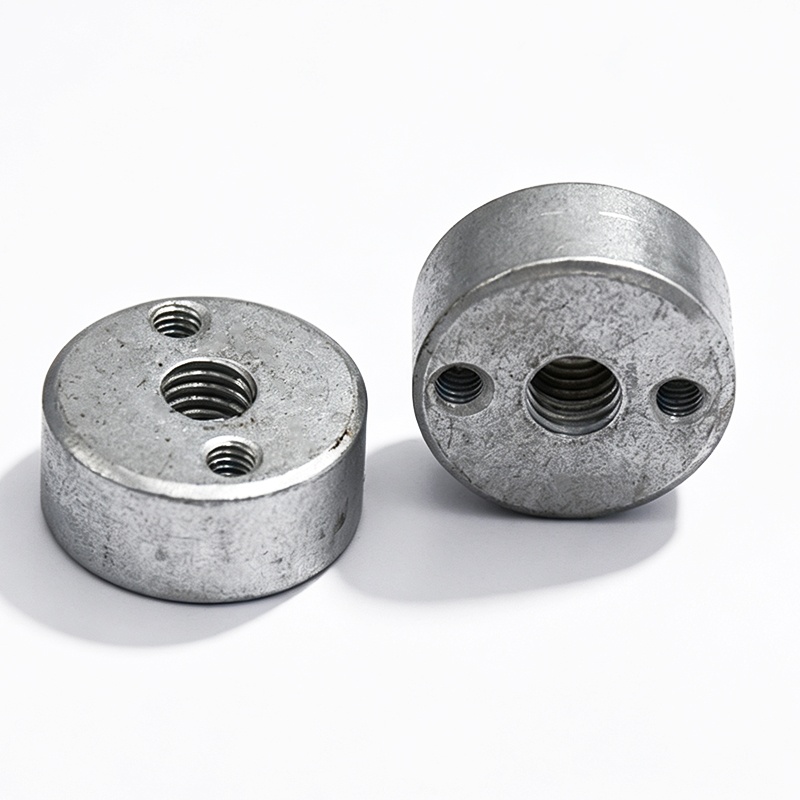 Three Hole Round Plate Nuts with Threaded Plate Fasteners for Metal and Machinery
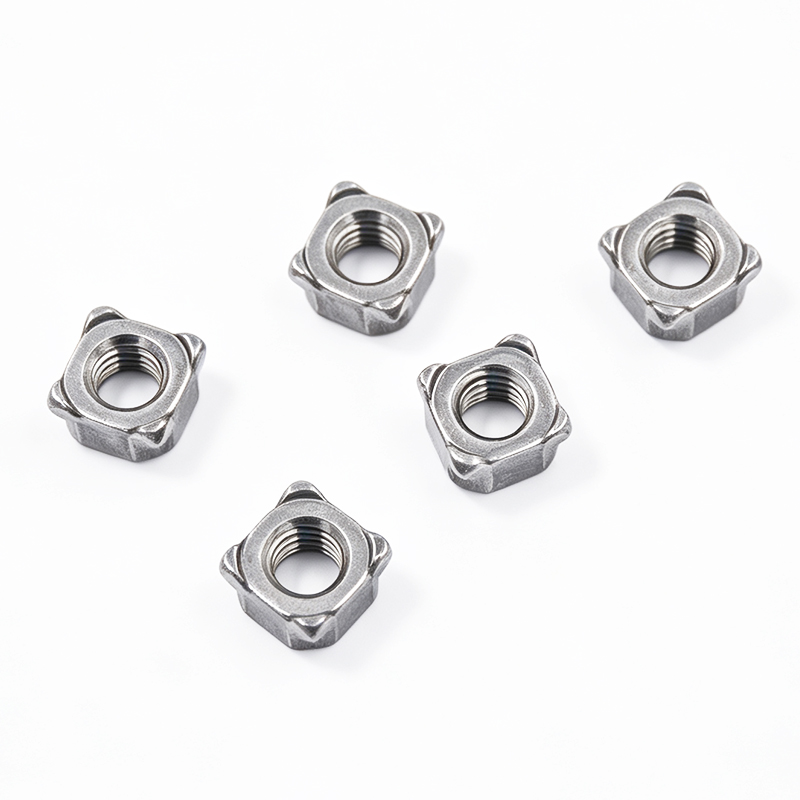 Carbon Steel Square Weld Nuts with Heavy Duty Threaded Nuts for Welding Applications
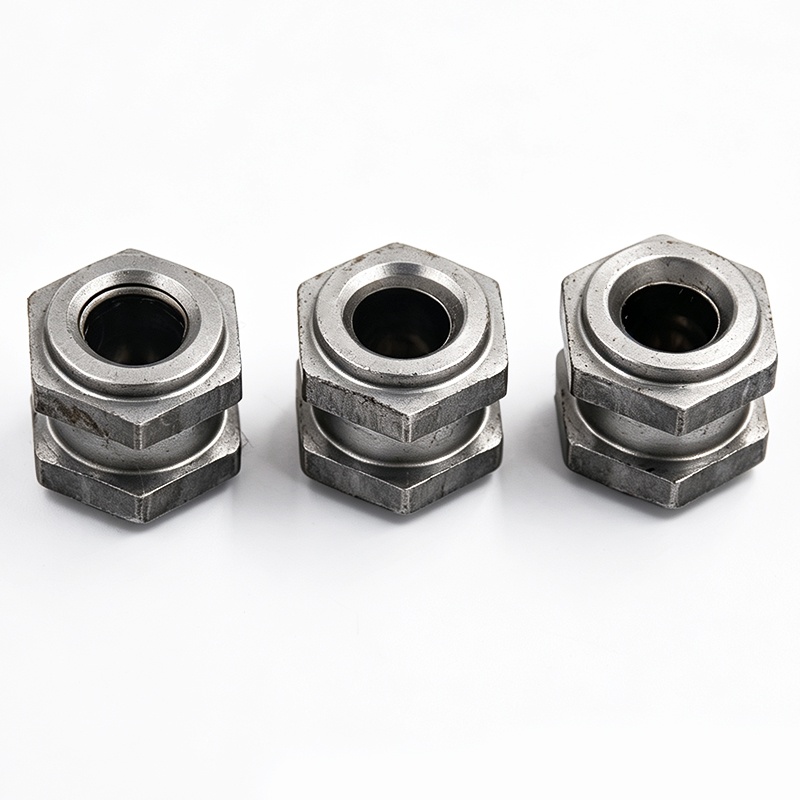 Non Standard Stainless Steel CNC Machined Special Shaped Nuts
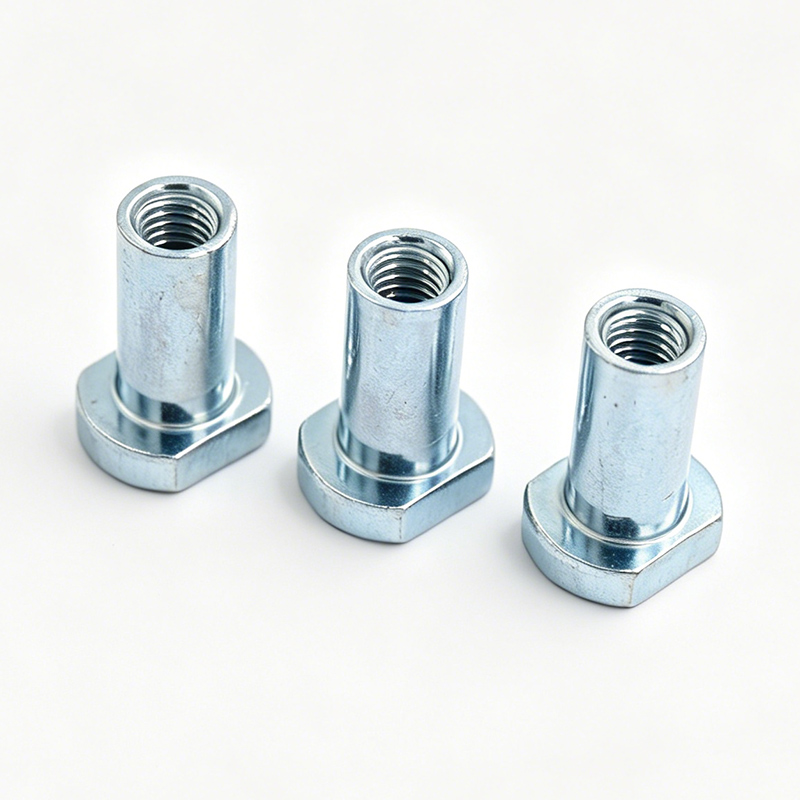 Non-Standard Special-Shaped Nuts
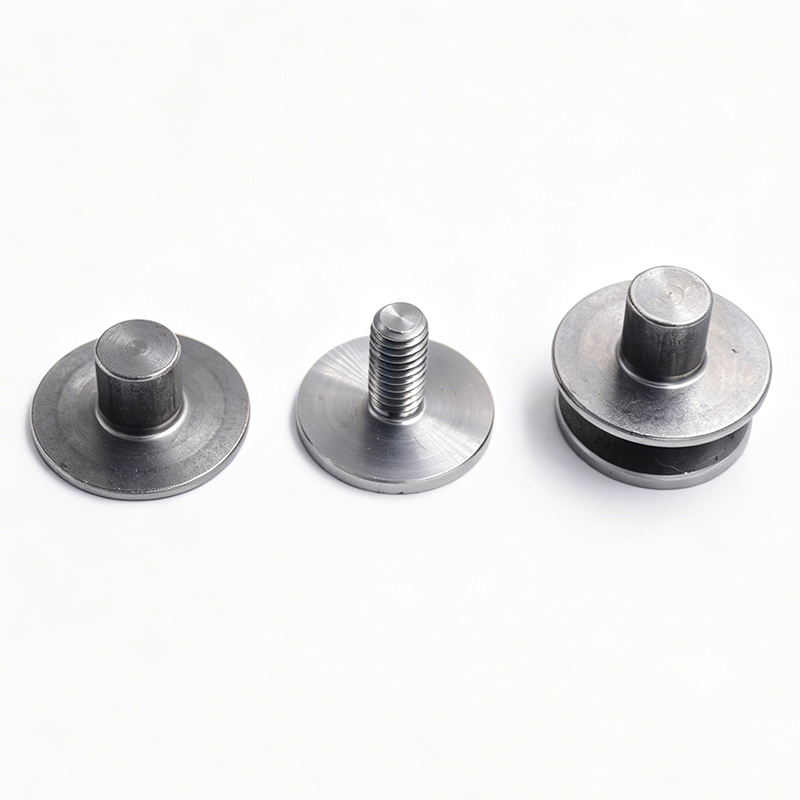 Knurled Cylindrical Or External Hexagonal Locking Screws And Nuts
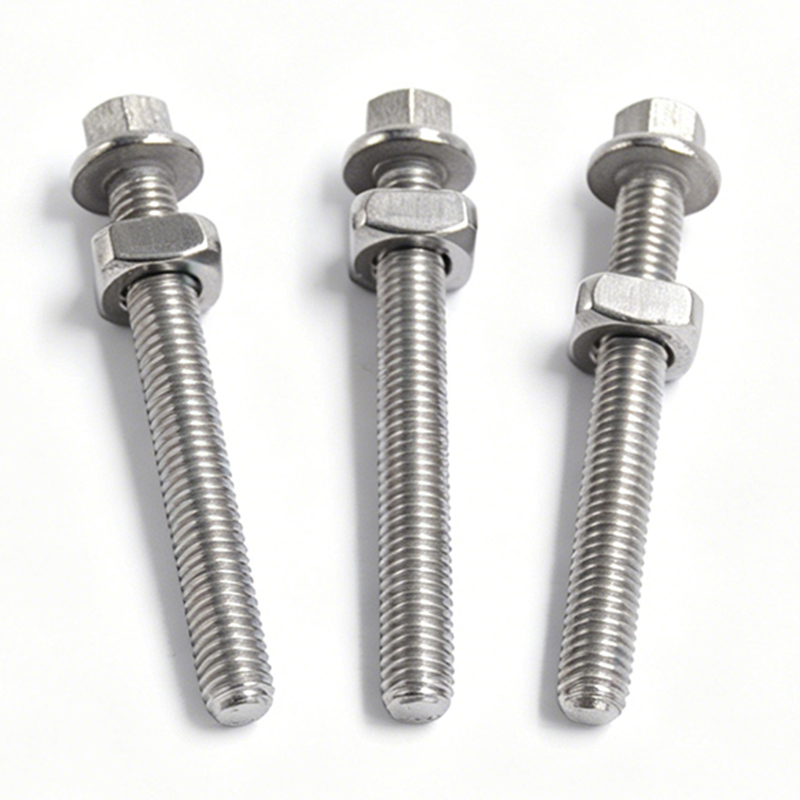 Flange Bolts With Square Nuts
Latest News
-
Cold Heading Components: High-performance Fastener Solutions from Wenzhou Riyi Standard Parts Co., Ltd
2026-09-29Cold heading processing shapes metal wire under strong pressure at room temperature without cutting raw materials. Unlike traditional CNC machining, this technology preserves the continuous metal grain flow inside cold heading parts.
-
Special-shaped Bolts and Stainless Steel Double-ended Bolts from Wenzhou Riyi Standard Parts Co., Ltd
2026-09-23In modern mechanical manufacturing, construction engineering and equipment assembly, high-quality fasteners are the invisible foundation that guarantees structural safety and product stability.
-
Precision Custom Fasteners from Wenzhou Riyi Standard Parts
2026-09-15Wenzhou Riyi Standard Parts is a reliable Chinese manufacturer focusing on custom non-standard fasteners, located in Wenzhou’s Binhai Economic Zone.
-
Aluminum Alloy Flange Bolts, Ball Head Studs & Dacromet Carriage Bolts – Reliable Fastener Startup Business
2026-09-08Fasteners are essential basic components widely used in machinery, automotive, engineering and equipment assembly industries.