Products


Carbon Alloy Steel Hexagonal Hub Nut
Hexagonal hub nuts are a critical safety component designed to secure wheels to vehicle hub bolts or studs. Its name comes from its most distinctive appearance feature - the standard external hexagonal design, which makes it easy to apply force with an universal wrench or socket.
Send Inquiry
Product Description
Product introduction
Hexagonal hub nuts are a critical safety component designed to secure wheels to vehicle hub bolts or studs. Its name comes from its most distinctive appearance feature - the standard external hexagonal design, which makes it easy to apply force with an universal wrench or socket. As the core of custom automotive parts nuts, their structure usually includes a pressure-bearing surface (such as a tapered surface, a spherical surface, or a flange surface) to ensure a perfect fit with the wheel hub hole and achieve self-centering. Compared with conventional nuts, they have strict requirements on materials, heat treatment and precision, and are active fastening units in the connection system.
Product design and features
The design of this product is absolutely oriented towards functionality and safety. Its outer hexagonal dimensions are standardized and designed to match general-purpose tools; the internal thread precision is extremely high, usually reaching 6H level, ensuring smooth engagement with the bolt and uniform stress. Professional auto parts nut factories will conduct detailed finite element analysis to optimize their geometry to make the stress distribution more uniform and avoid early failure caused by local stress concentration. At the same time, anti-loosening designs (such as built-in nylon rings, top riveting or special deformed threads) are also common engineering considerations for high-end models.
Material, technology, core performance
Material: Mainly used medium carbon alloy steel, boron steel or stainless steel to meet different strength and anti-corrosion requirements.
Core process: As a typical processed automobile part nut, its production process integrates precision cold heading/hot heading forming, CNC turning, high-precision thread processing (thread rolling), and the crucial quenching and tempering heat treatment. Professional factories use precise heat treatment process control to give products high strength while maintaining necessary toughness.
Key performance: Its performance level (such as level 10 and level 12 corresponding to bolts) directly determines the load-bearing capacity of the product. Tensile strength, guaranteed load and hardness are core testing indicators. In addition, professional auto parts nut factories will conduct rigorous tests on their fatigue life and anti-loosening performance.
Functions and application areas
Its primary function is to provide and maintain the clamping force required to secure the wheel to the hub, withstanding the dynamic compound loads from vehicle weight, acceleration, braking and cornering. Its applications span the entire automotive industry:
OE original equipment: used as standard parts in all types of passenger cars and commercial vehicles.
Aftermarket and modification market: Provides customized auto parts nuts in different sizes, colors (e.g., by anodizing) and styles to meet personalization and performance upgrade needs.
Special vehicles: Suitable for high-performance or heavy-duty fields such as engineering machinery and racing cars, which have special requirements for the reliability and weight of nuts.
Quality Control and Certification Standards
A professional manufacturer of processed automotive parts and nuts, its quality control system covers the entire process from raw material warehousing to finished product delivery. Products strictly follow ISO, DIN, JIS or GB standards. Reliability not only relies on final inspection, but also is ensured through statistical process control of dimensions (such as pass-and-stop gauge inspection), mechanical properties (hardness, tensile test) and anti-corrosion performance (salt spray test) during the manufacturing process. The authoritative IATF 16949 quality management system certification is a necessary qualification for top auto parts and nut factories.
Customized services
Correct selection is the basis for safety and needs to match the following elements:
Thread specifications (such as M12×1.5). Dimensions across sides (such as 19mm, 21mm). Pressure surface type (must match hub bore).
Performance level.
Leading auto parts nut factories provide in-depth customization services. They can develop non-standard sizes, special coatings (such as high-performance anti-corrosion coatings), lightweight designs (such as aluminum alloy materials) or customized auto parts nuts with customer brand logos according to customers' special needs, providing a full set of solutions from design support to mass manufacturing.
FAQ
Q: How to choose the correct hexagonal wheel hub nut specification?
A: Model selection is very important, please be sure to confirm the following four points: 1) Thread specification (needs to completely match the bolt/stud, such as M14×1.5); 2) Opposite side size (determines the tool used, such as 19mm, 21mm); 3) Pressure-bearing surface shape (conical surface, spherical surface or flange surface, must be consistent with the original wheel hub hole shape); 4) Performance level. As a professional auto parts nut factory, we recommend that you provide original car samples or detailed parameters, and we will assist you in accurate selection.
Q: What does the performance grade of the nut (such as grade 8, grade 10) mean? How to choose?
A: Performance level is the core identification of the nut's load-bearing capacity, and the number represents its guaranteed load stress (unit: 1/100 MPa). For example, the guaranteed load stress of a grade 10 nut is 1000MPa. Nuts must be selected that match or exceed the strength grade of the hub bolts/studs (e.g., grade 10.9 bolts must be equipped with at least grade 10 nuts). Choosing the wrong grade is a serious safety hazard, and our professional team of machined auto parts nuts can provide you with technical guidance.
Q: Can you provide nuts with different colors or surface treatments?
A: Of course. This is one of our service strengths as a supplier of custom automotive parts nuts. We not only provide standard galvanizing and Dacromet treatment, but also provide various surface treatment solutions such as bright electroplating, color anodizing (mostly used for aluminum alloy nuts), or black oxidation according to your individual needs, which can meet anti-corrosion requirements while improving the visual effect.
Q: How do you ensure the quality and consistency of nuts?
A: As a professional auto parts nut factory, we implement strict full-process quality control: from raw material incoming factory inspection, to precision processing of auto parts nuts (such as cold heading, CNC precision turning), to fully automatic heat treatment and surface treatment lines, and finally through 100% appearance, size screening and batch performance testing. We follow the IATF 16949 system to ensure that every nut is reliable.
Q: Can non-standard size or specially designed hub nuts be customized?
A: Yes. Customized services are our core competency. Whether it is special thread specifications, non-standard flat dimensions, unique lightweight designs (such as titanium alloy, forged aluminum alloy), or laser brand logos, we can provide "one-stop" customized auto parts nut solutions from drawing design, sample proofing to mass production.
Send Inquiry
Related Products
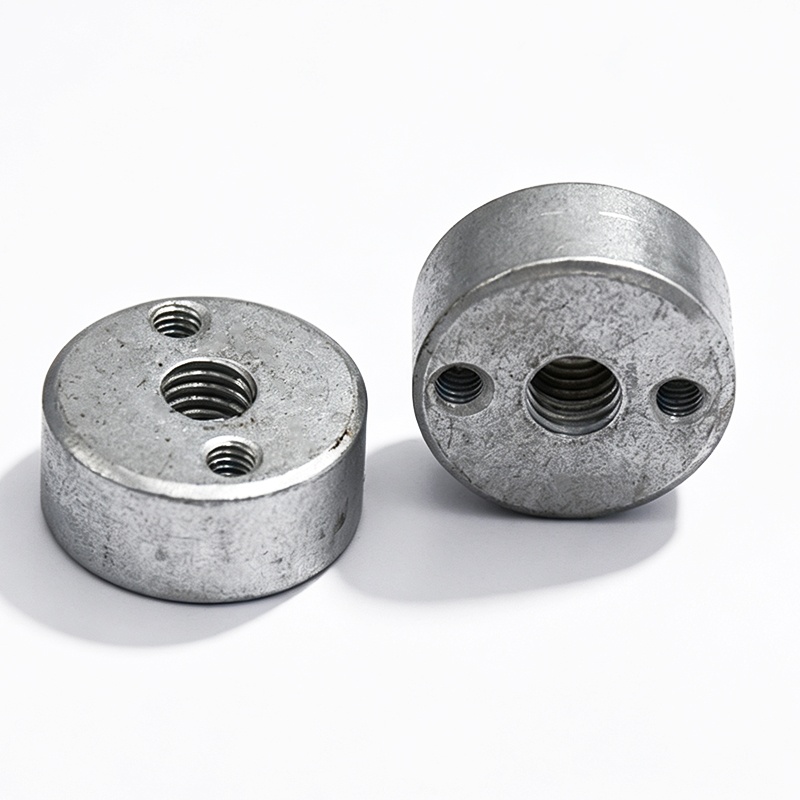 Three Hole Round Plate Nuts with Threaded Plate Fasteners for Metal and Machinery
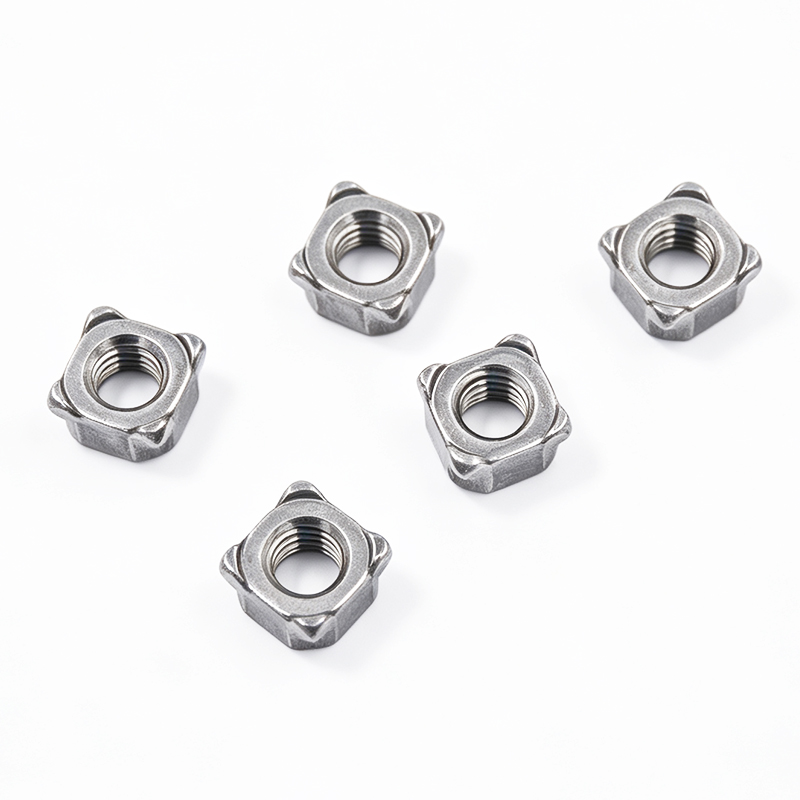 Carbon Steel Square Weld Nuts with Heavy Duty Threaded Nuts for Welding Applications
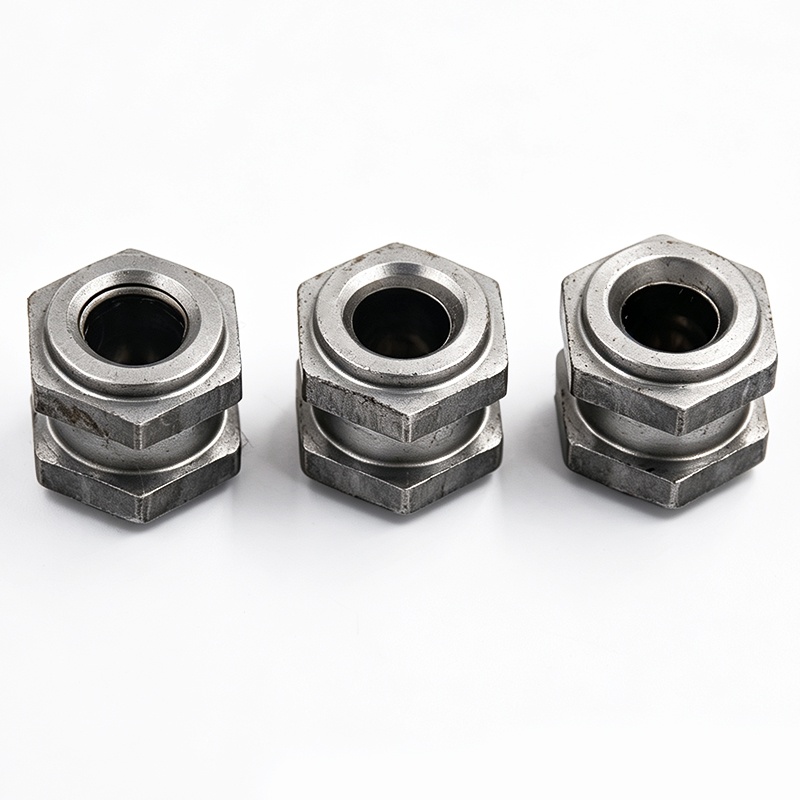 Non Standard Stainless Steel CNC Machined Special Shaped Nuts
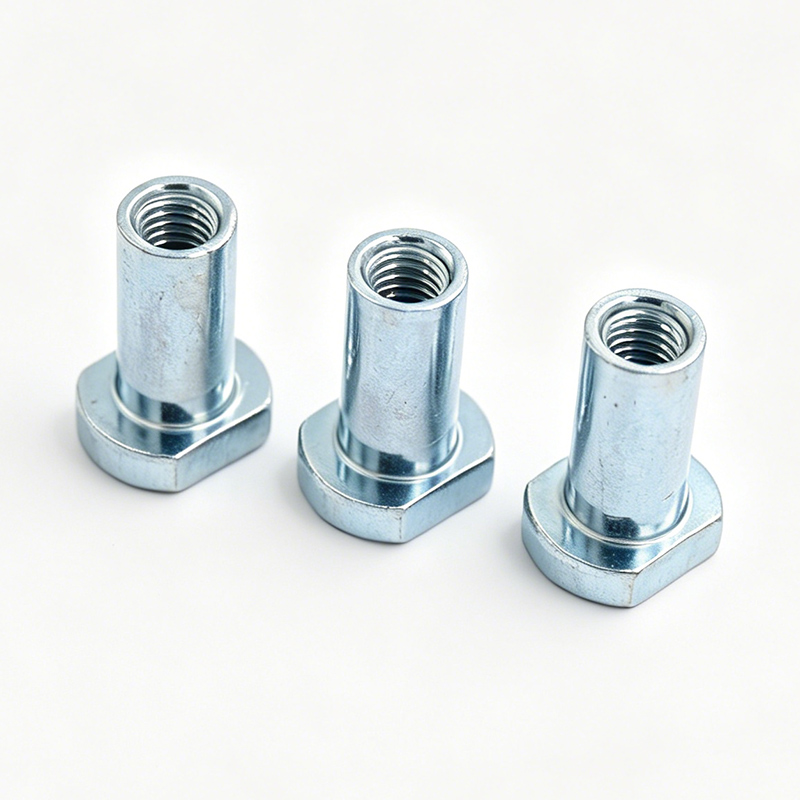 Non-Standard Special-Shaped Nuts
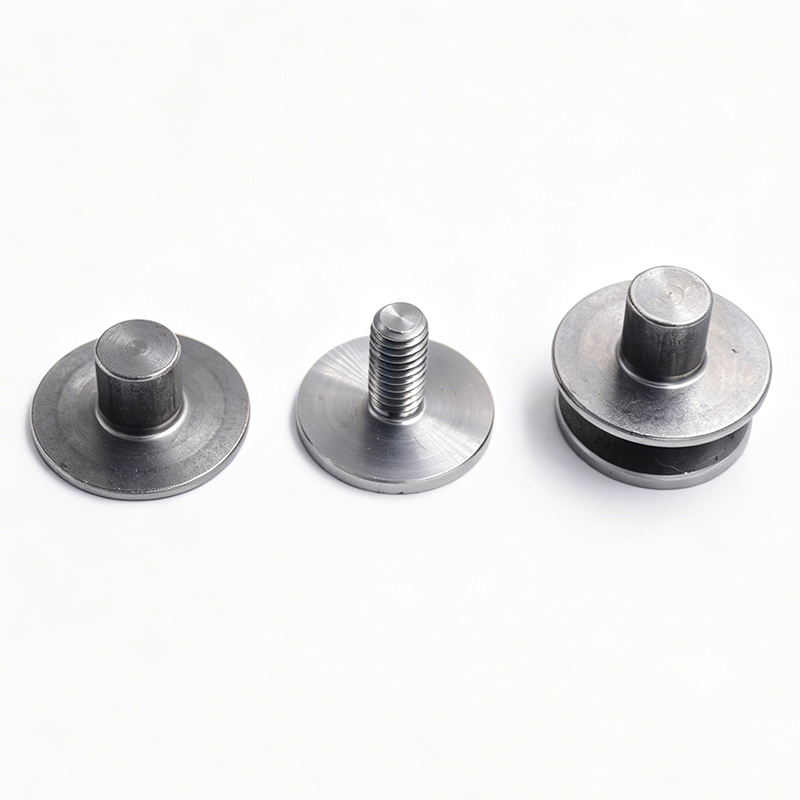 Knurled Cylindrical Or External Hexagonal Locking Screws And Nuts
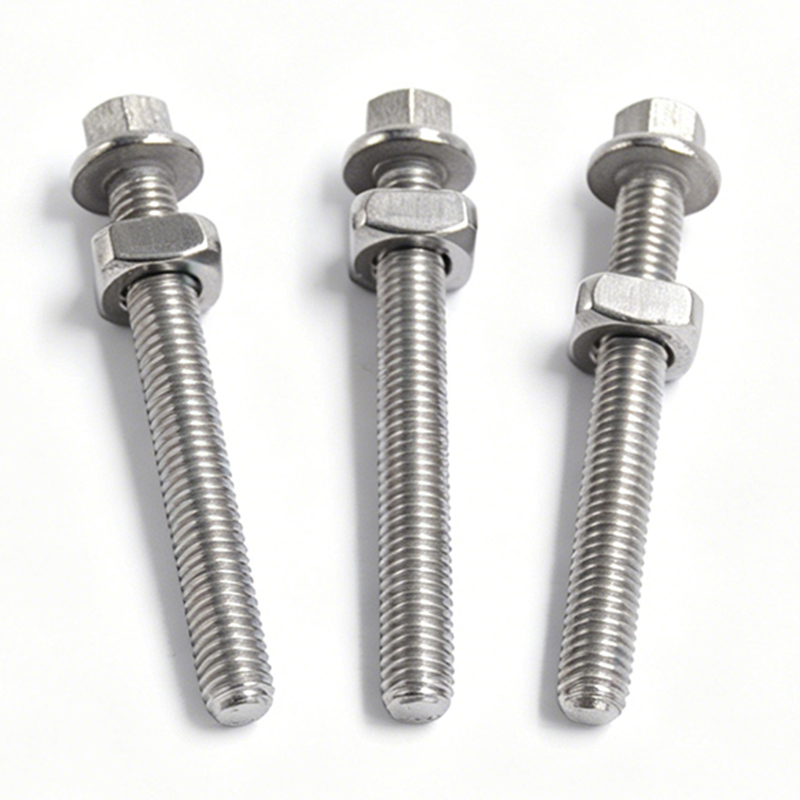 Flange Bolts With Square Nuts
Latest News
-
Cold Heading Components: High-performance Fastener Solutions from Wenzhou Riyi Standard Parts Co., Ltd
2026-09-29Cold heading processing shapes metal wire under strong pressure at room temperature without cutting raw materials. Unlike traditional CNC machining, this technology preserves the continuous metal grain flow inside cold heading parts.
-
Special-shaped Bolts and Stainless Steel Double-ended Bolts from Wenzhou Riyi Standard Parts Co., Ltd
2026-09-23In modern mechanical manufacturing, construction engineering and equipment assembly, high-quality fasteners are the invisible foundation that guarantees structural safety and product stability.
-
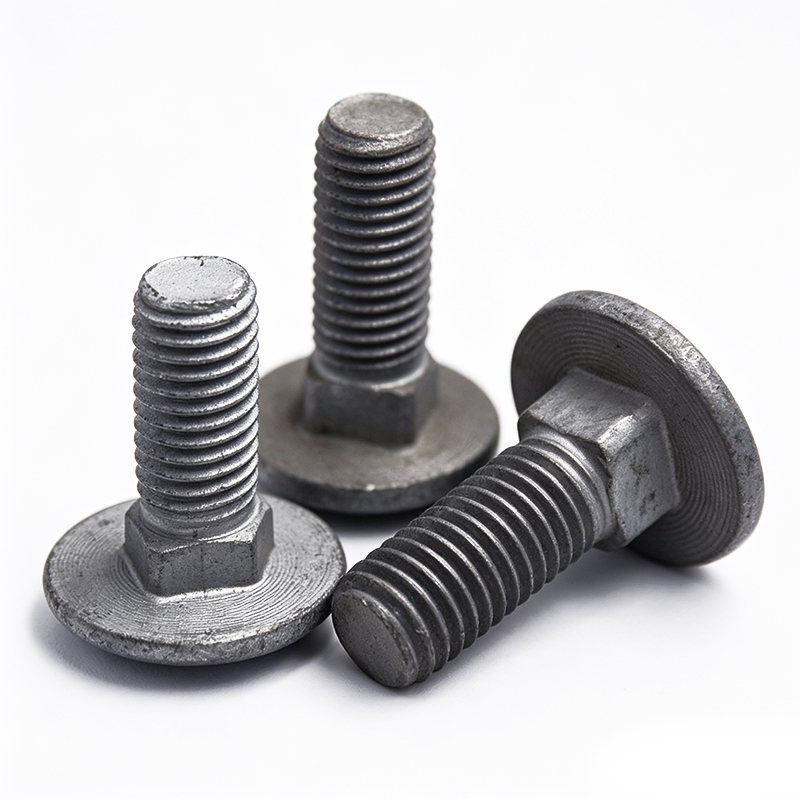
Precision Custom Fasteners from Wenzhou Riyi Standard Parts
2026-09-15Wenzhou Riyi Standard Parts is a reliable Chinese manufacturer focusing on custom non-standard fasteners, located in Wenzhou’s Binhai Economic Zone.
-
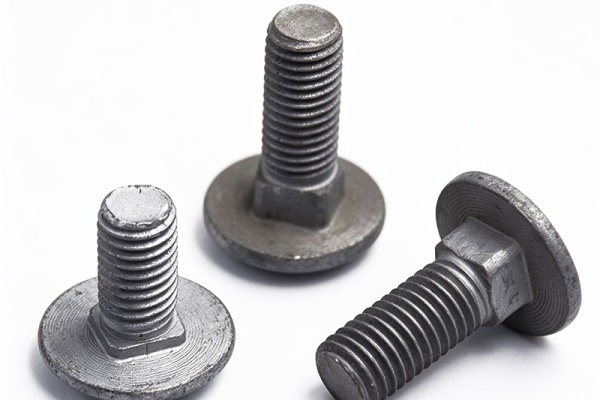
Aluminum Alloy Flange Bolts, Ball Head Studs & Dacromet Carriage Bolts – Reliable Fastener Startup Business
2026-09-08Fasteners are essential basic components widely used in machinery, automotive, engineering and equipment assembly industries.