Products


Alloy Steel T-Cap Flanged Bushing
T-cap bushing, also known as T-nut or T-slot nut, is a basic fastener component specially used for T-slot equipment. Its shape is usually a cylinder with internal threads and a flange on one side, forming a "T cap" structure.
Send Inquiry
Product Description
Product introduction
T-cap bushing, also known as T-nut or T-slot nut, is a basic fastener component specially used for T-slot equipment. Its shape is usually a cylinder with internal threads and a flange on one side, forming a "T cap" structure. The core function of this product is to be embedded in the T-shaped slot of the mechanical equipment workbench and cooperate with bolts to achieve fast and strong clamping and positioning of workpieces, fixtures or molds. Its flange edge can be stuck on the inside of the T-shaped slot, preventing the entire bushing from rotating in the slot, and providing stable and reliable clamping force through tightening of the bolts. T-cap bushings are widely used in CNC machining centers, milling machines, grinders, combination fixtures and mold pressure plates, etc., and are an indispensable part of modern mechanical processing and manufacturing. Most of the products are made of high-quality alloy steel and have been heat-treated. They have high strength, high wear resistance and excellent fatigue resistance, ensuring long-term stability and safety under frequent use and high-load conditions.
Product features
1. Specially designed for T-slots, stable connection
The product structure is optimized to fit into the T-slot on the workbench of mechanical equipment. Its unique "T cap" flange edge can be embedded in the groove and form an effective snap with the inside of the groove to prevent the bushing from rotating during the tightening process, ensuring the stability and reliability of the connection.
2. Easy to install and flexible in positioning
No complicated tools are required when using it. Just slide the T cap from the open end of the T-shaped slot and move it anywhere in the slot to easily adjust the position of the fixture or workpiece. This design enables rapid positioning and clamping, greatly improving the efficiency of equipment setup and work preparation.
3. Strong structure and good load-bearing capacity
It is mostly made of high-strength alloy steel (such as 45# steel, 40Cr) that has been heat-treated and tempered, and has excellent mechanical strength and toughness. Its compact structural design can withstand the huge clamping force from bolts and high-intensity loads during work, and has strong resistance to extrusion and shearing.
4. Durable and widely used
The surface is usually treated with blackening, galvanizing and other anti-rust treatments to make it wear-resistant and corrosion-resistant. It is widely used in CNC machine tools, machining centers, welding tooling, mold pressure plates and various modular fixture systems. It is the core basic component to achieve efficient and precise clamping in modern industrial production.
Product application
1. Machine tool workbench fixture fixation
This is its most classic and main application. There are T-shaped slots on the workbenches of CNC machining centers, milling machines, grinders, planers and other equipment. The T-cap bushing is embedded in the groove and used with hexagon socket bolts and pressure plates to quickly and firmly clamp metal, wood or plastic workpieces to be processed. Its flexibility allows the workpiece to be easily repositioned on the table.
2. Mold installation and positioning
On injection molding machines, die-casting machines, stamping machines and other equipment, huge molds need to be accurately installed and fixed through T-slot systems. The T-cap bushing provides a strong and adjustable threaded interface for connecting the mold to the equipment template, ensuring that the mold is stable and does not shift during high-pressure production.
3. Modular fixture system
In modern combination fixtures, welding tooling and other fields, T-cap bushings are the cornerstone of building flexible and reconfigurable fixture systems. It is widely embedded into T-slots of base plates, square boxes, and platforms and is used to install various supports, positioning pins, and clamping arms to meet the production needs of different products.
4. Automation and testing equipment
In precision equipment such as industrial robot workstations, automated assembly lines, and three-dimensional coordinate measuring machines, T-cap bushings are also commonly used to fix sensors, actuators, or components to be inspected, providing a standardized and reliable connection solution.
FAQ
Q: What is the main function of the T-cap bushing?
A: Its core role is to serve as a "connecting bridge". When embedded in the T-slot of the mechanical equipment workbench, it provides a movable internal thread that cooperates with bolts (such as hexagon socket bolts) and pressure plates to achieve fast and strong clamping and positioning of workpieces, fixtures or molds.
Q: Why is my T-cap bushing stuck in the groove or not sliding smoothly?
A: There are impurities in the tank: iron filings and dirt are the most common causes of jamming, and they need to be cleaned thoroughly. Bushing or T-groove is worn/damaged: Check the T-shaped head or groove edge of the bushing for burrs, deformation or bumps. Specification mismatch: An oversized bushing is used and interferes with the T-slot.
Q: What should I do if the bushing rotates when the bolt is tightened?
A: This usually means: The T-slot or bushing is worn: causing the fit gap to be too large, and the T-shaped head cannot effectively block the slot. Solution: During final tightening, use a thin rod or Allen wrench to gently press the bushing from the side to prevent it from rotating; or replace the bushing with a new one with matching specifications.
Send Inquiry
Related Products
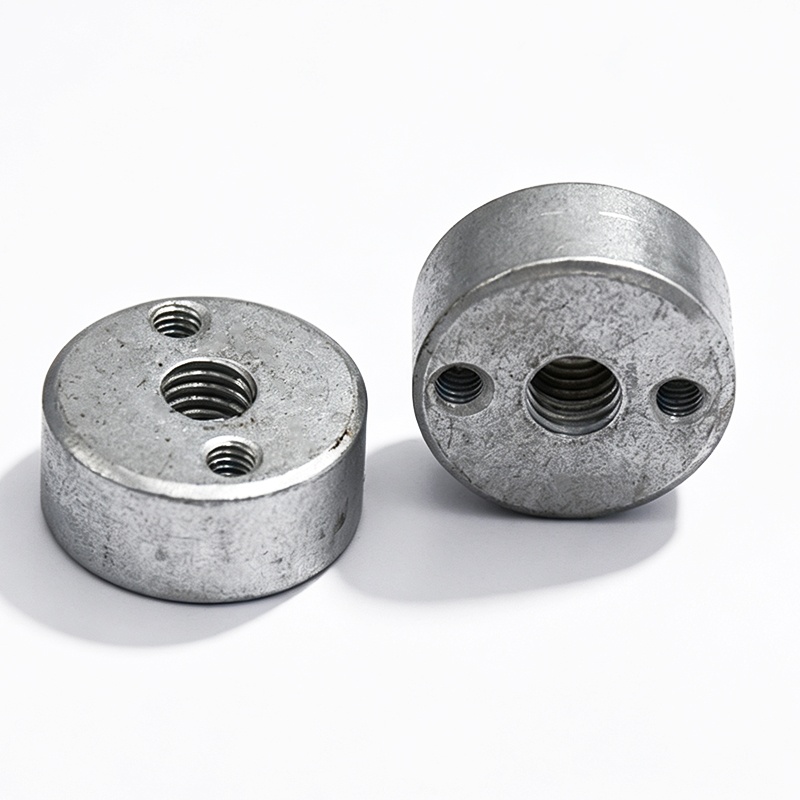 Three Hole Round Plate Nuts with Threaded Plate Fasteners for Metal and Machinery
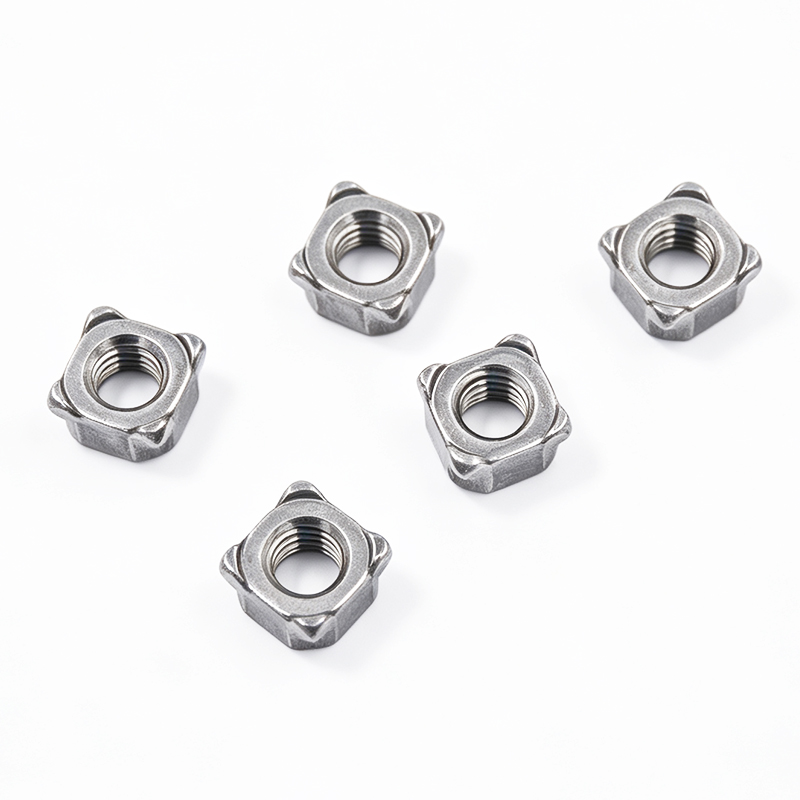 Carbon Steel Square Weld Nuts with Heavy Duty Threaded Nuts for Welding Applications
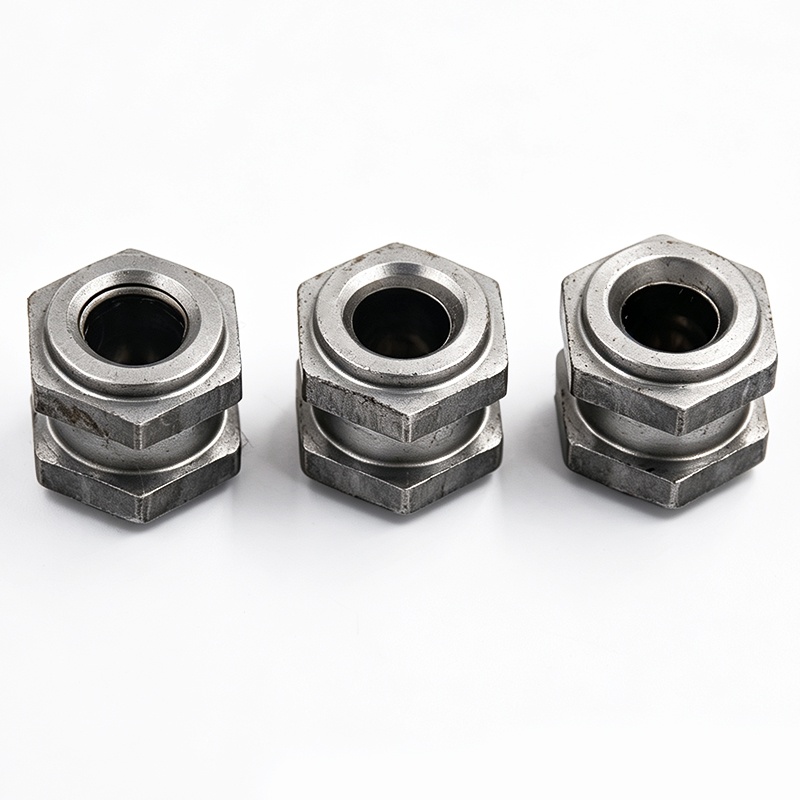 Non Standard Stainless Steel CNC Machined Special Shaped Nuts
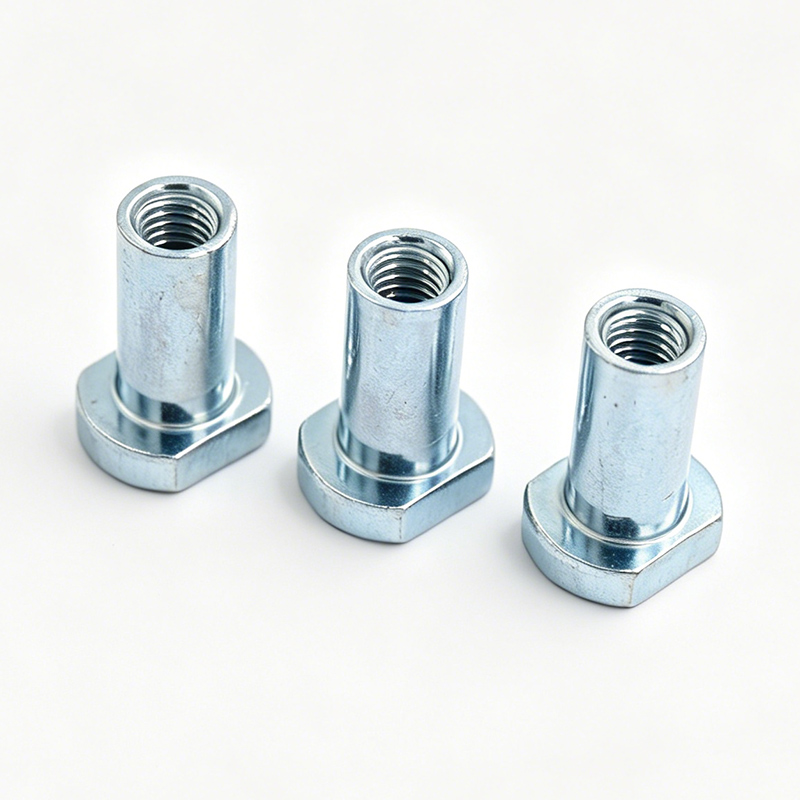 Non-Standard Special-Shaped Nuts
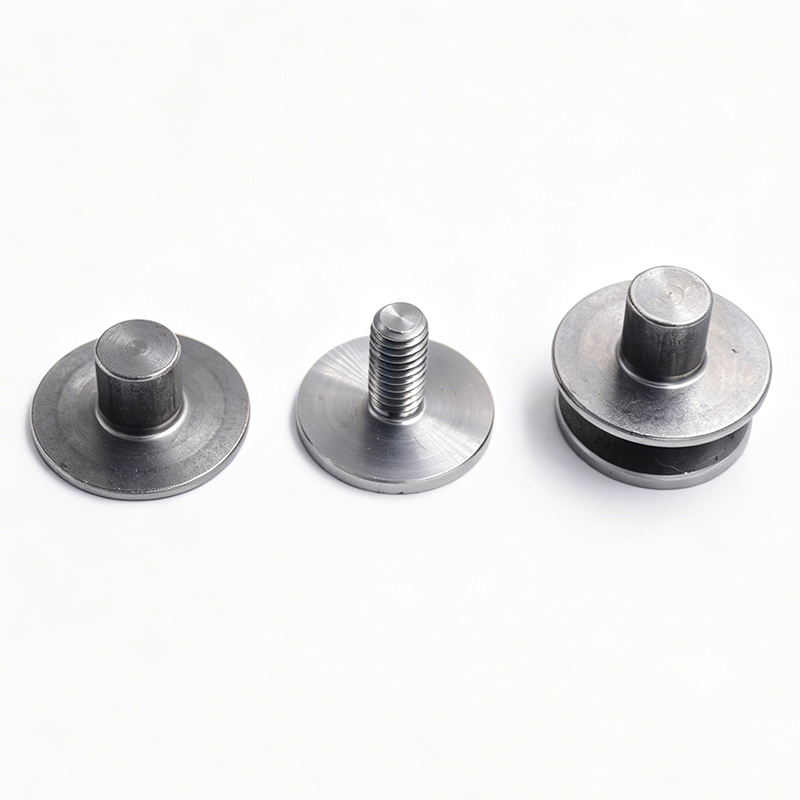 Knurled Cylindrical Or External Hexagonal Locking Screws And Nuts
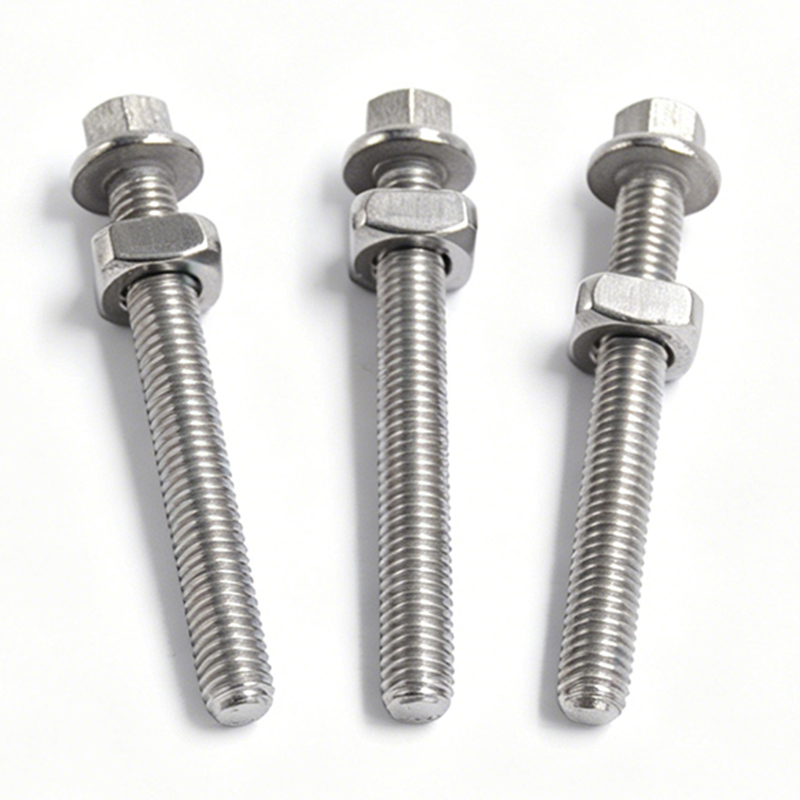 Flange Bolts With Square Nuts
Latest News
-
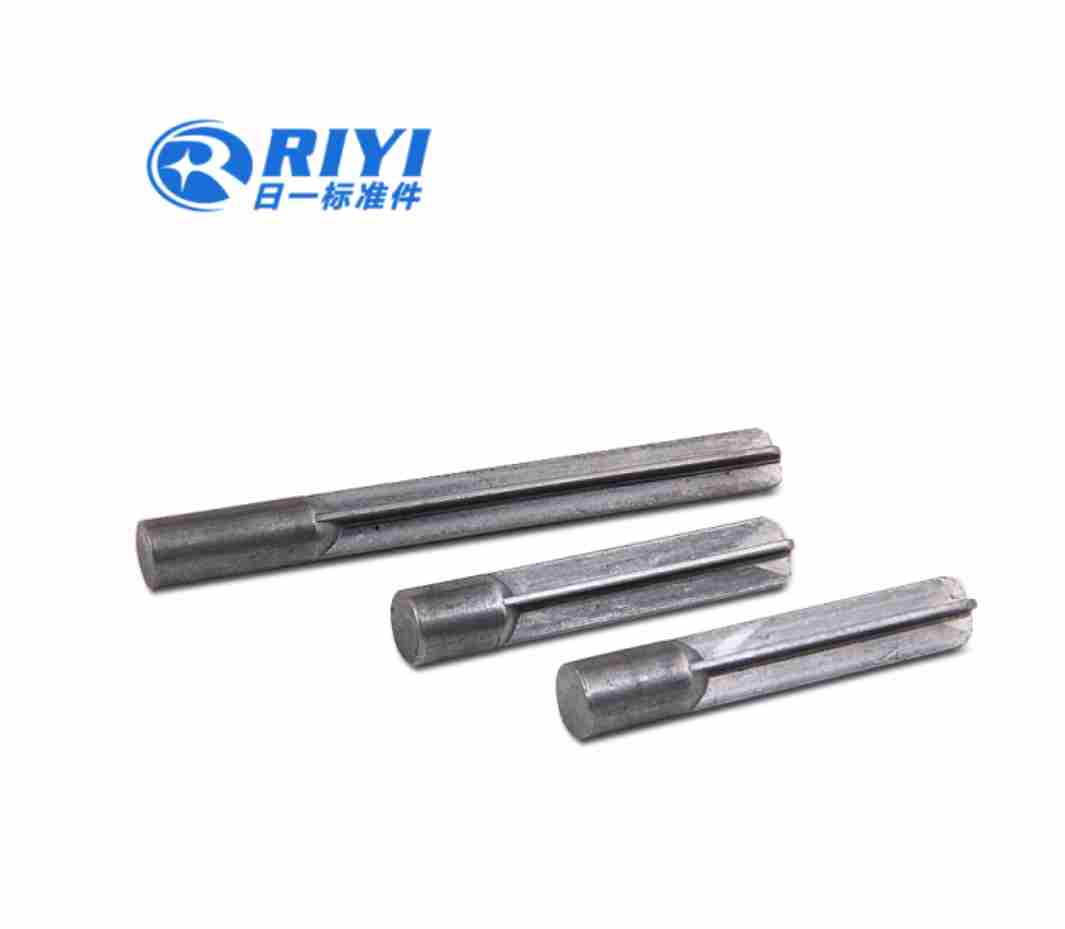
Cold Heading Components: High-performance Fastener Solutions from Wenzhou Riyi Standard Parts Co., Ltd
2026-09-29Cold heading processing shapes metal wire under strong pressure at room temperature without cutting raw materials. Unlike traditional CNC machining, this technology preserves the continuous metal grain flow inside cold heading parts.
-
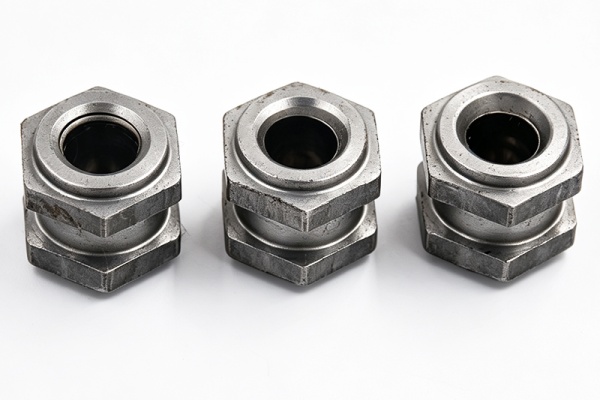
Special-shaped Bolts and Stainless Steel Double-ended Bolts from Wenzhou Riyi Standard Parts Co., Ltd
2026-09-23In modern mechanical manufacturing, construction engineering and equipment assembly, high-quality fasteners are the invisible foundation that guarantees structural safety and product stability.
-
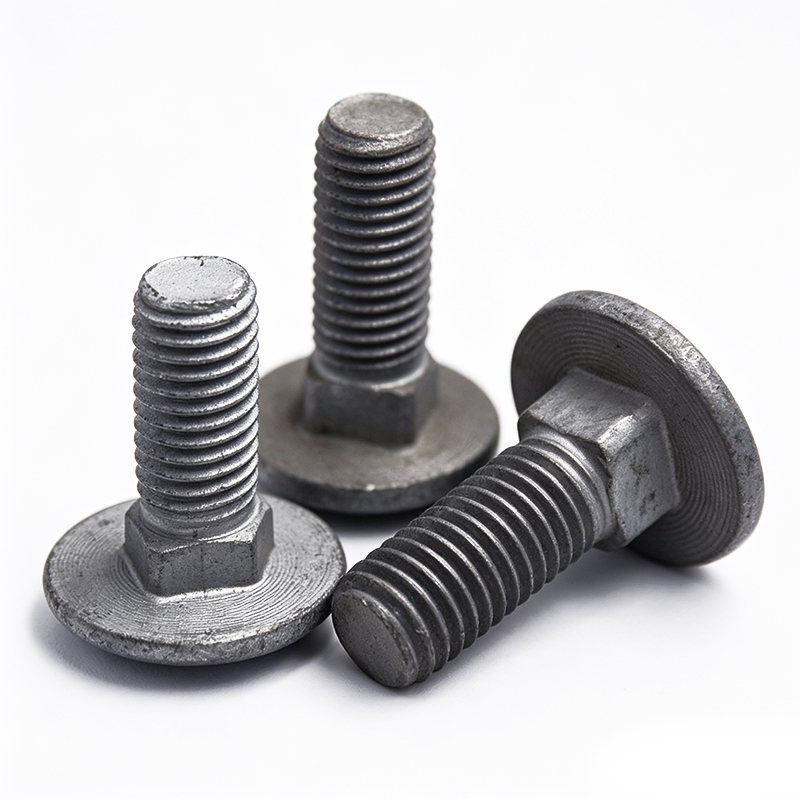
Precision Custom Fasteners from Wenzhou Riyi Standard Parts
2026-09-15Wenzhou Riyi Standard Parts is a reliable Chinese manufacturer focusing on custom non-standard fasteners, located in Wenzhou’s Binhai Economic Zone.
-
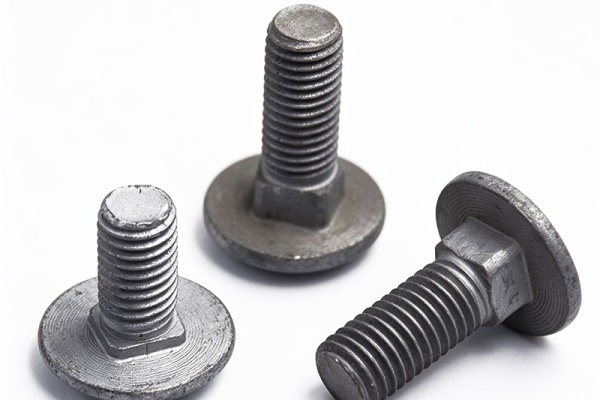
Aluminum Alloy Flange Bolts, Ball Head Studs & Dacromet Carriage Bolts – Reliable Fastener Startup Business
2026-09-08Fasteners are essential basic components widely used in machinery, automotive, engineering and equipment assembly industries.