Products


304 Full Thread Stainless Steel Square Nut
As a special type of fastening connector, stainless steel square nuts are different from common hexagonal nuts with their unique square shape. They are indispensable non-standard nuts in the professional field. It is designed to provide a reliable, compact and anti-rotation threaded connection solution in specific scenarios where conventional nuts cannot meet the needs.
Send Inquiry
Product Description
Product introduction
As a special type of fastening connector, stainless steel square nuts are different from common hexagonal nuts with their unique square shape. They are indispensable non-standard nuts in the professional field. It is designed to provide a reliable, compact and anti-rotation threaded connection solution in specific scenarios where conventional nuts cannot meet the needs. This type of product is usually not suitable for manual assembly. Instead, it is pressed, riveted or welded on base materials such as thin plates through automated equipment. It is widely used in sheet metal structures, chassis cabinets and automation equipment customized by non-standard nut factories for various industries.
Product design and features
Square shape and anti-rotation design: Essential advantages: The square outline composed of four straight sides is its most significant feature. This design allows the nut to be completely restricted from rotating in the preset square hole or corresponding cavity, achieving excellent anti-rotation (anti-loosening) performance, which is difficult to match with traditional hexagonal nuts. Installation guide: Some designs will add guide chamfers or teeth on the bottom or side of the nut to facilitate press-in installation, and can "bite" the base material after press-in, further enhancing the pull-out and torsion resistance.
Connection and installation method: pressure riveting: One end of the nut has prefabricated teeth or knurling, which is pressed into the prefabricated round hole of the plate through a press, and the material is plastically deformed and tightly locked with it. This is the most mainstream and efficient installation method.
Welding type: It is a square nut designed for welding process. It has bumps on the bottom to facilitate firm connection with the base material through spot welding.
Embedded: As a processed non-standard nut, its outer dimensions precisely match the mating groove and are fixed by embedding rather than deforming.
Performance and process features: Space saving and weight reduction: Under the same load-bearing conditions, the square design usually takes up less radial space than the hexagonal nut, which is conducive to the compactness and lightweight of the equipment structure.
Suitable for automated production: The regular shape and standardized press-fitting process make it a perfect fit for automated production lines, greatly improving assembly efficiency and consistency.
High reliability: After one-time installation and molding, a non-detachable permanent internal thread is formed, with high connection strength and good vibration resistance. It can perform best when matched with customized non-standard screws.
Materials and application fields
Main materials and properties: AISI 304 (or corresponding national brand number 0Cr18Ni9): general-purpose stainless steel with good corrosion resistance, formability and comprehensive mechanical properties, suitable for most industrial environments and indoor occasions. A common performance level is A2-70.
AISI 316 (or corresponding national brand number 0Cr17Ni12Mo2): Adding molybdenum element to 304 significantly improves its resistance to chloride pitting and crevice corrosion. It is suitable for more corrosive fields such as marine environment, chemical industry, food and medicine. A common performance level is A4-80.
Material certification: High-quality suppliers can provide material certification that meets standards such as GB/T 20878 and ASTM A276.
Main application areas: Sheet metal and chassis cabinet industry: It is a standard solution for creating high-strength threaded connection points on thin plates in network communication cabinets, server cases, electrical control boxes, elevator cars and other products.
Automobiles and rail transit: used for fastening body panels, interior parts, wire harness brackets and other parts to meet the dual needs of lightweight and high reliability. Industrial automation and robots: widely used in robot joints, automation equipment frames, conveyor lines and other connection parts that require precision, anti-loosening and limited space. Medical equipment and high-end home appliances: Utilize its non-magnetic, corrosion-resistant, easy-to-clean and smooth appearance characteristics for connection between equipment shells and internal structures. New energy and environmental protection equipment: Provide long-term guarantee in the structural connection of photovoltaic brackets, energy storage cabinets, environmental protection processing equipment, etc. outdoors or in harsh environments.
Quality control and certification system
Core quality control link: Incoming material inspection: Spectral analysis of stainless steel wires or bars to ensure that the chemical composition (C, Cr, Ni, Mo, etc.) meets standards; testing of mechanical properties of raw materials. Process control: Dimensional accuracy: Use precision image measuring instruments, snap gauges, thread plug gauges, etc. to randomly inspect the key dimensions of the nuts at 100% or a high ratio, such as the outer diagonal size, thickness, and thread pass-and-stop gauges to ensure a perfect match with the matching customized non-standard screws.
Appearance and surface quality: Check for cracks, burrs, scratches and obvious surface defects.
Certification and Standards Systems: Quality Management System Certification: Leading manufacturers usually have ISO 9001:2015 quality management system certification to ensure standardized production management processes. Product standard compliance: Product design and production mainly follow GB/T national standards, DIN German standards (such as DIN series pressure rivet nut standards) and ISO international standards widely recognized by the industry.
Material certification: third-party testing reports of materials can be provided to ensure the traceability of material sources and quality.
Customized services
In-depth customization of dimensions and specifications: External dimensions, total height, thread specifications (metric, imperial, American, and fine threads), thread bottom hole forms (through holes, blind holes), etc. can be fully customized according to customer needs.
Structural and functional customization: For example, customize the extension to fit thick plates; add flange edges to increase the pressure-bearing area; embed nylon rings or apply glue on the threads to prevent loosening; design special guide structures to facilitate installation.
Material and surface treatment customization: In addition to conventional 304/316, special grades of stainless steel such as 321 and 310S are also available. Surface treatment options include passivation (to improve corrosion resistance), electrolytic polishing, nickel plating, etc.
Small batch proofing and technical support: We provide fast proofing services, and engineers provide comprehensive technical consultation from drawing feasibility, installation process to material selection to ensure that the non-standard nuts you obtain are the best solutions.
FAQ
Q: Why are square nuts more anti-rotating than hex nuts?
A: This is determined by its geometry. The hexagonal nut has six possible points of force under the action of the wrench, but in a square hole or a specific cavity, there may still be a small amount of room for movement in its "corners" and "sides". The four flat surfaces of the square nut are in complete surface contact with the four walls of the matching square hole. There is no room for free rotation after installation, so the anti-rotation performance is fundamentally more reliable.
Q: What key parameters need to be paid attention to when selecting welding nuts?
A: First of all, the thread specifications, materials and performance levels must be clarified. Secondly, the thickness of the plate being welded needs to be provided to determine the appropriate height of the nut. Finally, confirm the welding process (spot welding or projection welding), and may need to communicate welding current, pressure and other parameters with the supplier.
Q: Can other non-standard fasteners be customized?
A: Of course. Many professional non-standard nut factories are themselves comprehensive special-shaped fastener factories. Their business scope is not limited to nuts. They usually also provide customized services for various types of customized non-standard screws, special-shaped bolts, machined parts and other products. You can leave your entire connectivity solution to them from a single source.
Send Inquiry
Related Products
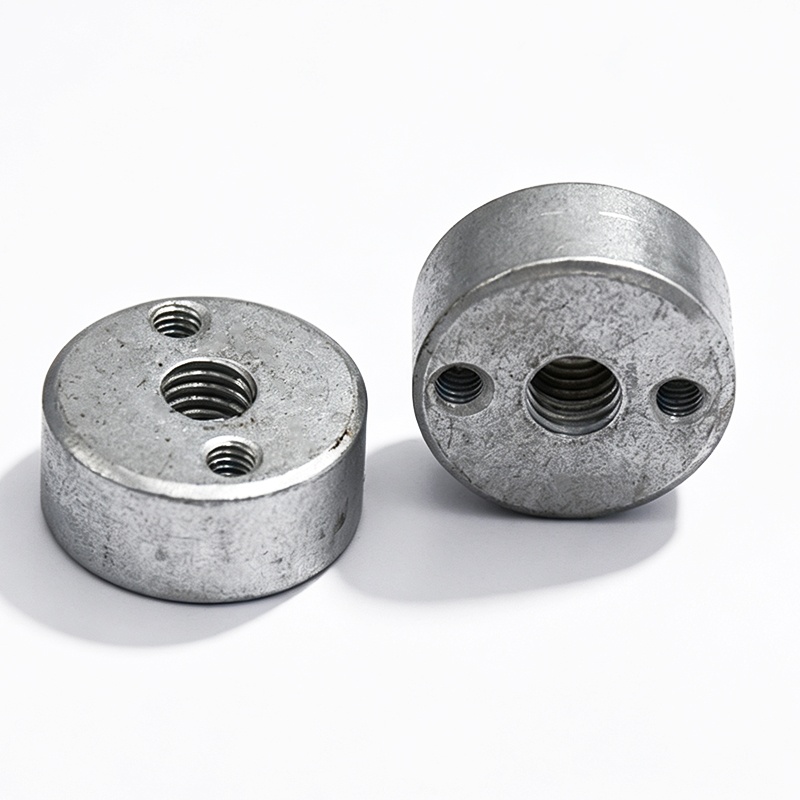 Three Hole Round Plate Nuts with Threaded Plate Fasteners for Metal and Machinery
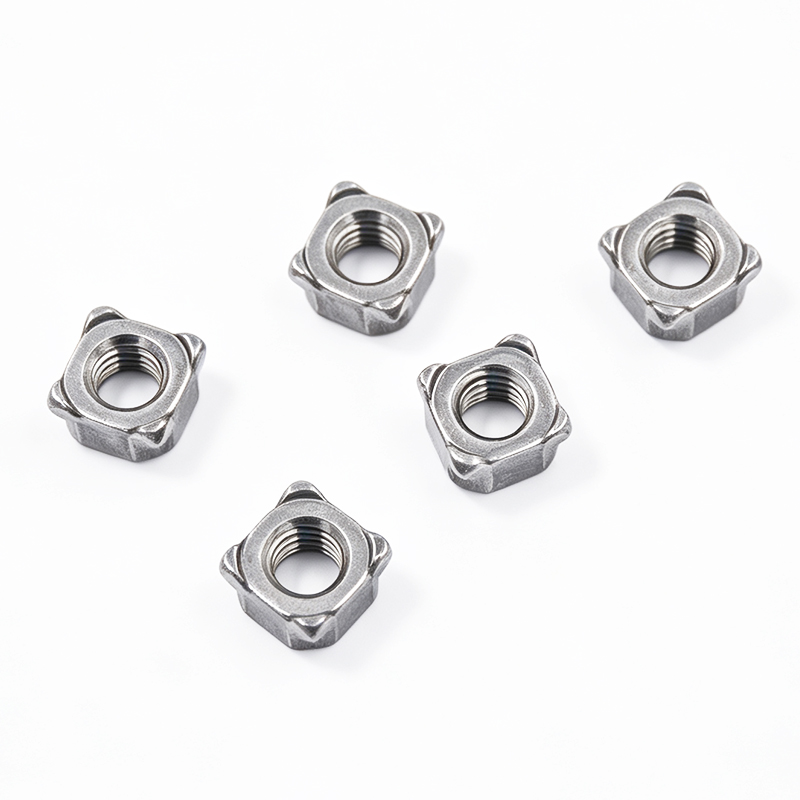 Carbon Steel Square Weld Nuts with Heavy Duty Threaded Nuts for Welding Applications
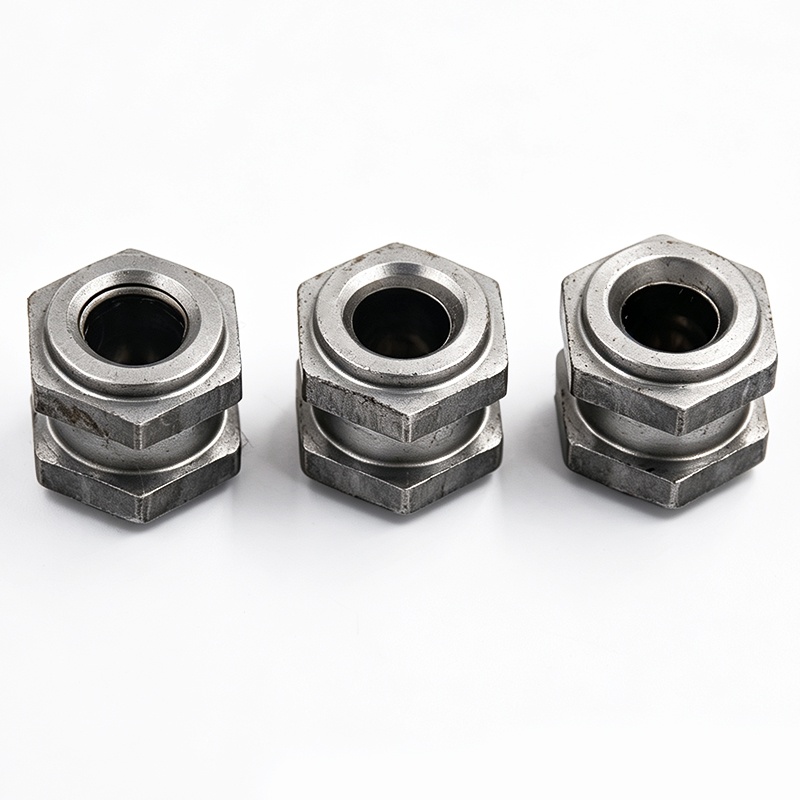 Non Standard Stainless Steel CNC Machined Special Shaped Nuts
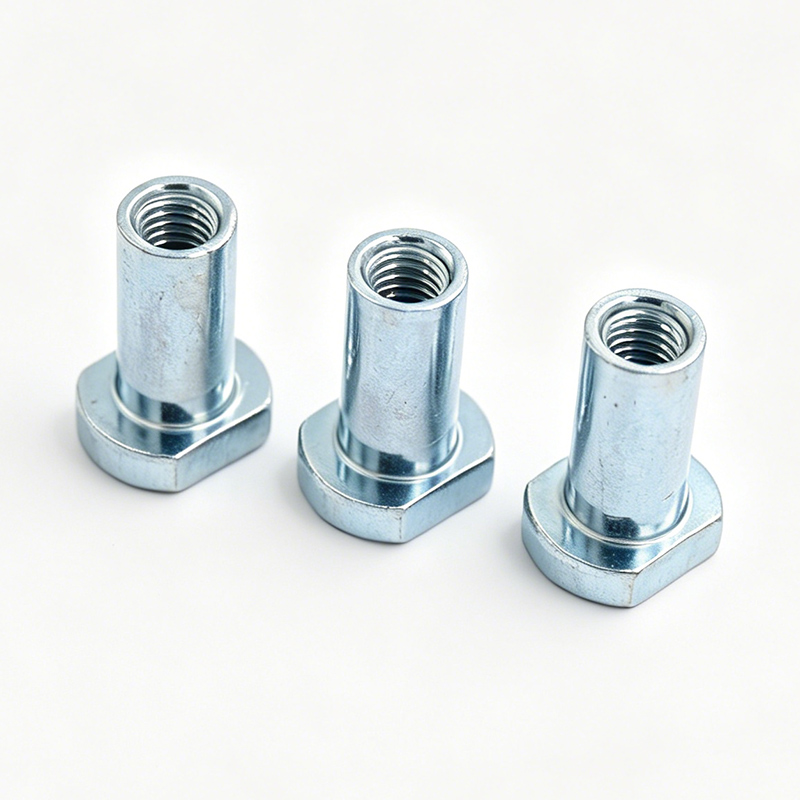 Non-Standard Special-Shaped Nuts
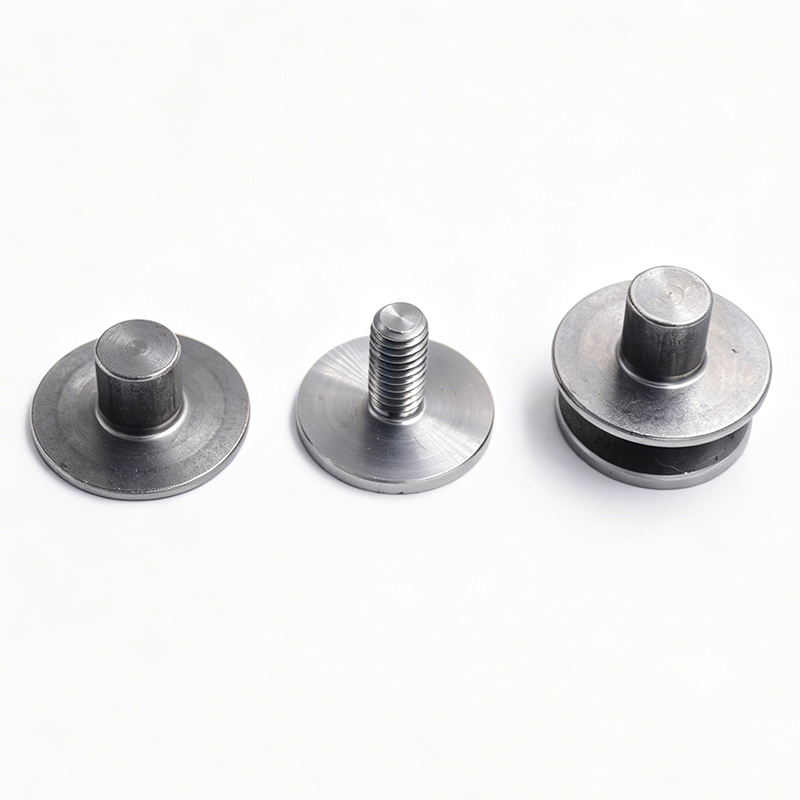 Knurled Cylindrical Or External Hexagonal Locking Screws And Nuts
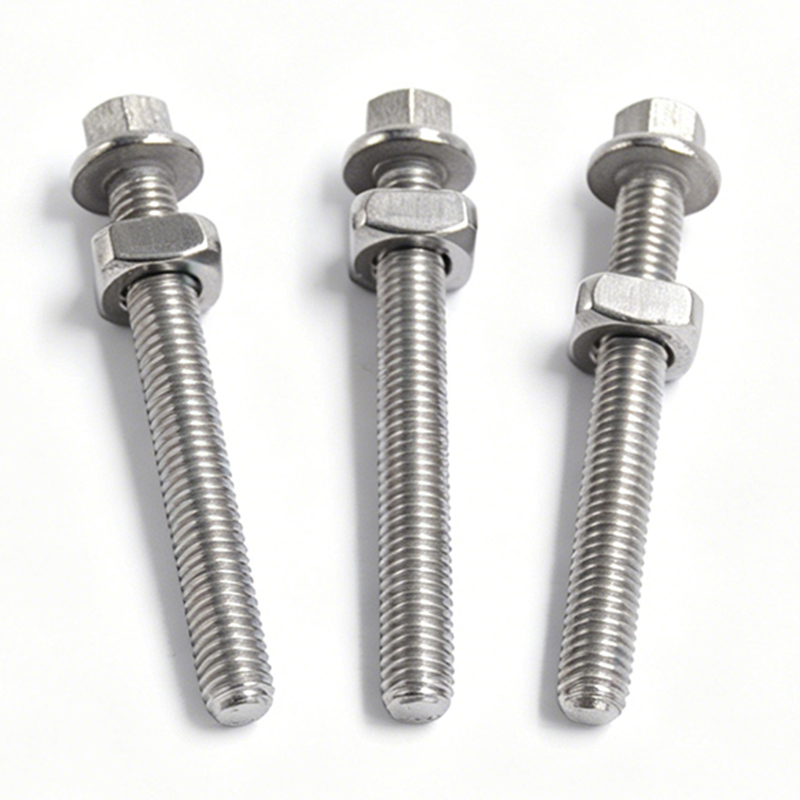 Flange Bolts With Square Nuts
Latest News
-
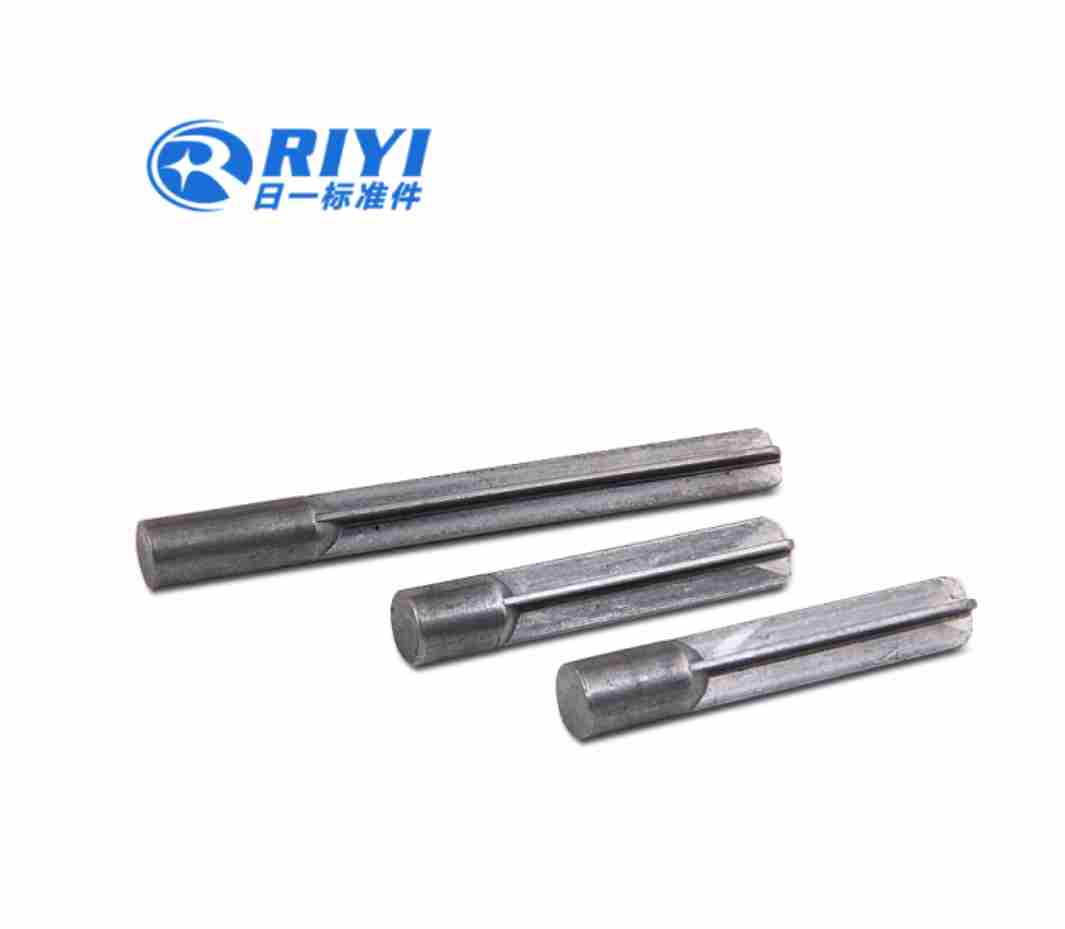
Cold Heading Components: High-performance Fastener Solutions from Wenzhou Riyi Standard Parts Co., Ltd
2026-09-29Cold heading processing shapes metal wire under strong pressure at room temperature without cutting raw materials. Unlike traditional CNC machining, this technology preserves the continuous metal grain flow inside cold heading parts.
-
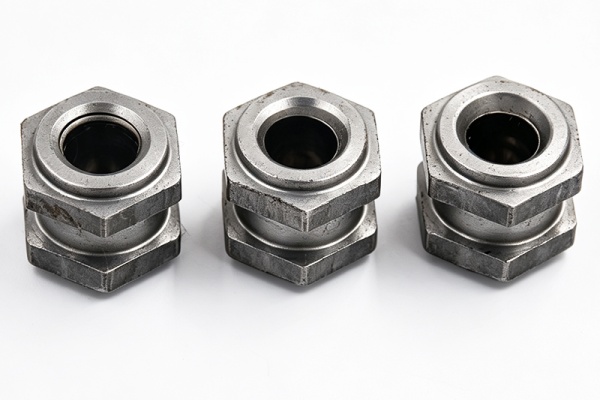
Special-shaped Bolts and Stainless Steel Double-ended Bolts from Wenzhou Riyi Standard Parts Co., Ltd
2026-09-23In modern mechanical manufacturing, construction engineering and equipment assembly, high-quality fasteners are the invisible foundation that guarantees structural safety and product stability.
-
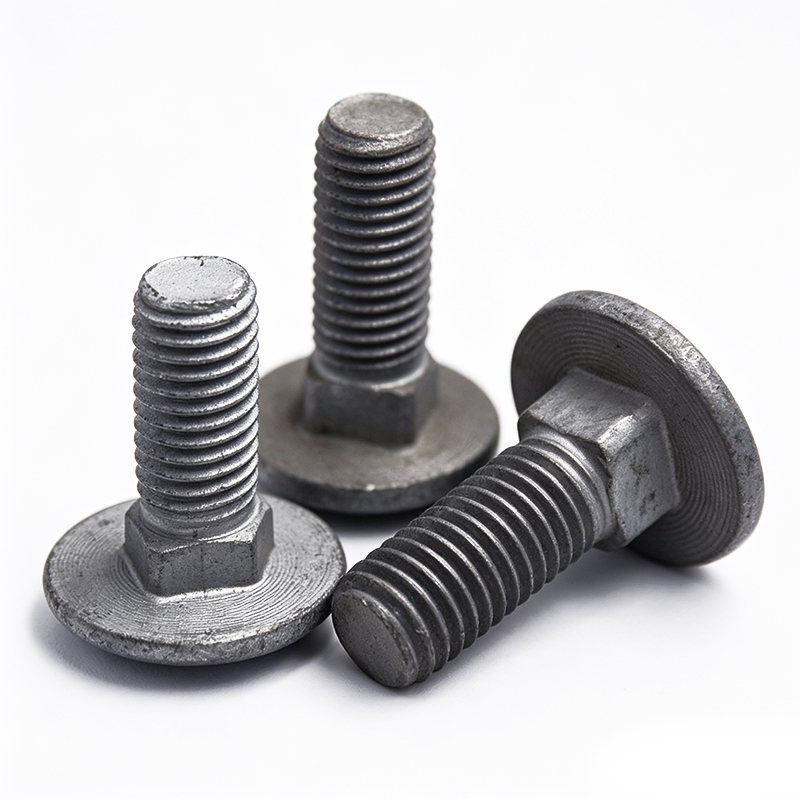
Precision Custom Fasteners from Wenzhou Riyi Standard Parts
2026-09-15Wenzhou Riyi Standard Parts is a reliable Chinese manufacturer focusing on custom non-standard fasteners, located in Wenzhou’s Binhai Economic Zone.
-
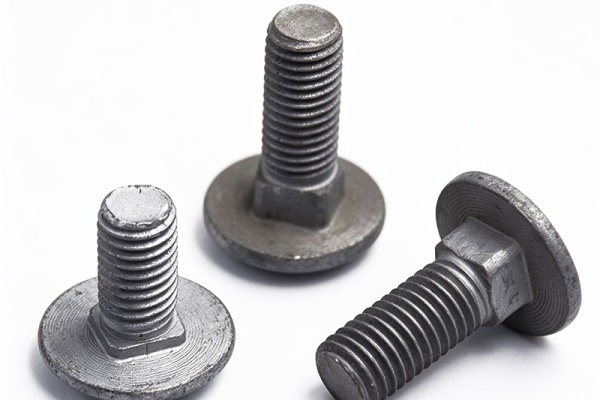
Aluminum Alloy Flange Bolts, Ball Head Studs & Dacromet Carriage Bolts – Reliable Fastener Startup Business
2026-09-08Fasteners are essential basic components widely used in machinery, automotive, engineering and equipment assembly industries.