Products


Brass Internal Thread Connection Fasteners
Brass internal threaded connector is a pipe fitting or fastening element with internal threads, used to cooperate with external threaded parts to achieve fastening and sealing of pipeline connections, fluid control or mechanical structures.
Send Inquiry
Product Description
Product introduction
Brass internal threaded connector is a pipe fitting or fastening element with internal threads, used to cooperate with external threaded parts to achieve fastening and sealing of pipeline connections, fluid control or mechanical structures. Common forms include internal threaded joints, nuts, pipe sleeves, water distributors, etc. In the fastener classification system, brass internally threaded connectors are often regarded as non-standard fasteners because their thread specifications, external dimensions or sealing structures often exceed the scope of standard nuts or pipe joints. In some special application scenarios, it will be designed as a specially shaped fastener with flange, tapered seal or locking structure to meet the requirements of high pressure, high frequency vibration or quick installation.
Product design and features
Design points:
Internal thread accuracy: usually adopts 6H or 6G tolerance, and can be used with sealing tape or sealing ring.
Appearance structure: hexagonal, round, shouldered or slotted for easy tool clamping.
Sealing structure: end face seal, cone seal or built-in O-ring groove.
Wall thickness control: It is necessary to balance the compressive strength and material cost to avoid blasting or cracking.
Product features:
Strong corrosion resistance: Brass has good resistance to water, oil, air and a variety of weak acid and weak alkali media.
Excellent processing performance: easy to turn, drill and tap, suitable for complex structures.
Beautiful and durable: golden appearance, not easy to rust after long-term use.
Non-sparking characteristics: suitable for explosion-proof environments such as gas and oil.
Materials and application areas
Material: Common brands: HPb59-1, HPb62-3, C3604, C3771. Optional treatments: nickel plating, chrome plating, passivation or brushed surface.
Application areas:
Plumbing and bathroom: angle valve, hose connector, water distributor.
Pneumatic system: air pipe joint, muffler base.
Instrumentation: pressure gauge connector, sensor mounting base.
Gas equipment: gas stove, water heater air inlet joint.
Quality control and certification system
Quality Control:
Thread detection: Thread pass and stop gauge, projector to detect tooth profile integrity.
Pressure test: air pressure or water pressure test to ensure there is no leakage (such as 1.6MPa or higher).
Dimensional inspection: calipers and imagers detect outer diameter, length, hexagonal opposite sides, etc.
Material analysis: Spectrometer detects copper, zinc, and lead content to ensure compliance with environmental protection requirements.
Certification system:
The general ISO 9001 system covers the production process.
RoHS, REACH, and SVHC test reports can be provided for export to Europe.
Use in the gas field requires certification according to standards such as EN 1254 and AS 3688.
When supplied as non-standard parts, full-size inspection reports and material certificates can be provided.
Customized services
Size customization: non-standard thread specifications (such as British, American, fine thread, tapered pipe thread), non-standard external dimensions.
Structural customization: built-in filter, one-way valve, orifice, anti-tamper structure, etc.
Assembly: Pre-installed gasket, O-ring or nylon locking ring.
Surface treatment: Customized coating type and thickness according to environmental requirements.
Process selection: CNC turning is used for small batches, and cold heading non-standard parts technology or hot forging + machining is used for large batches.
FAQ
Q: What are the advantages and disadvantages of brass internally threaded connectors compared with stainless steel connectors?
A: Brass is easier to process, cheaper, non-magnetic, and not easy to seize; but stainless steel has higher strength, higher temperature resistance and corrosion resistance. Brass is mostly used in plumbing and pneumatic fields, and stainless steel is recommended for chemical and high-temperature applications.
Q: Can it be used in high-pressure hydraulic systems?
A: Ordinary brass internal thread joints are generally suitable for medium and low pressure (≤6.4MPa). For high-pressure hydraulic systems, it is recommended to use forged brass or steel joints and confirm the pressure rating.
Q: How to prevent brass internally threaded connectors from loosening?
A: You can use pre-coated nylon anti-loosening glue, use spring washers, design a double-nut locking structure, or make the connecting piece into a special shape fastener (such as a serrated flange surface or a slotted cotter pin).
Q: Can this product be used as a fastener for automotive parts in braking systems?
A: Yes, but it must be made of high-strength brass (such as C37700) and pass the corresponding pressure pulse test, salt spray test and torque holding test. It is recommended to strictly follow the drawings and industry standards (such as SAE J512).
Q: What is the minimum order quantity?
A: The minimum order quantity for standard specifications is low. However, if they are non-standard parts, especially when molding is required for cold heading non-standard parts production, there will be a minimum order quantity requirement. It is recommended to provide estimated annual usage in order to evaluate the mold cost.


Latest News
-
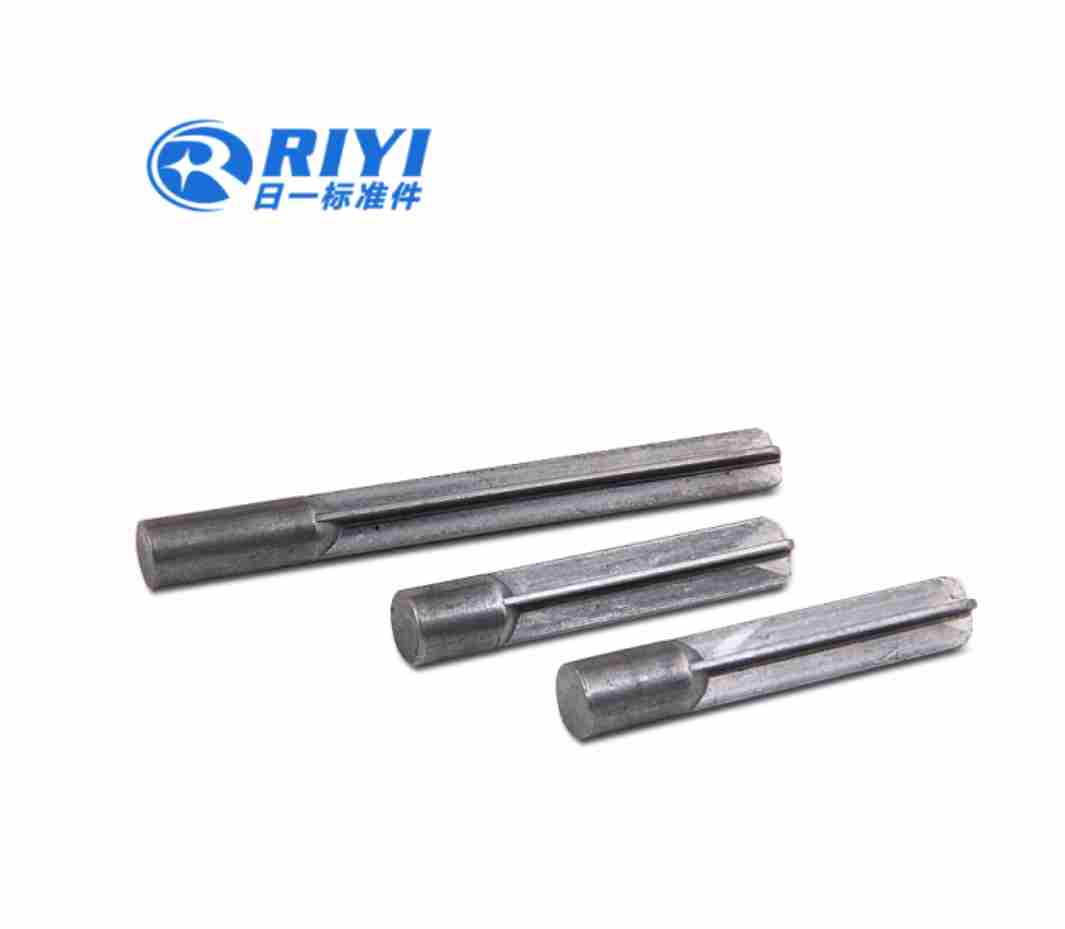
Cold Heading Components: High-performance Fastener Solutions from Wenzhou Riyi Standard Parts Co., Ltd
2026-09-29Cold heading processing shapes metal wire under strong pressure at room temperature without cutting raw materials. Unlike traditional CNC machining, this technology preserves the continuous metal grain flow inside cold heading parts.
-
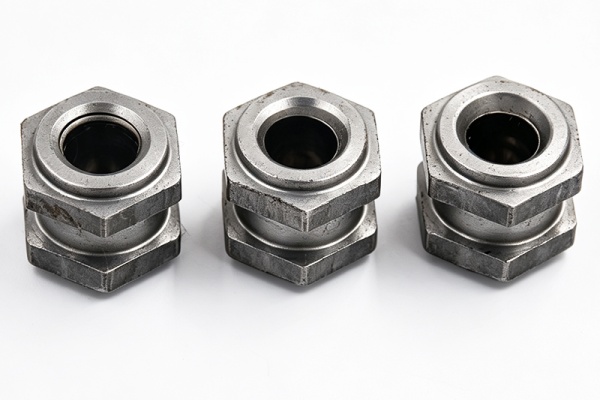
Special-shaped Bolts and Stainless Steel Double-ended Bolts from Wenzhou Riyi Standard Parts Co., Ltd
2026-09-23In modern mechanical manufacturing, construction engineering and equipment assembly, high-quality fasteners are the invisible foundation that guarantees structural safety and product stability.
-
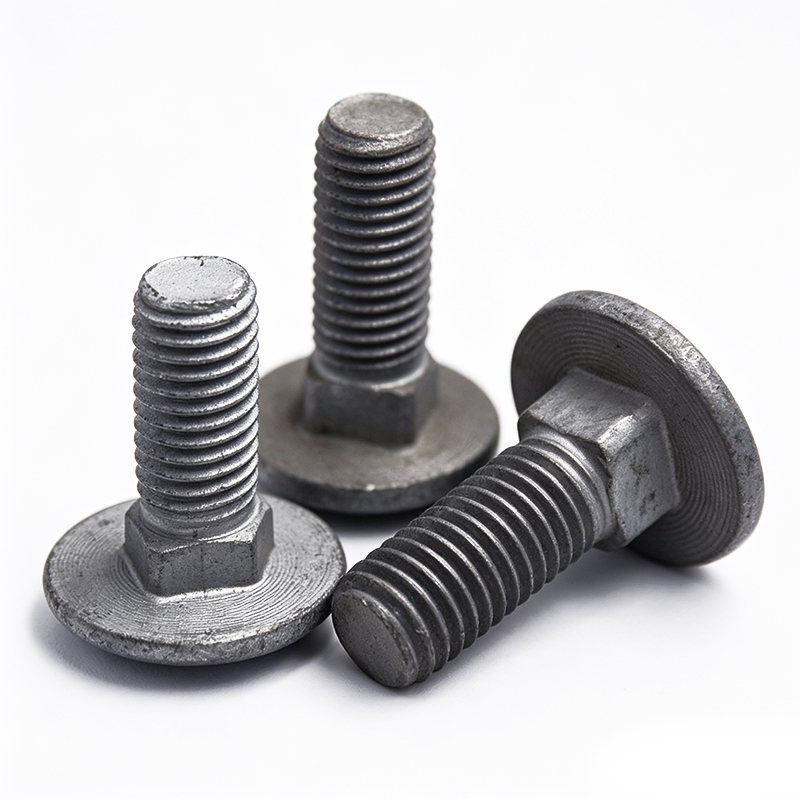
Precision Custom Fasteners from Wenzhou Riyi Standard Parts
2026-09-15Wenzhou Riyi Standard Parts is a reliable Chinese manufacturer focusing on custom non-standard fasteners, located in Wenzhou’s Binhai Economic Zone.
-
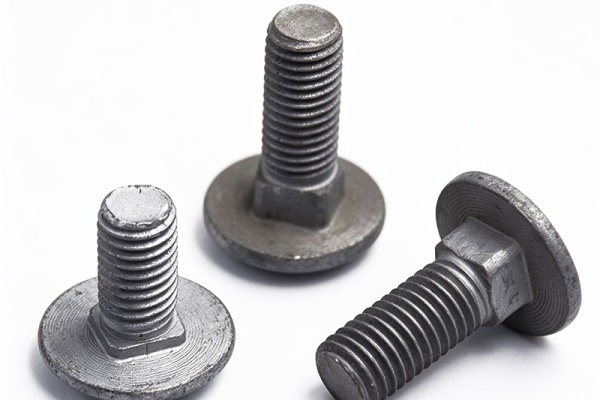
Aluminum Alloy Flange Bolts, Ball Head Studs & Dacromet Carriage Bolts – Reliable Fastener Startup Business
2026-09-08Fasteners are essential basic components widely used in machinery, automotive, engineering and equipment assembly industries.