Products


Enlarged Hexagon Head Oil Plug Fastener
This product is a screw with a special shape. The size of the hexagonal head is significantly larger than that of standard parts, providing a larger wrench contact surface, making it easy to install and disassemble with high torque, and it is not easy to slip.
Send Inquiry
Product Description
Product introduction
This product is a screw with a special shape. The size of the hexagonal head is significantly larger than that of standard parts, providing a larger wrench contact surface, making it easy to install and disassemble with high torque, and it is not easy to slip. It is suitable for hydraulic oil tanks, gearboxes, engine oil pans and other occasions that need to be sealed and leak-proof. As a typical non-standard screw, it breaks through the head proportion limit of conventional oil plugs, and can customize non-standard thread specifications, sealing methods (copper pad/O-ring/tapered thread) and head size. We support the development of customized non-standard screws, providing alloy steel, stainless steel or brass materials according to your medium, pressure and temperature conditions, and can control quality according to the IATF 16949 system.
Product design and features
Core structural components: The enlarged hexagonal head oil plug is a sealing fastener used in hydraulic systems, gearboxes, engine oil pans and various oil storage containers. Its core structure includes:
Enlarged hexagonal head: Compared with the standard hexagonal head, the opposite side size is increased by 15%-30%, providing a larger wrench contact surface, making it easier to apply force during high-torque installation while reducing the risk of head wear.
Precision thread section: Metric threads, American NPT tapered pipe threads, British BSPT threads and other standards can be used -6. Tapered threads rely on their own taper to achieve sealing, while straight threads require gaskets or O-rings.
Sealing structure: Copper gaskets, aluminum gaskets, rubber O-rings or nylon sealing rings-1-7 can be integrated to ensure no leakage in high-pressure environments.
Bottom design: Optional flat end, tapered end or spherical end to adapt to different oil hole shapes.
Core Features—Why it is a “specially shaped screw”
Standard oil plugs (such as DIN908, DIN910) usually adopt internal hexagonal or ordinary hexagonal head design-6. The enlarged hexagonal head oil plug breaks this convention - the head size is specially enlarged to adapt to larger installation tools or provide better operability in narrow spaces. This makes it impossible to find corresponding specifications directly in ordinary fastener manuals, so it is a typical special-shaped screw.
Materials and application areas
SUS304 stainless steel: good corrosion resistance, suitable for general industrial equipment, food machinery, chemical pipelines under normal working conditions
SUS316 stainless steel: resistant to chloride ion corrosion and excellent salt spray resistance. Ships, coastal facilities, marine engineering
45# steel/alloy steel high strength: can be heat treated to HRC32-39 heavy machinery, engineering vehicles, mining equipment-3
Brass/Bronze: non-sparking, corrosion-resistant, suitable for flammable environments Fuel systems, oil and gas storage and transportation-1
Nylon 6/6: Non-conductive, chemical-resistant, low-cost electronic equipment, low-pressure pneumatic systems-7
Aluminum alloy: lightweight, suitable for weight-sensitive equipment aerospace, racing, mobile machinery
Application areas
Engineering machinery: hydraulic oil tanks, fuel tanks, and drive axle oil drain ports of excavators, loaders, and bulldozers-3
Automobile manufacturing: engine oil pan, gearbox oil drain plug, differential oil filler port-1
Industrial hydraulics: sealing of process holes in hydraulic pump stations, cylinders, valve groups, and gearboxes
Ships and oceans: bilge systems, fuel systems, lubricating oil lines (requires 316 material to prevent seawater corrosion)
Wind power equipment: sealing interfaces of gearboxes, yaw systems, and hydraulic braking systems
Quality control and certification system
Test items and methods
Dimensional accuracy: Use a three-dimensional coordinate measuring instrument to detect the dimensions of the hexagonal head (tolerance ±0.1mm), thread pitch diameter, and taper angle.
Mechanical properties: Guaranteed load test, torque test (to verify the torsional strength of the head and thread)
Sealing performance: air pressure/oil pressure sealing test (no leakage after maintaining pressure for 5 minutes, pressure up to 35MPa)
Hardness testing: Vickers or Rockwell hardness test to ensure that the material meets the requirements
Corrosion resistance: salt spray test (304 material ≥ 240h, 316 material ≥ 720h without red rust)
Certification qualification:
ISO 9001:2015 (whole process quality system)
IATF 16949 (Special requirements for the automotive industry, applicable to vehicle oil plugs)
RoHS/REACH (environmental compliance)
Can issue third-party material reports and performance testing reports (SGS, etc.)
Customized services
We specialize in transforming a customer's sketch or a usage problem into mass-produced customized non-standard screws. Here are our customizable dimensions:
Size: Any thread specification (M6~M64), any length, non-standard hexagonal head across sides/height
Thread type: Metric coarse/fine thread, American NPT/NPTF, British BSP/BSPT, UN/UNF, left-hand thread -6
Sealing structure: copper gasket/aluminum gasket, O-ring groove (nitrile/fluorine rubber/silica gel), nylon sealing ring, tapered thread self-sealing-1-7
Head shape: external hexagon (standard or extra large), hexagon flange, internal hexagon, slotted hexagon (screwdriver available) -7
Material and treatment: stainless steel/carbon steel/brass/aluminum alloy/nylon, surface treatment: galvanized/nickel plated/Dacromet/blackened-1-3
Additional features: magnetic adsorption (captures iron filings), air vent (with oil-proof filter), temperature/level sensor integration, tamper-proof design
Logo: Engraving/engraving LOGO on the head, marking the words "OIL" or "FUEL"
Customization process
Requirement input: Provide drawings, samples or detailed description of working conditions (media type, pressure, temperature, installation space restrictions, etc.)
DFM analysis: evaluate the production process route (cold heading, hot forging, red punching or precision turning) and give manufacturability suggestions-3
Sample manufacturing: 10-50 samples delivered in 10-20 days
Installation verification: Customer tests the matching of sealing performance and installation process
Mass production: MOQ is generally 3000-5000 pieces, complex non-standard screws can be negotiated for trial production of 1000 pieces
Customized case: A heavy machinery customer needs an M30×1.5 enlarged hexagonal head oil plug. The hexagonal head requires 46mm across the edge (standard is 41mm). The thread section needs to be integrated with a fluorine rubber O-ring. The head requires laser marking of the equipment number and a magnetic core to absorb worn iron filings. This is a typical customized non-standard screw. We completed it from design to delivery in only 21 days.
FAQ
Q: Why is the enlarged hexagonal head oil plug called a "specially shaped screw"? Are there no ordinary standard parts?
A: Standard oil plugs such as DIN908 (inner hexagon) and DIN910 (external hexagon) have fixed head size ratios. The enlarged hexagonal head significantly enlarges the head size on the standard basis and is a non-standard design. Therefore it is a specially shaped screw. If you also need non-standard threads or special sealing structures, it becomes a non-standard screw; if it is completely customized according to your working condition parameters, it is a customized non-standard screw-3-6.
Q: What are the advantages of enlarged hexagonal head oil plug compared with ordinary inner hexagonal oil plug?
A: There are three main advantages: ① Greater installation torque - a socket wrench can be used with the hexagonal head, which can withstand higher torque than an internal hexagonal wrench; ② Not easily damaged - the internal hexagonal hole is prone to slipping and scrapping after long-term use, but the hexagonal head does not have this problem; ③ Easy maintenance - during field maintenance, it is easier for workers to find suitable socket tools.
Q: How much pressure can your oil plug withstand?
A: Depends on the material and sealing method. Taper thread (NPT/BSPT) relies on its own taper to withstand medium and high pressure (about 20-35MPa); straight thread + copper gasket is suitable for medium and low pressure (10-20MPa); straight thread + O-ring can be designed for use above 35MPa. For high-pressure hydraulic systems, we can provide customized non-standard screws, made of alloy steel + special seal combination-3.
Q: How to ensure that the oil plug does not loosen in a vibration environment?
A: We provide a variety of anti-loosening solutions: ① Threads are pre-coated with nylon anti-loosening glue; ② Combined spring washers; ③ Flange surface with serrated design; ④ Using tapered threads (NPT) to rely on interference fit for self-locking. For extreme vibration conditions, special-shaped screws can be customized - such as oil plugs with locking holes or double-nut structures-1.
Q: What is the minimum order quantity (MOQ)?
A: - Regular stock specifications (such as M14×1.5, M18×1.5): starting from 100 pieces
Non-standard screws (only non-standard size, such as M16×1.5 but with enlarged head): starting from 3000 pieces
Specially shaped screws (with complex sealing structures or special functions): starting from 5,000 pieces
Customized non-standard screws (completely customized according to drawings): starting from 8,000 pieces, sample order can be negotiated (100-200 pieces)
Q: How to verify the sealing performance of non-standard oil plug?
A: During the sample stage, we will conduct air tightness tests or oil pressure holding tests according to customer requirements, and provide test reports. During mass production, random inspection can be carried out according to AQL standards, or 100% full inspection can be carried out according to customer requirements. For critical applications (such as aviation, high-pressure hydraulics), it is recommended to sign a quality agreement and clarify the acceptance criteria-3.


Latest News
-
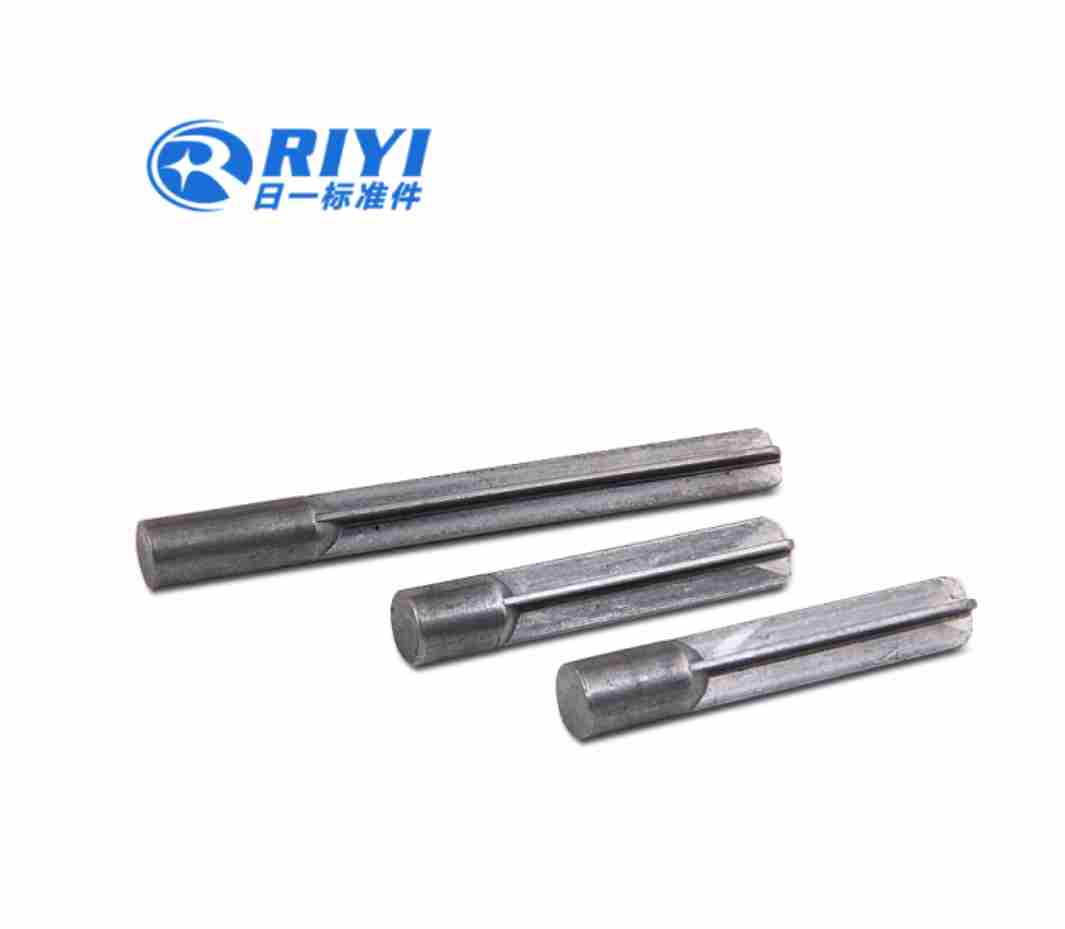
Cold Heading Components: High-performance Fastener Solutions from Wenzhou Riyi Standard Parts Co., Ltd
2026-09-29Cold heading processing shapes metal wire under strong pressure at room temperature without cutting raw materials. Unlike traditional CNC machining, this technology preserves the continuous metal grain flow inside cold heading parts.
-
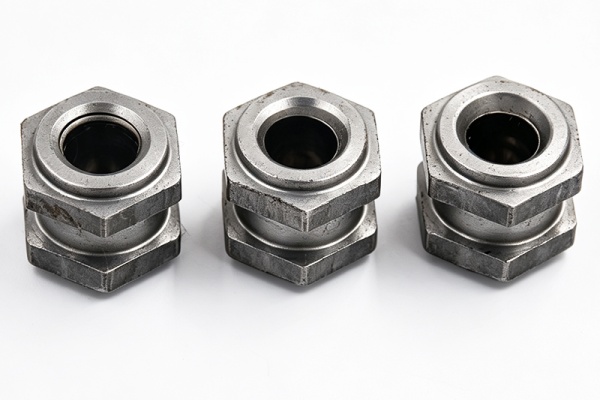
Special-shaped Bolts and Stainless Steel Double-ended Bolts from Wenzhou Riyi Standard Parts Co., Ltd
2026-09-23In modern mechanical manufacturing, construction engineering and equipment assembly, high-quality fasteners are the invisible foundation that guarantees structural safety and product stability.
-
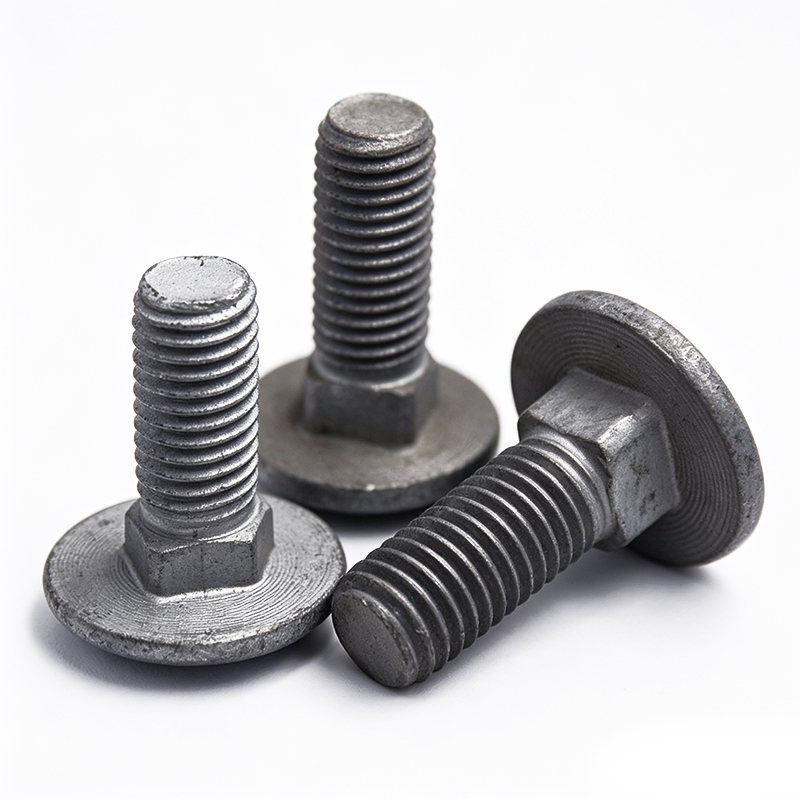
Precision Custom Fasteners from Wenzhou Riyi Standard Parts
2026-09-15Wenzhou Riyi Standard Parts is a reliable Chinese manufacturer focusing on custom non-standard fasteners, located in Wenzhou’s Binhai Economic Zone.
-
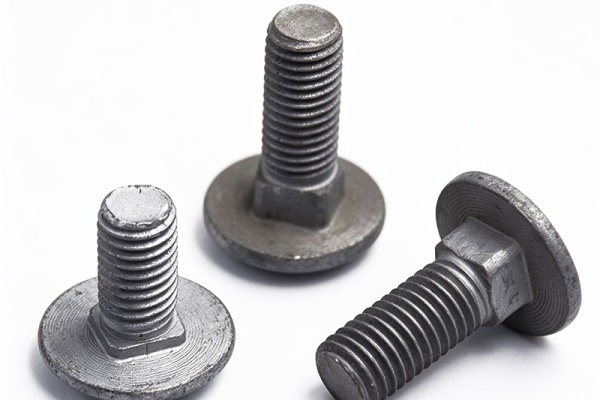
Aluminum Alloy Flange Bolts, Ball Head Studs & Dacromet Carriage Bolts – Reliable Fastener Startup Business
2026-09-08Fasteners are essential basic components widely used in machinery, automotive, engineering and equipment assembly industries.