Products


Stainless Steel Cylindrical Head Hexagon Socket Step Eccentric Pin
Stainless steel cylindrical head hexagonal step eccentric pin is a special-shaped fastener that integrates positioning, connection and fine-tuning functions. It is essentially a pin-type part, but through exquisite eccentric design, it achieves functions that cannot be accomplished by standard fasteners. Due to its special structure and variable dimensions, it rarely has a completely unified standard, so it is generally regarded as a typical non-standard fastener in the industry.
Send Inquiry
Product Description
Product introduction
Stainless steel cylindrical head hexagonal step eccentric pin is a special-shaped fastener that integrates positioning, connection and fine-tuning functions. It is essentially a pin-type part, but through exquisite eccentric design, it achieves functions that cannot be accomplished by standard fasteners. Due to its special structure and variable dimensions, it rarely has a completely unified standard, so it is generally regarded as a typical non-standard fastener in the industry. Its core value lies in its ability to accurately and continuously fine-tune the relative position (center distance) between two or more components by rotating the pin body and using the eccentric segment to compensate for manufacturing tolerances and achieve precise alignment and reliable fastening.
Product design and features
Its design is completely centered around the core function of "precision fine-tuning" and is a precision representative among stainless steel non-standard parts: eccentric step design: this is the soul of the product. The pin body contains at least two sections of cylinders with different axes (i.e. "eccentric steps"). When the pin rotates, the eccentric part will push the mating part to produce slight radial displacement, thereby achieving precise position compensation.
Cylindrical head and internal hexagonal drive: The head adopts a cylindrical head shape, which is both beautiful and has sufficient wrench space; the internal hexagonal counterbore provides strong torque input capability, ensuring easy operation, uniform force and less slippage during adjustment and locking.
Precision size and smoothness: As precision adjustment parts, the diameter, concentricity, eccentricity (e) and surface finish of each section have extremely high requirements, which usually require grinding processing to ensure.
Consistency of materials and processes: Made of high-quality materials commonly used for stainless steel fasteners, and solid solution treated to ensure uniform dimensional stability and mechanical properties, small force deformation during adjustment, and long-lasting precision.
Materials and application fields
Mainstream materials:
304 Stainless Steel (0Cr18Ni9): The most versatile choice with good corrosion resistance, formability and mechanical properties, suitable for most industrial and general wet environments. It is the main material for manufacturing such stainless steel fasteners.
316 stainless steel (0Cr17Ni12Mo2): The addition of molybdenum element makes it more resistant to chloride ion corrosion, and is suitable for harsh occasions such as marine environment, chemical industry, and medical equipment. It is often used when making high-demand stainless steel non-standard parts.
Core application areas:
Precision machinery and molds: used for fine-tuning the position of mold inserts and gap compensation and alignment of precision machine tool transmission components.
Work fixture: Precisely position the workpiece in the fixture to compensate for wear or machining errors of the positioning components.
Automation equipment: Adjust the precise position of robot end effectors, conveyor line guides, sensors and other components.
Optical instruments and high-end electronics: adjust the installation posture and focus of optical or electronic components such as lenses, laser heads, and precision circuit boards.
Quality control and certification system
For such high-precision non-standard parts, quality control runs throughout:
Dimensional and geometric tolerances: Strictly follow the drawings, use precision projectors, three-dimensional coordinate measuring machines, etc. to detect key dimensions such as eccentricity (e), diameter of each step, cylindricity, coaxiality, etc., in accordance with tolerance standards such as GB/T 1800.2-2020.
Mechanical properties: Test the hardness (such as HV) and tensile strength of the material, and refer to relevant standards such as GB/T 3098.6-2014 (stainless steel bolts, screws and studs) to ensure that it has sufficient strength and wear resistance.
Materials and corrosion resistance: Verify the material composition through a spectrometer, and verify whether its corrosion resistance as a stainless steel fastener meets the standard through a neutral salt spray test (such as 48H/72H/96H).
Surface quality: Check whether there are cracks, scratches, rust spots and other defects on the surface to ensure that the finish meets the requirements.
Customized services
This product needs to be customized in most cases, and cooperation with professional non-standard parts factories is an inevitable choice: Necessity of customization: Because its function is highly dependent on the specific assembly structure, parameters such as eccentricity (e), step size, total length, thread (if any) are ever-changing, and there are almost no "standard products".
Customization process: On demand: Customers need to provide detailed two-dimensional drawings or three-dimensional models, clearly marking all dimensions, tolerances, materials, hardness and surface treatment requirements. Technical evaluation: Factory engineers will evaluate process feasibility, cost, and make optimization suggestions. Proofing and confirmation: Make a small number of samples for customers to test assembly and function, and mass produce after confirmation. Scope of customization capabilities: An excellent non-standard parts factory can not only process stainless steel non-standard parts of various sizes, but also provide full-chain services from material heat treatment (such as increasing hardness) to special surface treatment (such as electrolytic polishing, passivation to enhance anti-corrosion).
FAQ
Q: How to determine the required "eccentricity"?
A: The eccentricity is the maximum radial adjustment amount that can be produced when the pin is rotated. It is usually determined based on the hole position tolerance or adjustment range you need to compensate for. For example, if the theoretical center distance deviation of two holes may be up to ±0.2mm, then choosing a pin with an e-value slightly greater than 0.2mm can cover this error. Adjustment margin should be reserved during design.
Q: Why is stainless steel the material of choice? What are the advantages besides rust prevention?
A: In addition to excellent corrosion resistance, stainless steel also has non-magnetic properties, low thermal conductivity, good toughness and certain strength. These characteristics make it suitable for medical MRI equipment, food machinery, vacuum environments, and some precision occasions that are sensitive to thermal expansion or need to avoid magnetic interference, making it an ideal base material for high-end stainless steel non-standard parts.
Q: How to efficiently communicate with the factory when customizing this kind of parts?
A: Provide complete drawings: This is the most efficient way. Drawings are an internationally accepted technical language. Identify key functions: Clearly describe its purpose, which parts it works with, and the scope of adjustments it needs. Specify performance requirements: such as use environment (whether exposed to chemicals), required hardness, whether it is required to be non-magnetic, etc. Confirm the sample process: Be sure to confirm the process of sampling, testing, modification and final confirmation. This is a key step to ensure that non-standard fasteners can be used perfectly.
Send Inquiry
Related Products
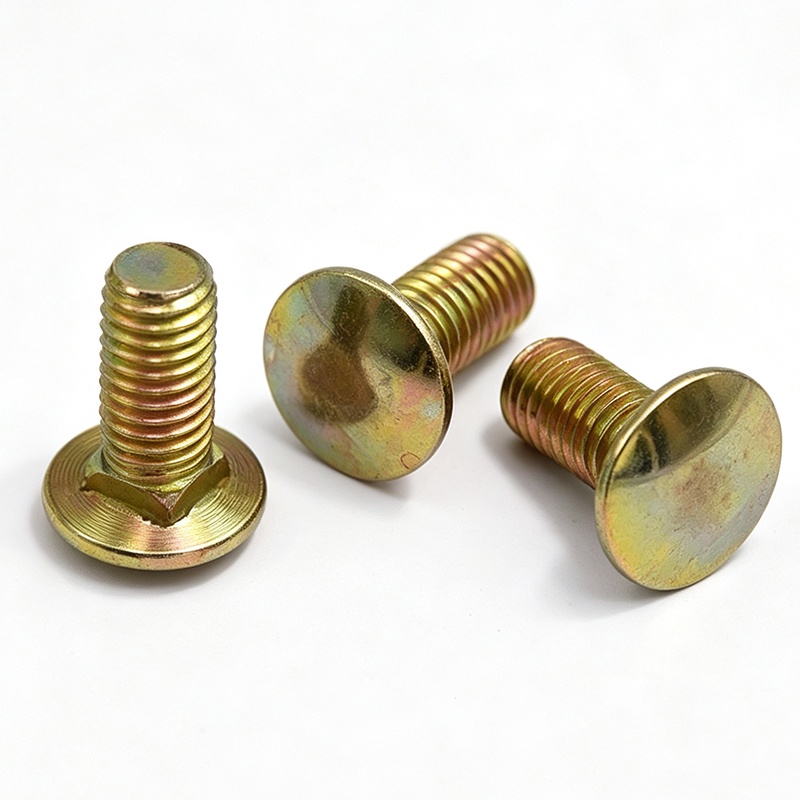 Stainless Steel Carriage Bolts with Corrosion Resistant Square Neck Bolts for Metal
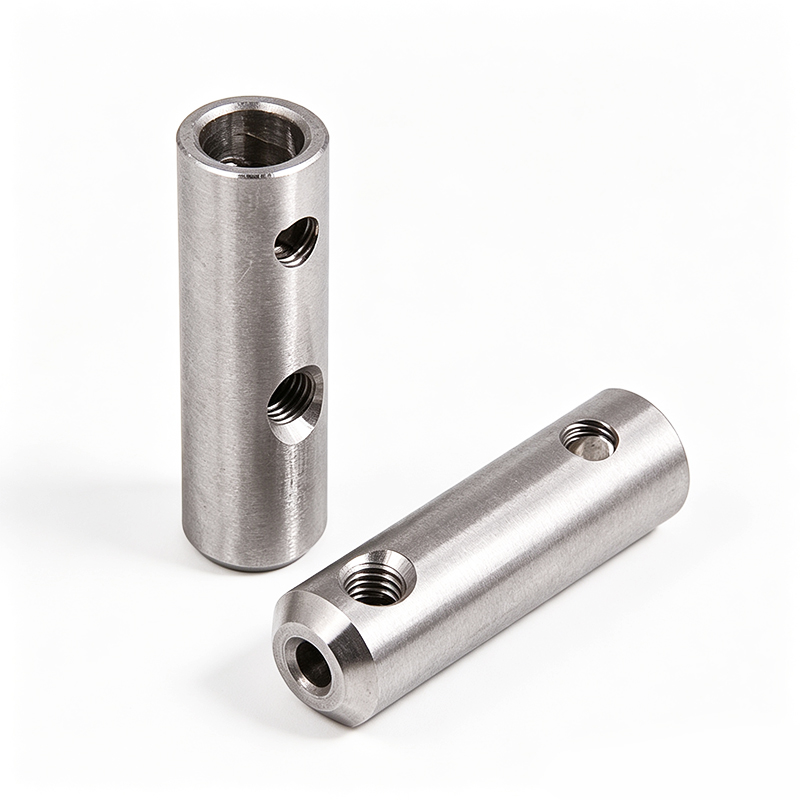 Stainless Steel Cylindrical Connector with Threaded Cross Holes
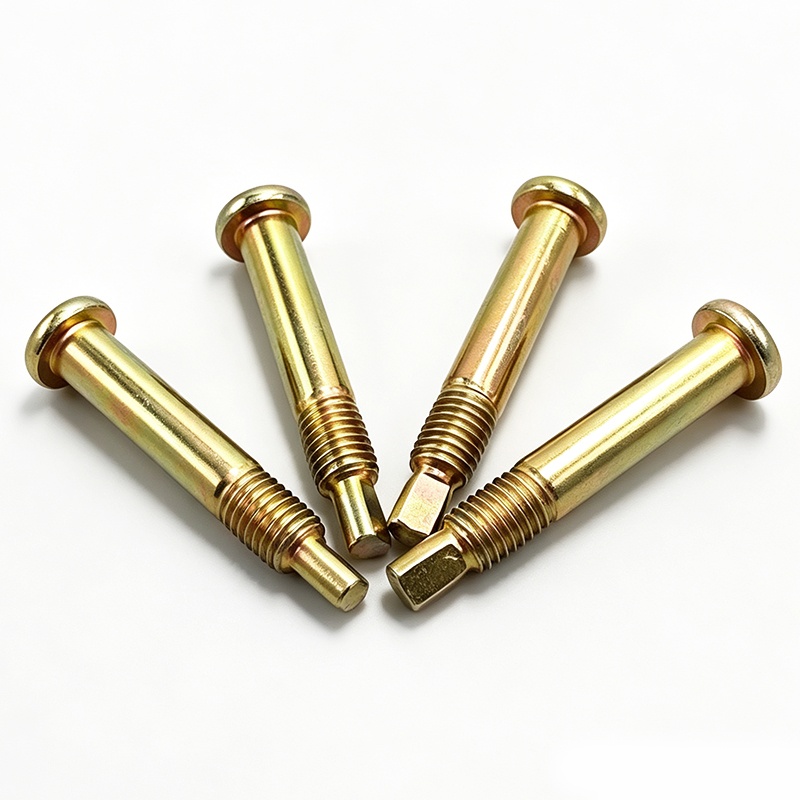 CNC Machined Stainless Steel Round Head Shoulder Bolts
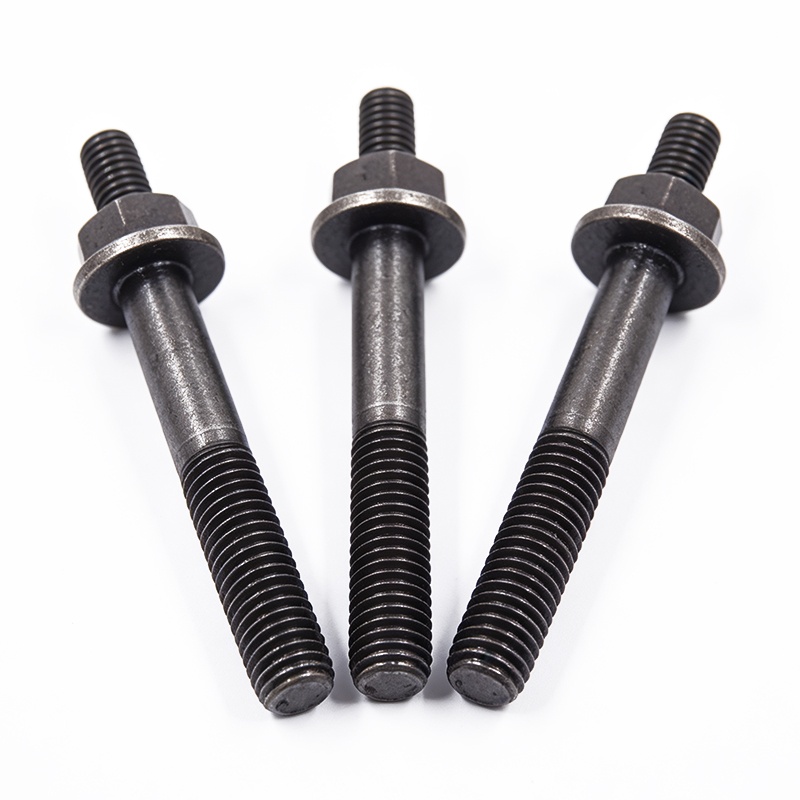 CNC Machined Stainless Steel Hex Flange Double Ended Stud Bolts for Industrial Fastening
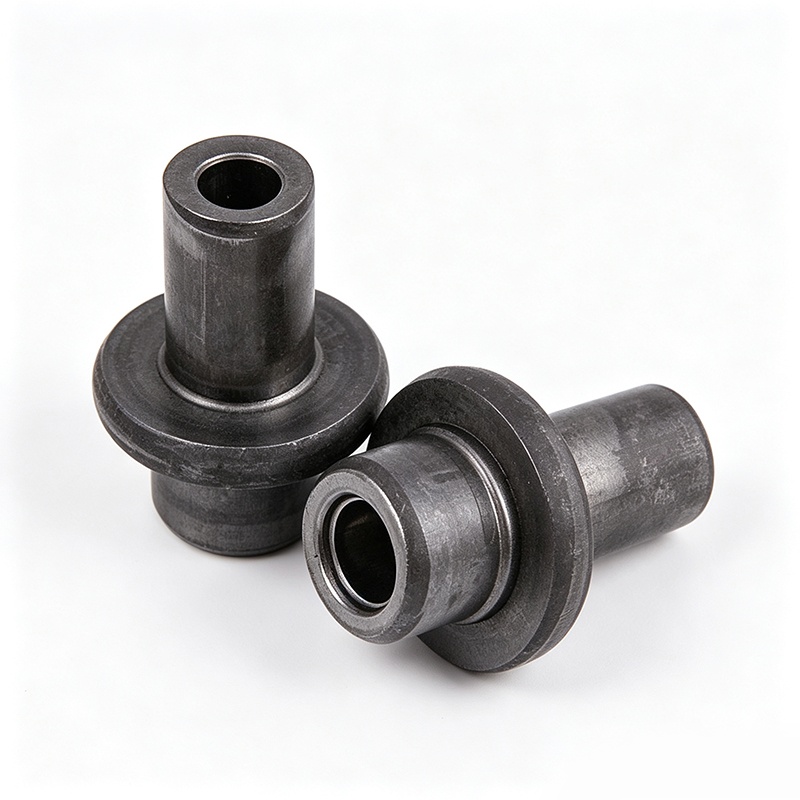 CNC Machined Bronze Flanged Bushing with Self Lubricating Wear Resistance
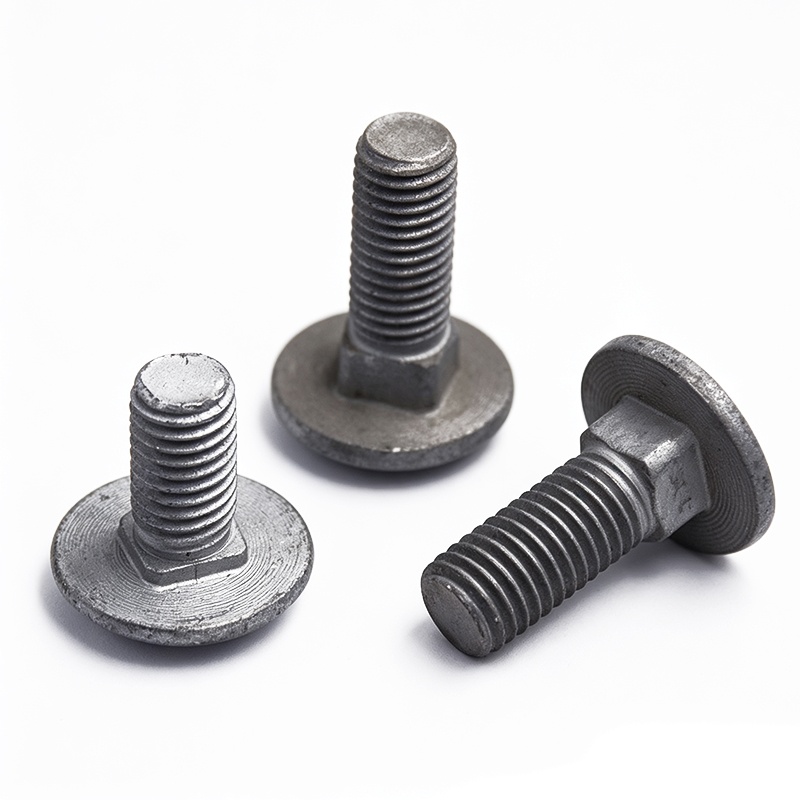 Dacromet Disc Head Square Neck Carriage Bolt
Latest News
-
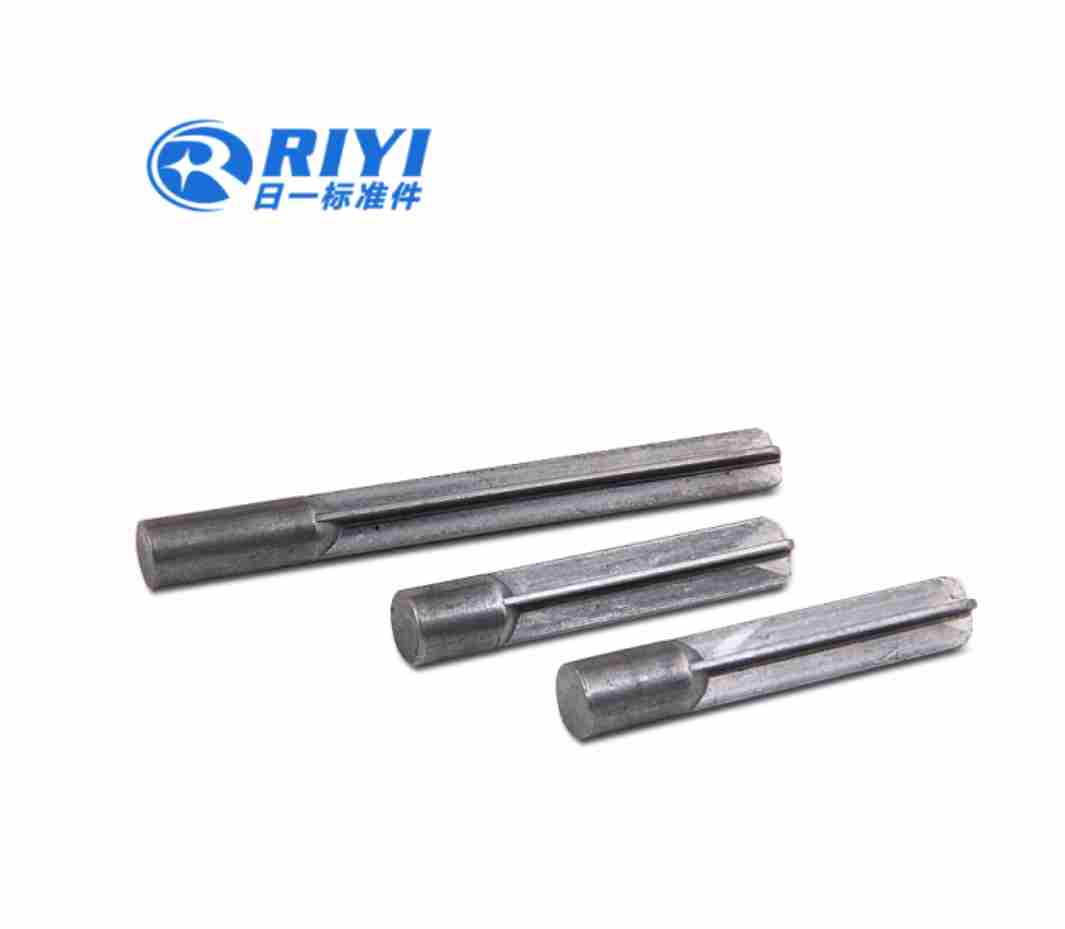
Cold Heading Components: High-performance Fastener Solutions from Wenzhou Riyi Standard Parts Co., Ltd
2026-09-29Cold heading processing shapes metal wire under strong pressure at room temperature without cutting raw materials. Unlike traditional CNC machining, this technology preserves the continuous metal grain flow inside cold heading parts.
-
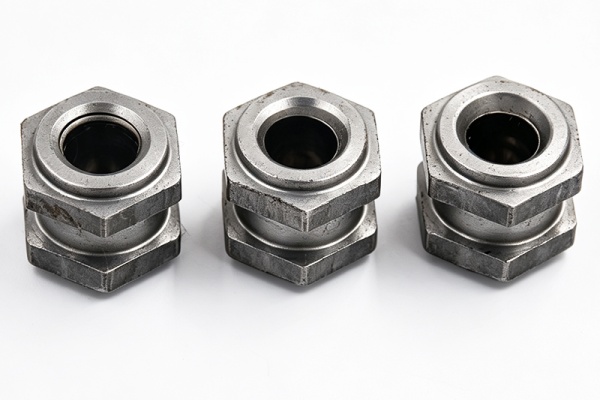
Special-shaped Bolts and Stainless Steel Double-ended Bolts from Wenzhou Riyi Standard Parts Co., Ltd
2026-09-23In modern mechanical manufacturing, construction engineering and equipment assembly, high-quality fasteners are the invisible foundation that guarantees structural safety and product stability.
-
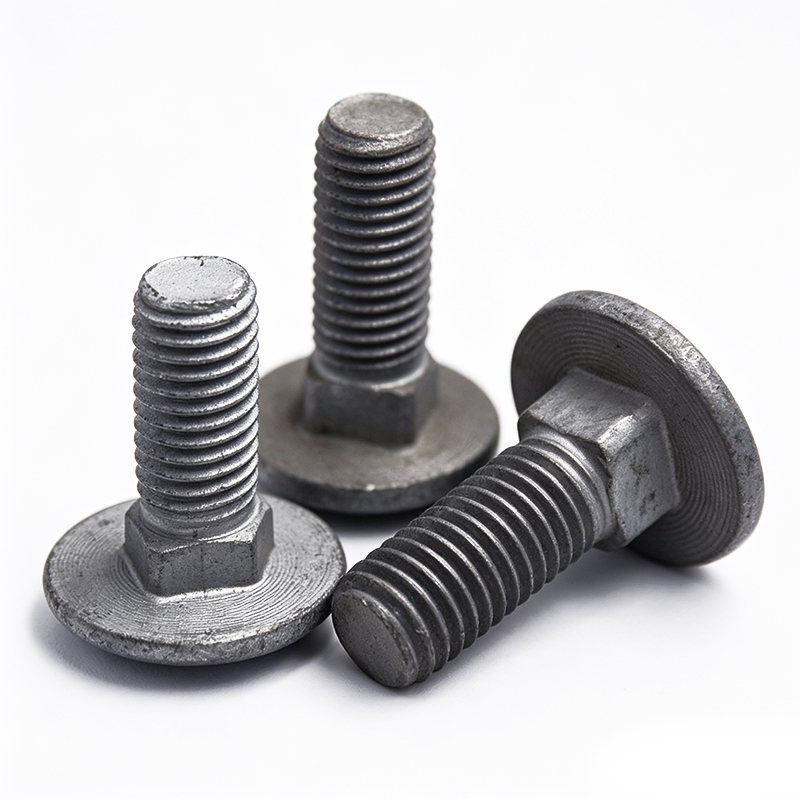
Precision Custom Fasteners from Wenzhou Riyi Standard Parts
2026-09-15Wenzhou Riyi Standard Parts is a reliable Chinese manufacturer focusing on custom non-standard fasteners, located in Wenzhou’s Binhai Economic Zone.
-
Aluminum Alloy Flange Bolts, Ball Head Studs & Dacromet Carriage Bolts – Reliable Fastener Startup Business
2026-09-08Fasteners are essential basic components widely used in machinery, automotive, engineering and equipment assembly industries.