Products


Aluminum Alloy Flat Round Head Conical Turning Tip Locating Pin
The aluminum alloy flat round head taper tip positioning pin is a high-precision, special-shaped aluminum alloy fastener. Its core function is to provide precise radial positioning and reliable axial connection for two or more components to prevent misalignment under vibration or stress conditions. This type of product is specially designed for scenarios that require lightweight, high strength and precision assembly, and is a typical result in the field of special shape fastener processing.
Send Inquiry
Product Description
Product introduction
The aluminum alloy flat round head taper tip positioning pin is a high-precision, special-shaped aluminum alloy fastener. Its core function is to provide precise radial positioning and reliable axial connection for two or more components to prevent misalignment under vibration or stress conditions. This type of product is specially designed for scenarios that require lightweight, high strength and precision assembly, and is a typical result in the field of special shape fastener processing. This type of positioning pin is usually made of high-strength deformed aluminum alloy (such as 7075, 6061) and adopts a one-piece structure. Its "flat round head" design can provide a beautiful, flat mounting surface and increase the pressure-bearing area; the "taper" design enables the pin body to achieve self-guiding, self-centering and increasingly tighter interference fit when pressed into the mating hole, ensuring connection rigidity and repeatable positioning accuracy; the "turning tip" process refers to processing the guide end into a tip or arc at a specific angle through precision turning, which greatly reduces assembly difficulty and damage to the hole. As a typical aluminum alloy non-standard part, its size, taper, length and head structure can be deeply customized according to the customer's assembly parameters to achieve the best performance.
Product design and features
Combining lightweight and high strength: Using aluminum alloy material, its density is only 1/3 of steel. However, through the selection of high-strength grades and heat treatment processes, the tensile strength can reach 500MPa or even more than 600MPa, achieving extremely high specific strength.
Precision taper and guide design: The taper part is precisely calculated and processed to ensure the interference fit with the base hole to achieve optimal stress distribution. The guide design of the car tip avoids gnawing during assembly. It is especially suitable for blind holes or scenes with difficult alignment, improving assembly efficiency and yield rate.
Optimized head structure: The flat round head design not only looks neat, but also provides a larger contact surface after tightening, effectively distributing the load and preventing the soft aluminum alloy substrate from being crushed.
Excellent corrosion resistance and seizure resistance: The aluminum alloy surface can obtain excellent corrosion resistance through anodizing and other treatments. At the same time, combined with solid lubrication technology (such as oxide film or coating), it solves the problem of thread seizure that easily occurs when metal fasteners are repeatedly disassembled and assembled, and improves the maintainability of the product.
Flexibility of customized design: As a customized non-standard part, all its design parameters (such as taper angle, diameter tolerance, head thickness, guide angle) can be adjusted to meet the unique needs of different application scenarios ranging from general mechanical equipment to aerospace equipment.
Materials and application fields
Material selection is the cornerstone of the performance of this type of dowel. Mainly using deformed aluminum alloys that can be strengthened by heat treatment: 7075/7055/7050 series: They are super-hard aluminum alloys and are the first choice for manufacturing high-strength aluminum alloy fasteners. Its strength level can reach 500-600MPa, which is comparable to some steel materials, while remaining lightweight. It is widely used in fields with extreme requirements for weight reduction and strength.
6061 series: a classic forged aluminum alloy with good comprehensive properties (strength, processability, corrosion resistance). It is a commonly used material for manufacturing customized aluminum alloy non-standard parts, and its cost is relatively more advantageous.
Surface treatment: Usually sulfuric acid anodizing or chemical oxidation treatment is performed to greatly improve corrosion resistance and wear resistance, and can present different colors.
Application areas cover all advanced manufacturing industries that require precise positioning and lightweighting:
Aerospace and defense industry: precise positioning and connection of rocket bodies, satellite structures, aircraft skins and frames. There are hundreds of thousands of fasteners on a rocket, and the use of such aluminum alloy fasteners can achieve significant weight reduction.
Rail transit and new energy vehicles: used for the connection of aluminum alloy car bodies, battery pack shells, anti-collision beams and other components. Bolt connection is a key technology to achieve detachable maintenance of lightweight profile structures.
High-end industrial equipment and robots: It is the core positioning component in high-precision transmission and positioning mechanisms such as precision machine tools, semiconductor equipment, and industrial robot joints.
Electronic information and medical equipment: Server frameworks, high-end cooling modules, medical imaging equipment and other fields that require extremely high structural accuracy and cleanliness.
Quality control and certification system: The production of such high-performance customized non-standard parts requires a strict quality control and certification system to ensure its reliability and consistency.
Material-level control: Starting from the source, spectral analysis is performed on each batch of aluminum alloy fastener raw materials to accurately determine the alloy and trace element composition to ensure that the material grade meets the requirements. At the same time, metallographic tests are performed to evaluate the uniformity and quality of the internal structure of the material.
Process and dimensional control: Advanced CNC (CNC machining center) and turning-milling combined technology are used to process special-shaped fasteners to ensure complex taper and tip shapes. During the production process, high-precision equipment such as three-dimensional coordinate measuring machines and 2.5-dimensional imagers are used to conduct 100% or high-frequency random inspections of key dimensions (such as taper, diameter, and true roundness). The tolerance can be strictly controlled within ±0.01mm to ±0.05mm.
Performance and reliability testing: The finished product must pass a series of rigorous mechanical and environmental tests:
Mechanical technical tests: including tensile, shear, and fatigue tests to verify its strength, toughness, and vibration resistance.
Corrosion test: Carry out salt spray test and cyclic corrosion test to evaluate the long-term protection ability of its surface treatment.
Assembly and repeatability testing: simulate actual working conditions to test its installation torque, anti-seizure ability and performance retention rate after repeated disassembly and assembly.
Certification system: Leading manufacturers follow internationally accepted quality system standards. For example, ISO 16426 is a quality assurance system standard specifically for fastener manufacturers, aiming to achieve the goal of near-zero defects through scientific management. In addition, independent testing laboratories can be certified according to DIN EN ISO/IEC 17025, ensuring global credibility of test results.
Customized services
Customized services for aluminum alloy non-standard parts are the core to meet diverse engineering needs. Professional service process covers:
Demand communication and solution design: Customers can provide two-dimensional drawings, three-dimensional models or physical samples. The engineering team will analyze the application scenario (load, working conditions, matching materials), and provide professional advice on material selection, heat treatment process, structural optimization (such as stress groove design) based on in-depth experience in customizing aluminum alloys.
Rapid prototyping and proofing: Utilize the laboratory's own prototype manufacturing capabilities to quickly produce small batches of samples for customers to verify assembly and functionality. This stage is the core link of optimization design.
Process planning and small-batch trial production: After determining the final plan, plan a complete process route for processing special-shaped fasteners (such as using cold heading, precision turning or combined processes), and conduct trial production. Conduct full size and performance testing on the trial product, and enter mass production after the data reaches standards.
Mass production and stability control: In mass production, the quality control system is strictly followed. For customized non-standard parts, key dimensions may be fully inspected and a detailed factory inspection report will be provided.
Technical support and after-sales service: Provide continuous technical support including installation guidance and failure analysis. Professional inspection laboratories can also perform damage analysis for customers and help troubleshoot problems in the connection system.
FAQ
Q: What is the typical lead time for customizing a batch of non-standard positioning pins?
A: The cycle time depends on the design complexity and order quantity. For newly designed customized non-standard parts, it usually needs to go through stages such as design review, mold/tooling preparation (if necessary), sample trial production and testing. From confirmation of the final drawing to delivery of the first batch of qualified products, it may take 1-2 weeks for simple structures, and 3-8 weeks or even longer for complex or high-precision requirements. The cycle for mass production of large orders will be relatively shorter and more stable.
Q: When choosing materials, how should 7075 and 6061 aluminum alloys be weighed?
A: 7075 aluminum alloy has higher strength (tensile strength can reach more than 500MPa) and hardness. It is suitable for key parts that bear high load and high stress, but the cost is higher and the processing is slightly more difficult. 6061 aluminum alloy has excellent comprehensive mechanical properties, better processing technology, excellent corrosion resistance, and lower cost. It is suitable for most precision machinery and general equipment scenarios that do not have extremely demanding strength requirements.
Q: Can the product be used in situations where disassembly is often required?
A: Yes, but it requires targeted design. Frequent disassembly and assembly of taper pins with standard interference fit are not recommended. If the application scenario requires repair and maintenance, you can choose a taper locking positioning pin (with a threaded hole, and the cone locking force is generated by tightening the screw), or perform a special solid lubrication treatment on the product surface (such as Teflon impregnation or molybdenum disulfide coating), which can effectively reduce the disassembly and assembly torque, prevent seizure, and significantly improve the repeated installation performance.
Send Inquiry
Related Products
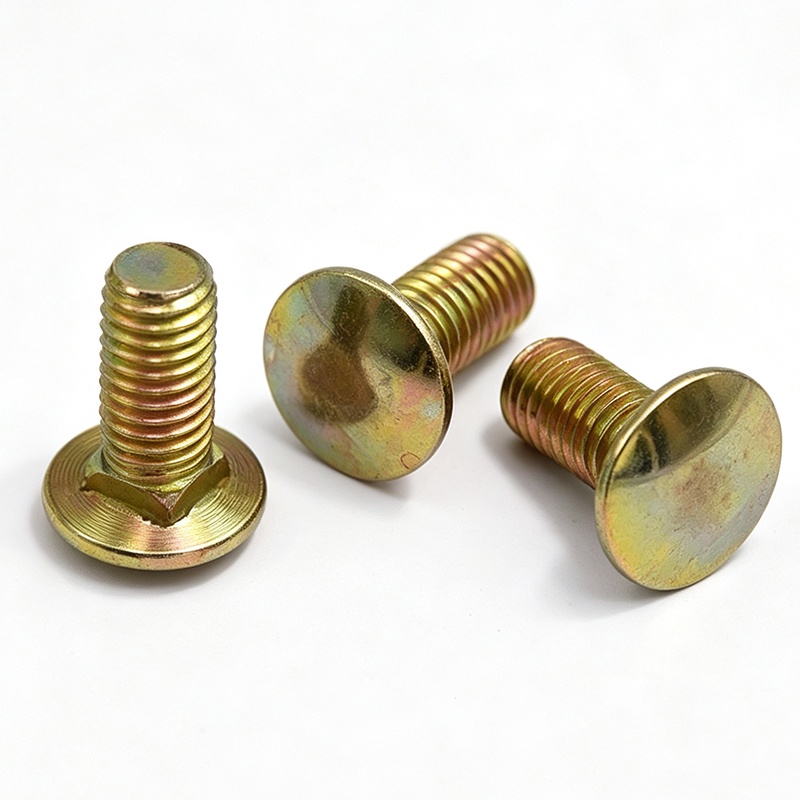 Stainless Steel Carriage Bolts with Corrosion Resistant Square Neck Bolts for Metal
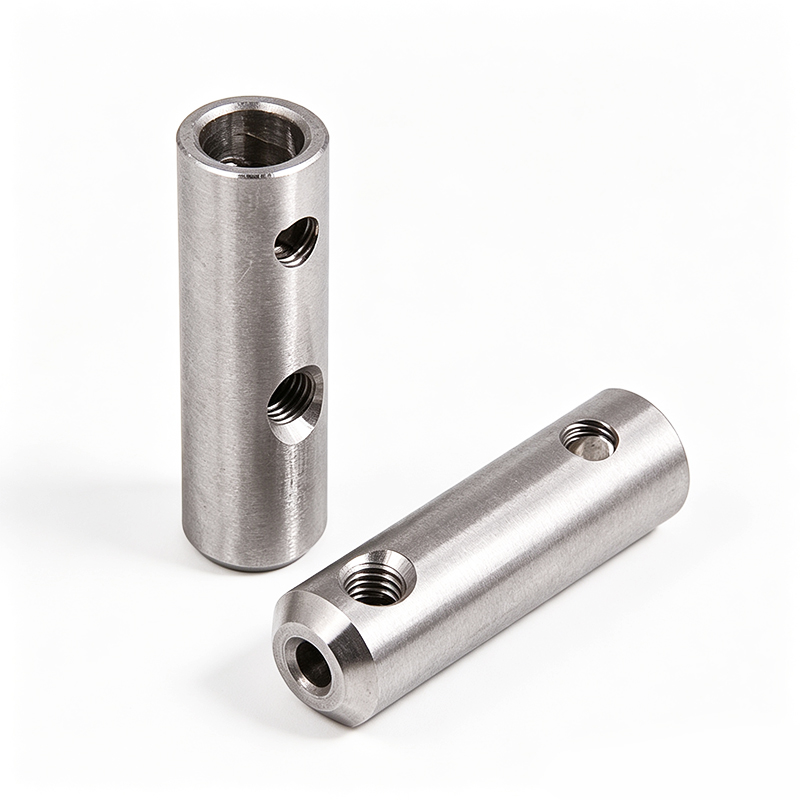 Stainless Steel Cylindrical Connector with Threaded Cross Holes
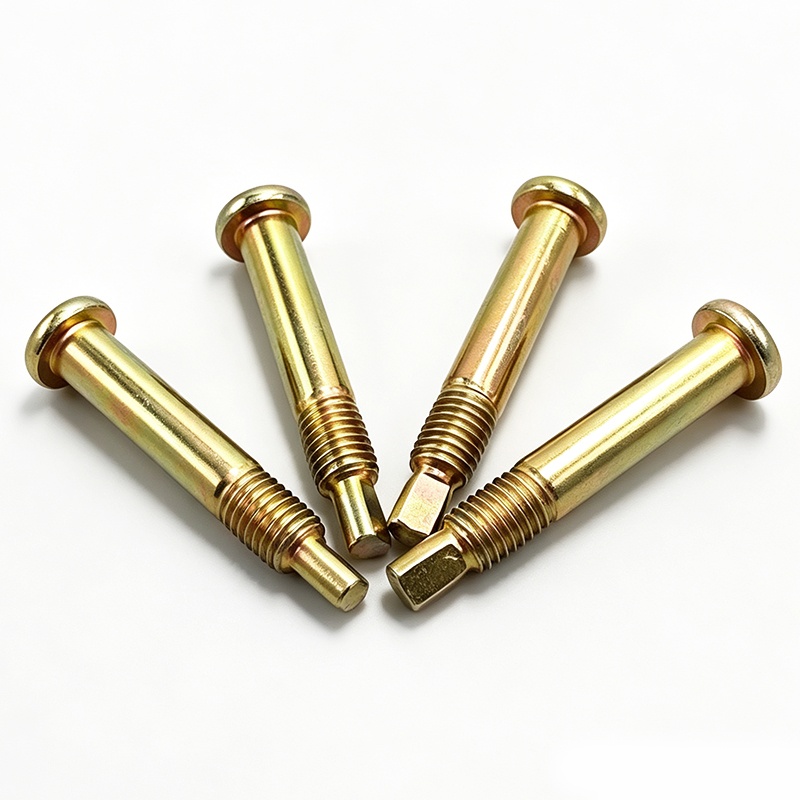 CNC Machined Stainless Steel Round Head Shoulder Bolts
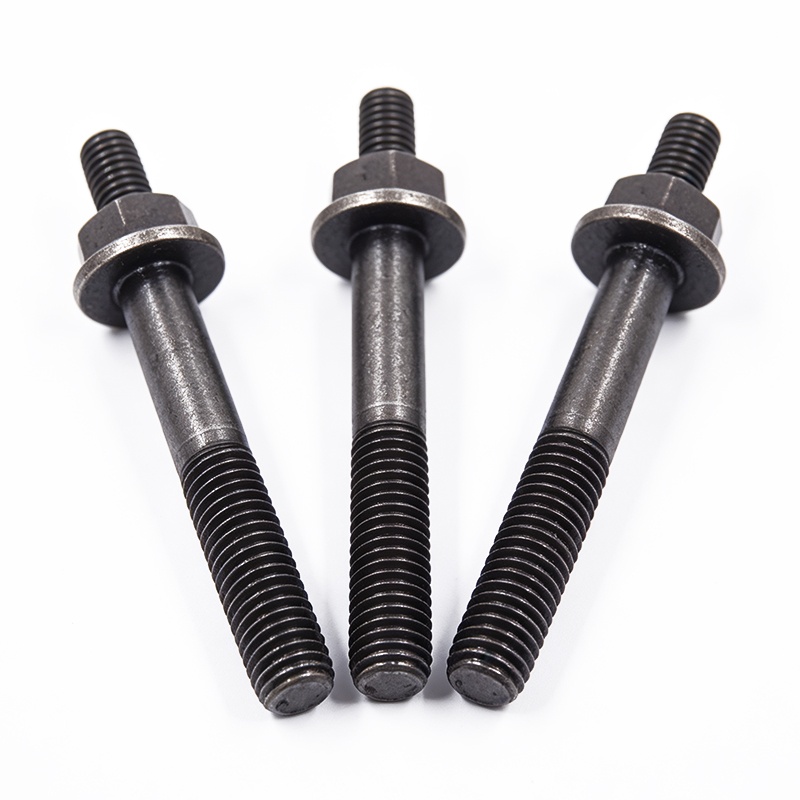 CNC Machined Stainless Steel Hex Flange Double Ended Stud Bolts for Industrial Fastening
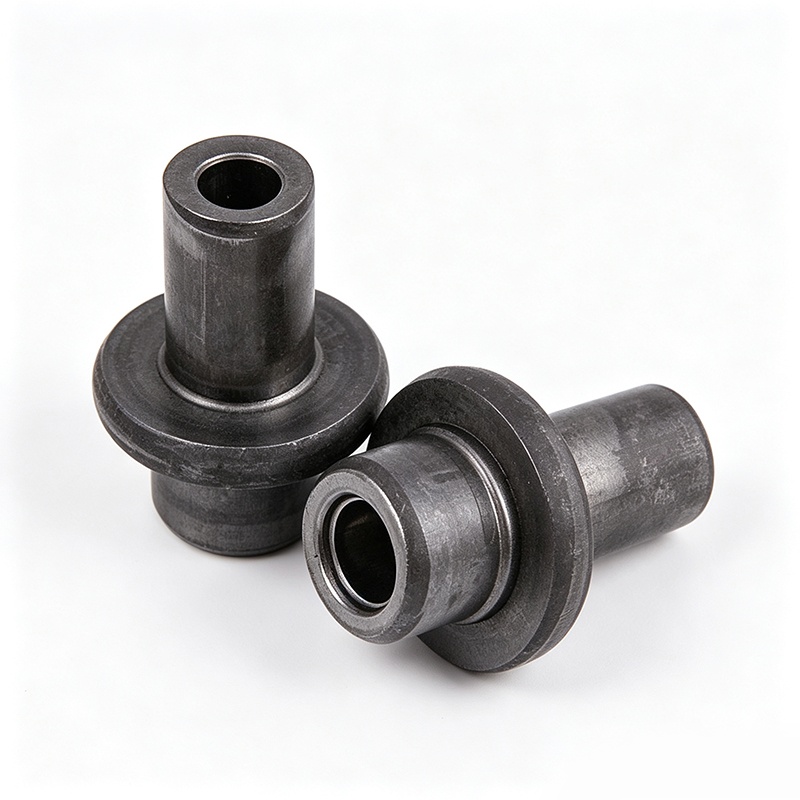 CNC Machined Bronze Flanged Bushing with Self Lubricating Wear Resistance
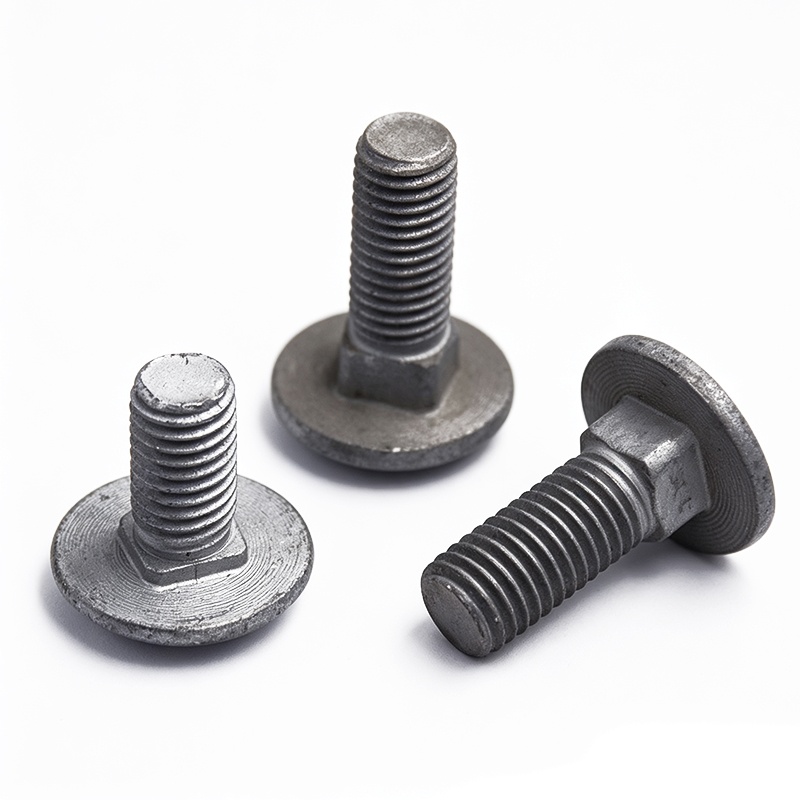 Dacromet Disc Head Square Neck Carriage Bolt
Latest News
-
Cold Heading Components: High-performance Fastener Solutions from Wenzhou Riyi Standard Parts Co., Ltd
2026-09-29Cold heading processing shapes metal wire under strong pressure at room temperature without cutting raw materials. Unlike traditional CNC machining, this technology preserves the continuous metal grain flow inside cold heading parts.
-
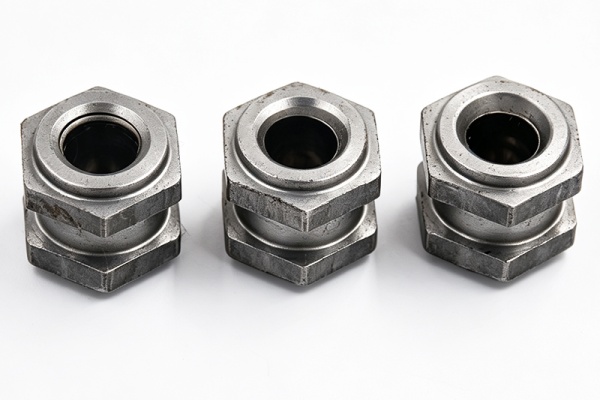
Special-shaped Bolts and Stainless Steel Double-ended Bolts from Wenzhou Riyi Standard Parts Co., Ltd
2026-09-23In modern mechanical manufacturing, construction engineering and equipment assembly, high-quality fasteners are the invisible foundation that guarantees structural safety and product stability.
-
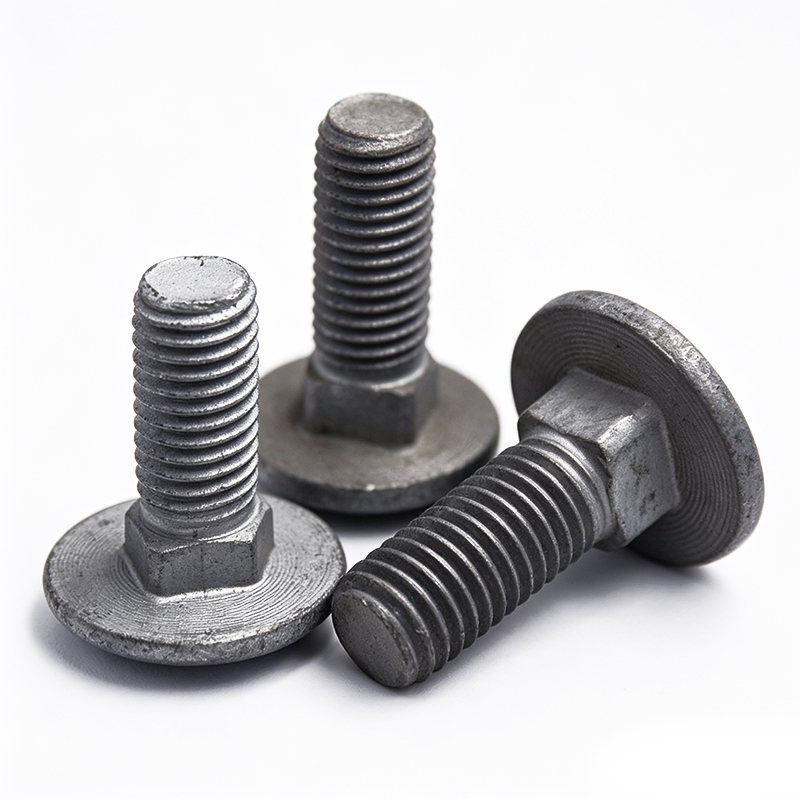
Precision Custom Fasteners from Wenzhou Riyi Standard Parts
2026-09-15Wenzhou Riyi Standard Parts is a reliable Chinese manufacturer focusing on custom non-standard fasteners, located in Wenzhou’s Binhai Economic Zone.
-
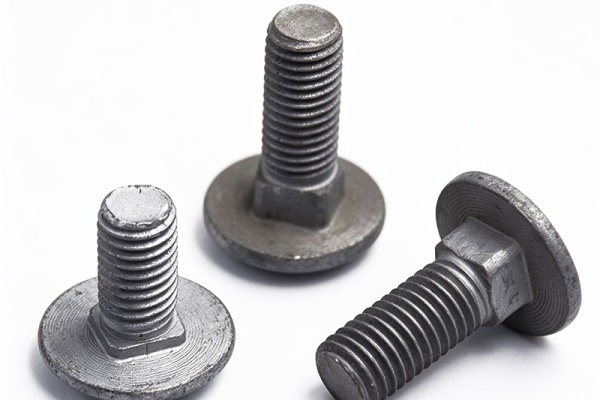
Aluminum Alloy Flange Bolts, Ball Head Studs & Dacromet Carriage Bolts – Reliable Fastener Startup Business
2026-09-08Fasteners are essential basic components widely used in machinery, automotive, engineering and equipment assembly industries.