Products


Stainless Steel T-Shaped Double-Section Locating Pins
Stainless steel T-shaped double-section positioning pin is a special component designed to achieve precise, fast, and repeatable positioning. It is a typical representative of customized non-standard stainless steel parts. It combines three functions in one part: its T-shaped head is used for quick installation and locking in the T-shaped slot; the two positioning sections with different diameters are like "guide pins".
Send Inquiry
Product Description
Product introduction
Stainless steel T-shaped double-section positioning pin is a special component designed to achieve precise, fast, and repeatable positioning. It is a typical representative of customized non-standard stainless steel parts. It combines three functions in one part: its T-shaped head is used for quick installation and locking in the T-shaped slot; the two positioning sections with different diameters are like "guide pins", guiding and ensuring that the two connected parts achieve extremely high positional alignment accuracy (concentricity, parallelism) through the method of "first rough and then fine" or "step-by-step fit". Since each application scenario has different requirements for positioning accuracy, pin diameter and length, almost all such parts need to rely on professional non-standard stainless steel parts processing to complete.
Product design and features
T-shaped head design: Provides quick operation function. The T-shaped head can slide along the T-shaped groove on the equipment base plate to the target position and then rotate 90 degrees to achieve preliminary locking. The initial fixation can be completed without tools, which facilitates subsequent fine-tuning and final tightening, greatly improving assembly and maintenance efficiency. Double-section positioning shaft design: This is the core of achieving high-precision positioning.
The first section (guide section): usually smaller in diameter and shorter in length, used as a pre-guide. Its diameter tolerance is loose, making it easy to insert the first part into the guide hole and complete the preliminary alignment.
The second section (main positioning section): has a larger diameter and is the key to ensuring final accuracy. Its diameter is precision ground to tight tolerances such as g6 or h6, and forms a precision clearance or transition fit with the positioning hole of the second part (usually the core component) to ensure final positioning accuracy.
Strict geometric tolerances: The coaxiality between the double sections and the cylindrical degree of each cylindrical segment are the lifelines to measure its quality. The requirements are usually extremely high (such as within 0.005mm), which completely relies on the high level of stainless steel non-standard parts processing capabilities.
Materials and surface treatment: Use high-quality 304 or 316 stainless steel bar stock and undergo solid solution treatment to ensure material stability. The surface is usually finely ground or polished to achieve a high finish (such as Ra0.4 or less), reducing wear and ensuring a smooth fit. As a key non-standard part of 304 stainless steel, its corrosion resistance and non-magnetic properties are also important features.
Materials and application fields
Mainstream materials:
304 stainless steel (A2): It has excellent comprehensive mechanical properties and corrosion resistance, and can meet the high-precision positioning requirements in most industrial environments. It is the best choice for cost and performance balance, and constitutes the majority of 304 stainless steel non-standard parts on the market.
316 stainless steel (A4): performs better in harsh environments that contain chloride, acid and alkali or require frequent disinfection (such as coastal, chemical, food and medical equipment), and is used in precision positioning occasions with extreme requirements for corrosion resistance.
Core application areas:
Precision molds and fixtures: ensuring the precise mold closing of each mold core in multi-cavity molds; accurately positioning the workpiece to be tested on the inspection fixture.
Automated assembly and testing equipment: used as the core positioning reference component in semiconductor packaging, electronic SMT mounting, and automotive parts assembly lines.
High-precision mechanical equipment: used for component connection and positioning of optical lens adjustment mechanisms, precision measuring instruments, and high-end CNC machine tools.
Special industry equipment: positioning scenarios in medical surgical robots, imaging equipment, and food packaging machinery that need to meet high-precision, corrosion-resistant, and hygienic requirements at the same time.
Quality control and certification system
For such parts where precision determines equipment performance, the quality control system is an absolute focus:
Dimensional and geometric accuracy inspection: This is the core of quality control. A high-precision three-dimensional coordinate measuring machine (CMM) must be used to conduct full inspection or high-proportion sampling inspection of the diameter, length, coaxiality between the two segments, cylindricity of each segment, and key dimensions of the T-head of the double-section positioning pin. The tolerances usually follow ISO 2768-mK or more stringent customer drawing standards.
Mechanical properties and material verification: Test the hardness of the material (such as HRC or HV) according to standards such as GB/T 3098.6 to ensure that it has sufficient compressive and wear resistance. Verify the stainless steel composition through spectral analysis to ensure compliance with 304 or 316 material standards.
Surface quality and corrosion resistance testing
Surface inspection: Check the surface of the positioning section under strong light or using optical magnification equipment. There must be no scratches, bruises, or pitting, because tiny defects will affect positioning accuracy and lifespan.
Corrosion resistance test: Conduct neutral salt spray test (NSS Test) to verify the rust resistance of key stainless steel non-standard parts in simulated harsh environments. It is usually required to be free of red rust for more than 48 hours.
Process control certification: Excellent stainless steel non-standard parts factories usually pass ISO 9001 quality management system certification and can provide complete material traceability reports (MTC) and first article inspection reports (FAIR) for customers in key industries.
Customized services
Customization process: demand analysis and drawings: Customers need to provide clear product application scenarios, matching parts drawings, and positioning accuracy requirements. Engineers from professional stainless steel non-standard parts factories will assist customers in converting functional requirements into detailed processing drawings that include all critical dimensions, tolerances, geometric tolerances, materials, hardness and surface treatments.
Process planning and review: The factory determines the best process route (such as: precision turning -> rough grinding -> heat treatment -> fine grinding -> polishing) based on the drawings, and evaluates the cost and delivery time.
Sample production and verification (critical): Make a small number of samples and hand them over to customers for assembly testing and functional verification in actual equipment or simulated environments. Only if the samples are fully qualified can mass production be carried out.
The core processing capabilities of the factory: To customize such parts, you must choose a factory equipped with CNC precision lathes, centerless grinders, internal and external cylindrical grinders, and precision measurement equipment. Its level of processing non-standard stainless steel parts is directly reflected in its ability to control small tolerances and its deep understanding of the characteristics of stainless steel materials.
FAQ
Q: What are the advantages of the double-section design compared to the single-section positioning pin?
A: The double-section design achieves "graded positioning". The first section can quickly and easily complete rough positioning to avoid "stuck" phenomena caused by small deviations in hole positions; the second section then enters to complete the final precise positioning. This greatly reduces the difficulty of high-precision assembly and improves the success rate. It is especially suitable for blind holes or assembly scenes that are difficult to observe. It is a classic design in customizing non-standard stainless steel parts to improve assembly friendliness.
Q: How to choose the correct fit tolerance for the two sections of the double-section locating pin?
A: The first section (guide section): The mating hole with the first part should use clearance fit, such as H7/g6 or H7/f7, to ensure easy insertion. Section 2 (main positioning section): The mating hole with the second part (core part) needs to be selected according to the positioning accuracy requirements. For extremely high precision, a transition fit such as H7/js6 can be used; for frequent disassembly and precision requirements, a precision clearance fit such as H7/g6 can be used. The specific selection needs to be determined jointly with the engineer of the stainless steel non-standard parts factory based on the actual working conditions (whether there is vibration, whether floating is required).
Q: Are there any special precautions when installing and using this positioning pin?
A: Installation sequence: Be sure to first ensure that the T-shaped head is locked in the slot, and then slowly press the positioning part along the double-joint pin. Wrong order can cause the pin to bend under stress.
Cleaning and Lubrication: Before assembly, the locating pins and mating holes need to be thoroughly cleaned to remove any tiny chips or dust. A small amount of high-precision grease (such as fluorine grease) can be applied to the guide section to protect the surface and facilitate assembly.
Prevent Impact: Due to its extremely high precision, any improper knock may cause permanent deformation. A special pin puller should also be used during disassembly or the force should be applied evenly.
Send Inquiry
Related Products
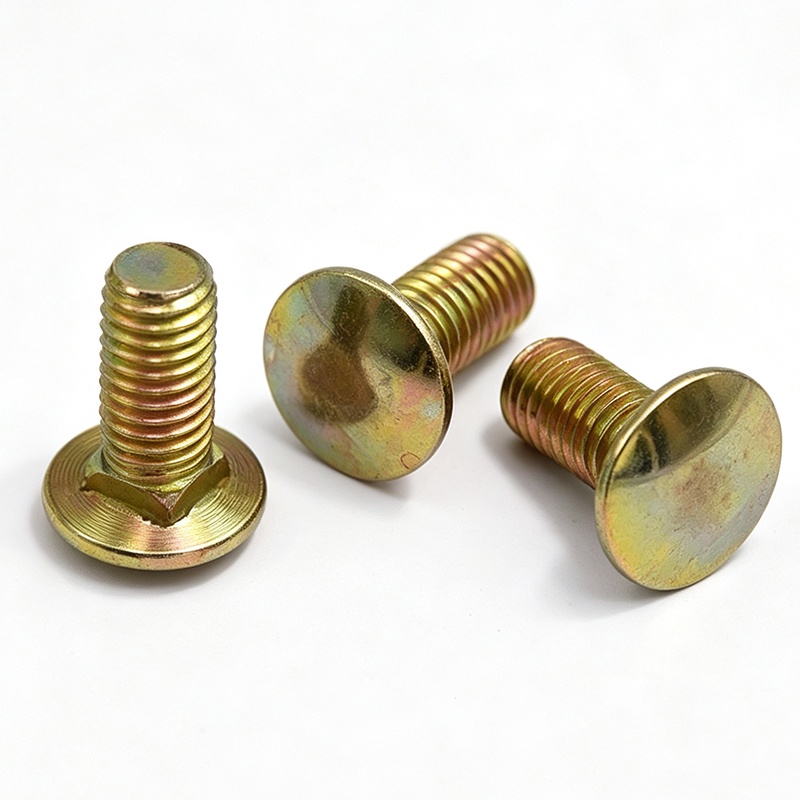 Stainless Steel Carriage Bolts with Corrosion Resistant Square Neck Bolts for Metal
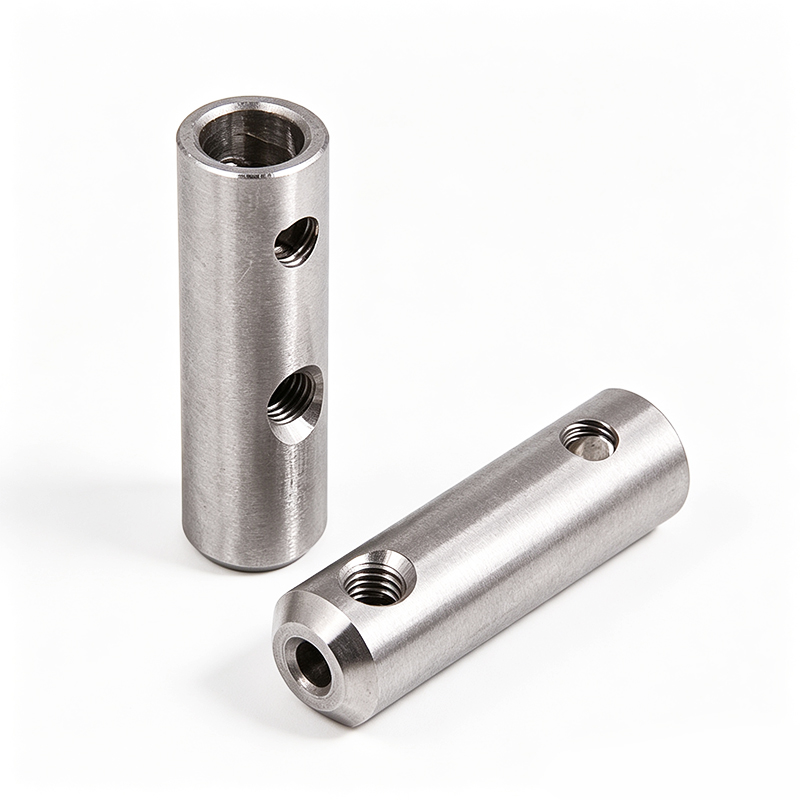 Stainless Steel Cylindrical Connector with Threaded Cross Holes
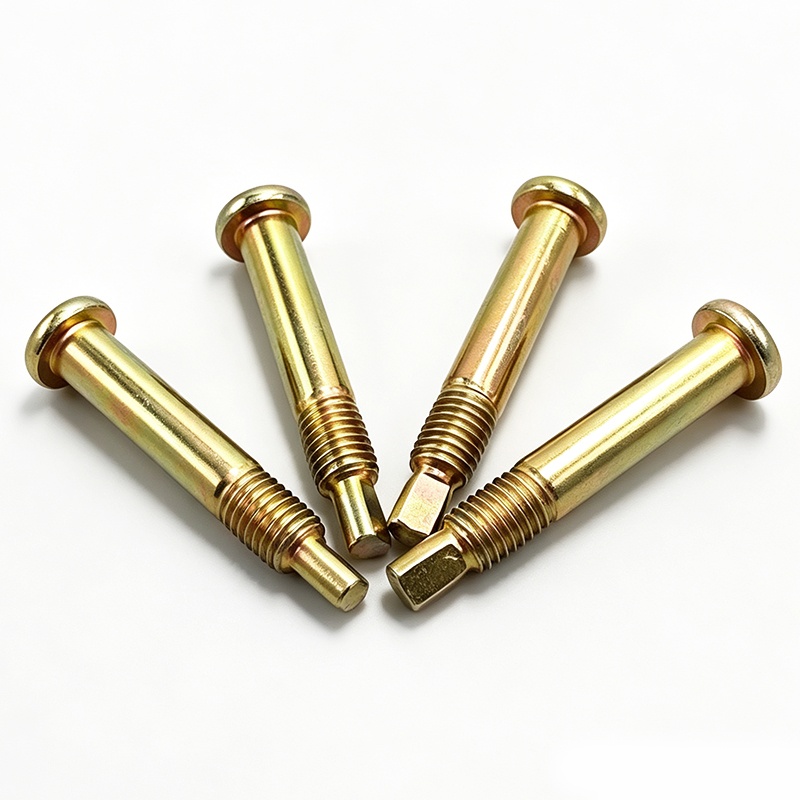 CNC Machined Stainless Steel Round Head Shoulder Bolts
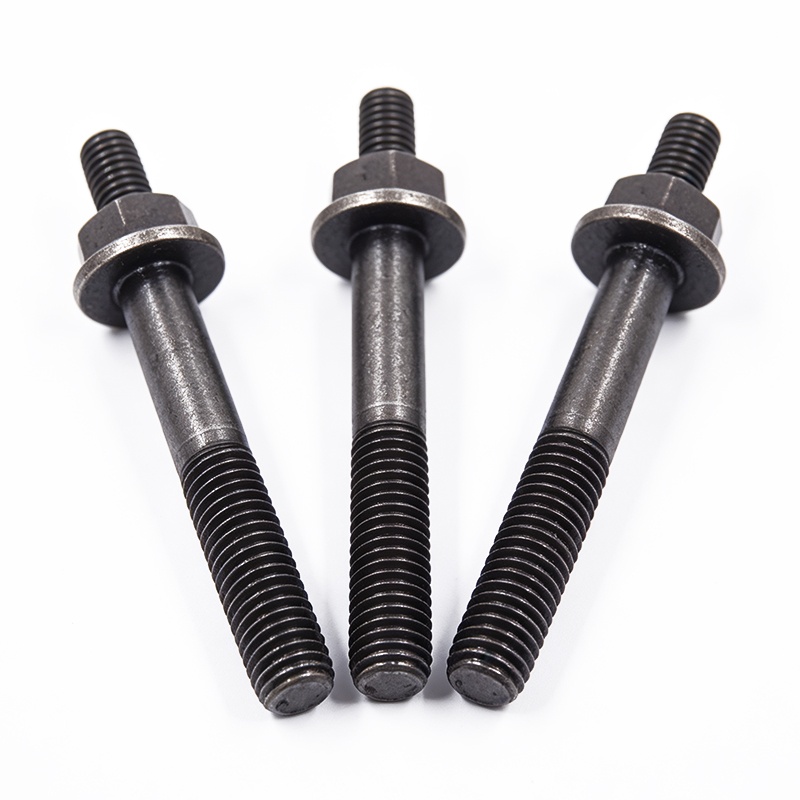 CNC Machined Stainless Steel Hex Flange Double Ended Stud Bolts for Industrial Fastening
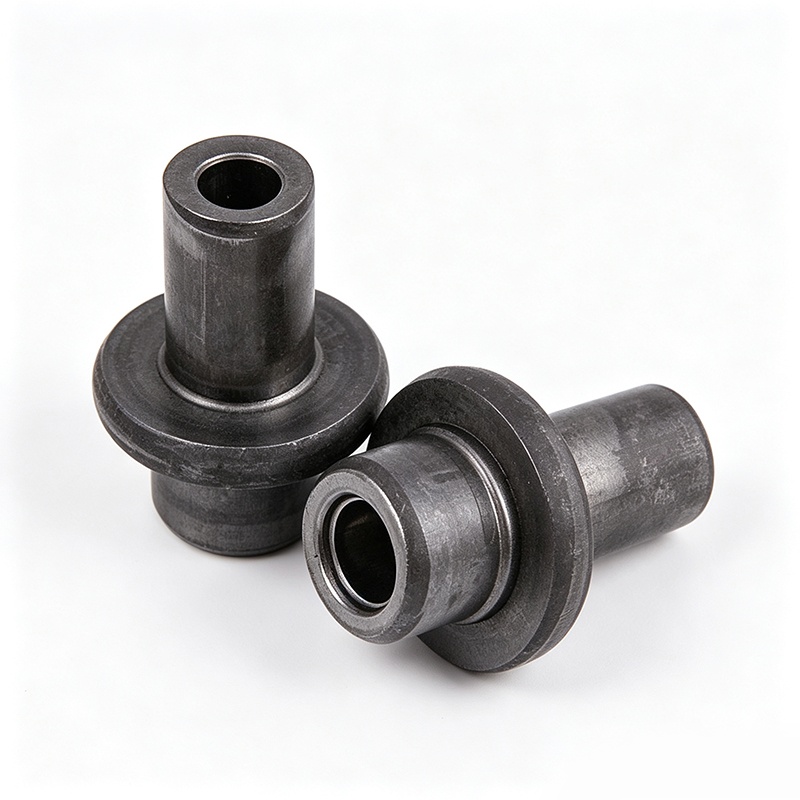 CNC Machined Bronze Flanged Bushing with Self Lubricating Wear Resistance
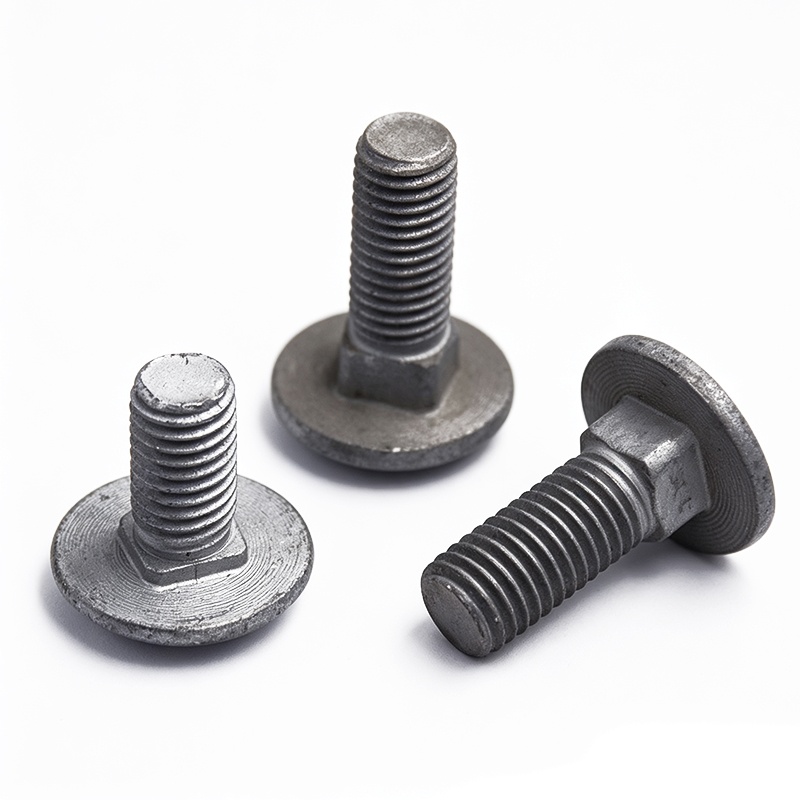 Dacromet Disc Head Square Neck Carriage Bolt
Latest News
-
Cold Heading Components: High-performance Fastener Solutions from Wenzhou Riyi Standard Parts Co., Ltd
2026-09-29Cold heading processing shapes metal wire under strong pressure at room temperature without cutting raw materials. Unlike traditional CNC machining, this technology preserves the continuous metal grain flow inside cold heading parts.
-
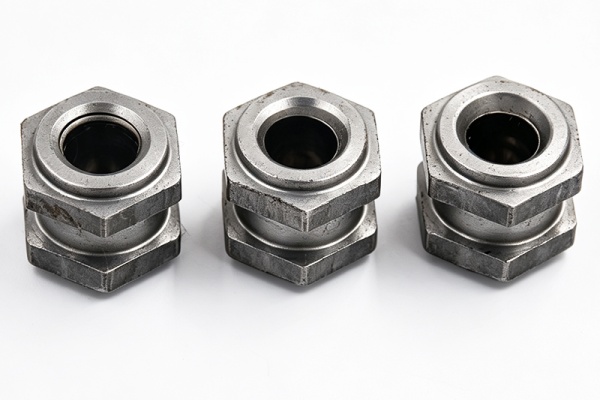
Special-shaped Bolts and Stainless Steel Double-ended Bolts from Wenzhou Riyi Standard Parts Co., Ltd
2026-09-23In modern mechanical manufacturing, construction engineering and equipment assembly, high-quality fasteners are the invisible foundation that guarantees structural safety and product stability.
-
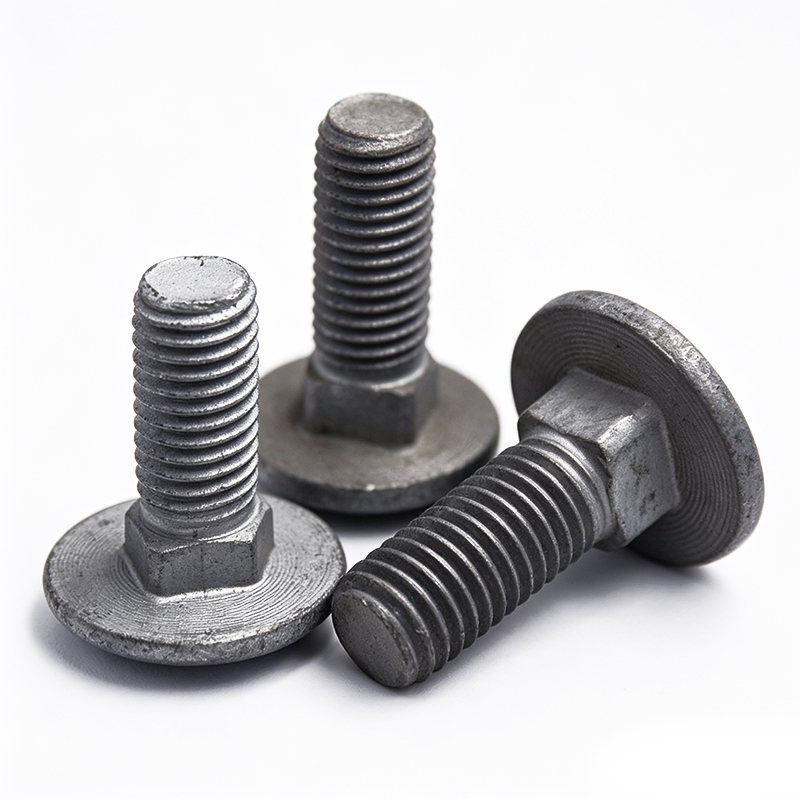
Precision Custom Fasteners from Wenzhou Riyi Standard Parts
2026-09-15Wenzhou Riyi Standard Parts is a reliable Chinese manufacturer focusing on custom non-standard fasteners, located in Wenzhou’s Binhai Economic Zone.
-
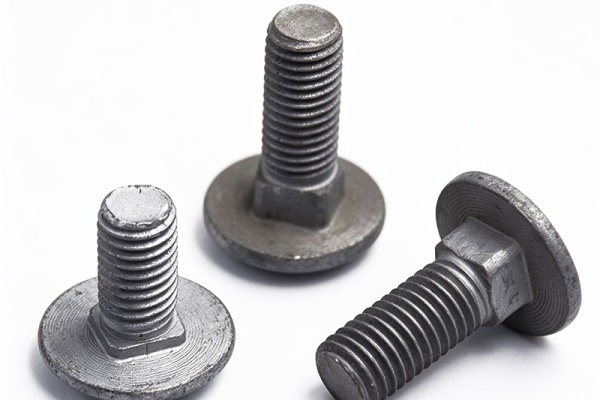
Aluminum Alloy Flange Bolts, Ball Head Studs & Dacromet Carriage Bolts – Reliable Fastener Startup Business
2026-09-08Fasteners are essential basic components widely used in machinery, automotive, engineering and equipment assembly industries.