Products


Stainless Steel Vertical Textured Knurled Bushing
Stainless steel vertical knurled bushing is a precision mechanical connection and fastening component, which belongs to the category of special-shaped fasteners. Its core design is to process a series of continuous, parallel straight lines (i.e. vertical knurling) on the outer cylindrical surface of the bushing through a precision rolling process.
Send Inquiry
Product Description
Product introduction
Stainless steel vertical knurled bushing is a precision mechanical connection and fastening component, which belongs to the category of special-shaped fasteners. Its core design is to process a series of continuous, parallel straight lines (i.e. vertical knurling) on the outer cylindrical surface of the bushing through a precision rolling process. This design is not just for aesthetics, its core function is to significantly increase the contact friction and anti-torsion (anti-rotation) capability between the bushing and the inner wall of the mounting hole without the need for welding or complex processing. As a typical type of non-standard screws and customized non-standard fasteners, it is mainly used to solve problems such as slipping, loosening or unreliable connections caused by insufficient material strength when standard fasteners are fixed in specific soft or thin-walled materials (such as aluminum alloy profiles, engineering plastics, composite panels). The bushing is usually a through-hole design with standard threads tapped into the interior, allowing it to be used with conventional bolts, thereby transforming a non-standard part made in China into a stable, removable and reinforced threaded connection point.
Product design and features
Optimized vertical knurling design:
Anti-rotation and increased friction: Compared with mesh knurling, the texture of vertical (straight) knurling is parallel to the axis of the bushing. When the bushing is pressed into the mounting hole, these sharp, uniform teeth "bite" into the hole wall material, providing extremely strong circumferential anti-rotation resistance. This is its core advantage as a customized non-standard screw solution.
The process requirements are extremely high: the quality of the knurling directly affects the performance. During processing, the tooth pattern of the knurling cutter must be strictly parallel to the axis of the workpiece, otherwise random or uneven patterns will occur. In addition, the pressure and feed amount need to be precisely controlled. Too much or too slow pressure may cause "step-shaped pits". Professional special-shaped fastener factories have mature processes to avoid these problems.
Precision geometric structure and tolerances: As high-precision CNC machined parts, the coaxiality, cylindricity of the inner and outer circles, and the dimensional tolerances before and after knurling are all controlled extremely strictly, usually reaching an accuracy range of 0.01-0.05mm. This ensures plumbness and smooth bolt threading after installation.
Diversity of head design: In addition to the common flat head (countersunk head) design, various head types such as cylindrical head and flange head can also be customized according to customer needs. The flat head design can make the surface of the bushing flush with the base material after installation, which is suitable for occasions where surface flatness is required.
Core features of reinforced connections: High torsional strength: specially optimized to enhance torsional resistance in soft materials such as aluminum and plastic. Easy installation: usually press-fit installation requires no special tools or welding, simplifying the assembly process. Reusable: The sturdy stainless steel material allows the threaded holes to be disassembled and assembled multiple times without damage.
Materials and application fields
Main material Austenitic stainless steel: This is the most commonly used material series.
A2 (304 stainless steel): A general-purpose choice with good corrosion resistance, comprehensive mechanical properties and formability, suitable for most industrial environments.
316 stainless steel: The addition of molybdenum element on the basis of 304 significantly improves its resistance to pitting corrosion and chemicals (especially chloride), and is suitable for more harsh environments such as marine, chemical, and medical industries.
Application fields: With its reinforced connection and durability, stainless steel vertical knurled bushings are widely used in areas with high requirements for reliability and longevity:
High-end equipment and precision machinery: Aluminum protective covers used to fix machine tools, internal brackets for instruments, adjustment mechanisms of automation equipment, etc. to prevent loosening of fastening points caused by frequent vibrations.
Transportation tools: used to create reliable threaded connection points on lightweight materials (such as aluminum alloy car bodies) in rail transit vehicles (such as high-speed rail interior panel connections), automotive parts (such as interior parts, sensor fixing) and marine equipment.
Electronic appliances and communication equipment: As a fixed point for metal or plastic panels in server cabinets, communication chassis, and high-end home appliances, it takes into account both structural strength and appearance.
New energy and environmental protection equipment: In the aluminum alloy structural connection of wind power equipment and solar photovoltaic brackets, it provides a stable connection against wind vibration. Medical devices and laboratory equipment: Utilize its non-pollution, corrosion-resistant and easy-to-clean properties for the connection of equipment shells and internal structures. In these applications, when standard fasteners cannot meet the needs, such non-standard parts made in China provided by professional special-shaped fastener factories have become a key option for engineers to solve connection problems.
Quality control and certification system
Incoming material inspection: According to national standards (such as GB/T 1220-2007 requirements for stainless steel rods), the chemical composition (content of elements such as C, Cr, Ni, Mo, etc.) and mechanical properties (tensile strength, hardness) of raw materials are tested.
Process quality control: Dimensional and geometric accuracy: Use three-dimensional coordinate measuring machines (CMM), optical projectors, etc. to detect the outer diameter, inner diameter, knurl depth, thread accuracy and geometric tolerances (coaxiality, cylindricity) to ensure that the micron-level tolerances meet the requirements of the drawings. Knurling process control: Strictly monitor the knurling process to prevent defects such as random patterns and uneven patterns, which will directly affect the anti-rotation performance.
Surface quality: Visually and instrumentally inspect the surface for cracks, scratches, rust and other defects.
Finished product performance test: Mechanical property test: Tensile strength and torsional strength tests are carried out through a universal testing machine to simulate actual stress conditions. Functional verification: Conduct thread pass-and-stop gauge test, simulated press fit test and torque test to ensure smooth assembly and reliable connection.
Certification system: Leading manufacturers will establish and maintain quality management systems such as ISO 9001. Some factories serving specific industries such as automobiles may also be certified by IATF 16949 (developed from the early TS16949), which indicates that their quality management system can meet large-scale, highly consistent production requirements.
Customized services
The essence of stainless steel vertical knurled bushings is to provide solutions to individual needs, so customized service is its core value. Professional customized non-standard fastener suppliers can provide a full range of flexible production services. Size and specification customization: Customize the outer diameter, inner diameter (thread specification), length, knurl area position and head shape (flat head, round head, flange head, etc.) completely according to your installation space and force requirements.
Material and performance customization: In addition to conventional 304/316 stainless steel, other grades of stainless steel or alloy materials can also be selected as needed to meet special strength, hardness or corrosion resistance requirements.
Surface treatment customization: Provides a variety of surface treatment options including passivation (to improve rust resistance), galvanizing, nickel plating, anodizing (for specific colors), etc., to adapt to different environments and appearance requirements.
Small batch and proofing support: Many factories support small batch orders with a minimum of 1-10 pieces, and can provide free or low-cost samples to facilitate customers' design verification and testing.
Technology and process collaboration: A team of experienced engineers can participate in the customer's design phase and provide professional advice on structural optimization, material selection and process feasibility for non-standard screw application scenarios.
This depth of customization capabilities makes finding a reliable factory for special-shaped fasteners to cooperate an effective way to achieve innovative designs and solve complex engineering problems.
FAQ
Q: What is the difference between stainless steel vertical knurled bushings and ordinary threaded bushings?
A: The core difference is the vertical knurling design on the outer wall. Ordinary smooth bushings mainly rely on interference fit to prevent rotation and are easy to loosen in soft materials. Vertical knurling "bites" into the base material through the tooth pattern, providing a much stronger torsion resistance. It is a customized non-standard fastener designed to enhance the reliability of connections in soft or thin-walled materials.
Q: Can you produce knurled bushings made of non-metallic materials?
A: Yes. In addition to stainless steel, professional special-shaped fastener factories usually also have the ability to process other materials such as POM (Steel Steel), nylon, brass, alloy steel, etc. You can choose according to your requirements for strength, weight, insulation, or cost.
Q: What should I pay attention to when installing?
A: It is recommended to use a special press-in tool or clamp to ensure that the bushing is pressed into the mounting hole vertically and smoothly. Avoid direct strikes with a hammer as this may damage the threads or cause the bushing to tilt. The mounting holes should be kept clean and free of oil and burrs
Send Inquiry
Related Products
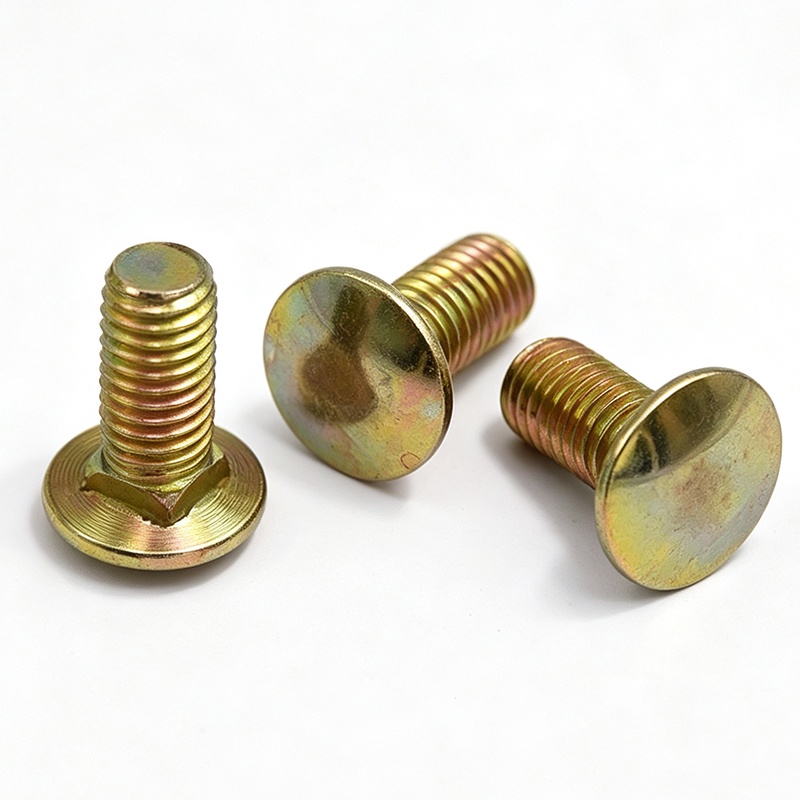 Stainless Steel Carriage Bolts with Corrosion Resistant Square Neck Bolts for Metal
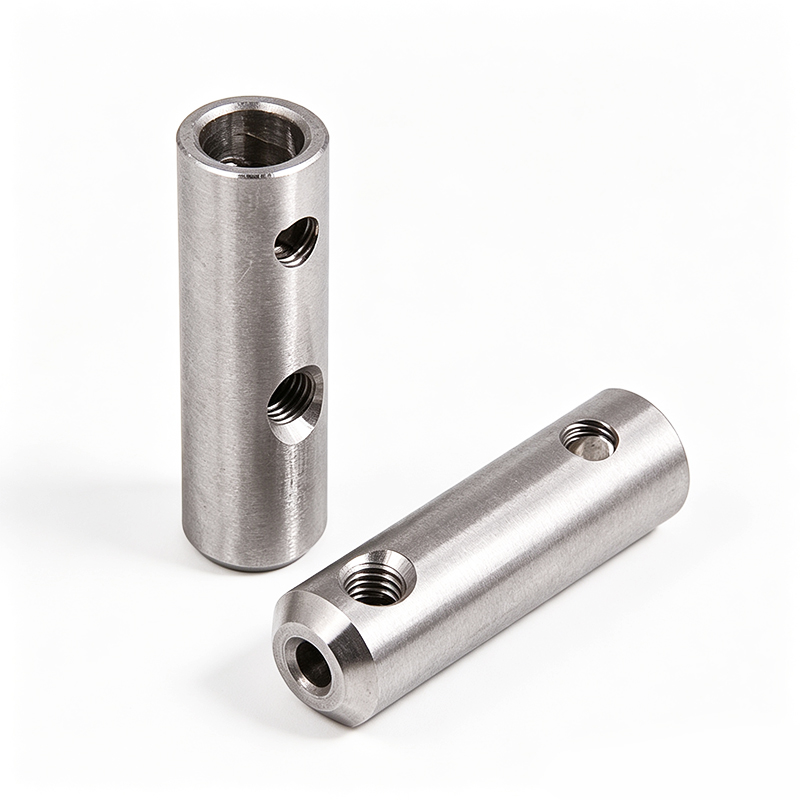 Stainless Steel Cylindrical Connector with Threaded Cross Holes
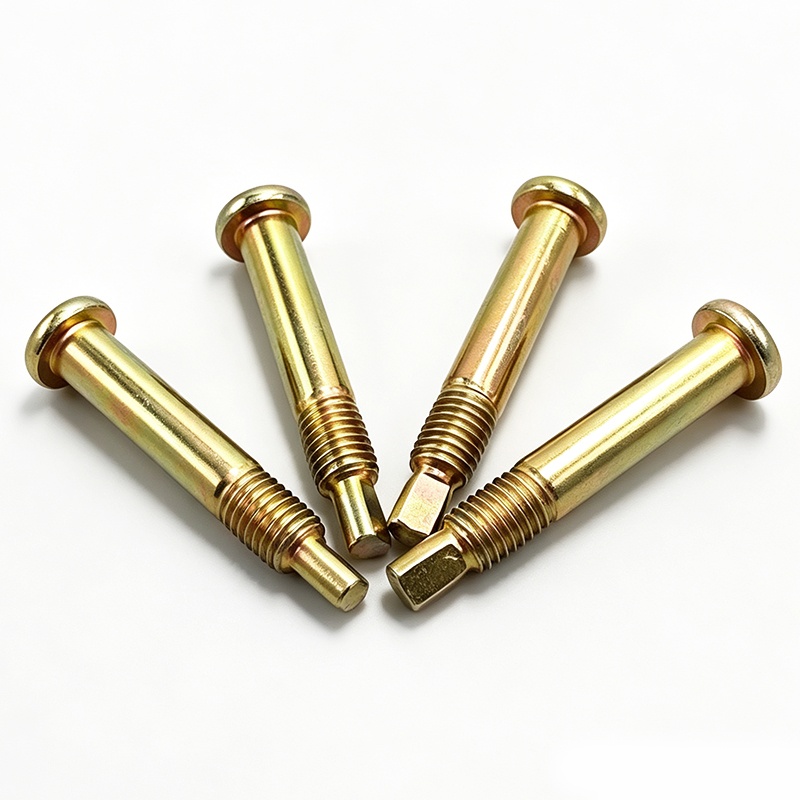 CNC Machined Stainless Steel Round Head Shoulder Bolts
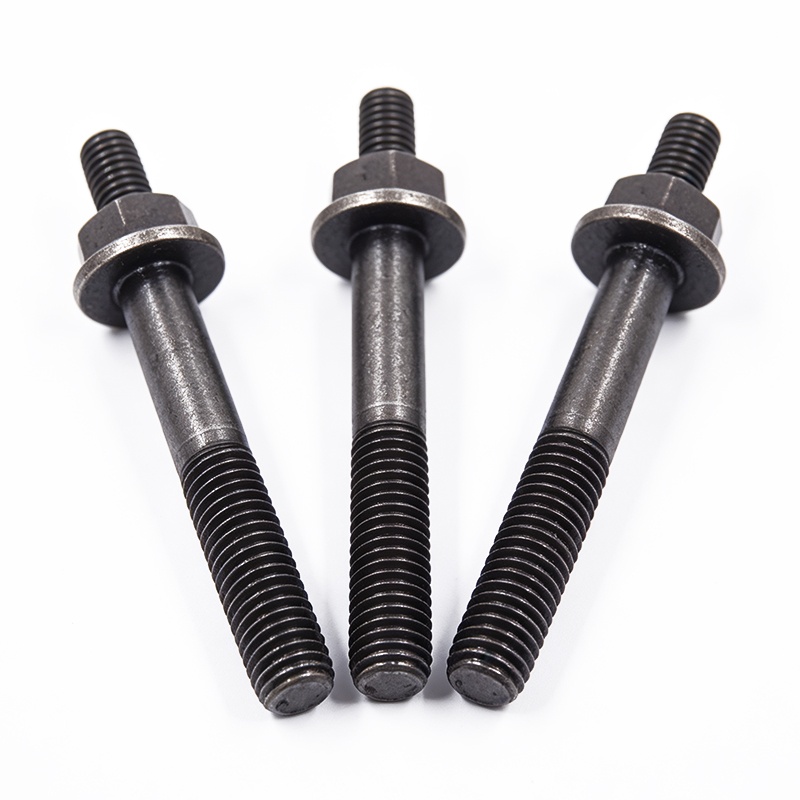 CNC Machined Stainless Steel Hex Flange Double Ended Stud Bolts for Industrial Fastening
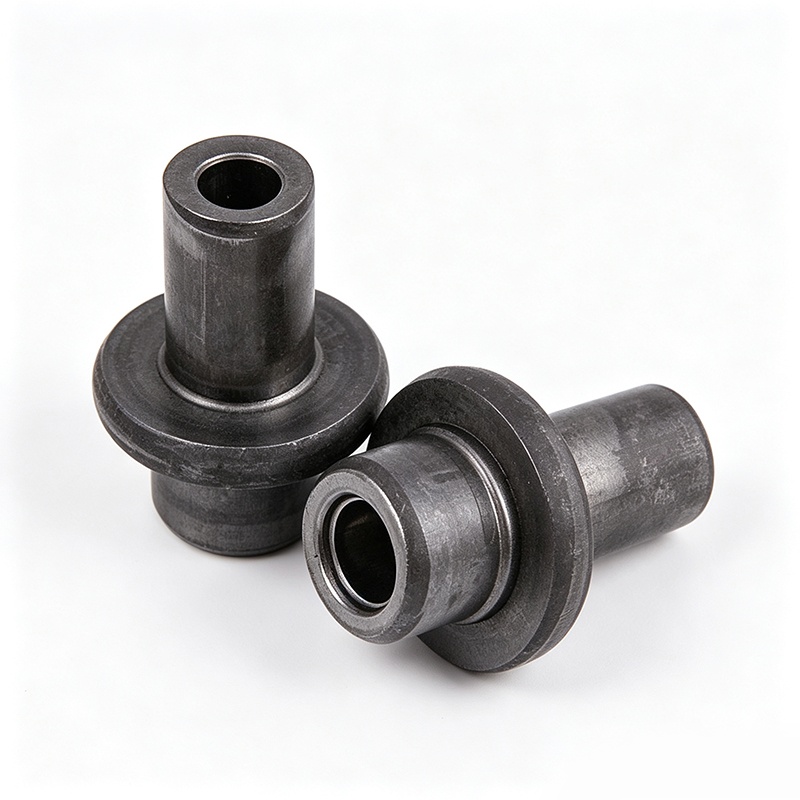 CNC Machined Bronze Flanged Bushing with Self Lubricating Wear Resistance
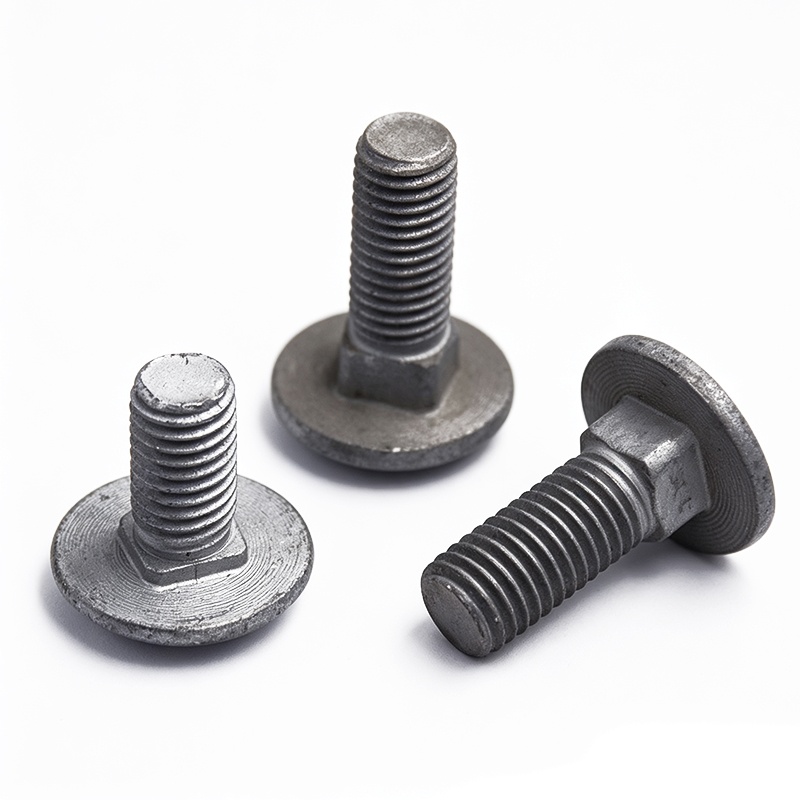 Dacromet Disc Head Square Neck Carriage Bolt
Latest News
-
Cold Heading Components: High-performance Fastener Solutions from Wenzhou Riyi Standard Parts Co., Ltd
2026-09-29Cold heading processing shapes metal wire under strong pressure at room temperature without cutting raw materials. Unlike traditional CNC machining, this technology preserves the continuous metal grain flow inside cold heading parts.
-
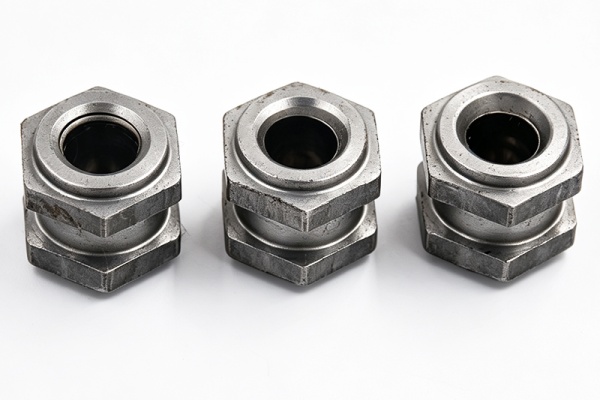
Special-shaped Bolts and Stainless Steel Double-ended Bolts from Wenzhou Riyi Standard Parts Co., Ltd
2026-09-23In modern mechanical manufacturing, construction engineering and equipment assembly, high-quality fasteners are the invisible foundation that guarantees structural safety and product stability.
-
Precision Custom Fasteners from Wenzhou Riyi Standard Parts
2026-09-15Wenzhou Riyi Standard Parts is a reliable Chinese manufacturer focusing on custom non-standard fasteners, located in Wenzhou’s Binhai Economic Zone.
-
Aluminum Alloy Flange Bolts, Ball Head Studs & Dacromet Carriage Bolts – Reliable Fastener Startup Business
2026-09-08Fasteners are essential basic components widely used in machinery, automotive, engineering and equipment assembly industries.