Products


Square Head Multi-Hole Locating Pin For Non-Standard Parts
The non-standard square head multi-hole positioning pin is a highly customized positioning fastener and is a typical non-standard fastener. It combines a square head design with multiple positioning holes, which can not only be used for precise positioning of traditional positioning pins.
Send Inquiry
Product Description
Product introduction
The non-standard square head multi-hole positioning pin is a highly customized positioning fastener and is a typical non-standard fastener. It combines a square head design with multiple positioning holes, which can not only be used for precise positioning of traditional positioning pins, but also gives it functions such as auxiliary fixation and precise adjustment of angle or position. Due to its special performance requirements, its manufacturing process often involves cold heading non-standard parts and other processes. Such parts are usually not found in standard parts sequences and need to be designed according to specific assembly requirements.
Product design and features
Head design: The square head is a typical feature. It can provide greater torque for tightening, and can also be used as a blocking structure to prevent the pin from rotating. It is a special-shaped fastener.
Pin body structure: The porous design is another major feature. Multiple through holes or threaded holes distributed along the axial direction of the pin body can be used to insert locking pins, screws or connect other parts to achieve multi-level positioning or modular assembly.
Functional features: One pin has multiple uses. It is not only a positioning element, but also often used as a shaft, connecting rod or adjustment component.
Process characteristics: In order to achieve high strength and complex structures, cold heading non-standard parts technology is often used in combination with subsequent machining (drilling, milling).
Fitting accuracy: In order to ensure positioning reliability, the tolerance fit requirements of the positioning part are strict, and h7 or higher accuracy is often used.
Materials and application areas
Common Materials: High-Strength Carbon Steel and Alloy Steel: This is the most common choice. The hardness of non-standard carbon steel parts (such as 45# steel, S45C, etc.) can reach above HRC45 after heat treatment (quenching, carburization), and has good impact toughness.
Stainless steel: such as SUS304 (austenitic stainless steel, corrosion-resistant), SUS440C (martensitic stainless steel, quenchable and high hardness), suitable for food, medical or corrosive environments. Special materials: Bearing steel (SUJ2), tool steel (SKD11) or surface hard chromium plating can also be used according to requirements to improve wear resistance and anti-rust performance.
Core application areas: It is widely used in complex mechanical scenarios with special requirements for positioning and connection.
Fixture and mold industry: It is the core part of tooling fixtures. A square-head multi-hole positioning pin can simultaneously achieve precise positioning, fine-tuning of the angle and auxiliary locking of the mold insert, greatly simplifying the fixture structure. Special automation equipment: In complex automated assembly lines and robot end effectors, it is often designed as a key connection and positioning axis to facilitate the installation and position adjustment of sensors and pneumatic components. High-end equipment and auto parts maintenance: In the field of automobile manufacturing and maintenance, such as the box closing and positioning of engines and gearboxes, or special maintenance fixtures, this type of auto parts fasteners are crucial to ensuring assembly accuracy.
Quality control and certification system
Professional manufacturers and users ensure its reliability through rigorous processes.
Material and process control: Starting from material incoming inspection, spectral analysis is performed on non-standard carbon steel parts and other materials. Key processes such as cold heading non-standard parts molding, heat treatment (temperature curve, hardness layer depth), surface treatment (coating thickness, salt spray test) all need to be monitored and recorded throughout the process. Precision dimensional and performance testing: dimensional testing, performance testing, standards and certification.
Customized service process
Due to its highly non-standard nature, customization is the norm. Taking a supplier that provides non-standard fastener solutions as an example, the typical process is as follows:
Requirements communication and preliminary assessment: Clarify the application scenario, load, accuracy and environmental requirements (such as whether the vibration environment of automobile parts is involved).
Design and quotation: Customers provide drawings or 3D models (for example, uploaded to platforms such as Meviy). Engineers evaluate the feasibility of the cold heading non-standard parts process, material selection and provide quotations.
Sample Proofing and Validation: Produce samples for testing to verify size, functionality and fitability.
Mass production and delivery: After the sample is confirmed, mass production will be carried out according to the order, and the products will be packaged and delivered as required (such as rust-proof packaging).
FAQ
Q: Is this "square head multi-hole" positioning pin a standard part? What is the minimum order quantity (MOQ)?
A: It is not a standard part, it is a typical customized non-standard part. MOQs vary greatly depending on complexity, materials and processes. The minimum order quantity for parts that are complex and require special molds may be in the tens of thousands, while small batches (such as several hundred pieces) that are mainly machine-processed can be accepted. Please contact the supplier directly for details.
Q: Why do these pins have high requirements for heat treatment?
A: The positioning surface requires high hardness (usually HRC50 or above) to resist wear and prevent loss of accuracy due to long-term disassembly. At the same time, the core needs to maintain good toughness to withstand the impact during assembly and prevent brittle fracture. Heat treatment is a key process in balancing surface hardness and core toughness.
Q: What should be paid attention to in the position and size of “porous” in design?
A: Answer: Porous design is the key to achieving functionality, and important considerations need to be made:
Position accuracy: The position and coaxiality between each hole are extremely demanding and must be clearly marked on the drawing and processed with CNC equipment to ensure it. Hole edge distance and strength: The distance between the hole edge and the outer diameter of the pin and the distance between the holes must be large enough to prevent the pin body from weakening and causing breakage during use. The function of the hole: clarify the function of each hole (such as pin penetration, tapping, weight reduction), and determine its accuracy level and smoothness requirements accordingly.
Send Inquiry
Related Products
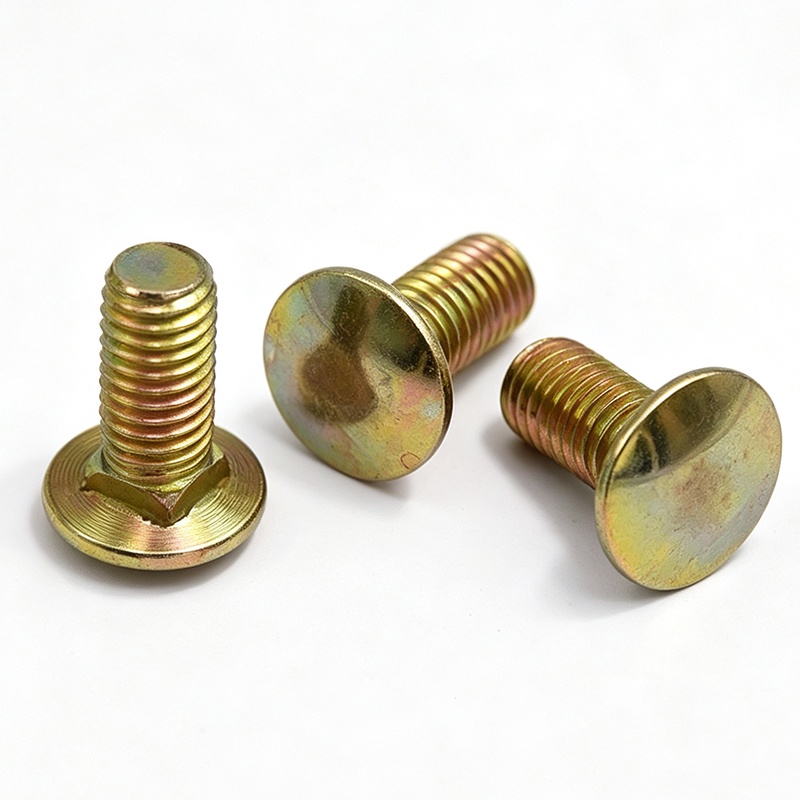 Stainless Steel Carriage Bolts with Corrosion Resistant Square Neck Bolts for Metal
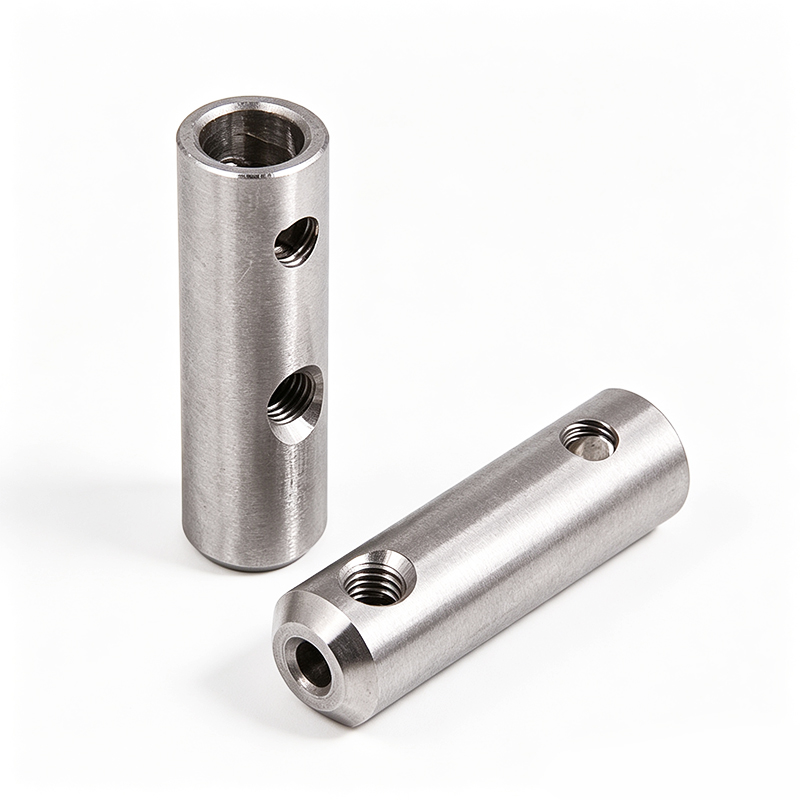 Stainless Steel Cylindrical Connector with Threaded Cross Holes
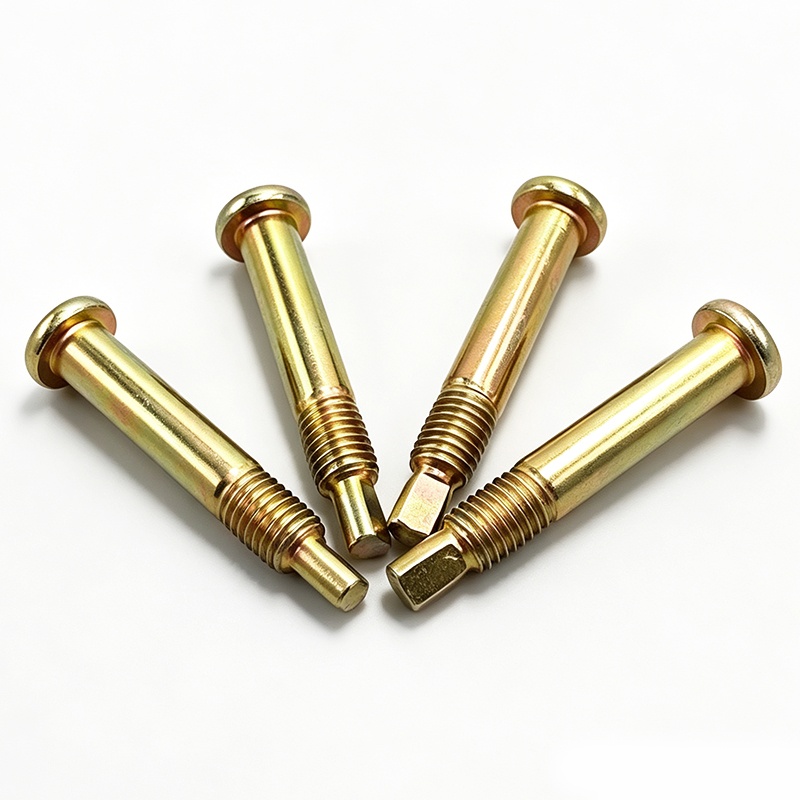 CNC Machined Stainless Steel Round Head Shoulder Bolts
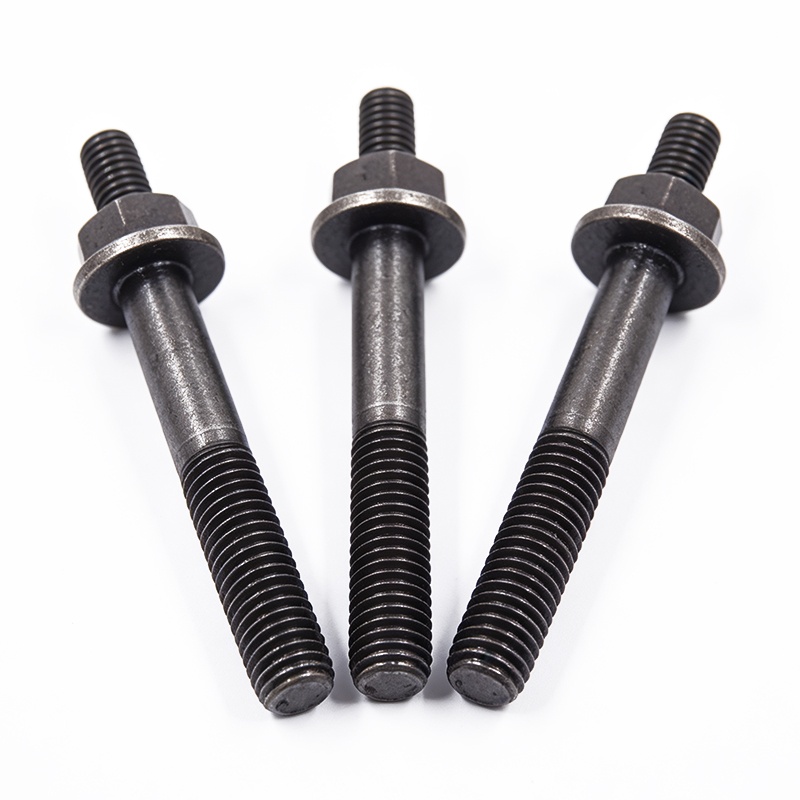 CNC Machined Stainless Steel Hex Flange Double Ended Stud Bolts for Industrial Fastening
 CNC Machined Bronze Flanged Bushing with Self Lubricating Wear Resistance
 Dacromet Disc Head Square Neck Carriage Bolt
Latest News
-
Cold Heading Components: High-performance Fastener Solutions from Wenzhou Riyi Standard Parts Co., Ltd
2026-09-29Cold heading processing shapes metal wire under strong pressure at room temperature without cutting raw materials. Unlike traditional CNC machining, this technology preserves the continuous metal grain flow inside cold heading parts.
-
Special-shaped Bolts and Stainless Steel Double-ended Bolts from Wenzhou Riyi Standard Parts Co., Ltd
2026-09-23In modern mechanical manufacturing, construction engineering and equipment assembly, high-quality fasteners are the invisible foundation that guarantees structural safety and product stability.
-
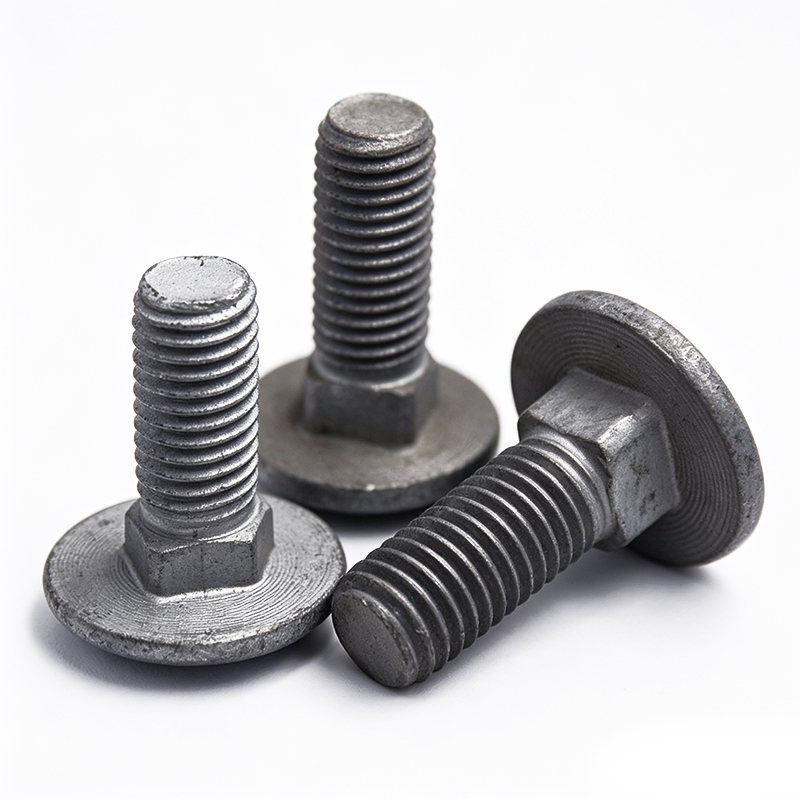
Precision Custom Fasteners from Wenzhou Riyi Standard Parts
2026-09-15Wenzhou Riyi Standard Parts is a reliable Chinese manufacturer focusing on custom non-standard fasteners, located in Wenzhou’s Binhai Economic Zone.
-
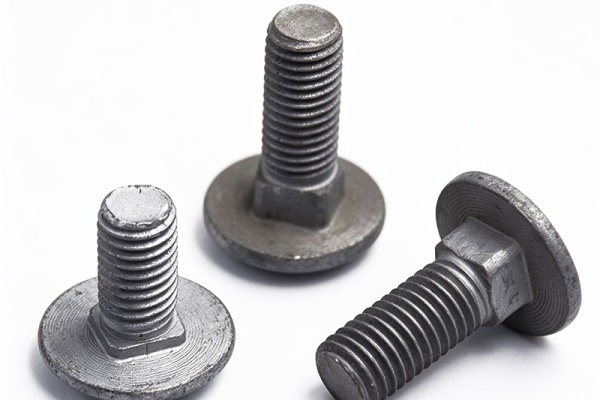
Aluminum Alloy Flange Bolts, Ball Head Studs & Dacromet Carriage Bolts – Reliable Fastener Startup Business
2026-09-08Fasteners are essential basic components widely used in machinery, automotive, engineering and equipment assembly industries.