Products


Stainless Steel Cylindrical Head Hexagon Socket Screw
Stainless steel cylindrical head hexagon socket screws are a standard fastener widely used in industrial assembly. The main body is made of stainless steel and has excellent rust and corrosion resistance. The head has a low cylindrical shape with an internal hexagonal groove at the top.
Send Inquiry
Product Description
Product introduction
Stainless steel cylindrical head hexagon socket screws are a standard fastener widely used in industrial assembly. The main body is made of stainless steel and has excellent rust and corrosion resistance. The head has a low cylindrical shape with an internal hexagonal groove at the top. After installation, only a small head height protrudes, which helps save space and can transmit large torque through the internal hexagonal wrench to achieve firm tightening. These screws play a key role in a variety of environments and industries, and are particularly suitable for connecting equipment exposed to moisture, chemicals or outdoor weather conditions. Commonly found in food machinery, medical instruments, ship accessories, chemical equipment and outdoor building structures. Its smooth surface and stable performance also make it popular in precision instruments, electronic chassis, and assembly scenes that pay attention to hygienic conditions.
Overall, this product combines stainless steel material with an internal hexagonal structure to ensure structural strength and durability while taking into account installation convenience and clean appearance. It is a basic fastener with wide uses and reliable performance.
Product features
1. Compact and low head design: The cylindrical head has a low height and is almost flush with the surface of the workpiece after installation, which not only saves axial space, but also reduces the risk of interference around narrow or moving parts, and has a simple and neat appearance.
2. Reliable hexagonal driving method: The hexagonal groove (Hex Socket) in the head can fit closely with the standard hexagonal wrench, can withstand high tightening torque, effectively reduce the risk of slipping, and is suitable for occasions that require firm locking.
3. Excellent corrosion resistance and hygienic performance: Stainless steel material (commonly such as 304 or 316) provides excellent anti-rust and resistance to corrosion by chemical media. The surface is smooth, difficult to accumulate dirt, and easy to clean, meeting the requirements of humid, outdoor or clean application environments.
4. Good strength and durability: Stainless steel not only provides rust resistance, but also ensures that the screws have sufficient mechanical strength and tensile strength. Combined with the high torque characteristics of the hexagonal groove, it can form a long-lasting, stable and reliable connection.
5. Wide range of environmental adaptability: Its material characteristics enable it to adapt to different scenarios from daily household to industrial equipment, from indoor precision instruments to outdoor facilities, etc. It is especially suitable for occasions with high requirements on weather resistance, corrosion resistance and service life.
Product application
1. Industrial equipment and machinery manufacturing: Commonly used in sheet metal connection, component fixing and protective cover installation of various types of machine tools, conveying equipment, printing machinery and automated production lines and other industrial equipment. Its corrosion resistance can cope with oil pollution and light chemical environment in the workshop; the internal hexagonal design facilitates the use of tools for high-torque tightening in small spaces.
2. Outdoor facilities and construction projects: widely used in outdoor guardrails, curtain wall structures, signs, bridge accessories and facilities in coastal areas. The stainless steel material can resist rainwater, salt spray and atmospheric corrosion for a long time. The low design of the cylindrical head reduces protrusions, taking into account both safety and appearance.
3. Food medical and clean equipment: It is an ideal choice for places with extremely high hygiene requirements such as food processing machinery, pharmaceutical equipment, experimental instruments and surgical tools. Stainless steel has a smooth surface, is easy to clean and disinfect thoroughly, is non-toxic and non-polluting, and complies with relevant industry hygiene standards.
4. Transportation and ship accessories: used for automobile parts, rail transit interiors, bicycle assembly, and fixing of equipment in ship cabins. Its anti-vibration and anti-corrosion properties enable it to adapt to complex working conditions such as high humidity and temperature changes, ensuring long-term reliability of the connection.
5. Precision instruments and high-end home appliances: suitable for internal structure assembly of optical instruments, measuring equipment, high-end kitchen and bathroom appliances and audio products. The compact head will not interfere with the internal space. The stainless steel material is non-magnetic and has a refined appearance, which can improve the overall texture and durability of the product.
FAQ
Q: Can it be used outdoors or in high humidity environments?
A: Yes, this is one of its main advantages. The corrosion resistance of stainless steel makes it ideal for humid environments such as outdoors, bathrooms, kitchens, and coastal areas. For harsh salt spray environments (such as the seaside), 316 stainless steel is more recommended to ensure long-term reliability.
Q: What are the special uses of the cylindrical head design?
A: The cylindrical head design has two main features: small space occupation: the head height is relatively low, which is very practical in situations where a compact structure is required or interference with other components is avoided. Beautiful and force-bearing: Its smooth cylindrical side and large bottom surface of the head can not only provide a neat appearance, but also provide a large pressure-bearing area when used with gaskets to protect the surface of the fastener.
Q: How to choose the appropriate screw length?
A: The effective length of a screw refers to the distance from the bottom of the head support surface to the tip of the screw. The selection principle is: the depth of the thread screwed into the connected part should be at least 1-1.5 times the diameter of the screw to ensure sufficient connection strength and avoid being too long to reach the bottom of the blind hole. For through-hole connections, it is generally appropriate to expose 2-3 pitches of the nut end.
Send Inquiry
Related Products
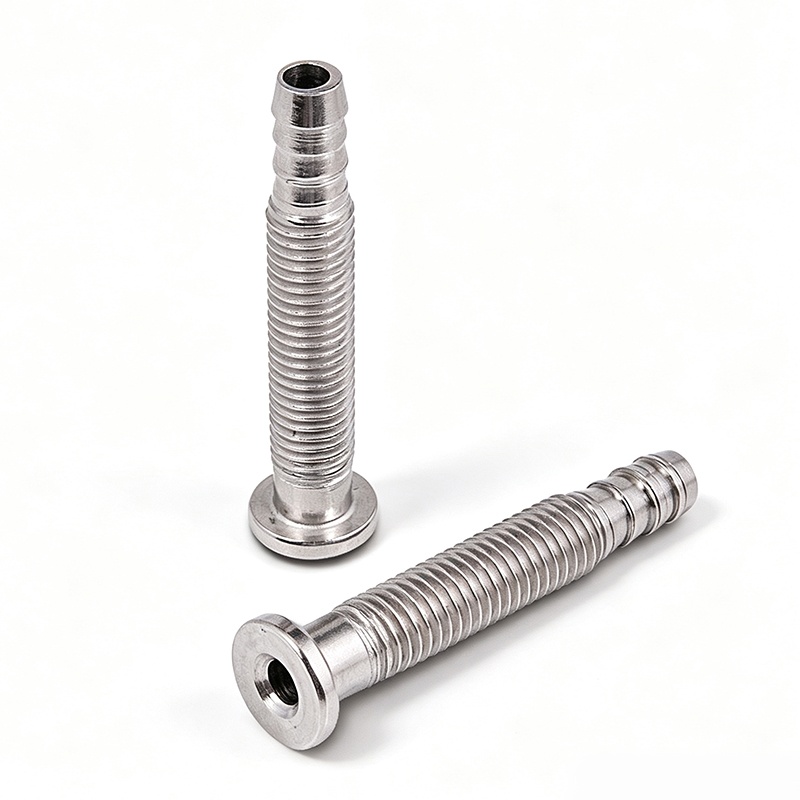 Stainless Steel External Threaded Hollow Multi-Step Connector
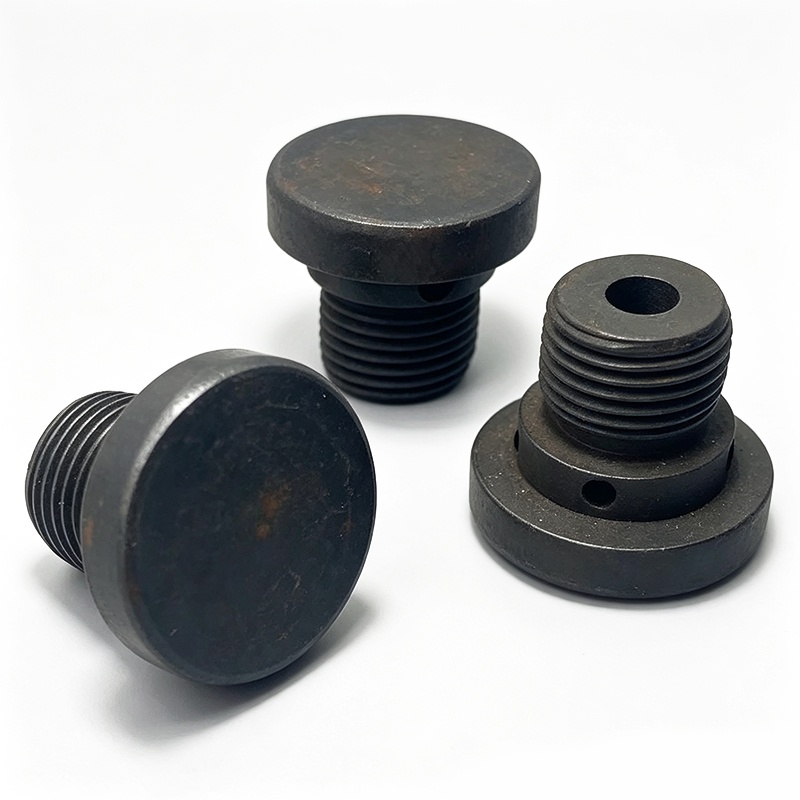 Round Head Hollow Threaded Plugs with Threaded Fasteners for Metal and Machinery
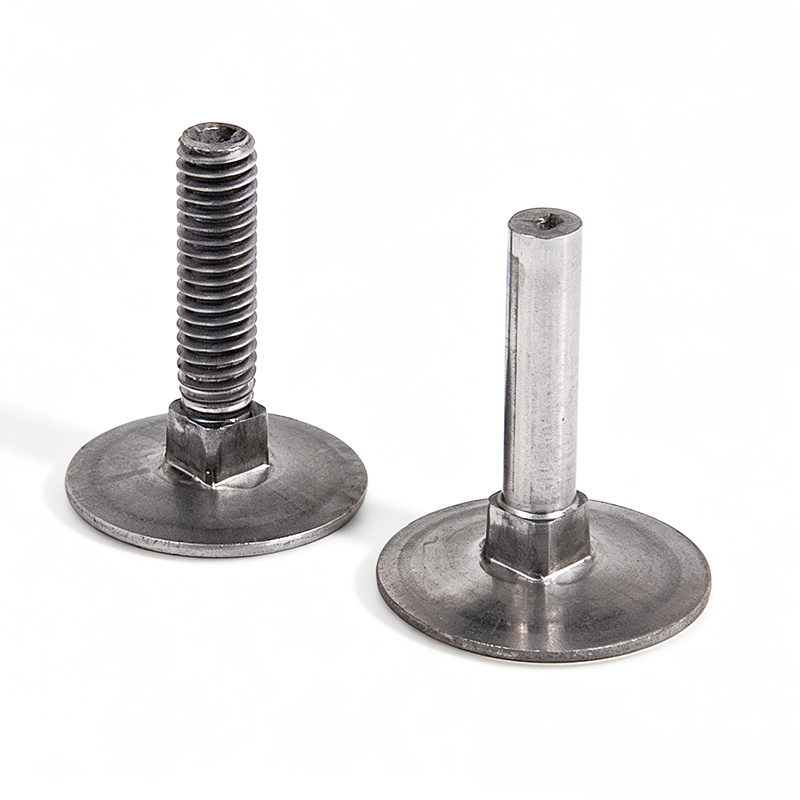 Flat Head Square Neck Adjusting Bolts with Flat Head Fasteners for Furniture and Machinery
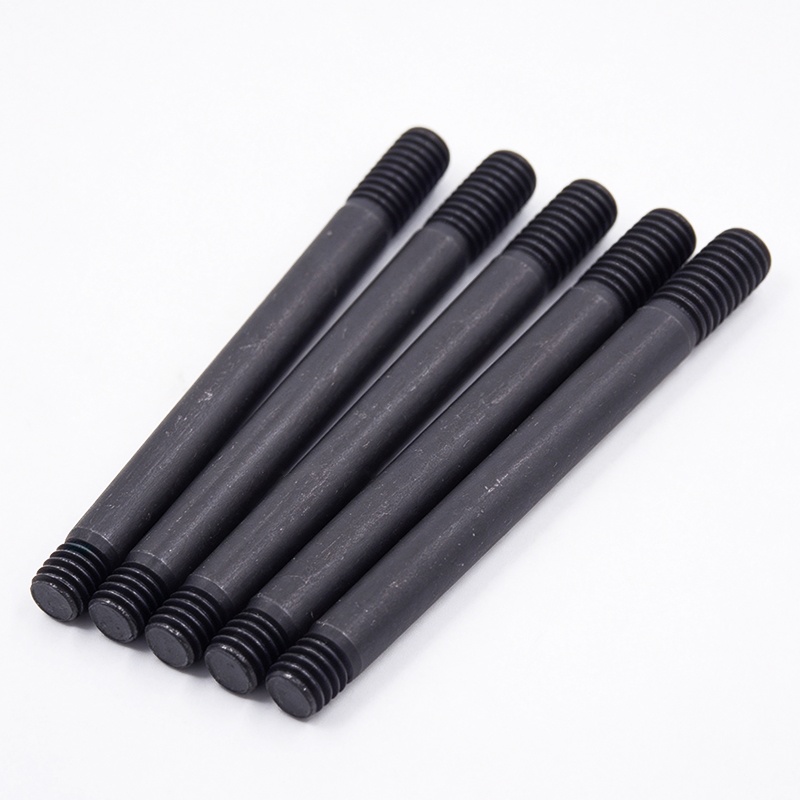 Double Ended Bolts with Threads with Heavy Duty Fasteners for Mechanical Assembly
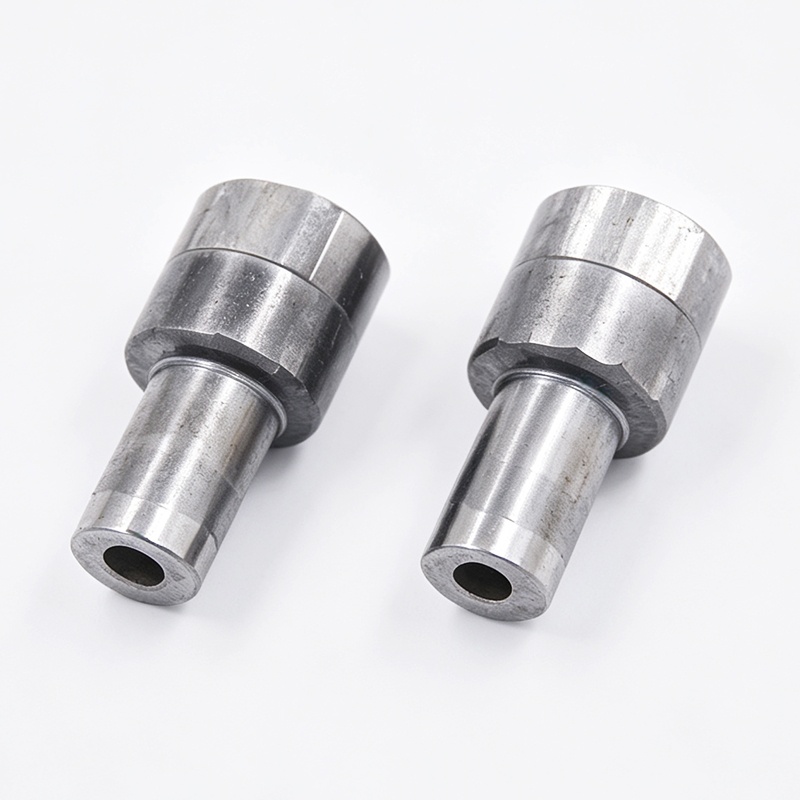 Cold-Bent Stepped Hollow Shaft Sleeve
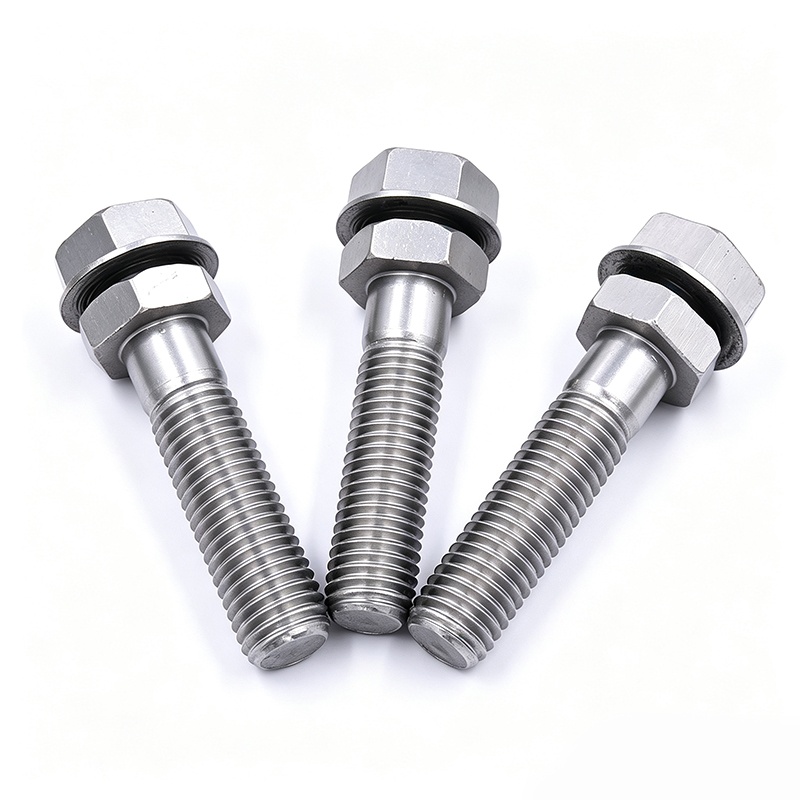 Aluminum Alloy Flange Bolt
Latest News
-
Cold Heading Components: High-performance Fastener Solutions from Wenzhou Riyi Standard Parts Co., Ltd
2026-09-29Cold heading processing shapes metal wire under strong pressure at room temperature without cutting raw materials. Unlike traditional CNC machining, this technology preserves the continuous metal grain flow inside cold heading parts.
-
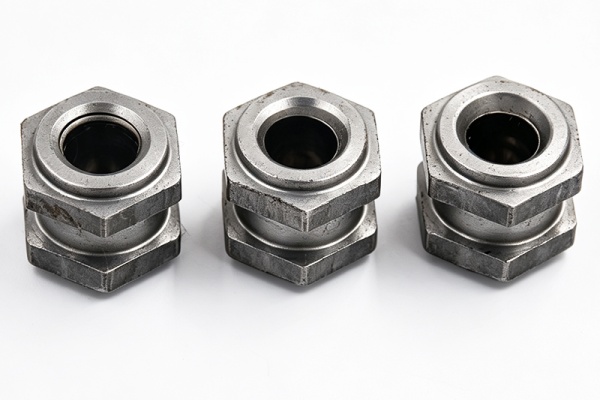
Special-shaped Bolts and Stainless Steel Double-ended Bolts from Wenzhou Riyi Standard Parts Co., Ltd
2026-09-23In modern mechanical manufacturing, construction engineering and equipment assembly, high-quality fasteners are the invisible foundation that guarantees structural safety and product stability.
-
Precision Custom Fasteners from Wenzhou Riyi Standard Parts
2026-09-15Wenzhou Riyi Standard Parts is a reliable Chinese manufacturer focusing on custom non-standard fasteners, located in Wenzhou’s Binhai Economic Zone.
-
Aluminum Alloy Flange Bolts, Ball Head Studs & Dacromet Carriage Bolts – Reliable Fastener Startup Business
2026-09-08Fasteners are essential basic components widely used in machinery, automotive, engineering and equipment assembly industries.