Products


Precision Fully Threaded Carbon Double Head Screws Fasteners
Double-head screws, commonly known as studs or rod bolts, are special fasteners with threads on both ends and a polished rod in the middle. As a typical type of special-shaped fastener, its core function is to act as a non-detachable permanent connection intermediary.
Send Inquiry
Product Description
Product introduction
Double-head screws, commonly known as studs or rod bolts, are special fasteners with threads on both ends and a polished rod in the middle. As a typical type of special-shaped fastener, its core function is to act as a non-detachable permanent connection intermediary. After one end (the seat end) is firmly screwed into the fixing threaded hole of one component, the other end (the free end) is used to install another component and tighten it with a nut. This design makes it ideal for joining two separate components, adjusting component spacing, or providing a removable interface. Among many stainless steel fasteners, double-headed screws play an irreplaceable role in situations requiring high strength and corrosion resistance due to their unique structure and functions.
Product design and features
Precision design of double-end threads: The threads at both ends can have the same specifications, or can be designed with different nominal diameters, pitches or directions of rotation according to the connection requirements. This flexible thread configuration makes it an alternative fastener solution to complex connection problems.
Various rod and thread transition structures: the middle polished rod part can be designed with a standard diameter, or can be thickened according to strength or positioning requirements. The thread ends are usually designed with undercuts or chamfers to ensure smooth screwing in and reduce stress concentration. These details usually reflect the craftsmanship of cold heading non-standard parts.
High strength and fatigue resistance: Studs manufactured through cold heading forming process have continuous and complete metal fiber streamlines. Compared with turned parts, they have higher tensile strength, yield strength and excellent fatigue resistance. They are especially suitable for harsh environments with vibration and alternating loads.
Flexible installation and connection methods: As an "intermediary", it allows a connected component to be quickly and frequently assembled and disassembled without disturbing the fixed connection at the other end, greatly simplifying equipment maintenance and component replacement processes.
Materials and application areas
Core materials and properties: Carbon steel and alloy steel (such as 45# steel, 40Cr, 35CrMo): After quenching and tempering heat treatment, high strength and good toughness can be obtained, which is the first choice for heavy machinery and high-pressure flange connections. Stainless steel (such as 304, 316, 316L): As an important stainless steel fastener, it provides excellent corrosion resistance and is suitable for clean or corrosive environments such as food machinery, chemical equipment, marine engineering and medical equipment. Special alloys (such as Monel, Hastelloy, titanium alloys): used in extreme environments, such as high temperatures, strong acids and alkalis, or aerospace fields.
Wide range of applications
Industrial equipment: foot installation of heavy equipment, engine cylinder head connection, flange connection of high-pressure valves and pipelines.
Infrastructure construction: steel structure bridges, embedding and suspension systems for building curtain walls.
Transportation: connection of components of automobile engines and rail transit vehicles.
Energy and chemical industry: The high-pressure sealed connection of reactors, towers, and heat exchangers is one of the core special-shaped fasteners in pipeline flange connections.
Precision instruments: modular connections in scientific instruments and optical platforms that require fine adjustment of distance or precise positioning.
Quality control and certification system
To ensure the reliability of each double-headed screw, especially the non-standard fasteners that are key connectors, strict quality control runs throughout. Standard compliance: Production and inspection strictly follow GB/T 897-900 (Chinese national standard), DIN 938-939 (German standard), ISO 3506 (stainless steel mechanical properties) and other relevant international, national or industry standards. Whole-process testing: raw material testing: chemical composition spectrum analysis and preliminary testing of mechanical properties on steel or stainless steel bars. Process control: During the molding process of cold heading non-standard parts, monitor the mold accuracy and cold heading force.
Key inspections of finished products: dimensional and thread accuracy, mechanical performance testing, surface and anti-corrosion, metallography and hardness, etc.
Customized services
Dimensional specifications, customized non-standard total length, rod diameter, and different thread specifications at both ends.
Structure and form, design with undercut, boss, hexagonal screw position in the middle; or manufacture studs with a welded end at one end
For materials and properties, select special grades of special steel, stainless steel or alloys; specify specific heat treatment conditions and mechanical performance levels (such as level 12.9).
Surface treatment includes nickel plating, chrome plating, blackening, Teflon coating, chemical nickel-phosphorus alloy plating, etc. to meet anti-corrosion, wear-resistant or aesthetic needs.
Special requirements, customized solutions to meet extreme working conditions such as non-magnetic, high temperature resistance, and hydrogen embrittlement resistance.
Customization process: Provide detailed drawings and technical agreements → Suppliers conduct process review and quotation → Make samples and submit sample test reports → Arrange mass production after sample confirmation.
FAQ
Q: To customize a non-standard double-headed screw, what is the minimum order quantity (MOQ) and delivery time?
A: It depends on the process complexity and materials. For cold-headed non-standard parts of regular sizes, the MOQ may be 5,000 to 10,000 pieces; for complex special-shaped fasteners that require CNC turning, the MOQ can be as low as 100-500 pieces. The delivery time ranges from 15 days to 45 days after receiving the confirmed drawings, and the specifics need to be negotiated with the supplier.
Q: What special requirements do stainless steel stud bolts need to meet when used in food or medical equipment?
A: These fields have extremely high requirements on safety, hygiene and material purity.
Specific material certification: Material certification that complies with FDA (U.S. Food and Drug Administration) or EU 10/2011 (European Union food contact materials) regulations must be provided to ensure that no harmful substances are released.
Surface treatment: High-grade electrolytic polishing or mechanical polishing is usually required to achieve extremely low surface roughness to prevent microbial residues and facilitate cleaning and disinfection.
Traceability: Products should have complete batch traceability, with records at every step from raw materials to finished products. This is one of the core requirements of quality management systems (such as ISO 13485) in the medical and pharmaceutical industries.
Q: What should I do if the stainless steel stud bolts "seize" (threads get stuck) during installation? How to effectively prevent it?
A: "Seizure" is a phenomenon in which the stainless steel thread pair causes microscopic adhesion on the metal surface due to frictional heat during tightening.
Use lubricant: Be sure to use special thread lubricating paste or lubricant containing molybdenum disulfide to significantly reduce the friction coefficient. Control speed and torque: Use low speed and smooth torque for installation to avoid local high temperatures caused by rapid friction.
Correct selection: Try to make the hardness of bolts and nuts different (for example, the hardness of bolts is higher than that of nuts), or directly choose products with anti-seizure coating. Dealing with the stuck thread: You can try to spray a special thread loosening agent. After it penetrates, try to loosen it by tapping alternately forward and backward. If it fails, it may need to be destructively dismantled. Do not use brute force to cause breakage.
Send Inquiry
Related Products
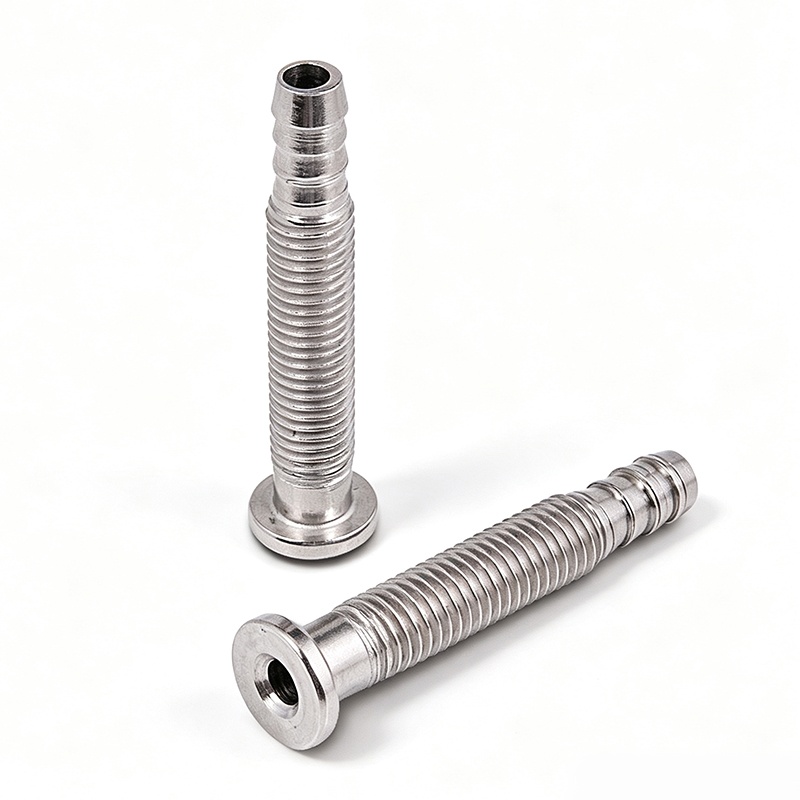 Stainless Steel External Threaded Hollow Multi-Step Connector
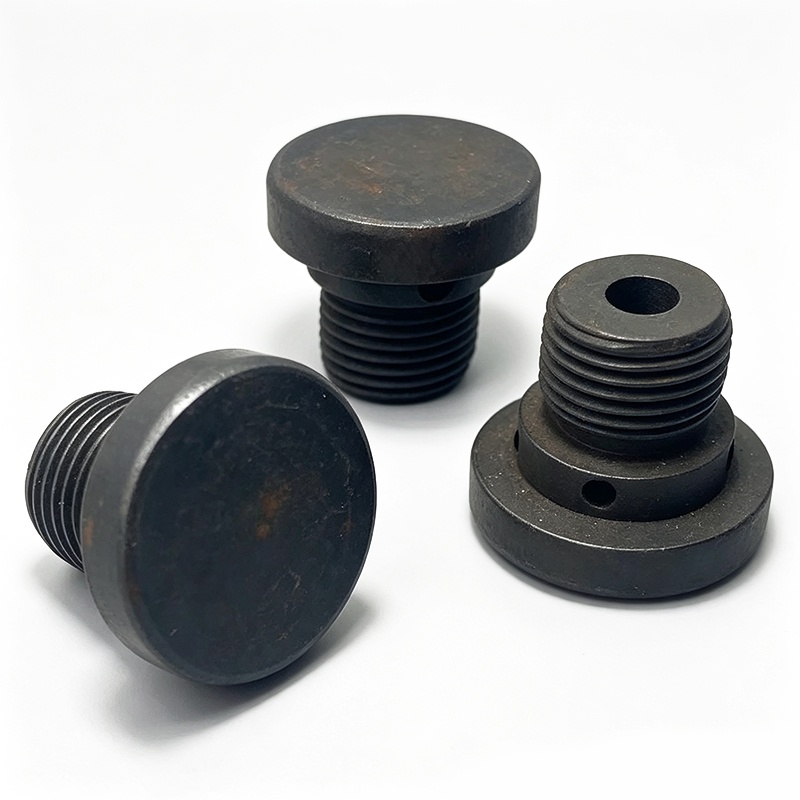 Round Head Hollow Threaded Plugs with Threaded Fasteners for Metal and Machinery
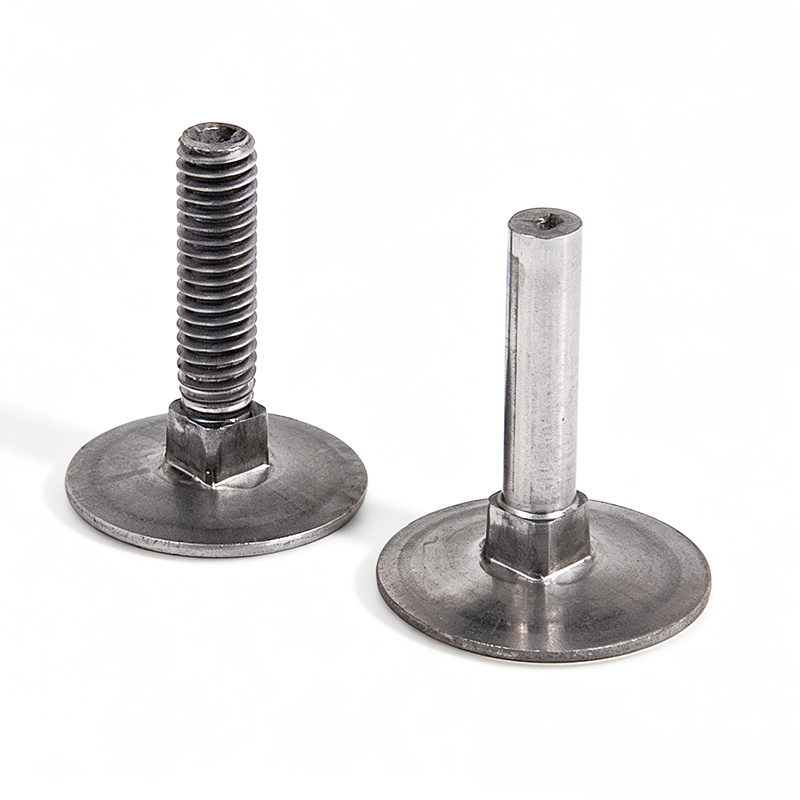 Flat Head Square Neck Adjusting Bolts with Flat Head Fasteners for Furniture and Machinery
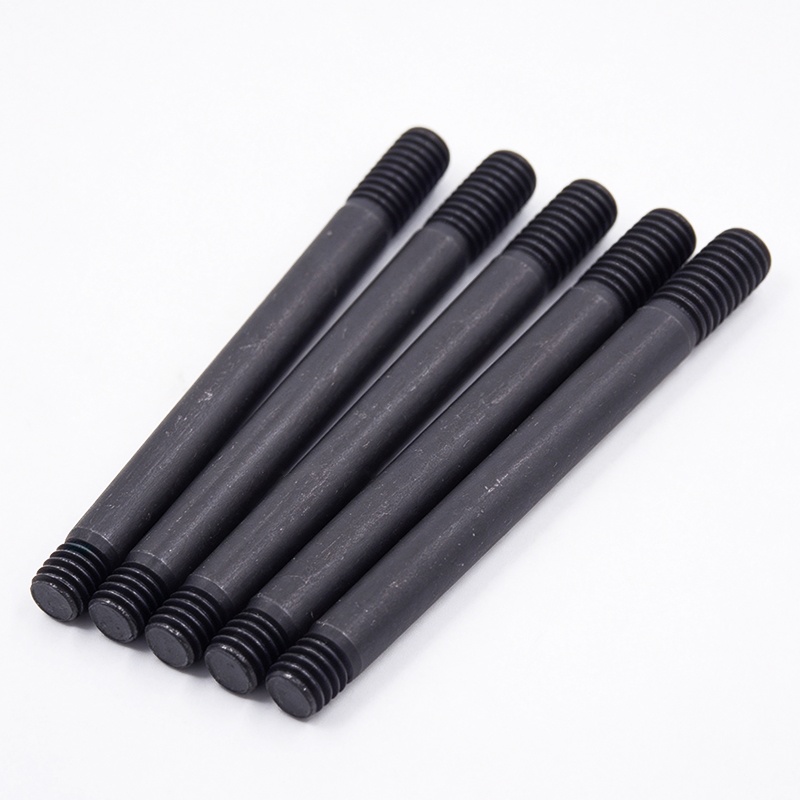 Double Ended Bolts with Threads with Heavy Duty Fasteners for Mechanical Assembly
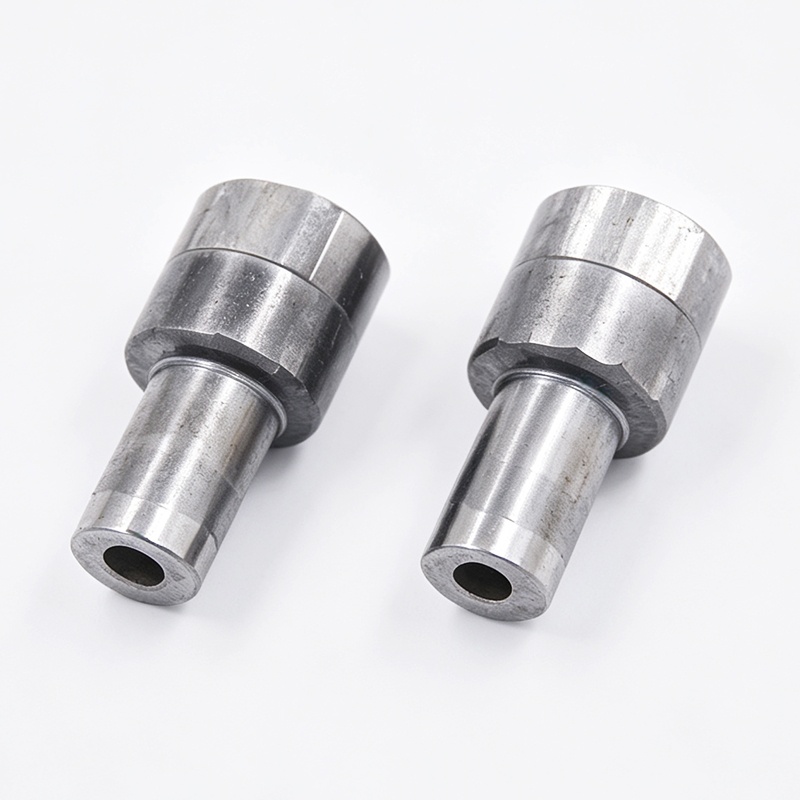 Cold-Bent Stepped Hollow Shaft Sleeve
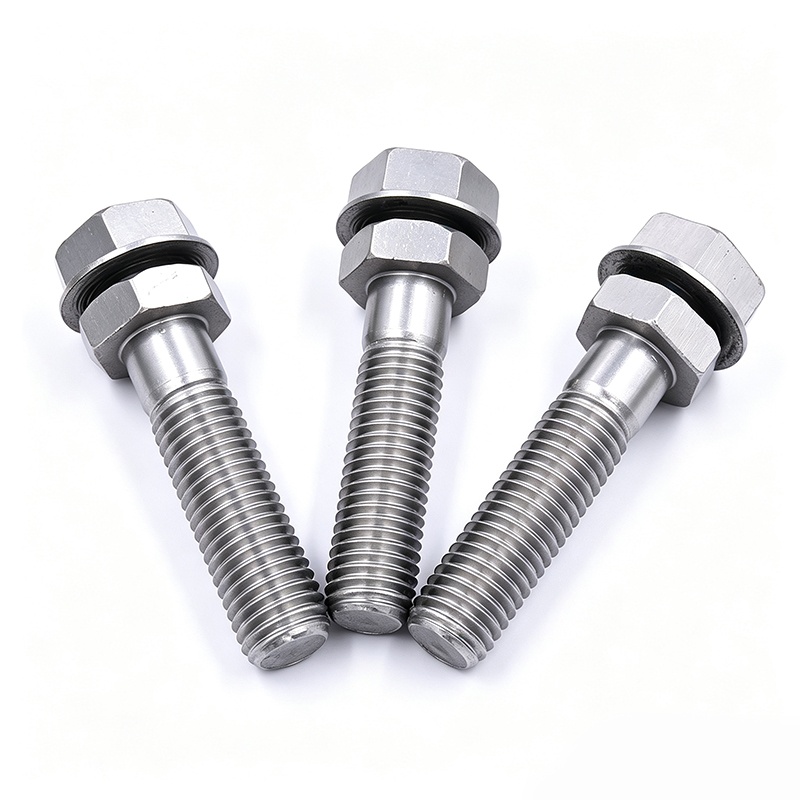 Aluminum Alloy Flange Bolt
Latest News
-
Cold Heading Components: High-performance Fastener Solutions from Wenzhou Riyi Standard Parts Co., Ltd
2026-09-29Cold heading processing shapes metal wire under strong pressure at room temperature without cutting raw materials. Unlike traditional CNC machining, this technology preserves the continuous metal grain flow inside cold heading parts.
-
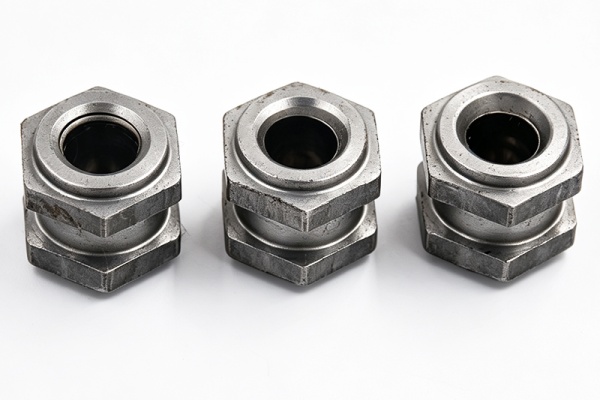
Special-shaped Bolts and Stainless Steel Double-ended Bolts from Wenzhou Riyi Standard Parts Co., Ltd
2026-09-23In modern mechanical manufacturing, construction engineering and equipment assembly, high-quality fasteners are the invisible foundation that guarantees structural safety and product stability.
-
Precision Custom Fasteners from Wenzhou Riyi Standard Parts
2026-09-15Wenzhou Riyi Standard Parts is a reliable Chinese manufacturer focusing on custom non-standard fasteners, located in Wenzhou’s Binhai Economic Zone.
-
Aluminum Alloy Flange Bolts, Ball Head Studs & Dacromet Carriage Bolts – Reliable Fastener Startup Business
2026-09-08Fasteners are essential basic components widely used in machinery, automotive, engineering and equipment assembly industries.