Products


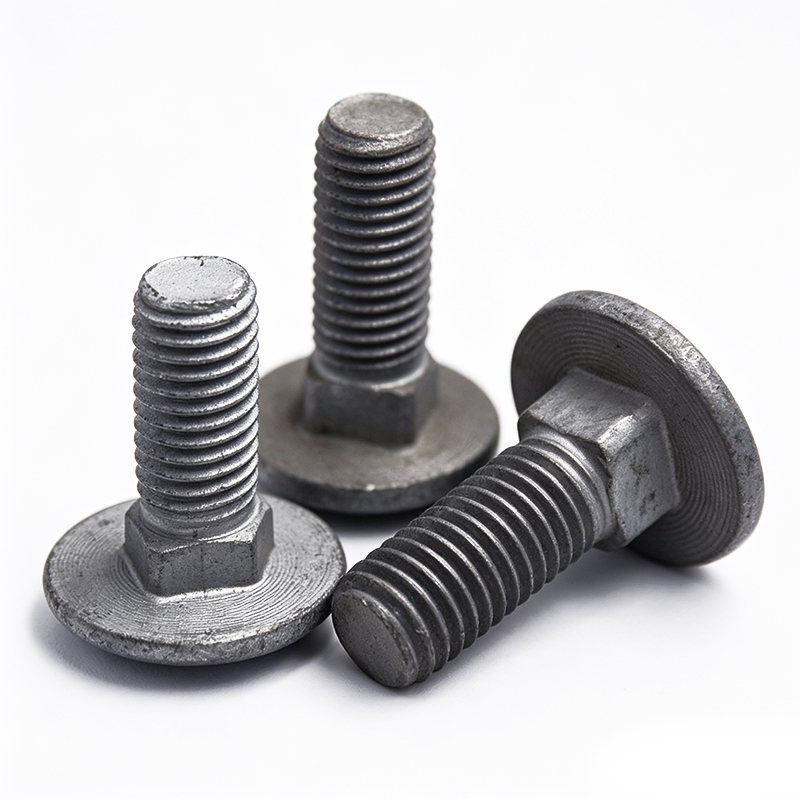
High-Precision Carbon Steel Zinc Plated Partially Threaded T-Screws
Partially threaded T-screws are a special-shaped screw. The core of its design is that part of the screw has a smooth shaft and the other part is threaded.
Send Inquiry
Product Description
Product introduction
Partially threaded T-screws are a special-shaped screw. The core of its design is that part of the screw has a smooth shaft and the other part is threaded. This unique "partial thread" design allows the two parts to be tightly connected while the smooth shaft section can precisely control the clamping position and withstand shear force, while the threaded section provides strong axial pulling force. This type of T-shaped screw is a typical representative of non-standard screws. It is specially developed to meet specific and high-demand connection scenarios. It is commonly used in high-precision equipment, heavy wooden structures or special assembly lines.
Product design and features
Partially threaded design and smooth shaft section achieve precise positioning and load-bearing; the threaded section provides strong tensioning force. It is the basis for realizing the function of "positioning first, then locking".
The T-shaped head design provides a wide pressure-bearing surface, making it easy to install from the side or snap into the slide rail for easy installation.
High-strength drive grooves (such as RW/TX) provide a larger torque transmission contact surface, prevent slipping, extend tool life, and enable one-handed operation.
Thread under the head (optional), adding a short thread under the head can produce an additional tightening effect of about 2mm, achieving a completely gap-free connection.
Materials and application fields
Commonly used materials: carbon steel galvanized: economical and versatile, with good strength and rust resistance, suitable for most indoor and general humid environments. A2/A4 stainless steel: Especially austenitic stainless steel, it has excellent corrosion resistance and non-magnetic properties, and is suitable for outdoor, high humidity or chemical environments. Alloy Steel: Heat treated to achieve extremely high strength and used in critical structures that can withstand heavy loads and impacts.
Main areas of application: High-end timber construction: such as heavy timber houses, beam-to-column connections, outdoor terraces and guardrails. Its strong pulling power and pull-out resistance are ideal. Industrial equipment and machine tools: used to fix guide rails, modules or large panels. The T-shaped head can be embedded in the T-shaped slot of the machine tool for quick installation and adjustment. Outdoor weather-resistant structures: such as wooden siding, fences, decks. The screws made of stainless steel can resist wind and rain corrosion for a long time.
Quality Control and Certification System: The production of these high-performance fastener screws follows strict quality standards and certification systems.
International standards: Production and inspection follow general fastener quality assurance standards such as ASME B18.18.1. For extreme fields such as aviation, there are more specialized standards (such as EN 4509 for aerospace titanium alloy screws).
Industry certification: ETA European Technical Assessment Certification: For screws used in building structures (such as wood connections), ETA certification (such as ETA-11/0190) is an important sign that proves that its design load value has been verified by an independent agency.
CE mark: Indicates that the product complies with the EU Construction Products Regulation (CPR), which is a market access requirement for fasteners and screws used in construction.
ISO 9001 quality management system: It is the basic certification for many high-quality manufacturers, ensuring the stability and reliability of the production process.
Customized services: Faced with diverse engineering needs, professional manufacturers can provide in-depth non-standard screw customization services.
Requirement confirmation: Customers provide drawings, samples or descriptions of specific working conditions (such as connection materials, stress requirements, environment, etc.).
Technical assessment: The engineering team conducts manufacturability analysis to determine the best materials (such as stainless steel, alloy steel), thread parameters, heat treatment processes and surface treatment methods.
Quotation and proofing: Provide quotation based on evaluation results and quantity, and make samples for customer testing and verification.
Production and quality control: After sample confirmation, production will be carried out according to standard processes (heading, thread rolling, heat treatment, surface treatment, etc.), and full dimensional and mechanical property testing will be performed.
Packaging and delivery: Packed as agreed and delivered on time.
FAQ
Q: What does the "partial thread" marked in the product specifications specifically refer to? Can the thread length be customized?
A: "Partially threaded" means that the screw consists of a section of unthreaded polished rod and a section with threads. This design is key to the functionality of this type of T-shaped screw. Yes, the starting position of the thread, the length of the thread segment, and the thread profile (such as self-tapping threads, mechanical threads) are all common items in non-standard screw customization services and can be optimized according to the specific thickness of your connector.
Q: If my project requires unconventional sizes or head shapes, can it be customized?
A: Absolutely. This is the core service of non-standard screw manufacturers. You can provide drawings or samples to discuss with engineers the head shape (such as cylindrical head, countersunk head), size, material (including special alloys) and surface treatment (such as Dacromet, hot-dip galvanizing) of customized T-shaped screws to meet unique design or engineering needs.
Q: Do you need special tools to install these screws?
A: A high-quality tool that matches the screw drive slot is required. It is recommended to use an impact driver instead of a regular electric drill because it provides a more stable rotational torque and avoids slipping and damaging the screw head. For high-volume installations, use a torque-limited driver to ensure consistent tightening force on each screw.
Send Inquiry
Related Products
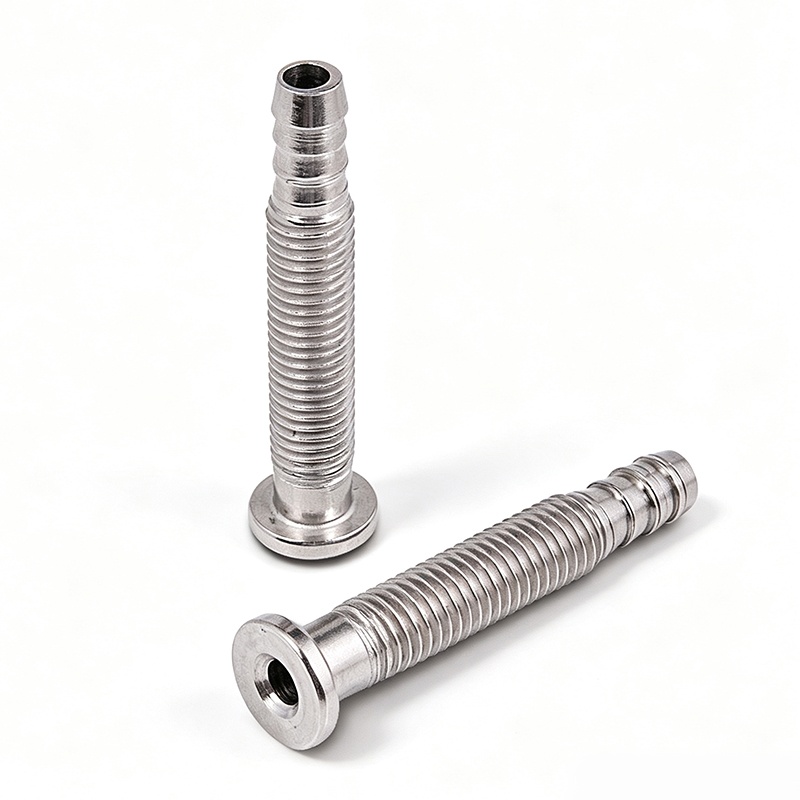 Stainless Steel External Threaded Hollow Multi-Step Connector
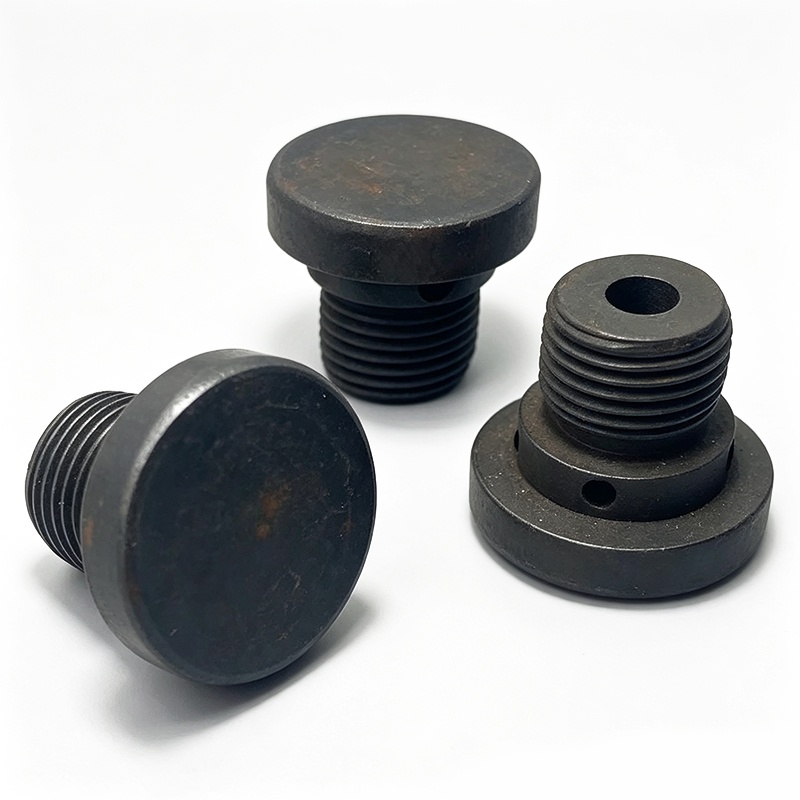 Round Head Hollow Threaded Plugs with Threaded Fasteners for Metal and Machinery
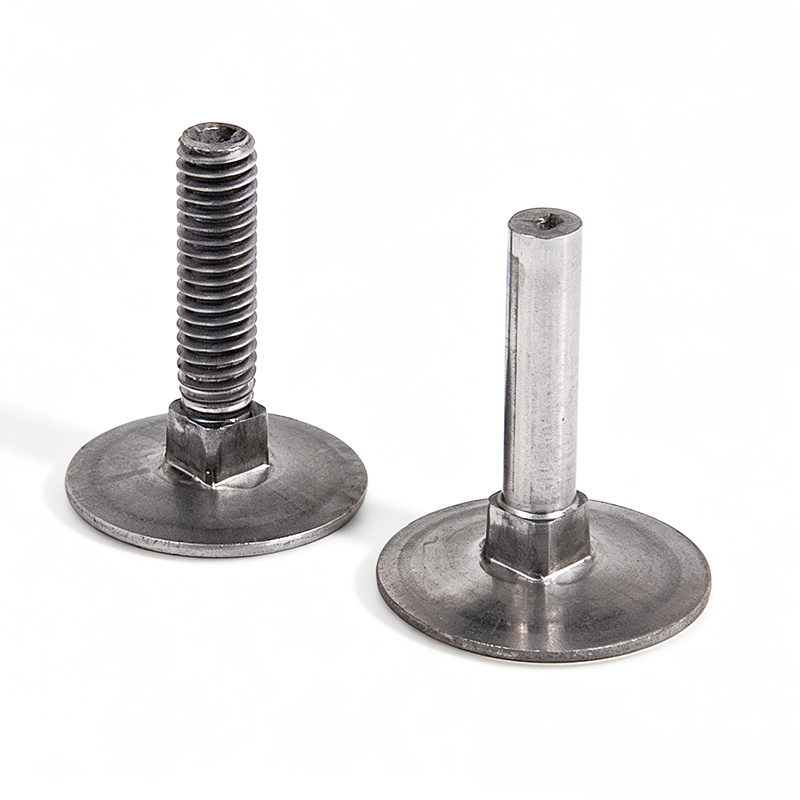 Flat Head Square Neck Adjusting Bolts with Flat Head Fasteners for Furniture and Machinery
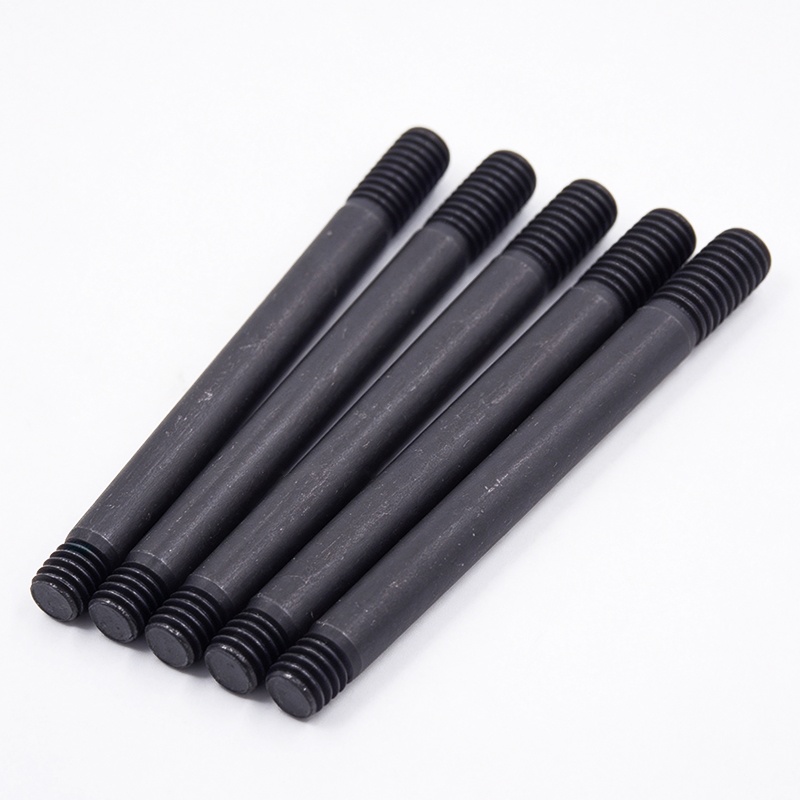 Double Ended Bolts with Threads with Heavy Duty Fasteners for Mechanical Assembly
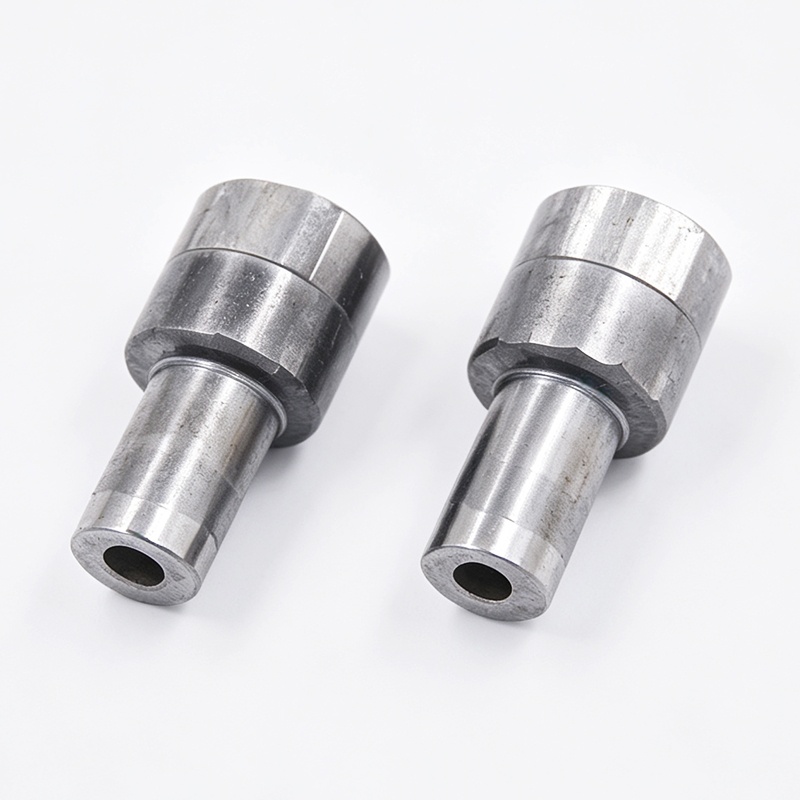 Cold-Bent Stepped Hollow Shaft Sleeve
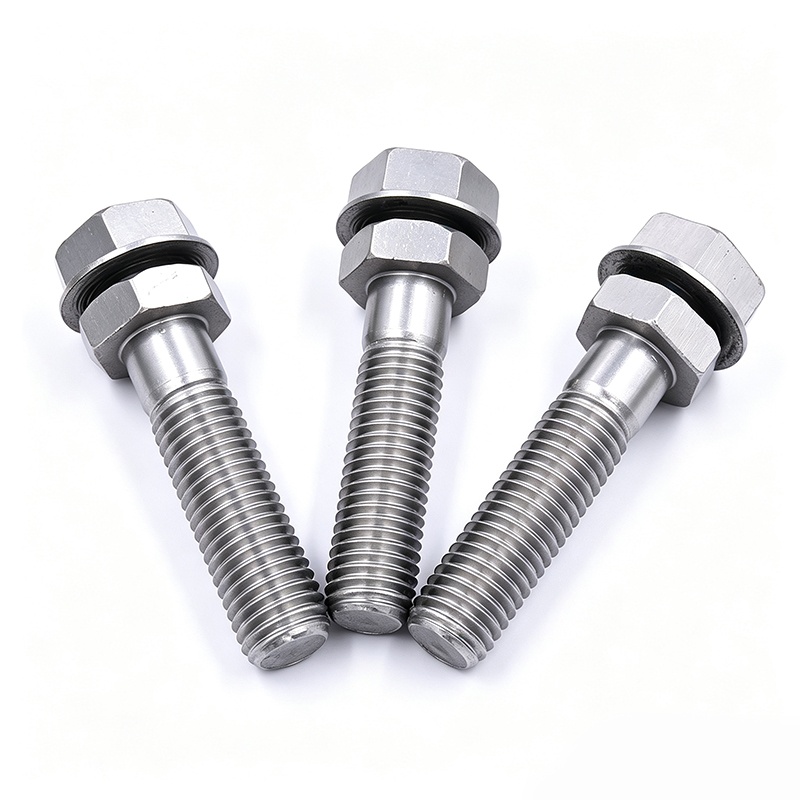 Aluminum Alloy Flange Bolt
Latest News
-
Cold Heading Components: High-performance Fastener Solutions from Wenzhou Riyi Standard Parts Co., Ltd
2026-09-29Cold heading processing shapes metal wire under strong pressure at room temperature without cutting raw materials. Unlike traditional CNC machining, this technology preserves the continuous metal grain flow inside cold heading parts.
-
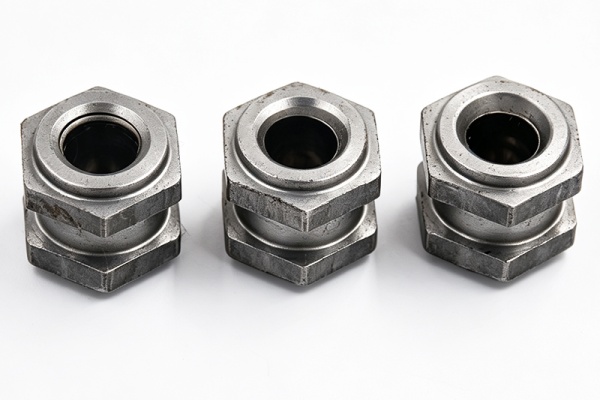
Special-shaped Bolts and Stainless Steel Double-ended Bolts from Wenzhou Riyi Standard Parts Co., Ltd
2026-09-23In modern mechanical manufacturing, construction engineering and equipment assembly, high-quality fasteners are the invisible foundation that guarantees structural safety and product stability.
-
Precision Custom Fasteners from Wenzhou Riyi Standard Parts
2026-09-15Wenzhou Riyi Standard Parts is a reliable Chinese manufacturer focusing on custom non-standard fasteners, located in Wenzhou’s Binhai Economic Zone.
-
Aluminum Alloy Flange Bolts, Ball Head Studs & Dacromet Carriage Bolts – Reliable Fastener Startup Business
2026-09-08Fasteners are essential basic components widely used in machinery, automotive, engineering and equipment assembly industries.