Products


Hexagon Socket Tip Set Screw
Hexagonal tip set screws, also known as tapered top set screws, are special fasteners that are mainly used to fix the relative position of two parts in mechanical assemblies and prevent them from sliding or rotating.
Send Inquiry
Product Description
Product introduction
Hexagonal tip set screws, also known as tapered top set screws, are special fasteners that are mainly used to fix the relative position of two parts in mechanical assemblies and prevent them from sliding or rotating. Its structural feature is that the head adopts an internal hexagonal groove design, which can be tightened using a standard internal hexagonal wrench, which is easy to operate and saves space; while the end of the screw is designed with a sharp conical tip. In functional applications, its tapered tip can be directly pressed or embedded into the surface of mating parts, and can even be screwed into hard materials (such as shaft parts) after pre-drilling guide holes to form a strong radial fixation. This makes it ideal for scenarios that require precise axial positioning and transmission of small torque or lateral force, such as for fixing parts such as gears, pulleys, handles or knobs on a shaft to prevent them from moving along the axis or rotating relative to the shaft. As a precision positioning and locking component, the screw plays a key role in the assembly of machine tools, transmission systems, instruments, molds and various precision equipment. Choosing the appropriate material, hardness and size, as well as the correct installation torque, are the keys to ensuring the best fixing effect.
Product features
1. Precision positioning and radial locking
Its sharp, conical tip is the main feature. The tip can be strongly pressed or embedded into the surface of the mating part, and can even penetrate deep into the preset guide hole, generating extremely high local pressure to achieve precise radial positioning and anti-rotation locking, effectively preventing relative sliding between parts.
2. Compact installation and operation
The internal hexagonal driving method (commonly hexagonal) allows the screw head to be completely sunk into the part, saving axial space and achieving a neat assembly appearance. Combined with a special hexagonal wrench, it can provide high-torque operation in a narrow space, making installation and disassembly easy and reliable.
3. Strong axial holding force
Through the huge bite force and friction generated by the tip, the screw can provide excellent axial retention force, ensuring that the fixed parts (such as gears, handles, bearings) are stable on the shaft and resist vibration and axial load.
4. Adaptability to workpieces
The tapered tip design allows it to be used directly on high-hardness shaft surfaces (which may leave indentations), and is also suitable for use in softer materials or machined positioning holes, making the application flexible. However, it should be noted that when used on precision or hardened surfaces, it is usually recommended to use a prefabricated center hole (tip hole) to avoid damaging the workpiece.
5. Diverse materials and properties
According to the needs of different working conditions, carbon steel, alloy steel, stainless steel and other materials can be selected, and different hardness levels can be obtained through heat treatment to meet the use requirements in various environments from general industry to high strength and corrosion resistance.
Product application
1. Fixing the shaft parts of the transmission system
This is the main application area. The screw is pressed or embedded into the surface of a rotating shaft (such as a motor shaft, transmission shaft) through its tip to firmly lock the parts on the shaft to prevent its axial movement and circumferential rotation. Typical parts: fixed gears, synchronous pulleys, sprockets, couplings, cams, impellers, handles or knobs, etc.
2. Fine adjustment and locking of precision instruments
This screw provides a reliable stopping solution in installations where permanent locking after precise adjustment is required. Typical scenarios: adjusting and locking optical instrument lenses, zeroing and fixing pointers of measuring instruments, locking limit stops of precision slides or fixtures, etc.
3. Mold and fixture manufacturing
In tooling fixtures, they are often used to accurately fix mold inserts, guide posts or positioning pins to ensure repeatability in processing or assembly. Its compact head design helps save space.
4. Electronic equipment and small organizations
In space-constrained electronic equipment housings, internal brackets or small transmission mechanisms, it is used to secure bearings, small pulleys or internal structural parts to achieve compact and stable assembly.
5. Art installation and musical instrument adjustment
There are also applications in professional fields that require fine adjustment and fixation of parts (such as sculptural joints, guitar neck adjustment rod ends, wind instrument keys, etc.).
FAQ
Q: How does this screw achieve fixation? What is the difference between it and ordinary screws?
A: It mainly uses the sharp tapered tip at the end to directly press or embed into the surface of the fixed part (such as a shaft) when tightening, forming a mechanically engaging pit, thereby achieving a strong radial locking force and preventing the part from rotating or axially moving. This is essentially different from ordinary connecting screws that rely on thread friction and clamping force. It is a positioning and stopping element.
Q: Can it be reused?
A: Yes to a certain extent. Each time it is removed and re-tightened, the bite of its tip on the shaft decreases. After several repeated uses, the locking force will weaken significantly. If it is used in critical parts or has been disassembled and assembled many times, it is recommended to replace it with new screws to ensure reliability.
Q: What are the considerations in material selection? Are screws harder than shafts?
A: Yes, this is a key principle. In order to ensure that the screw tip can effectively press into the shaft surface without damaging itself, the hardness of the screw should usually be higher than the hardness of the shaft being fixed. For example, to fix ordinary carbon steel shafts, you can use carbon steel screws with a hardness of HRC 40-50; to fix quenched hard shafts, you need to use alloy steel screws that have been heat-treated to a higher hardness (such as HRC 50 or above).
Send Inquiry
Related Products
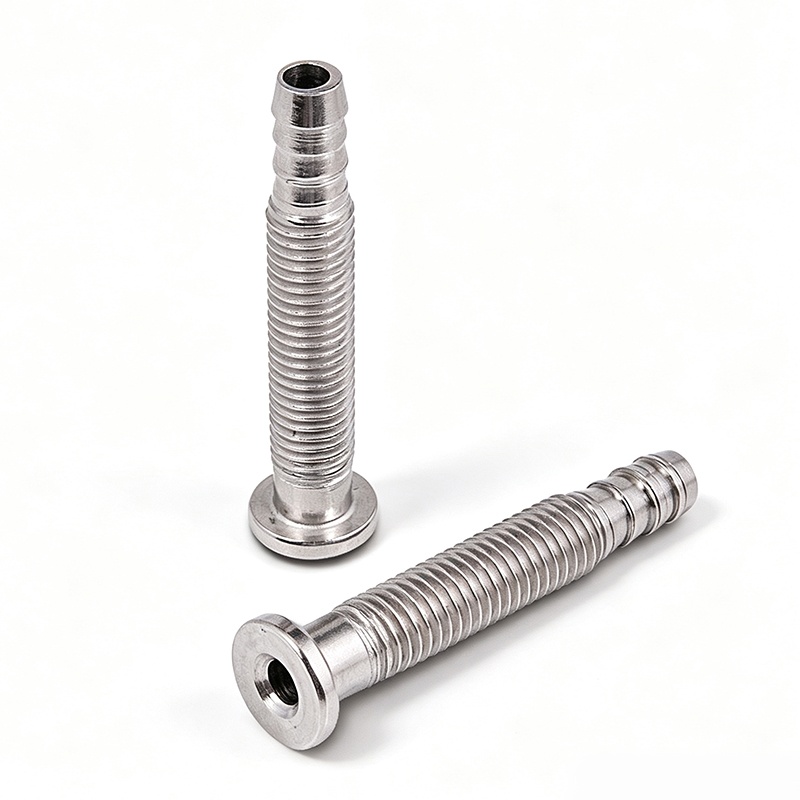 Stainless Steel External Threaded Hollow Multi-Step Connector
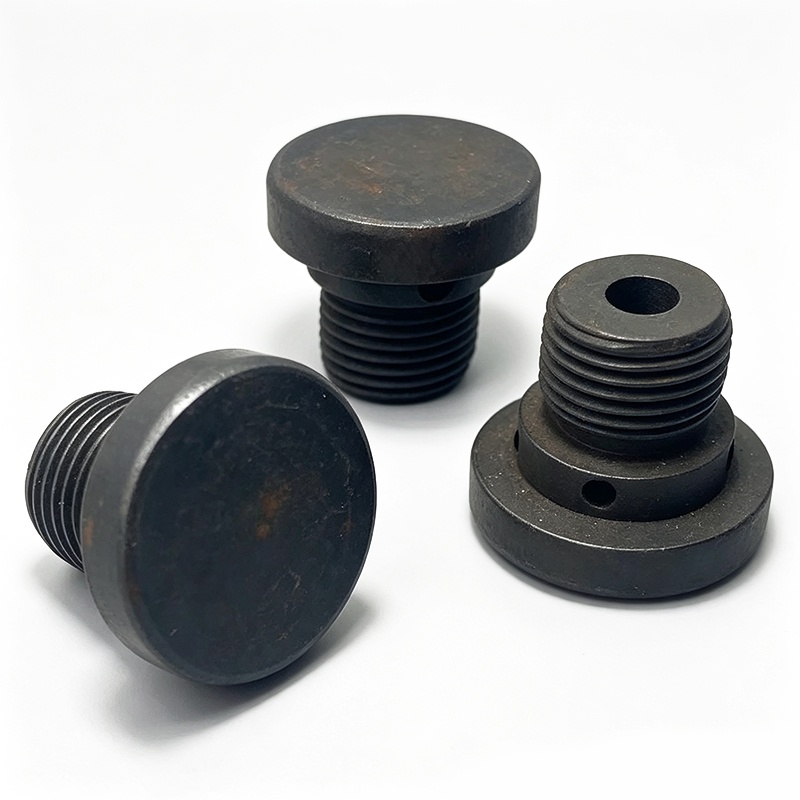 Round Head Hollow Threaded Plugs with Threaded Fasteners for Metal and Machinery
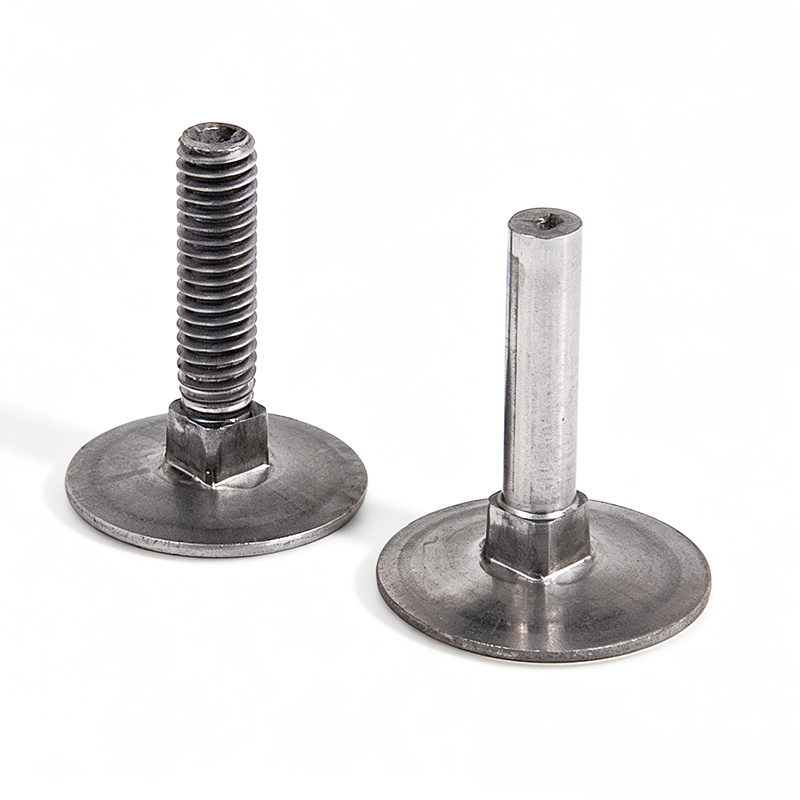 Flat Head Square Neck Adjusting Bolts with Flat Head Fasteners for Furniture and Machinery
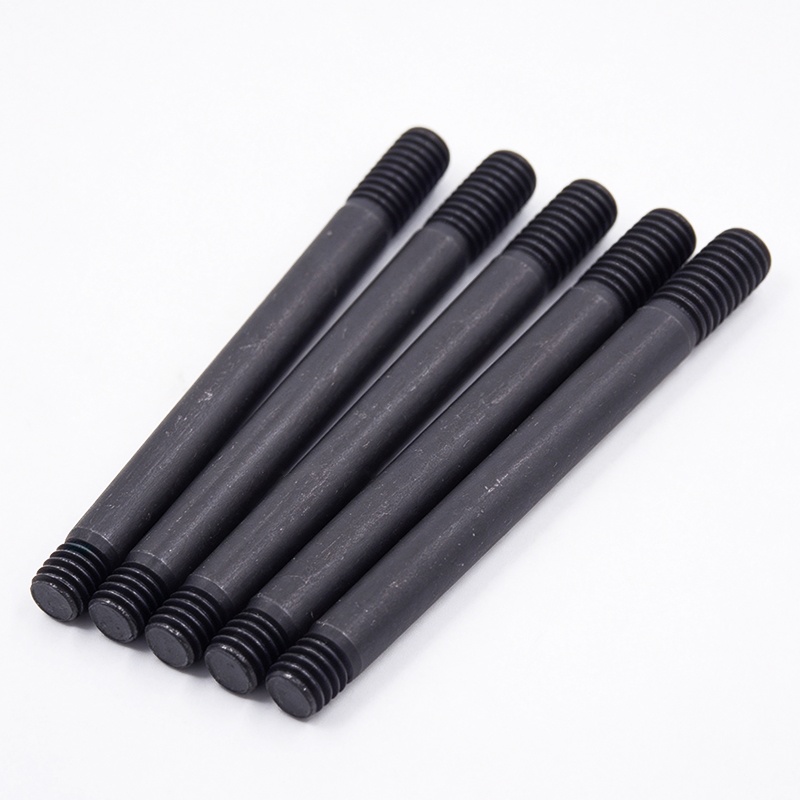 Double Ended Bolts with Threads with Heavy Duty Fasteners for Mechanical Assembly
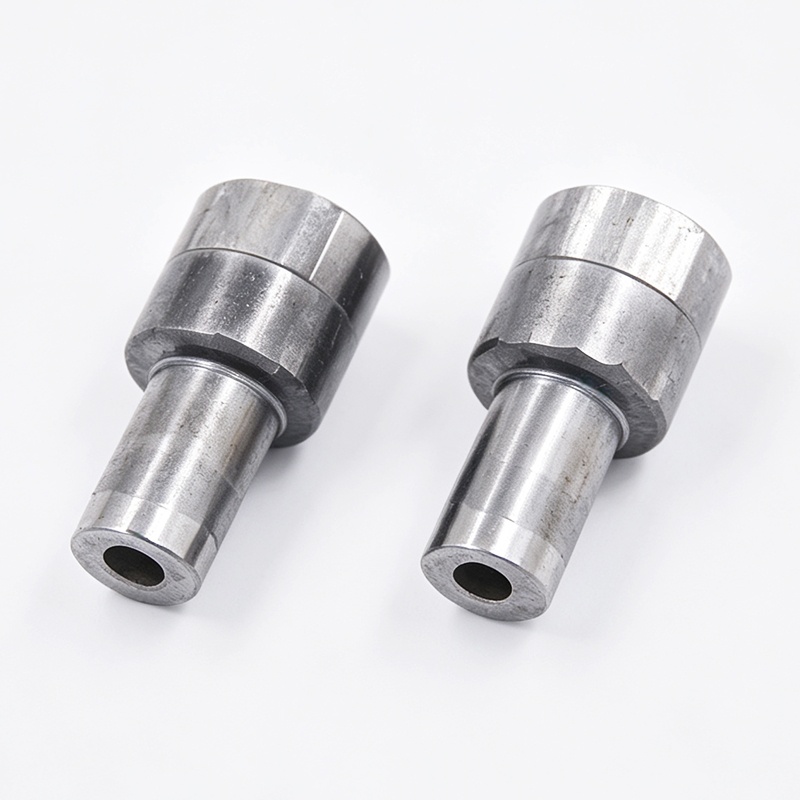 Cold-Bent Stepped Hollow Shaft Sleeve
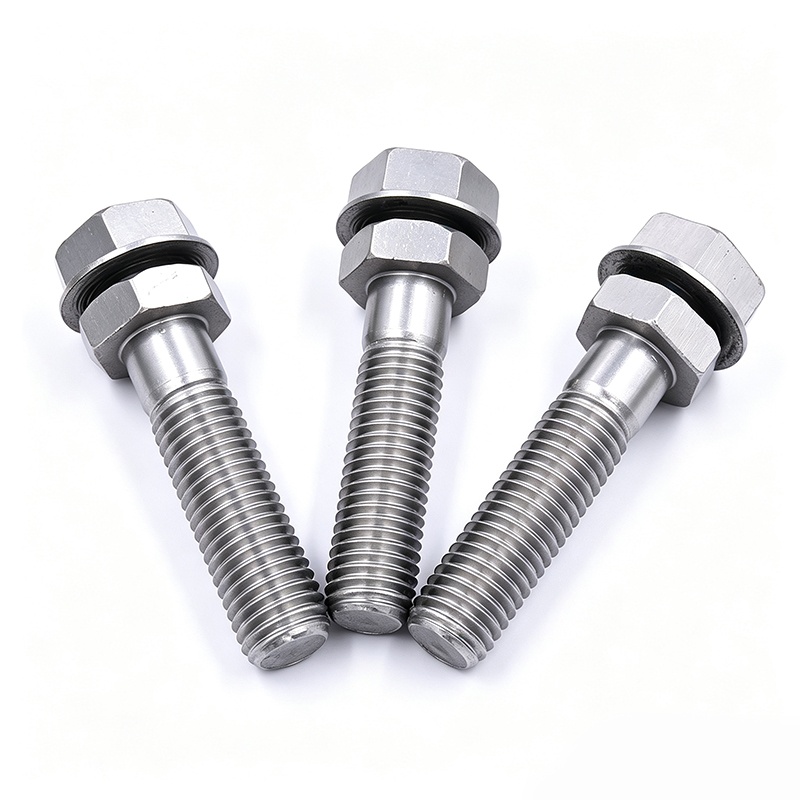 Aluminum Alloy Flange Bolt
Latest News
-
Cold Heading Components: High-performance Fastener Solutions from Wenzhou Riyi Standard Parts Co., Ltd
2026-09-29Cold heading processing shapes metal wire under strong pressure at room temperature without cutting raw materials. Unlike traditional CNC machining, this technology preserves the continuous metal grain flow inside cold heading parts.
-
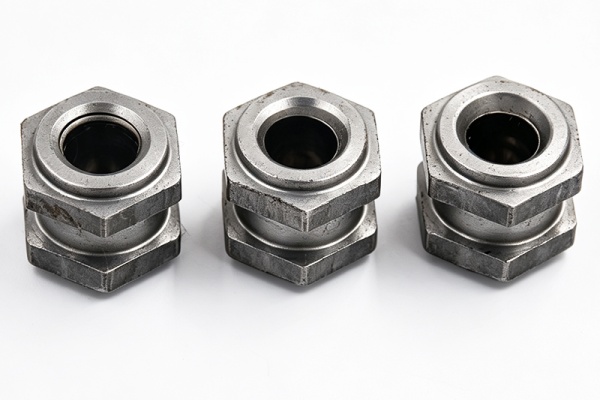
Special-shaped Bolts and Stainless Steel Double-ended Bolts from Wenzhou Riyi Standard Parts Co., Ltd
2026-09-23In modern mechanical manufacturing, construction engineering and equipment assembly, high-quality fasteners are the invisible foundation that guarantees structural safety and product stability.
-
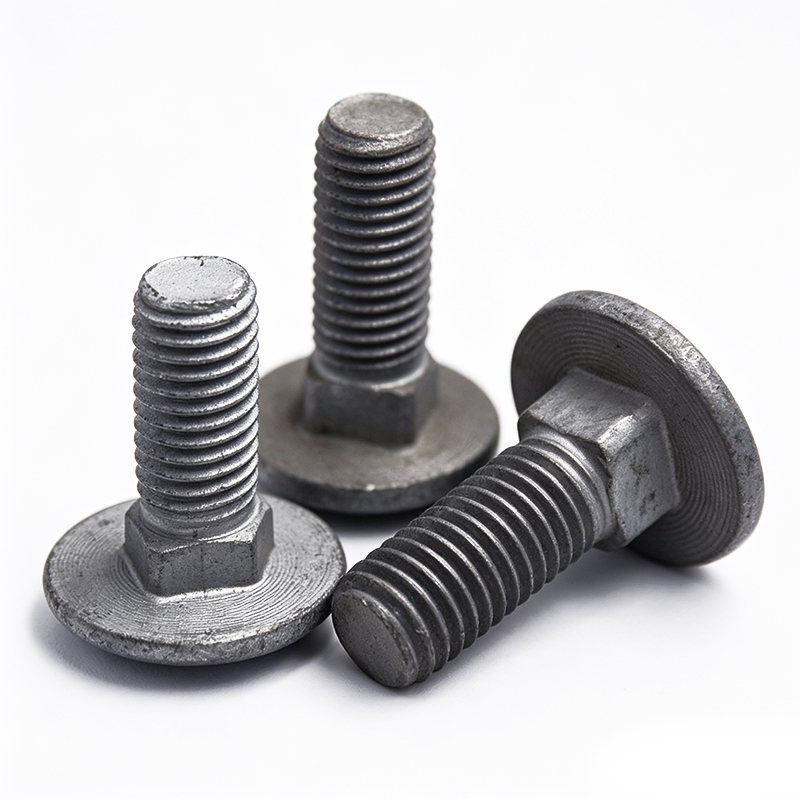
Precision Custom Fasteners from Wenzhou Riyi Standard Parts
2026-09-15Wenzhou Riyi Standard Parts is a reliable Chinese manufacturer focusing on custom non-standard fasteners, located in Wenzhou’s Binhai Economic Zone.
-
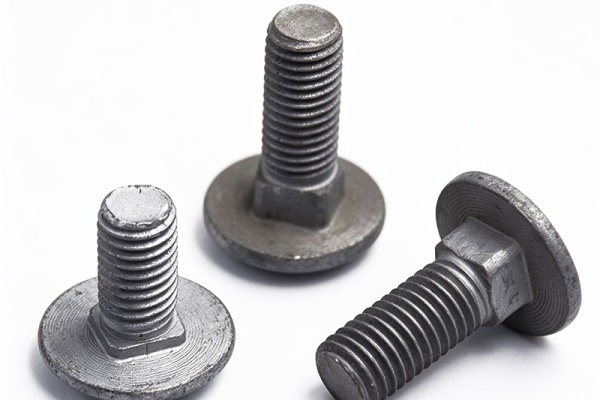
Aluminum Alloy Flange Bolts, Ball Head Studs & Dacromet Carriage Bolts – Reliable Fastener Startup Business
2026-09-08Fasteners are essential basic components widely used in machinery, automotive, engineering and equipment assembly industries.