Products


Hexagon Socket Hollow Screw With Internal And External Threads
The external hexagonal hollow screw with internal and external threads is a multifunctional fastener with a unique structure. Its exterior adopts a standard hexagonal head design, making it easy to install and disassemble using a conventional wrench. The interior is a through-hole hollow structure, forming a tubular channel with internal threads at both ends or one end.
Send Inquiry
Product Description
Product introduction
The external hexagonal hollow screw with internal and external threads is a multifunctional fastener with a unique structure. Its exterior adopts a standard hexagonal head design, making it easy to install and disassemble using a conventional wrench. The interior is a through-hole hollow structure, forming a tubular channel with internal threads at both ends or one end. This design allows the screw to not only fulfill the connection function, but also serve as a conductive path for fluids, gases or cables, or to assemble other rod-shaped components internally to achieve axial positioning and combination. This product is often used in mechanical equipment, fluid pipeline systems and electrical equipment that require through-fastening and taking into account wiring, oil passage, exhaust or secondary assembly. Its material can be made of different metals such as carbon steel, stainless steel or copper according to requirements such as load-bearing, corrosion resistance or conductivity. As an integrated functional component, it has practical value in simplifying structural design and saving installation space. It is an engineering connection solution that meets multi-functional requirements under specific working conditions.
Product features
Multifunctional, integrated design: Integrating fastening, connection, load-bearing and internal assembly functions into one, simplifying the complex structure that requires the combination of multiple independent components in traditional solutions, effectively reducing the number of parts and installation procedures.
Hollow penetration, smooth conduction: The internal penetration hollow channel provides a smooth path for wires and cables, optical fibers, pneumatic pipelines, hydraulic oil lines, etc., or facilitates heat dissipation and ventilation, achieving simultaneous completion of mechanical connection and physical conduction.
Internal and external threads, two-way connection: The external threads are used to tighten and fix the main structure, while the internal threads provide a standard interface for installing ancillary accessories (such as sensors, conduit connectors, positioning pins), realizing modular expansion and precision connections in both internal and external directions.
Hexagonal head type, strong compatibility: The standard external hexagonal head design makes it a perfect match with common wrenches and socket tools on the market. It is easy to install and disassemble, has high tool versatility and is easy to maintain.
Diverse materials and wide adaptability: carbon steel, alloy steel, stainless steel, brass and even special alloys can be selected according to different strength, corrosion resistance, conductivity or environmental requirements to meet the application needs of demanding fields ranging from general machinery to aerospace and medical equipment.
Product application
Machinery manufacturing and automation equipment: commonly used in robotic arm joints, fixtures, modular platforms, etc. It can not only fasten structural parts, but its inner hole can also be used as a threading channel for air pipes, hydraulic pipes or sensor cables, keeping the appearance of the equipment tidy and protecting the internal circuits. Internal threads can be used to mount guide rods, locating pins or secondary actuators.
Fluid power system: In pneumatic and hydraulic pipelines, it can be used as a special pipe joint or fixed support. The screw body fixes the valve block or actuator on the base plate, and its hollow inner cavity becomes part of the fluid channel, or connects small pressure measuring tubes and oil drain pipes through internal threads.
Electrical, electronic and communication equipment: used for fastening installation of panels or frames in cabinets, distribution boxes and communication base stations. Its hollow structure provides standardized wire holes for the internal cables of the equipment to achieve grounding and sealing of the electromagnetic shielding chassis. The internal threads can also be used to install grounding posts or connectors.
Automobile and transportation: used in engine peripheral brackets, gearbox casings, chassis components, etc., while achieving the fastening function, it also provides protection and guide channels for coolant pipelines, brake lines, and wiring harnesses, or installs temperature and pressure sensor probes internally.
High-end precision instruments and medical devices: In optical instruments, analytical equipment and medical equipment, they are used in precision adjustment mechanisms that require extremely high cleanliness or extremely limited space. It can not only serve as a fixed shaft for the adjustment knob, but its hollow interior can also be used to guide optical fibers, micro cables or inject cooling medium.
FAQ
Q: What is the main difference between external hexagonal internal and external hollow screws and ordinary solid screws or studs?
A: The core difference lies in its "hollow tubular" structure. It is not just a fastener, but a "functional channel". While completing the mechanical connection task, it can also allow fluids, gases, cables or auxiliary parts to pass through or be installed inside, achieving the integration of "connection" and "conduction/expansion".
Q: Can it be used in critical areas that are subject to high tensile stress or shear force?
A: It needs to be carefully evaluated. Due to its hollow structure, its tensile strength and shear resistance are generally lower than those of solid screws of the same diameter. It is more suitable for functional integration scenarios, or in parts where the force is small and the conduction function is the main function. When used in key load-bearing parts, strict strength verification must be carried out based on the specific mechanical property data provided by the manufacturer (such as the effective load-bearing area of the hollow section).
Q: Can non-standard sizes or special requirements be customized?
A: Yes. Many manufacturers offer customization services.
Send Inquiry
Related Products
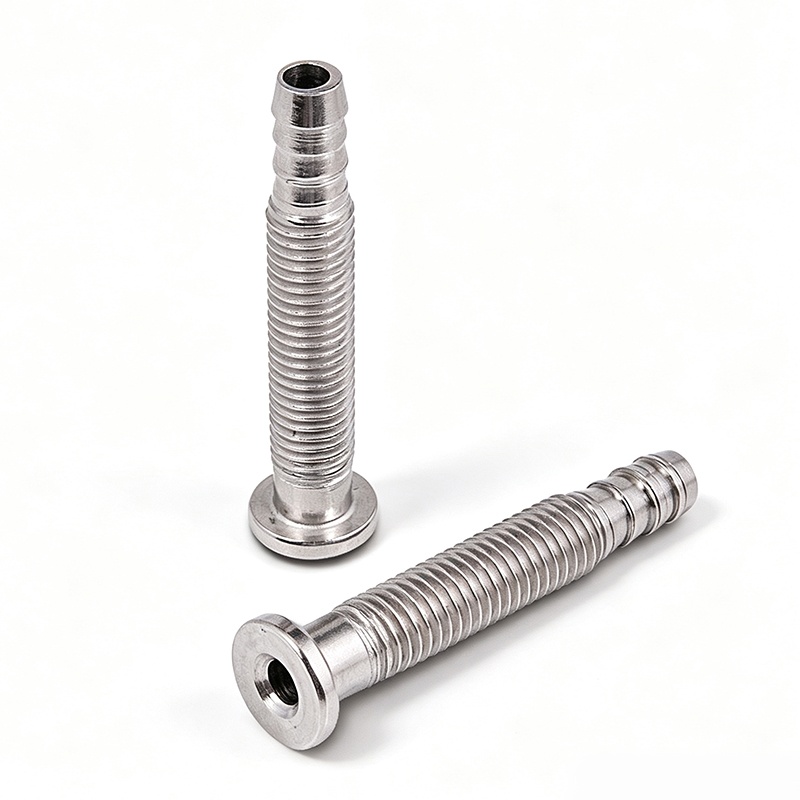 Stainless Steel External Threaded Hollow Multi-Step Connector
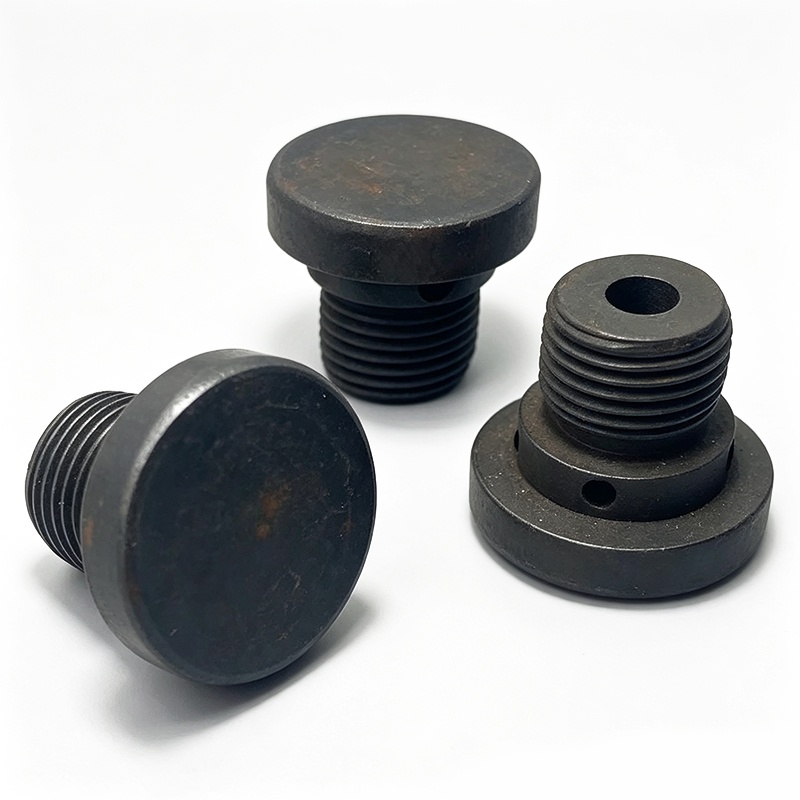 Round Head Hollow Threaded Plugs with Threaded Fasteners for Metal and Machinery
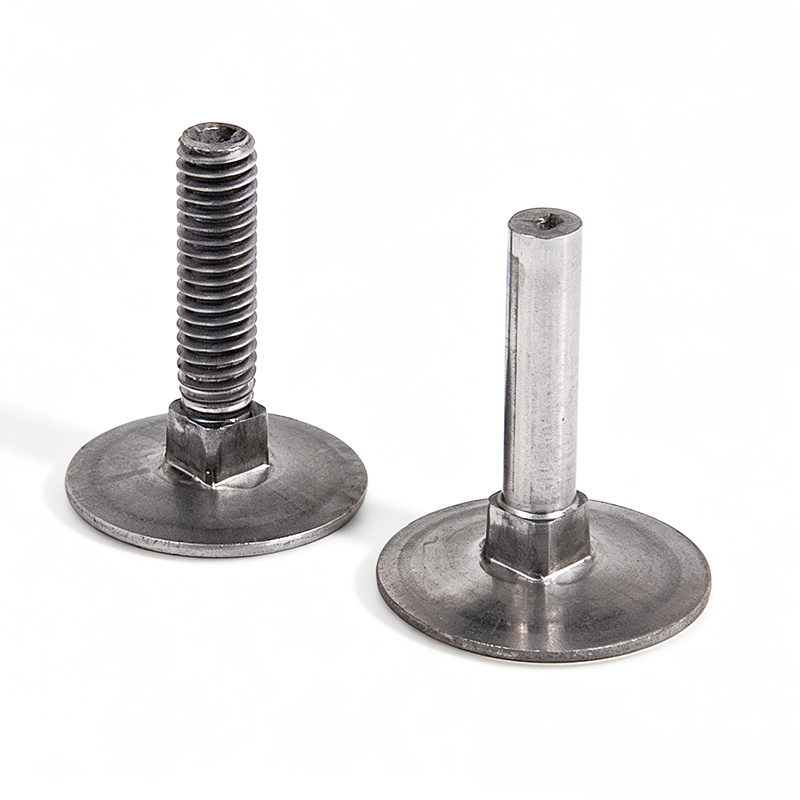 Flat Head Square Neck Adjusting Bolts with Flat Head Fasteners for Furniture and Machinery
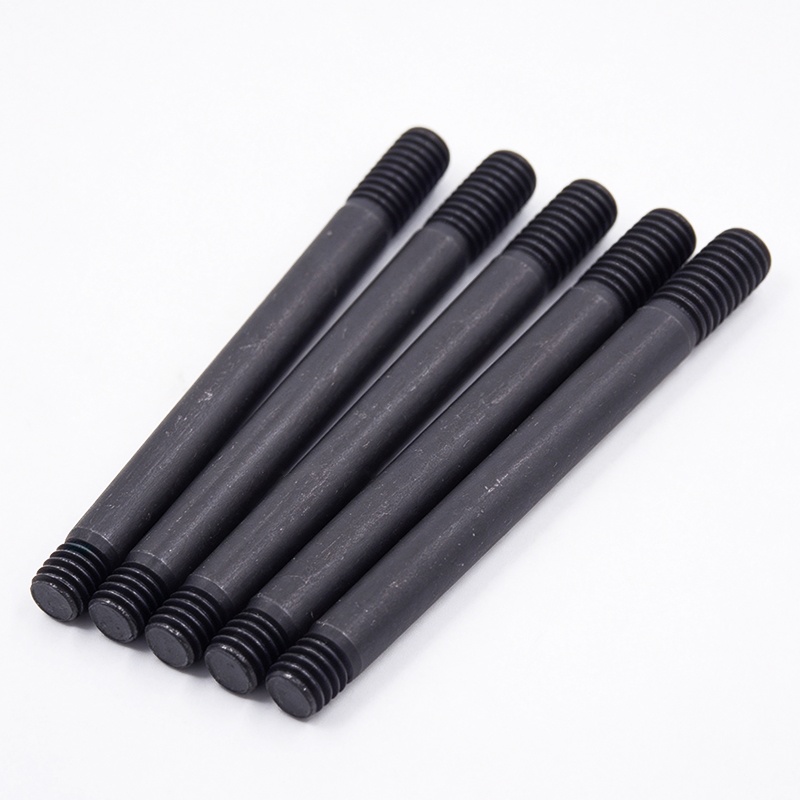 Double Ended Bolts with Threads with Heavy Duty Fasteners for Mechanical Assembly
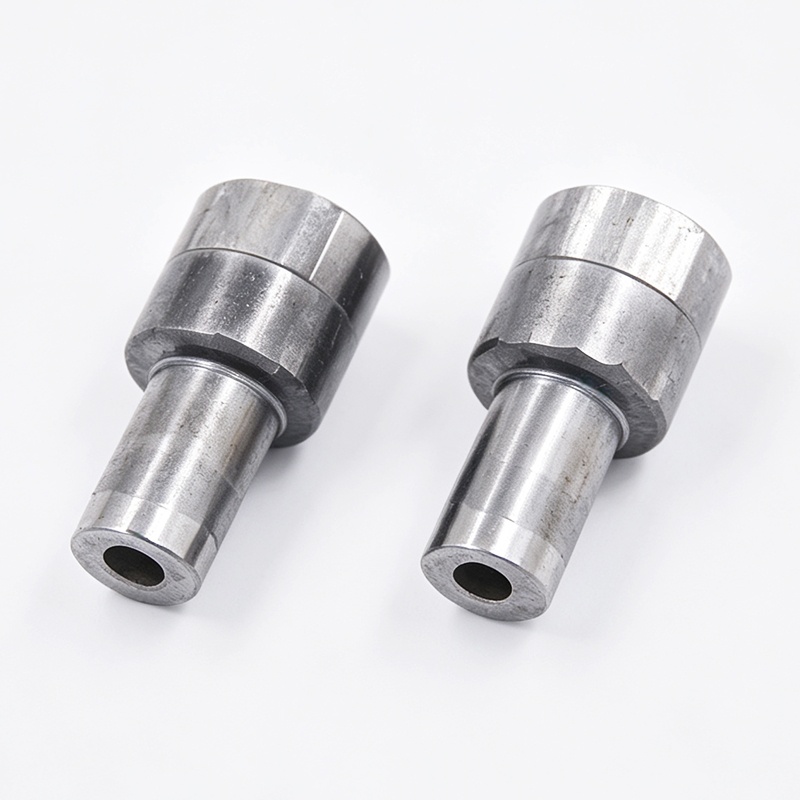 Cold-Bent Stepped Hollow Shaft Sleeve
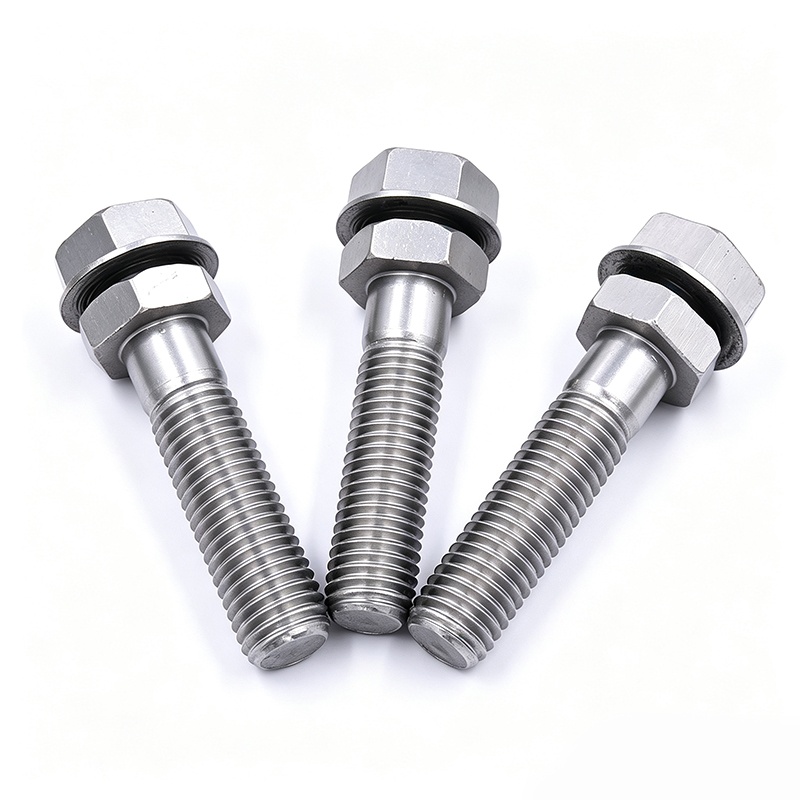 Aluminum Alloy Flange Bolt
Latest News
-
Cold Heading Components: High-performance Fastener Solutions from Wenzhou Riyi Standard Parts Co., Ltd
2026-09-29Cold heading processing shapes metal wire under strong pressure at room temperature without cutting raw materials. Unlike traditional CNC machining, this technology preserves the continuous metal grain flow inside cold heading parts.
-
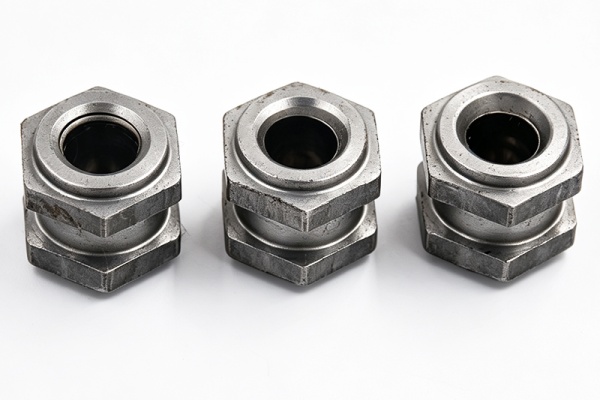
Special-shaped Bolts and Stainless Steel Double-ended Bolts from Wenzhou Riyi Standard Parts Co., Ltd
2026-09-23In modern mechanical manufacturing, construction engineering and equipment assembly, high-quality fasteners are the invisible foundation that guarantees structural safety and product stability.
-
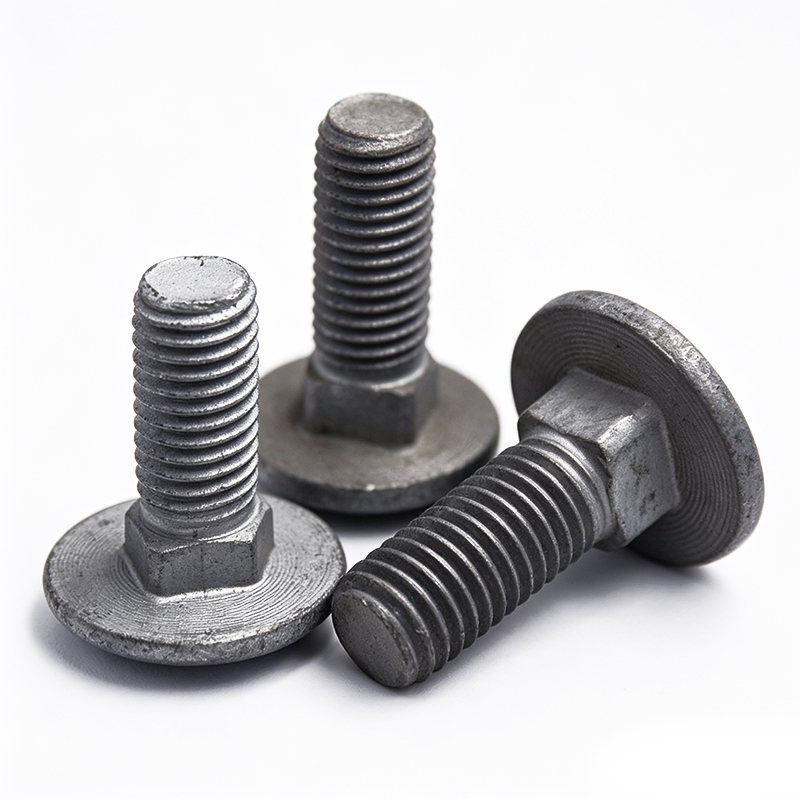
Precision Custom Fasteners from Wenzhou Riyi Standard Parts
2026-09-15Wenzhou Riyi Standard Parts is a reliable Chinese manufacturer focusing on custom non-standard fasteners, located in Wenzhou’s Binhai Economic Zone.
-
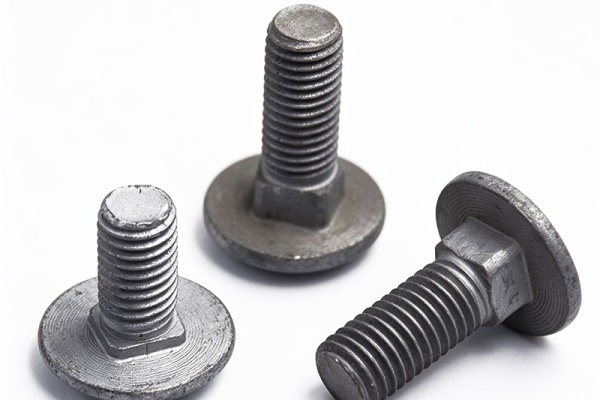
Aluminum Alloy Flange Bolts, Ball Head Studs & Dacromet Carriage Bolts – Reliable Fastener Startup Business
2026-09-08Fasteners are essential basic components widely used in machinery, automotive, engineering and equipment assembly industries.