Products


Durable T-Type Screws For Metal Fastening
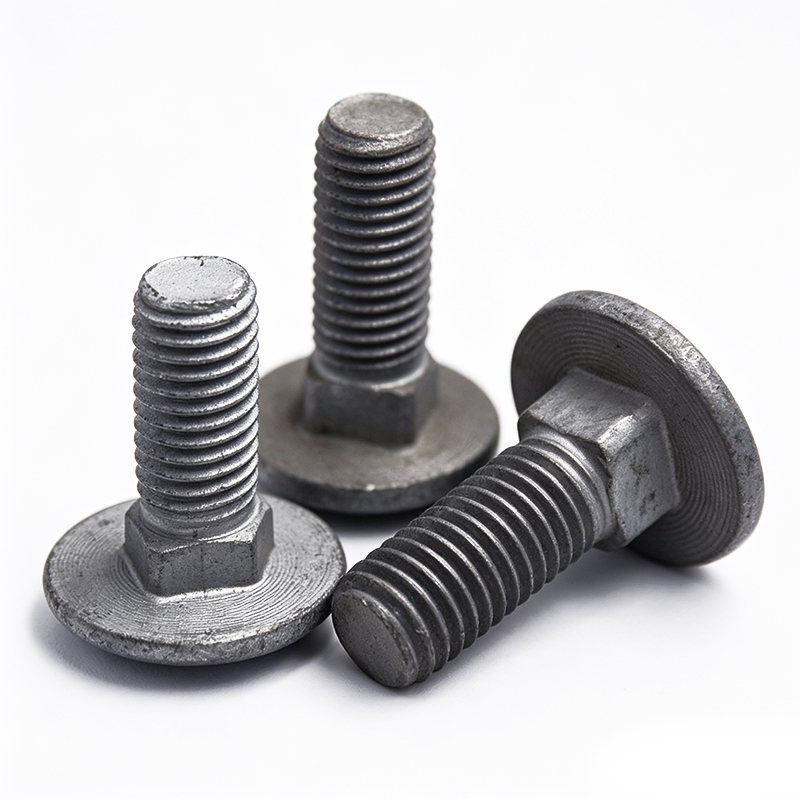
T-type screws (commonly known as T-head screws) are a type of fastener with a head designed in a "T" shape. Different from ordinary bolts, they are usually not screwed directly into the material, but are embedded in the corresponding "T-shaped slots" such as equipment workbench, aluminum alloy profiles or building embedded grooves.
Send Inquiry
Product Description
Product introduction
T-type screws (commonly known as T-head screws) are a type of fastener with a head designed in a "T" shape. Different from ordinary bolts, they are usually not screwed directly into the material, but are embedded in the corresponding "T-shaped slots" such as equipment workbench, aluminum alloy profiles or building embedded grooves. By rotating 90 degrees or matching with nuts, a modular, slidingly adjustable strong connection is achieved. For example, Hilti's HBC-T serrated T-bolts have a serrated design that mechanically interlocks with the channel to resist loads in 3D directions (tension and shear).
Product design and features
The core design of the T-shaped screw revolves around its head, and different designs meet different needs: Basic design: The head of the standard T-shaped screw is symmetrical on both sides and can slide smoothly in the T-shaped slot for quick positioning and assembly. Enhanced design: For scenarios that need to withstand greater loads or strong vibrations (such as heavy machine tools, vibrating screens), large-head T-type screws are used. Its widened head can provide a larger bearing surface and stronger pull-out resistance to prevent it from coming out of the groove. Special design: T-bolts used in areas such as building curtain walls and elevator guide rails usually have more complex head designs. For example, the toothed design (such as Hilti HBC-T) greatly enhances the shear resistance along the channel direction through the engagement of the saw teeth and the channel, ensuring safety. Special design: For connection requirements with non-standard slots, special angles or composite functions, non-standard T-shaped screws need to be customized. There is no unified standard for this type of product, and one-to-one R&D and production are completely based on the customer's drawings or working conditions.
Materials and application fields
Carbon steel T-type screws: low cost, high strength, good versatility, the surface is often galvanized, blackened and other anti-rust treatments, suitable for general mechanical equipment, tooling fixtures, and steel structure connections.
Stainless steel T-type screws: excellent corrosion resistance, medium strength, beautiful appearance, suitable for food machinery, chemical equipment, medical equipment, outdoor facilities and humid environments.
Alloy steel T-type screws: After heat treatment (such as quenching and tempering), they have extremely high strength and wear resistance. They are used in heavy machinery, mining equipment, high-load power equipment and other occasions that have strict requirements on strength.
Quality control and certification system
High-quality T-type screws are inseparable from strict production and testing standards. Its quality control runs throughout the entire process.
Production and process control: From raw material selection, cold heading or forging, thread processing, to heat treatment and surface treatment, every link needs to be precisely controlled. For example, if the surface coating is too thin or has poor adhesion, it will directly affect the anti-corrosion performance. Inspection and standard basis: Finished products need to be inspected according to national standards or international standards. Inspection items usually include: Dimensional inspection: ensure that the head thickness, width, screw diameter, thread accuracy, etc. meet the tolerance requirements. Mechanical performance inspection: test key indicators such as tensile strength, yield strength, hardness, etc. Surface defect inspection: Check for cracks, slag inclusions, pores and other defects that affect strength.
Quality management system: Regular manufacturers usually pass ISO9001 quality management system certification, which indicates their ability to stably produce qualified products. Some products targeted at special industries (such as automobiles, aerospace) may also need to meet more professional industry standards.
Customized services: To meet non-standard needs, when standard products cannot meet the needs, customized services are required. Professional fastener manufacturers (such as Wenzhou Riyi Standard Parts, Ningbo Lingqi Hardware, etc.) can provide complete solutions for non-standard T-type screws.
Customization process: It usually starts with the customer providing drawings, samples or detailed description of working conditions. The manufacturer conducts technical assessment, material selection, process design, and goes into production after proofing and confirmation. Customization capabilities: including but not limited to: special sizes (extra large/extra small), special-shaped heads, special threads, ultra-high strength levels (such as 12.9), specific materials and surface treatments, etc. Many manufacturers have full-chain production capabilities from raw materials to finished products, allowing them to better control quality and costs.
FAQ
Q: How do I choose the right T-screw for my device?
A: The core is to match the slot type: first measure the precise dimensions of the T-slot (slot width, slot depth, slot size) to ensure that the screw head can be inserted smoothly and leave an appropriate clearance. Large-head T-type screws require additional verification of the load-bearing capacity of the slot. Clarify the working condition requirements: Determine the required strength level (such as 8.8, 12.9) and material (carbon steel, stainless steel, etc.) based on the load size, whether there is vibration, and whether it is used in a corrosive environment.
Q: How to choose between carbon steel T-screws and stainless steel?
A: Choose carbon steel: if it is used for ordinary indoor mechanical equipment, in a non-corrosive environment, pursuing high cost performance.
Choose Stainless Steel: If used in food processing, chemicals, outdoors or in humid environments, rust and corrosion resistance must be considered.
Q: What is the customization cycle and cost of non-standard T-type screws?
A: The customization cycle is usually longer than that of standard products and needs to cover design, mold opening, proofing, testing, etc., ranging from a few weeks to several months. The cost is also significantly higher than standard products because of the special mold and process development involved. During the demand communication stage, it is very important to fully clarify the technical details and budget with the supplier.
Send Inquiry
Related Products
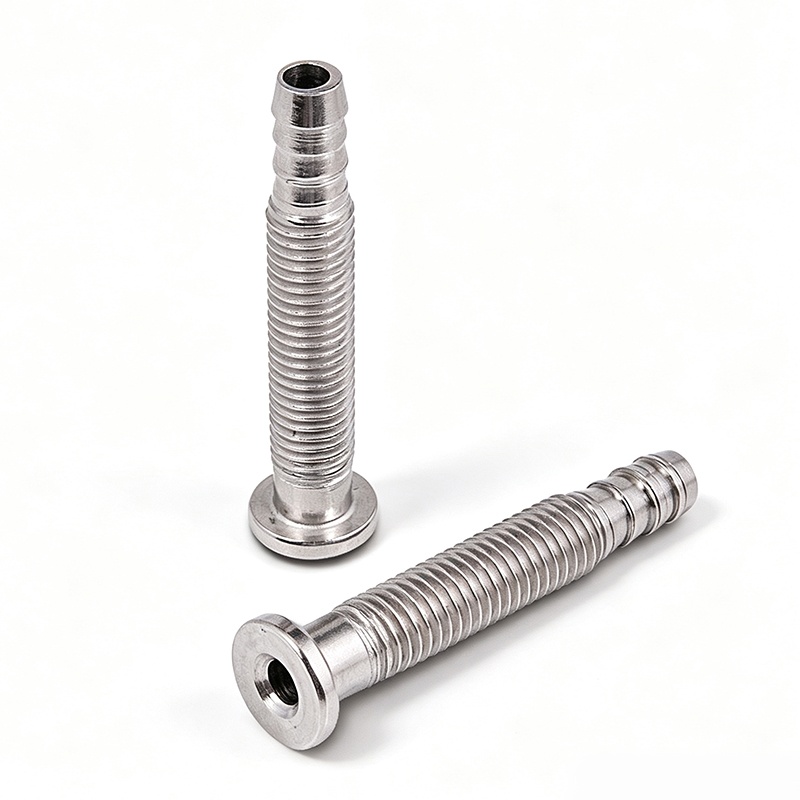 Stainless Steel External Threaded Hollow Multi-Step Connector
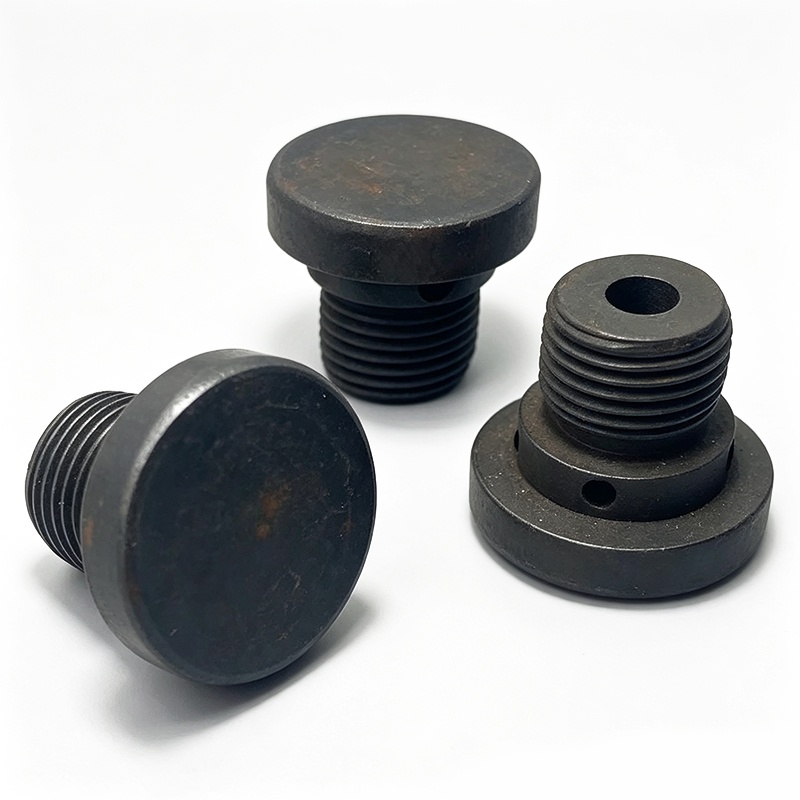 Round Head Hollow Threaded Plugs with Threaded Fasteners for Metal and Machinery
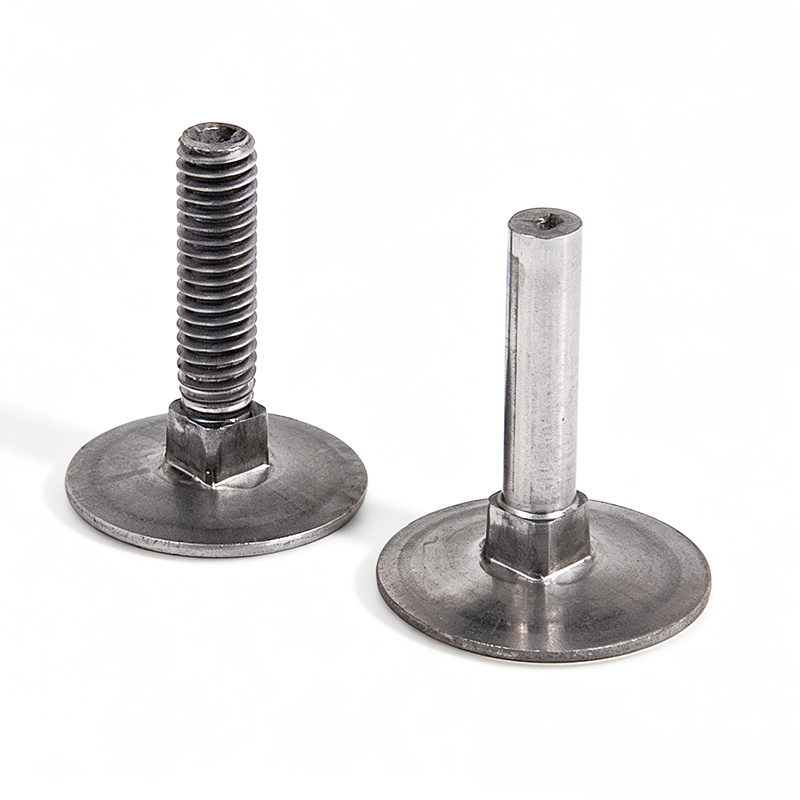 Flat Head Square Neck Adjusting Bolts with Flat Head Fasteners for Furniture and Machinery
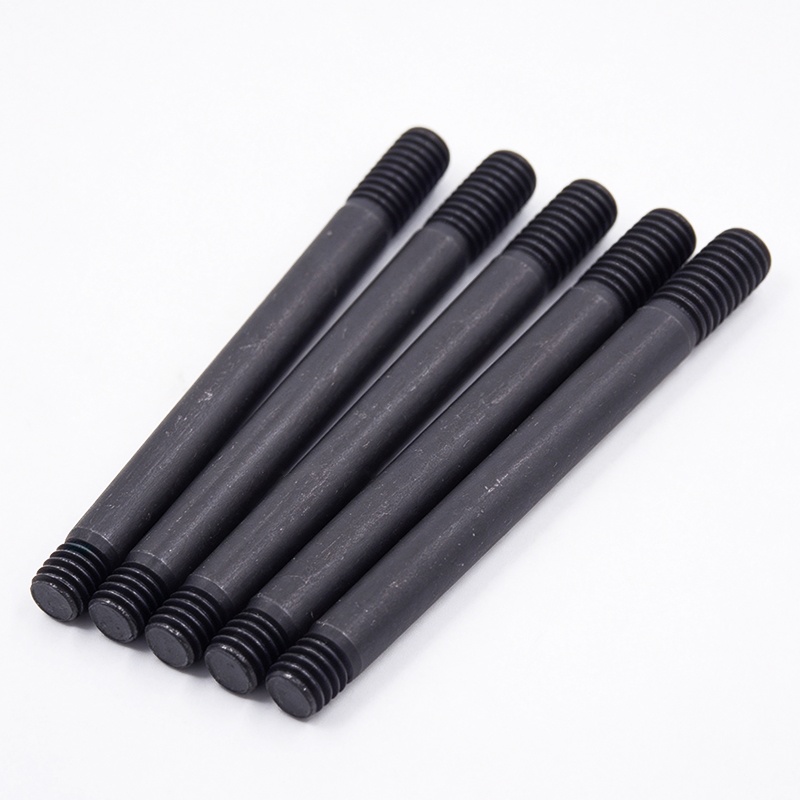 Double Ended Bolts with Threads with Heavy Duty Fasteners for Mechanical Assembly
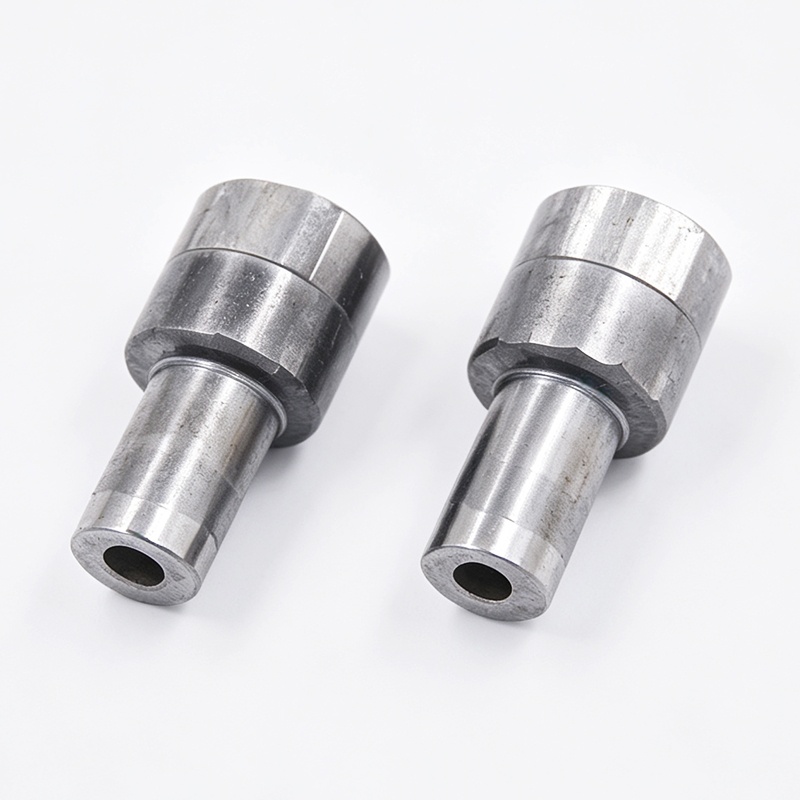 Cold-Bent Stepped Hollow Shaft Sleeve
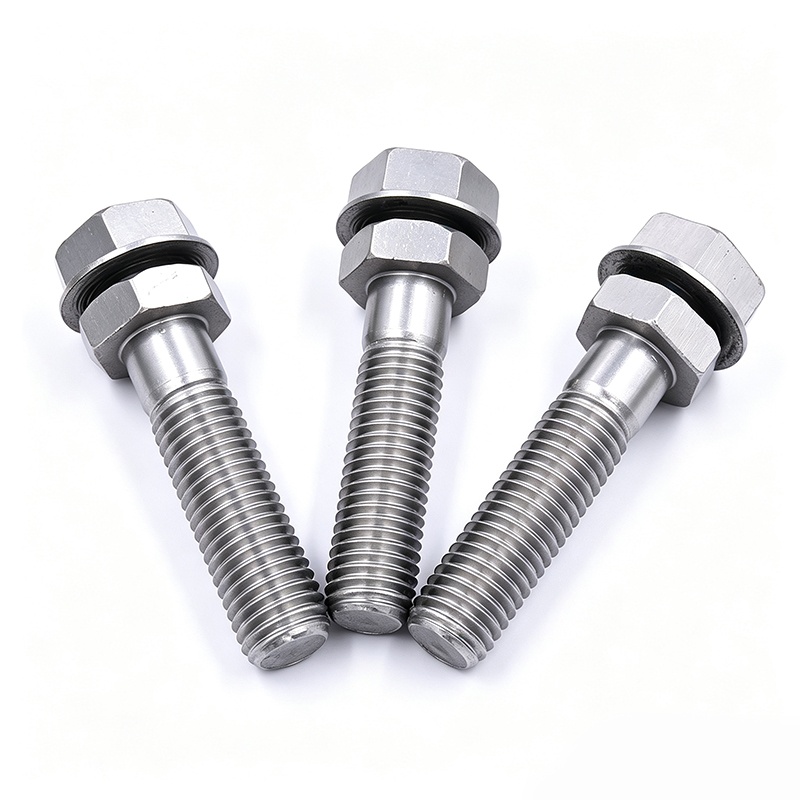 Aluminum Alloy Flange Bolt
Latest News
-
Cold Heading Components: High-performance Fastener Solutions from Wenzhou Riyi Standard Parts Co., Ltd
2026-09-29Cold heading processing shapes metal wire under strong pressure at room temperature without cutting raw materials. Unlike traditional CNC machining, this technology preserves the continuous metal grain flow inside cold heading parts.
-
Special-shaped Bolts and Stainless Steel Double-ended Bolts from Wenzhou Riyi Standard Parts Co., Ltd
2026-09-23In modern mechanical manufacturing, construction engineering and equipment assembly, high-quality fasteners are the invisible foundation that guarantees structural safety and product stability.
-
Precision Custom Fasteners from Wenzhou Riyi Standard Parts
2026-09-15Wenzhou Riyi Standard Parts is a reliable Chinese manufacturer focusing on custom non-standard fasteners, located in Wenzhou’s Binhai Economic Zone.
-
Aluminum Alloy Flange Bolts, Ball Head Studs & Dacromet Carriage Bolts – Reliable Fastener Startup Business
2026-09-08Fasteners are essential basic components widely used in machinery, automotive, engineering and equipment assembly industries.