Products


304 Polished Stainless Steel Round Head Screws
Stainless steel round head screws refer to basic fasteners with a low semicircular (dome) head, a standard slot such as a straight or cross shape, and the entire body is made of stainless steel. Its core values are excellent corrosion resistance, good strength and clean appearance, and it is one of the most widely used stainless steel fastener categories.
Send Inquiry
Product Description
Product introduction
Stainless steel round head screws refer to basic fasteners with a low semicircular (dome) head, a standard slot such as a straight or cross shape, and the entire body is made of stainless steel. Its core values are excellent corrosion resistance, good strength and clean appearance, and it is one of the most widely used stainless steel fastener categories. The standard round head design allows the head to smoothly protrude from the workpiece surface after tightening, which not only provides a larger clamping contact area than flat head screws, but is also more beautiful and less likely to hook than other high head screws. Whether it is a regular standard part or a specially designed custom non-standard stainless steel part, the round head is one of the most classic and popular head forms.
Material properties
304 stainless steel: The most versatile austenitic stainless steel, it has become the first choice in the market because of its excellent corrosion resistance (especially in indoor and general industrial atmospheric environments), good formability and moderate strength. A large number of standard and 304 stainless steel non-standard parts we produce are made of this material.
316 stainless steel: Adding molybdenum element on the basis of 304 significantly improves its resistance to chloride ion corrosion (such as salt water, coastal environments) and pitting corrosion resistance. It is a higher-end choice for harsh environments such as food, chemical industry, and ocean.
Key performance: The strength grade of stainless steel screws is usually marked as A2-70, A4-80, etc. ("A" represents austenitic steel, "70/80" represents 1/10 of the tensile strength, in MPa). Its non-magnetic properties, high temperature resistance and good hygienic properties make it irreplaceable in food machinery, medical equipment, electronic products and outdoor buildings.
Product design and features
Cold heading forming: High-quality stainless steel non-standard parts factories will first use a precision cold heading machine to forge stainless steel wire rods at room temperature into round heads and rod prototypes. This process can maintain the continuity of metal fibers, thereby improving the strength of the product.
Thread forming: Threads are rolled out by a high-precision thread rolling machine. Compared with cutting, rolling threads can also strengthen the metal structure and provide a higher surface finish.
Surface treatment: Although stainless steel is inherently corrosion-resistant, it can be passivated (enhanced oxide film), brushed, polished or electroplated to further improve performance or meet a specific appearance.
Non-standard processing: For customized non-standard stainless steel parts, the process is more complex. It needs to be based on the drawings, which may involve CNC turning and milling to process special head shapes, non-standard steps, drilling or special grooves. This requires the stainless steel non-standard parts factory to have complete turning, milling, drilling and tapping capabilities.
Functions and applications
Equipment manufacturing and industrial installation: widely used in the assembly of various types of mechanical equipment shells, sheet metal parts, and pipe supports, especially in humid and clean workshop environments.
High-end decoration and outdoor facilities: It is an ideal choice for the installation of curtain walls, outdoor railings, signs, and high-end doors and windows. It can withstand the sun and rain and maintain long-term beauty.
Food, medical and electronic appliances: Thanks to its non-toxic, easy-to-clean and sterilization-resistant properties, it is a standard fastener for food processing equipment, medical device casings, precision instruments and electronic products.
Customized applications: When standard sizes cannot meet special design requirements, such as when a specific length, special pitch, or the head needs to be processed into a special shape to match special tools, finding a supplier that can provide customized non-standard stainless steel parts becomes the key to the smooth progress of the project.
Core Strengths and Customer Value
Excellent durability: fundamentally solve the rust problem, reduce maintenance costs and replacement frequency, and extend the overall equipment life.
Wide range of environmental adaptability: From indoor dry environments to outdoor, coastal and even some chemical media environments, it can serve reliably.
Both safety and beauty: The round head design is smooth and safe, and the stainless steel original color or treated appearance is neat and modern, meeting the dual needs of function and aesthetics.
Customized flexibility: Professional stainless steel non-standard parts factories can respond quickly and transform customers' unique ideas (whether special geometric shapes or strict performance requirements) into physical objects, achieving an upgrade from "standard parts procurement" to "customized non-standard stainless steel parts solutions".
Customized service and quality control
Selection points: It is necessary to clarify the size specifications (diameter, length, pitch), stainless steel grade (304 or 316), strength grade (such as A2-70) and surface treatment requirements. For non-standard parts, it is crucial to provide accurate drawings or samples.
Quality assurance: Professional suppliers will conduct spectral analysis of materials to ensure the correct materials, conduct full inspections of key dimensions, and conduct batch testing of mechanical properties (such as hardness, tensile strength). For pressure-bearing 304 stainless steel non-standard parts, non-destructive testing may also be used to detect key parts to ensure that there are no internal defects in the product.
FAQ
Q: What are the main differences between 304 and 316 stainless steel screws? How to choose?
A: 304 stainless steel (Grade A2) has excellent corrosion resistance and formability, and is suitable for most conventional environments. 316 stainless steel (A4 grade) is added with molybdenum element, which significantly improves its resistance to chloride ion corrosion. It is especially suitable for harsh environments such as coastal areas, chemical industry and food processing. The selection needs to be determined based on the corrosive media in the use environment. We can provide professional advice.
Q: What surface treatment options are available?
A: We provide a variety of surface treatment options: natural passivation (most commonly used, maintaining the natural luster of stainless steel) brushing/polishing (improving decoration) electrolytic polishing (improving corrosion resistance and surface finish) black PVD coating (both decorative and special protection). As a professional stainless steel non-standard parts factory, we can customize the surface effect according to your specific needs.
Q: What special specifications can you customize?
A: As a professional stainless steel non-standard parts factory, we can provide a full range of customized services:
Special sizes (extra long/extra short, non-standard diameter)
Special thread (fine thread, non-standard pitch)
Special head shape (enlarged round head, with guide angle, special-shaped notch)
Special properties (high strength, high temperature resistance, ultra-low temperature toughness)
Special packaging (moisture-proof, anti-mixing industrial packaging)
Send Inquiry
Related Products
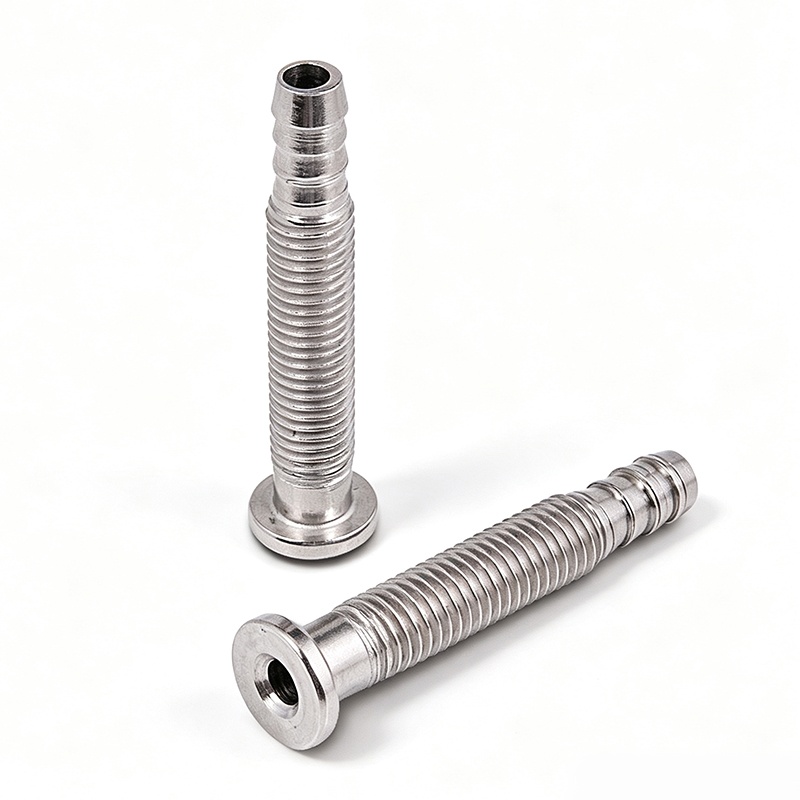 Stainless Steel External Threaded Hollow Multi-Step Connector
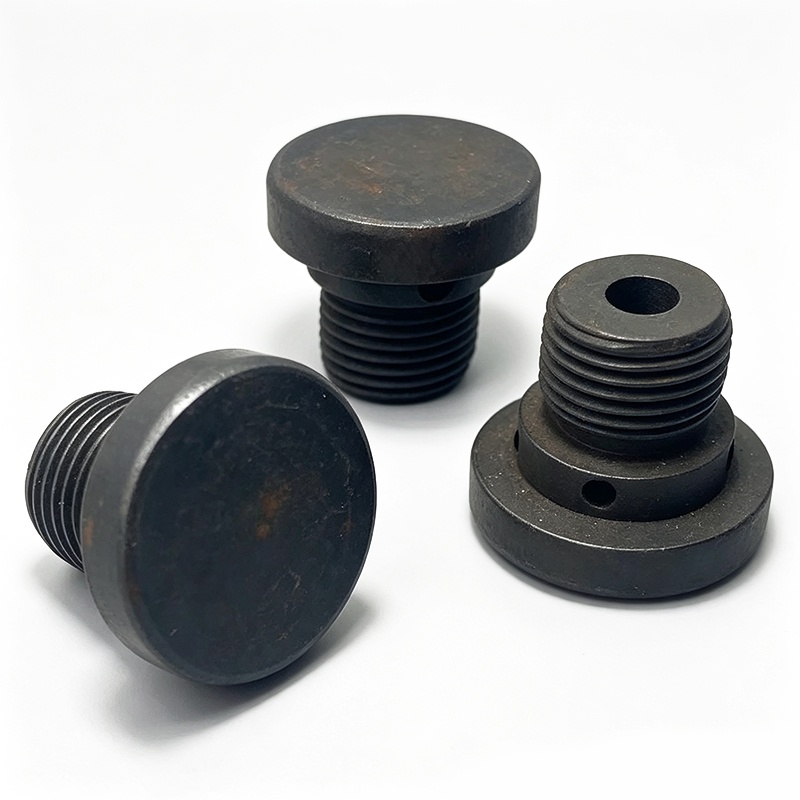 Round Head Hollow Threaded Plugs with Threaded Fasteners for Metal and Machinery
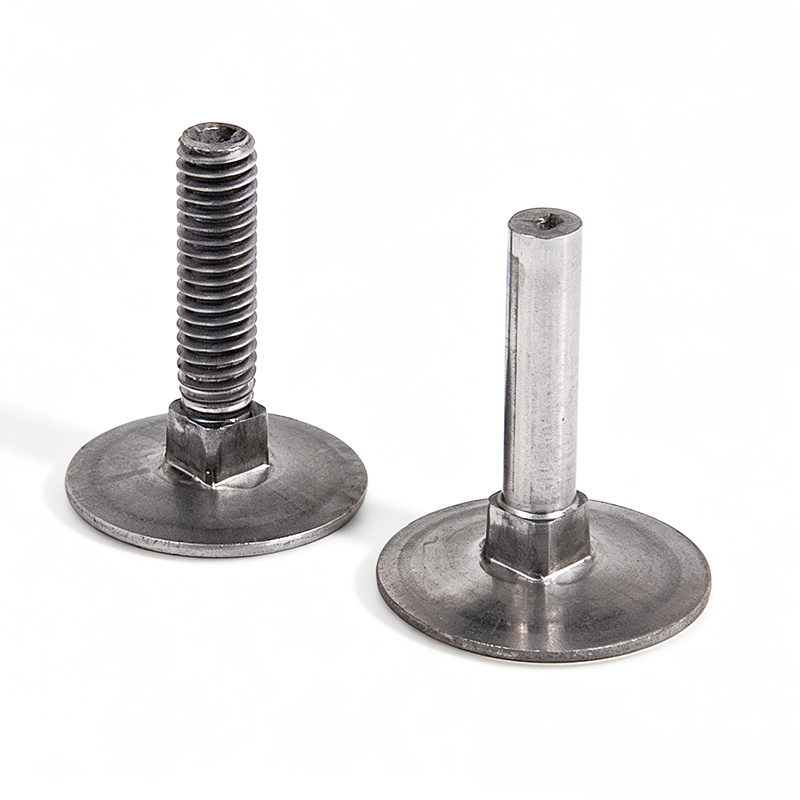 Flat Head Square Neck Adjusting Bolts with Flat Head Fasteners for Furniture and Machinery
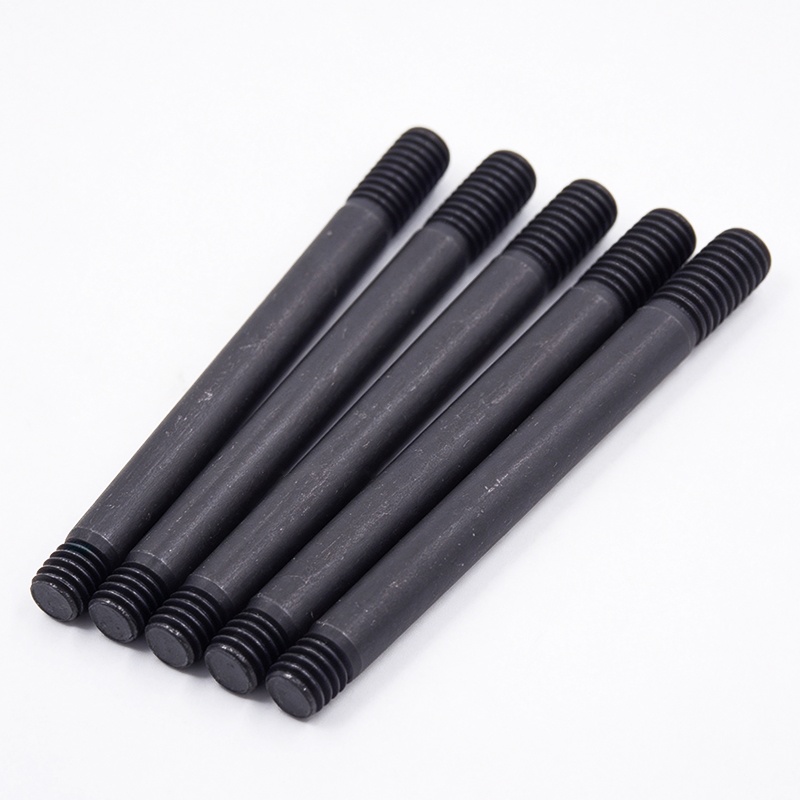 Double Ended Bolts with Threads with Heavy Duty Fasteners for Mechanical Assembly
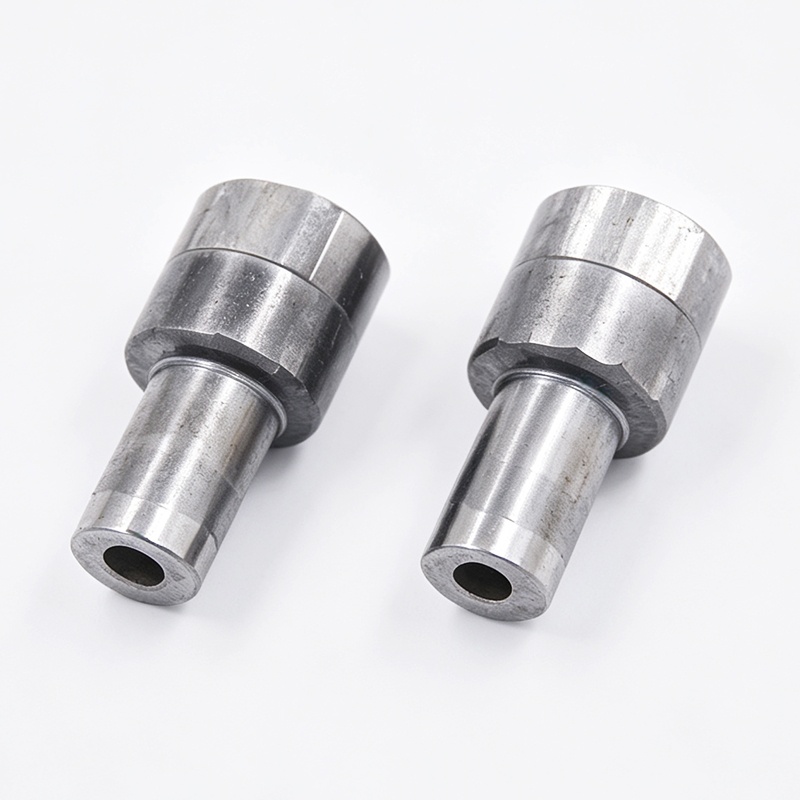 Cold-Bent Stepped Hollow Shaft Sleeve
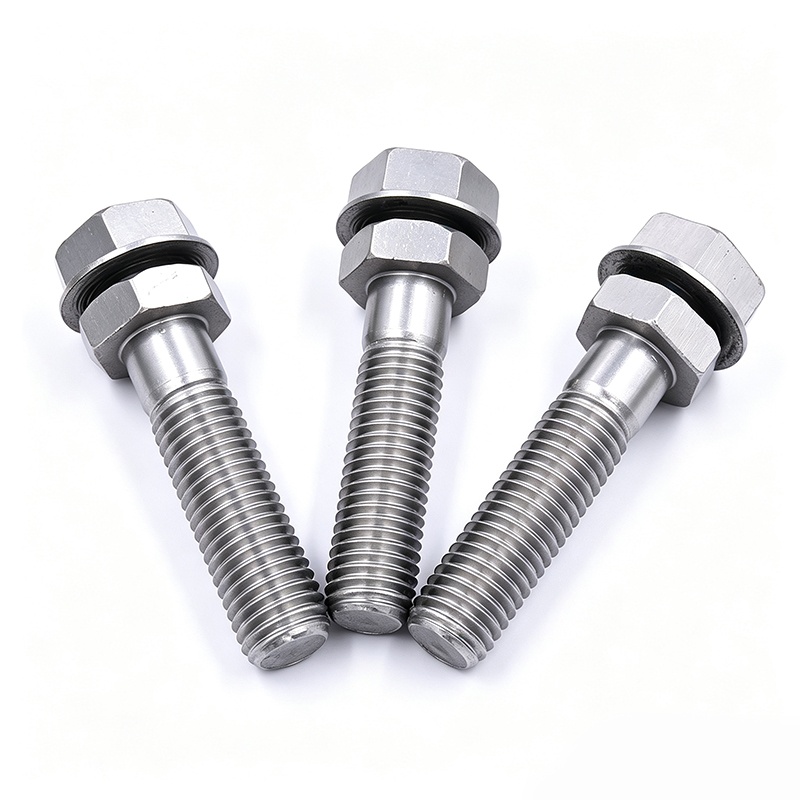 Aluminum Alloy Flange Bolt
Latest News
-
Cold Heading Components: High-performance Fastener Solutions from Wenzhou Riyi Standard Parts Co., Ltd
2026-09-29Cold heading processing shapes metal wire under strong pressure at room temperature without cutting raw materials. Unlike traditional CNC machining, this technology preserves the continuous metal grain flow inside cold heading parts.
-
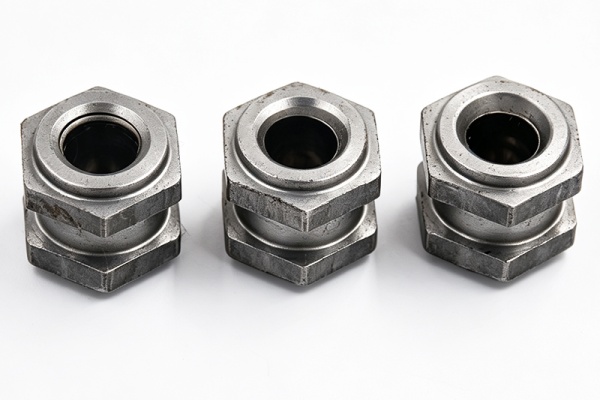
Special-shaped Bolts and Stainless Steel Double-ended Bolts from Wenzhou Riyi Standard Parts Co., Ltd
2026-09-23In modern mechanical manufacturing, construction engineering and equipment assembly, high-quality fasteners are the invisible foundation that guarantees structural safety and product stability.
-
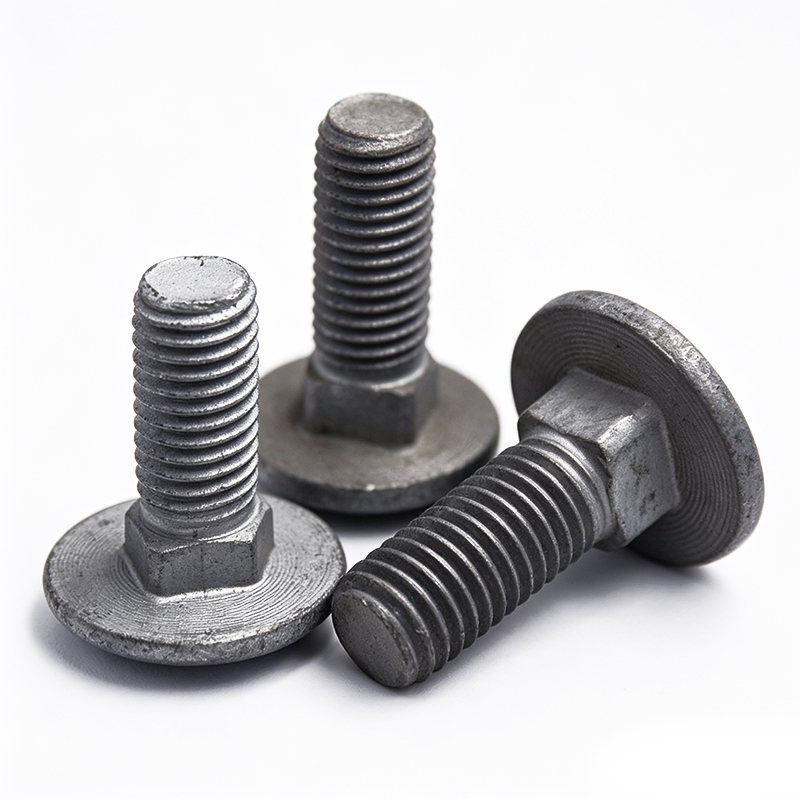
Precision Custom Fasteners from Wenzhou Riyi Standard Parts
2026-09-15Wenzhou Riyi Standard Parts is a reliable Chinese manufacturer focusing on custom non-standard fasteners, located in Wenzhou’s Binhai Economic Zone.
-
Aluminum Alloy Flange Bolts, Ball Head Studs & Dacromet Carriage Bolts – Reliable Fastener Startup Business
2026-09-08Fasteners are essential basic components widely used in machinery, automotive, engineering and equipment assembly industries.