Products


Stainless Steel CNC Flat Head Rivets
Stainless steel CNC flat head rivets are riveting fasteners manufactured through precision CNC turning or cold heading processes. The head is a flat head (or countersunk head/flat top). After riveting, it is flush with the surface of the workpiece, beautiful and does not interfere with other components.
Send Inquiry
Product Description
Product introduction
Stainless steel CNC flat head rivets are riveting fasteners manufactured through precision CNC turning or cold heading processes. The head is a flat head (or countersunk head/flat top). After riveting, it is flush with the surface of the workpiece, beautiful and does not interfere with other components. Different from traditional blind rivets, this product has a solid structure, and the tail is deformed through a special rivet gun or stamping equipment to achieve permanent connection.
As a high-quality stainless steel fastener, it has excellent corrosion resistance and mechanical strength and is widely used in sheet metal connections, electronic equipment casings, medical equipment, rail transit interiors and other occasions that require high surface smoothness.
When standard sizes (such as 3.2mm diameter, 8mm length) cannot meet customer needs, we can provide non-standard fasteners - such as 2.5mm diameter, 12.5mm length, etc. in any combination. If the head shape requires special design (such as with positioning steps or anti-rotation grooves), special-shaped fasteners can be developed. For large-volume orders, we give priority to cold heading non-standard parts technology, which can reduce costs by 30%-50% compared to pure CNC processing, while improving material utilization.
Product design and features
The core structure consists of: flat head: the head is flat or slightly curved, and the countersunk angle is usually 90°, 100° or 120°. After riveting, it is completely embedded in the surface of the workpiece without bulges.
Polished shaft: cylindrical shaft, with diameter accuracy controlled within ±0.02mm to ensure precise fit with the riveting hole.
Tail: The second head is formed by impact deformation during riveting to achieve clamping and fixation. It can be designed as semi-round head, flat head or flared end according to the requirements.
Design and process features: CNC precision turning: For small batches or complex structure flat head rivets, CNC turning and milling combined processing is used, the dimensional accuracy can reach ±0.01mm, and the surface roughness Ra≤0.8μm.
Cold heading forming alternative: For large-volume orders, we recommend the use of cold heading non-standard parts technology - molded in one step by a multi-station cold heading machine, the material flow lines are complete, the strength is higher than the cutting parts, and no waste is produced.
Advantages of the flat head: the surface after riveting is flat and does not require secondary grinding; it is suitable for superimposed riveting of multiple layers of thin plates without scratching adjacent parts.
Materials and application areas
Commonly used materials:
SUS304 stainless steel: good corrosion resistance, non-magnetic (weak magnet), high cost performance electronic chassis, household appliances, medical equipment
SUS316 stainless steel: resistant to salt spray, acid and alkali, and chloride ion corrosion. Ship equipment, chemical pipelines, coastal facilities
SUS410/SUS420 (martensite): Can be heat treated to high hardness (HRC45-52), good wear resistance, tool riveting, precision machinery
Titanium alloy (customized): ultra-light, non-magnetic, biocompatible, medical implants, aerospace
Copper/brass: good conductivity, no sparks, electronic grounding rivets, explosion-proof equipment
Application areas:
Electronics and communications: mobile phone middle frames, laptop casings, 5G base station filter casings - flat head design does not interfere with the arrangement of internal components
Medical equipment: operating beds, testing equipment, wheelchair armrests - the surfaces must have no sharp edges and be easy to clean and disinfect.
Automobile manufacturing: interior panels, sunroof guide rails, seat frames - no protrusions after riveting to avoid scratching the occupants
Rail transit: high-speed rail interior panels, subway handrails, luggage racks—need to meet fire protection and vibration tests
Sheet metal processing: control cabinets, distribution boxes, instrument casings - quick connection of multi-layer thin plates
Quality control and certification system
Test items and methods:
Dimensional accuracy: Use a projector or three-dimensional coordinate measuring instrument to detect head diameter, height, countersunk head angle (tolerance ±0.5°), rod diameter (±0.01mm), and total length
Mechanical properties: shear strength test, tensile strength test (according to GB/T 3098 or ISO 898)
Hardness testing: Vickers or Rockwell hardness test to ensure that the heat treatment process meets the standards
Surface quality: Roughness meter detection (Ra≤0.8μm), magnifying glass appearance inspection (no burrs, no cracks)
Corrosion resistance: salt spray test (304 material ≥ 240h, 316 material ≥ 720h without red rust)
Certification qualification:
ISO 9001:2015 (whole-process quality management system)
IATF 16949 (Special requirements for the automotive industry, applicable to automotive rivets)
ISO 13485 (medical device industry certification, suitable for medical grade products)
RoHS/REACH (environmental compliance)
Strengthening quality control measures for "non-standard and special-shaped"
Each batch of special-shaped fasteners (such as flat-head rivets with anti-rotation teeth or non-standard head types) undergoes full-size inspection of the first piece, focusing on verifying the non-standard characteristic parameters (such as special angles, groove size, anti-skid pattern depth).
For products produced by cold heading non-standard parts, we add the following additional controls:
Monitor material flow during cold heading to avoid folds or cracks
Each batch is sampled for metallographic analysis to verify the grain flow direction.
Establish a "one material, one number" traceability system to trace the entire process from wire rod batch to heat treatment furnace number
Customized services
Size: any diameter (1mm~12mm), any length (3mm~60mm), non-standard head diameter/height, stepped stem
Head type: flat head (90°/100°/120°), semicircular head, countersunk head with slot, tapered head, spherical head
Tail shape: semicircle head, flat head, flared end, cross recess, internal thread hole, pre-slotted
Surface treatment: passivation (natural color), electrolytic polishing, zinc plating, nickel plating, Dacromet, blackening
Special-shaped design: head with anti-rotation teeth, rod with annular groove (for circlip), tail with straight groove, head engraving/engraved LOGO
Process selection: Large batch: cold heading non-standard parts (low cost, high efficiency); small batch/complex structure: CNC precision turning (high precision, flexibility)
Customization process
Requirement input: Provide drawings, samples or detailed description of working conditions (connecting plate thickness, hole diameter, material, load requirements)
DFM manufacturability analysis: evaluate whether it is suitable for cold heading or requires CNC processing, and give optimal process suggestions
Sample manufacturing:
CNC sample: 10-20 pieces delivered in 3-5 days
Cold heading samples: 20-50 pieces delivered in 15-20 days (including mold making)
Installation verification: Customer tests riveting effect and strength
Mass production: mass production based on confirmed samples
FAQ
Q: What is the difference between CNC flat head rivets and cold heading flat head rivets? Which one is better?
A: CNC processing is suitable for small batches, complex structures or orders that require extremely high precision. The advantages are flexibility and no mold fees; the disadvantages are low material utilization and high unit price. Cold heading non-standard parts are suitable for large-volume orders. They are formed in one step through metal plastic deformation, with complete material flow lines, higher strength and lower cost. There is no absolute right or wrong between the two. We will recommend the best solution based on your order volume and drawings.
Q: Why is this product called "special-shaped fasteners"?
A: Standard flat head rivets (such as GB/T 869) have fixed series of head, stem and tail sizes. If there is anything that deviates from the standard in your needs - such as a non-standard angle on the head, a groove on the stem, and internal threads on the tail - then it is a special-shaped fastener. We specialize in the design and production of such products.
Q: Can stainless steel flat head rivets be used outdoors? How is the corrosion resistance?
A: Yes. As a professional stainless steel fastener supplier, we provide SUS304 and SUS316 materials. 304 is suitable for general outdoor environments (salt spray for 240 hours), and 316 is suitable for strong corrosive environments such as coastal, shipbuilding, and chemical industries (salt spray for 720 hours without red rust).
Q: Can flat head rivets be disassembled after riveting?
A: Standard solid rivets are permanent connections and cannot be removed. However, we can provide non-standard fastener designs - for example, pre-set internal threaded holes at the tail, which can be disassembled with a special pulling tool; or designed with a semi-hollow structure that allows drilling out. Please specify disassembly requirements when customizing.
Q: What is the minimum order quantity (MOQ)?
A: - CNC processing (non-standard fasteners): starting from 100 pieces
Special-shaped fasteners (complex head/tail): starting from 500 pieces
Cold heading non-standard parts: starting from 5,000 pieces (including mold fee, the mold can be retained by the customer)
Sample order: 10-50 pieces can be negotiated for testing
Q: How to ensure the matching accuracy between non-standard flat head rivets and workpiece holes?
A: We will design the rod diameter according to the hole diameter tolerance (such as H8, H9) you provide. For cold heading non-standard parts, a finishing allowance of 0.02-0.05mm is usually reserved after cold heading, and the final size is guaranteed by CNC secondary trimming. A first-piece inspection report is provided for each batch, including actual measured rod diameter data.
Q: Can you provide riveting process suggestions?
A: Yes. Our engineers can recommend riveting force, rivet gun model and post-riveting testing standards based on your plate thickness, material, and hardness. For special-shaped fasteners (such as flat head rivets with anti-rotation teeth), we also provide installation torque or stamping parameters.
Send Inquiry
Related Products
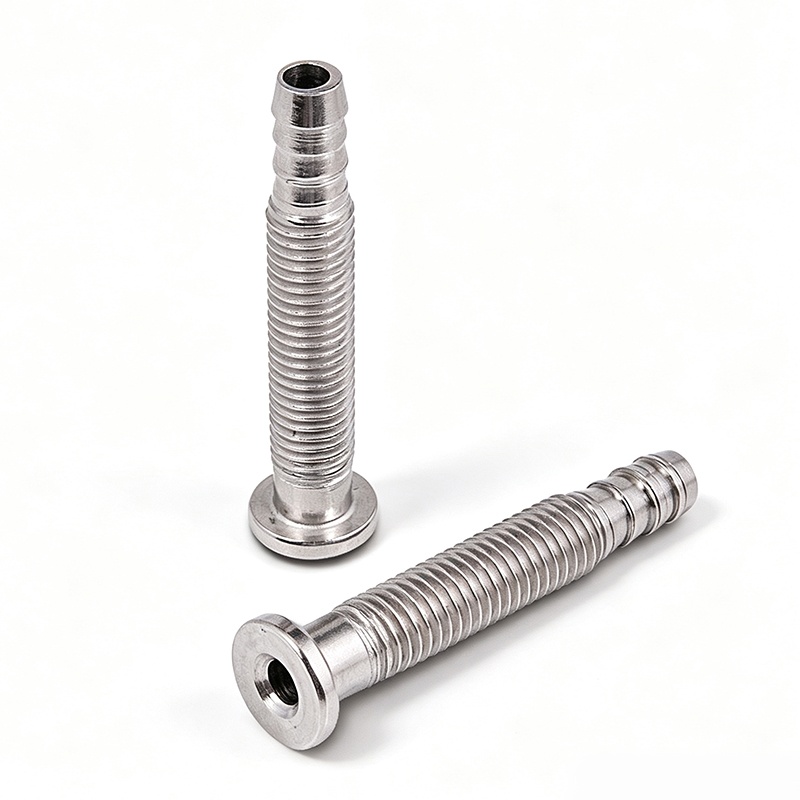 Stainless Steel External Threaded Hollow Multi-Step Connector
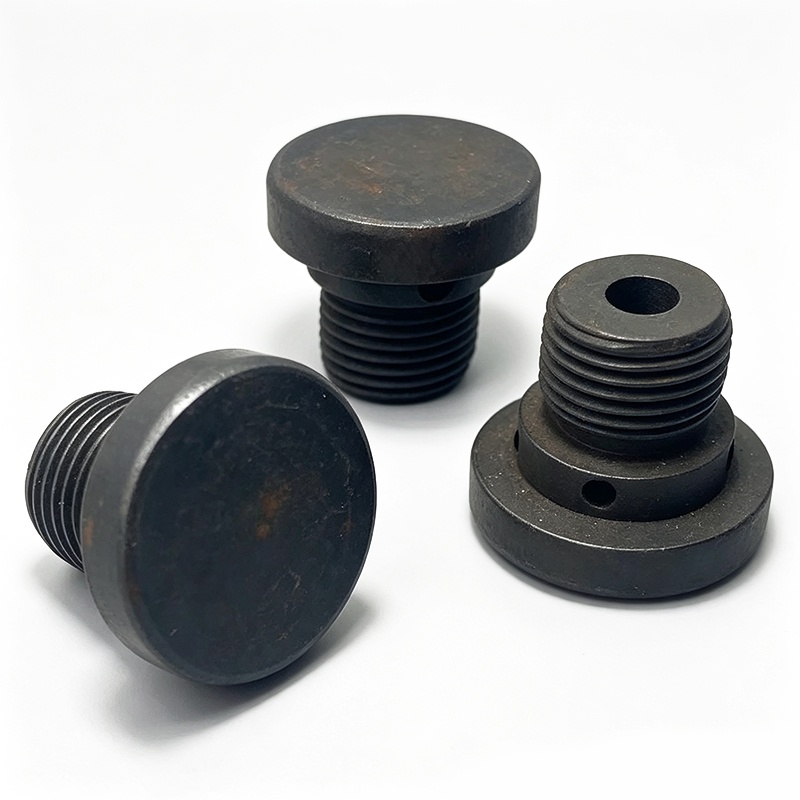 Round Head Hollow Threaded Plugs with Threaded Fasteners for Metal and Machinery
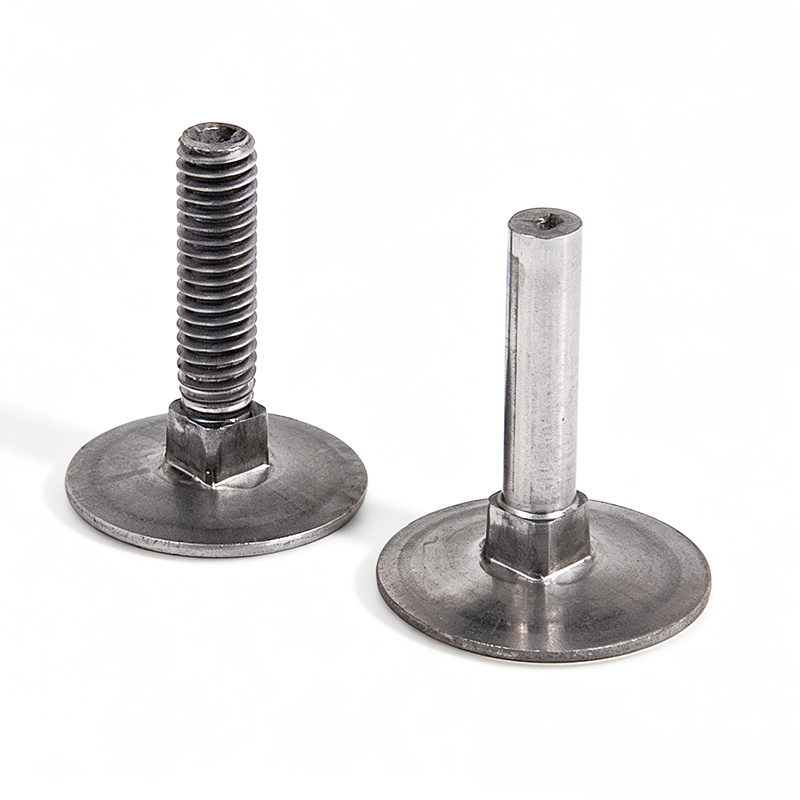 Flat Head Square Neck Adjusting Bolts with Flat Head Fasteners for Furniture and Machinery
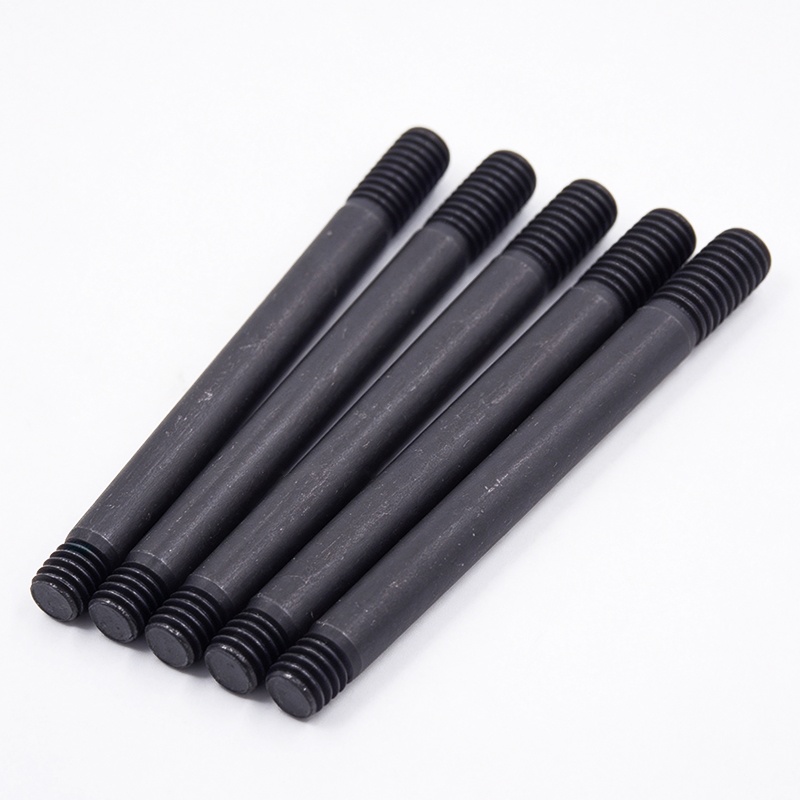 Double Ended Bolts with Threads with Heavy Duty Fasteners for Mechanical Assembly
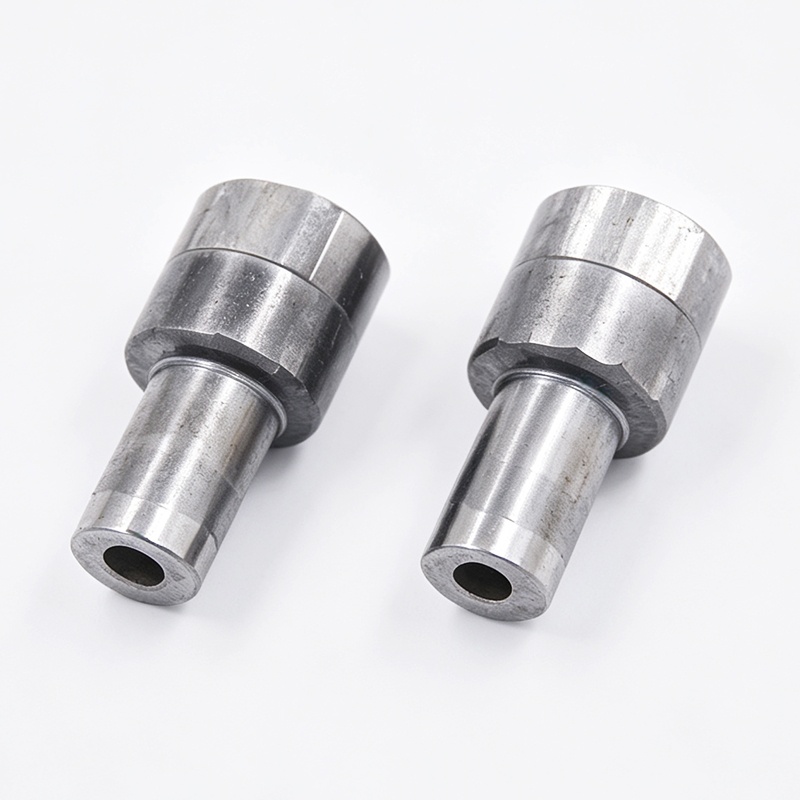 Cold-Bent Stepped Hollow Shaft Sleeve
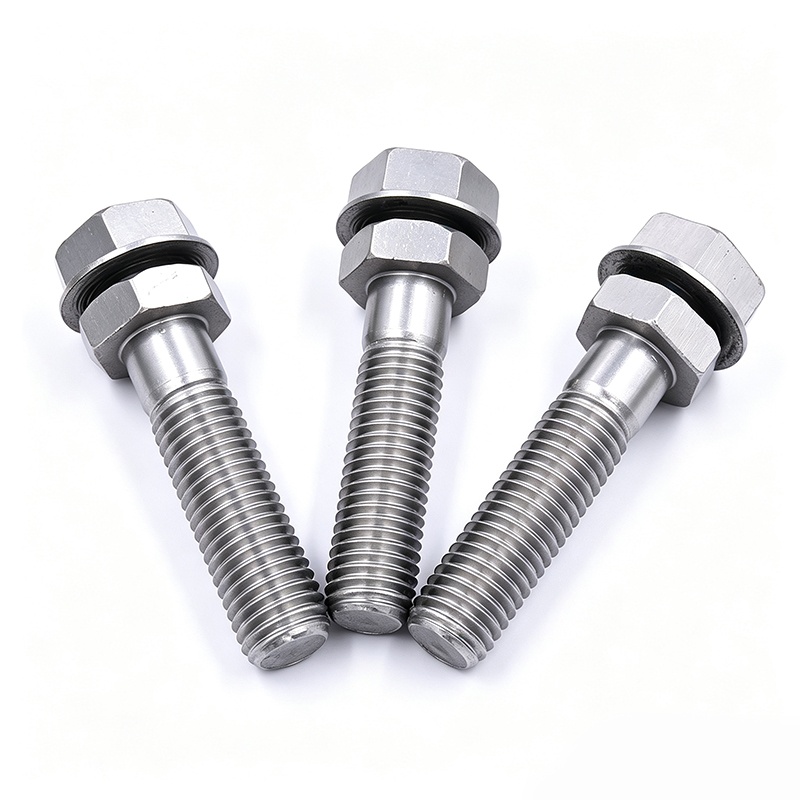 Aluminum Alloy Flange Bolt
Latest News
-
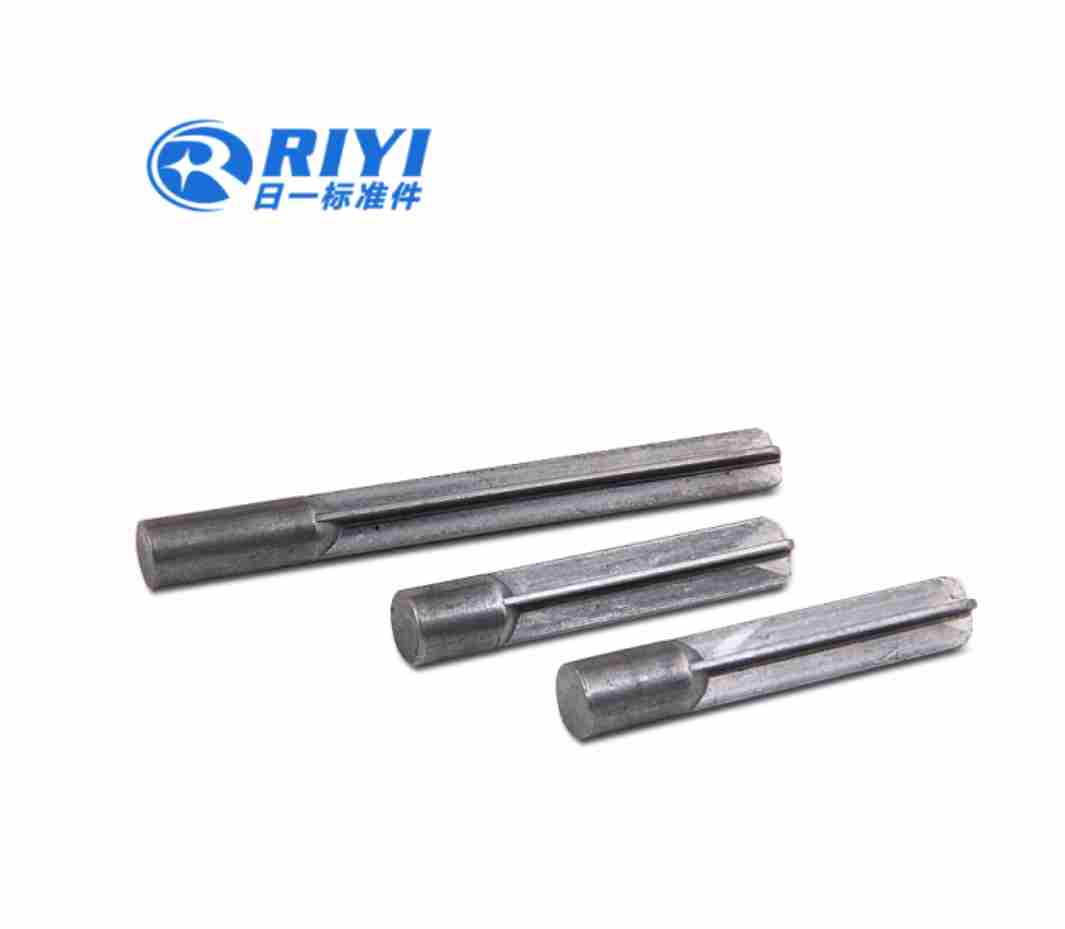
Cold Heading Components: High-performance Fastener Solutions from Wenzhou Riyi Standard Parts Co., Ltd
2026-09-29Cold heading processing shapes metal wire under strong pressure at room temperature without cutting raw materials. Unlike traditional CNC machining, this technology preserves the continuous metal grain flow inside cold heading parts.
-
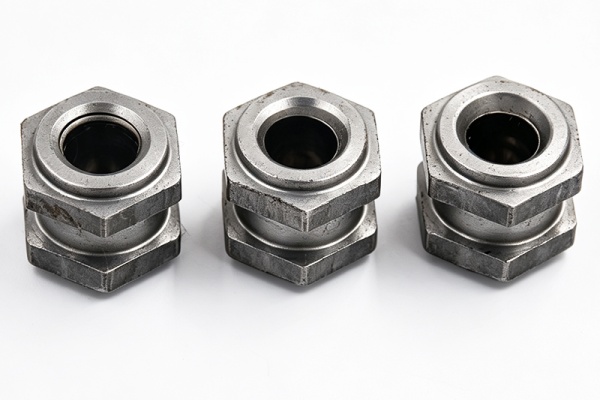
Special-shaped Bolts and Stainless Steel Double-ended Bolts from Wenzhou Riyi Standard Parts Co., Ltd
2026-09-23In modern mechanical manufacturing, construction engineering and equipment assembly, high-quality fasteners are the invisible foundation that guarantees structural safety and product stability.
-
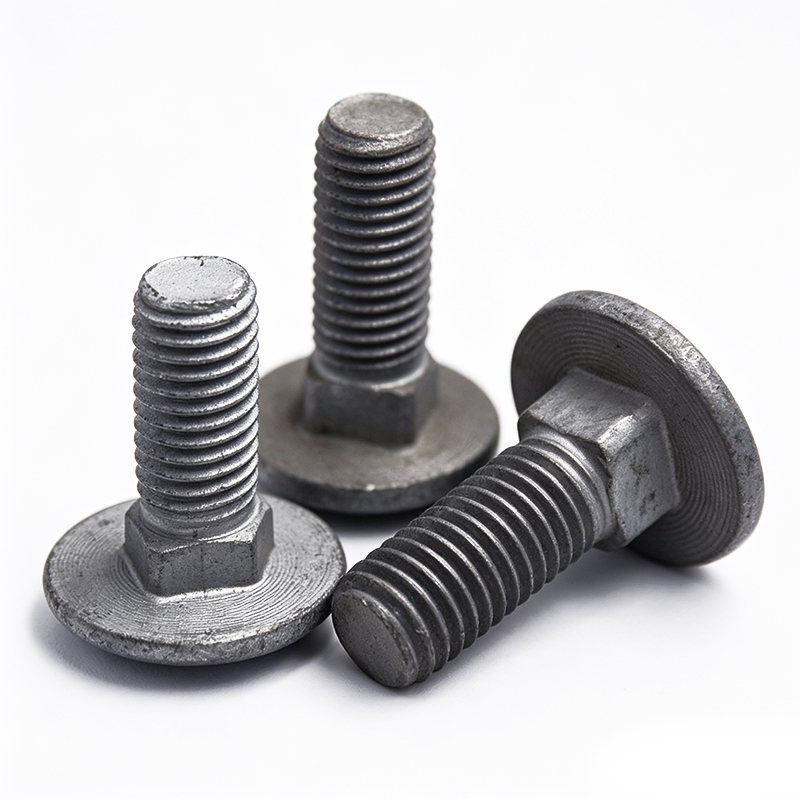
Precision Custom Fasteners from Wenzhou Riyi Standard Parts
2026-09-15Wenzhou Riyi Standard Parts is a reliable Chinese manufacturer focusing on custom non-standard fasteners, located in Wenzhou’s Binhai Economic Zone.
-
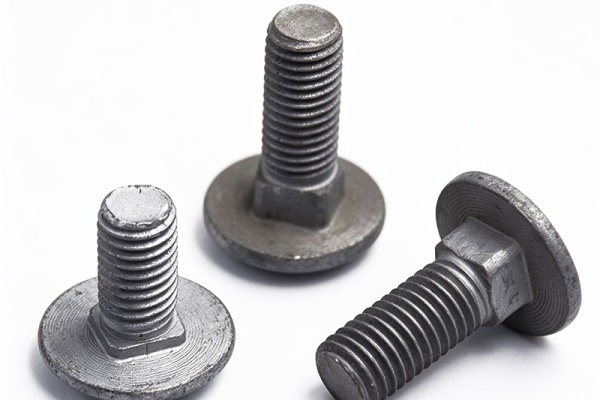
Aluminum Alloy Flange Bolts, Ball Head Studs & Dacromet Carriage Bolts – Reliable Fastener Startup Business
2026-09-08Fasteners are essential basic components widely used in machinery, automotive, engineering and equipment assembly industries.