Products


Double Ended Bolts with Threads with Heavy Duty Fasteners for Mechanical Assembly
This product is a double-end stud (double-ended stud bolt) made of high-quality carbon steel with a black oxide finish, giving a uniform matte black surface.
Send Inquiry
Product Description
Product Overview
This product is a double-end stud (double-ended stud bolt) made of high-quality carbon steel with a black oxide finish, giving a uniform matte black surface. Both ends are threaded with a long smooth shank in the middle; one threaded end is slightly longer than the other to distinguish the fixed end from the fastening end. During use, one end is screwed into the internal thread of the base for fixing, while the other end passes through the parts to be joined and is fastened with a nut for a reliable connection. With precision threads, high strength and corrosion resistance, it is especially suitable for assemblies requiring frequent disassembly or where a bolt cannot be used on one side, and is widely used in machinery, engines, flanges and piping.
Product Features
Double-ended threaded structure: The threads at both ends serve as the fixed end and the fastening end respectively — one screws into the base and the other works with a nut — for a flexible connection and clear installation orientation.
Smooth middle shank: The long smooth shank in the middle passes through and positions the connected parts, reducing thread wear and stress concentration for better shear resistance and assembly accuracy.
Precision threads: The threads at both ends are clearly formed, uniform and complete, ensuring smooth engagement, firm meshing and reliable locking without stripping.
Black oxide carbon steel: The high-quality carbon steel base is black oxide finished, forming a uniform matte black protective layer with good rust and corrosion resistance and a clean appearance.
High load capacity: Made of high-quality carbon steel with reliable strength and toughness, meeting the load requirements of structural connections.
Application Field
This product is widely used in mechanical assemblies requiring connections at both ends, including machinery and molds, engines and automotive components, flange and piping connections, and engineering equipment and pump/valve applications. It is especially suitable for joints where one end must be fixed in the base while the other end requires frequent disassembly or cannot be bolted directly.
Instructions for use
Selection: Choose a stud of suitable length according to the thread specifications at both ends, the thickness of the connected parts and the depth of the base threaded hole, and check that the threads and smooth shank are in good condition.
Fixing the fixed end: Screw the fixed end of the stud into the internal thread of the base until fully seated. If greater torque is required, lock two nuts against each other on the stud and use a wrench on the nuts to tighten the stud securely.
Fastening the other end: Slide the other part over the smooth shank, add a washer, thread on a nut and tighten with a wrench to the specified torque.
Inspection: Confirm both ends are fully engaged and securely fastened; in vibrating applications, inspect and re-tighten periodically.
Maintenance
Rust protection: The black oxide surface relies on its protective layer and oil film for corrosion resistance. Keep the surface clean and apply anti-rust oil before long-term storage.
Periodic inspection: For connections under long-term load or in vibrating environments, check regularly for loosening or corrosion and re-tighten or replace in time.
Thread cleaning: Clean oil and dirt from the threads regularly to keep them clean and ensure smooth engagement.
Proper use: Always use matching specifications, avoid over-torquing that may damage the threads, and never reuse studs with damaged or deformed threads.
FAQ
Q: What material and surface finish does this stud have?
A: It is made of high-quality carbon steel with a black oxide finish, giving a uniform matte black surface with good rust and corrosion resistance. The specific material and process are subject to the product specification.
Q: What is the difference between the threads at both ends?
A: Both ends are threaded, with one end slightly longer than the other to distinguish the fixed end from the fastening end: usually the shorter end is screwed into the base for fixing, and the longer end is used with a nut, making installation more convenient.
Q: What is the function of the smooth middle shank?
A: The smooth shank passes through and positions the connected parts, reducing thread wear and stress concentration for better shear resistance and assembly accuracy.
Q: How is the fixed end tightened during installation?
A: If the fixed end has no dedicated tool feature, use the double-nut method — thread two nuts onto the stud and lock them against each other, then use a wrench on the nuts to screw the stud into the base until fully seated.
Q: How to prevent loosening and rust?
A: Tighten the nut to the specified torque, re-tighten periodically or use lock washers and thread-locking adhesive in vibrating environments; keep the black oxide surface clean and dry, and apply anti-rust oil for long-term storage.
Send Inquiry
Related Products
 Stainless Steel External Threaded Hollow Multi-Step Connector
 Round Head Hollow Threaded Plugs with Threaded Fasteners for Metal and Machinery
 Flat Head Square Neck Adjusting Bolts with Flat Head Fasteners for Furniture and Machinery
 Cold-Bent Stepped Hollow Shaft Sleeve
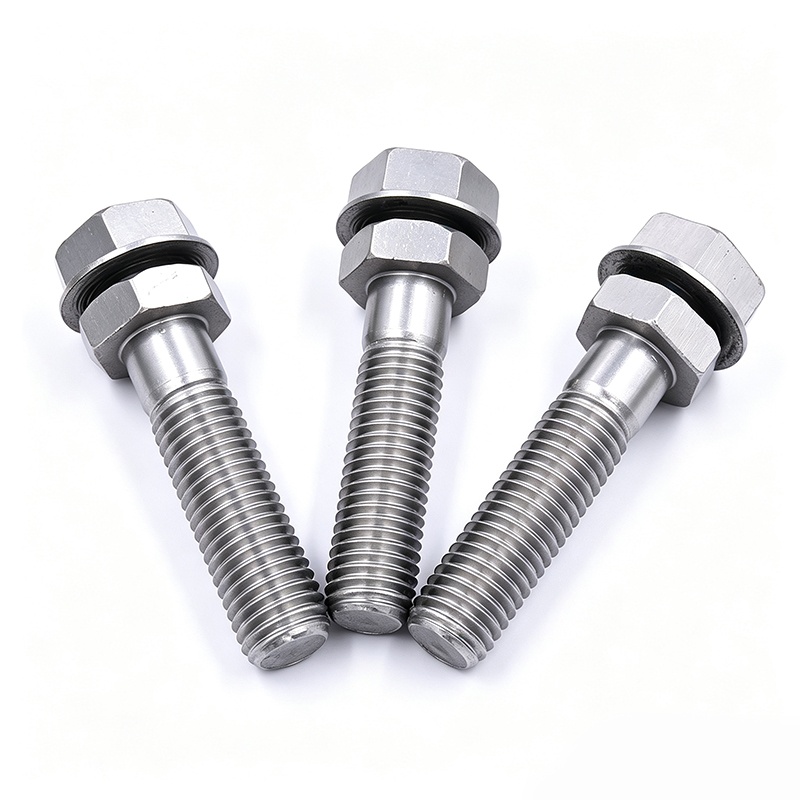 Aluminum Alloy Flange Bolt
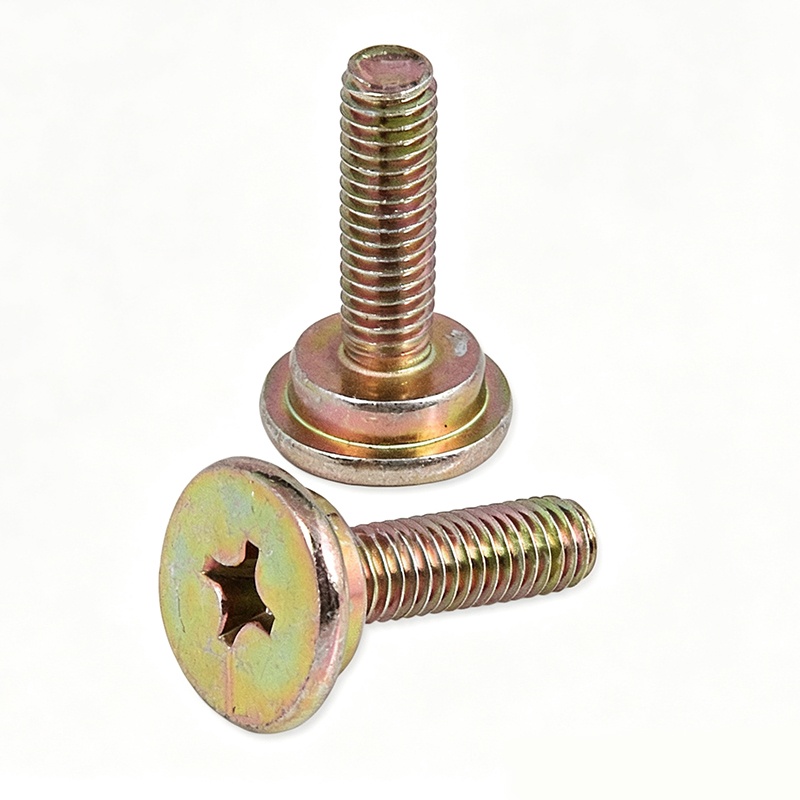 Stainless Steel Round Head Cross Step Screws
Latest News
-
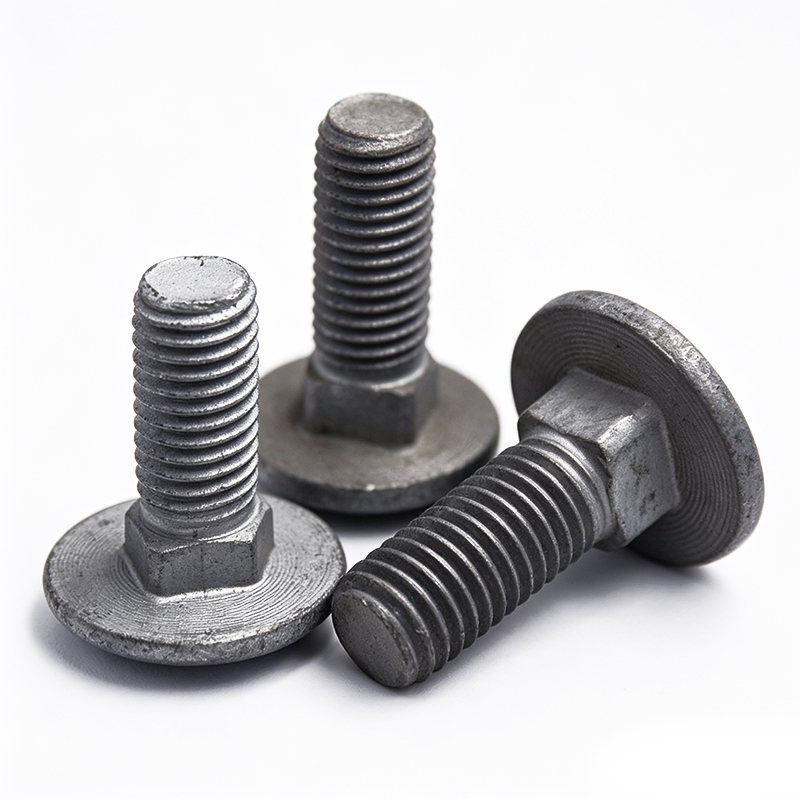
Precision Custom Fasteners from Wenzhou Riyi Standard Parts
2026-09-15Wenzhou Riyi Standard Parts is a reliable Chinese manufacturer focusing on custom non-standard fasteners, located in Wenzhou’s Binhai Economic Zone.
-
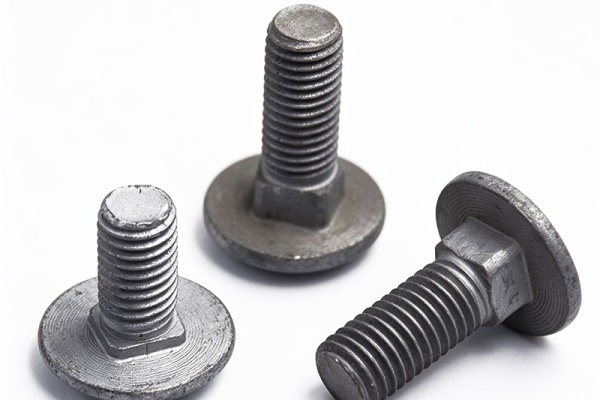
Aluminum Alloy Flange Bolts, Ball Head Studs & Dacromet Carriage Bolts – Reliable Fastener Startup Business
2026-09-08Fasteners are essential basic components widely used in machinery, automotive, engineering and equipment assembly industries.
-
The Key Role of Precision Hardware Parts in Modern Mechanical Assembly
2026-09-04In the fast-developing field of modern mechanical manufacturing and equipment assembly, tiny hardware accessories are often the core factors that determine the stability, durability and safety of the entire device.
-
Two Practical Hardware Parts in Mechanical Assembly
2026-08-25Machine manufacturing and equipment assembly all rely on standard hardware parts. They make industrial equipment more stable and better positioned.