Products


Stainless Steel Internal And External Threaded Bushings
Stainless steel internal and external threaded bushings (also known as "threaded sleeves", "threaded bushings" or "threaded sleeves") are a typical stainless steel non-standard screw fastener solution. Its core structure is to simultaneously process internal threads and external threads on a sleeve-shaped component, thus becoming a "thread relay station" or "thread converter".
Send Inquiry
Product Description
Product introduction
Stainless steel internal and external threaded bushings (also known as "threaded sleeves", "threaded bushings" or "threaded sleeves") are a typical stainless steel non-standard screw fastener solution. Its core structure is to simultaneously process internal threads and external threads on a sleeve-shaped component, thus becoming a "thread relay station" or "thread converter". When the original threads on the base body (such as equipment casing, bracket) are damaged, insufficient in strength, or need to connect screws of different specifications, it provides a reliable and maintainable means of repair and enhancement. Due to the ever-changing application scenarios and mounting hole sizes, most of these products fall into the category of customized non-standard screws produced on demand.
Product design and features
Its design fully serves the core mission of "reliable connection and conversion" and is the product of precision non-standard screw processing:
Double thread design: This is the foundation of the product. The external thread is used to be screwed into the repair hole or reinforced hole of the parent body (base material) to form a permanent or semi-permanent fixation; the internal thread provides a new, standard, high-strength threaded hole for connecting the target screw.
Locking and anti-loosening structure: Some high-performance bushings are designed with locking grooves (such as the installation handle of a wire thread sleeve) or coated with locking glue on the outside, and nylon locking rings or all-metal locking teeth are designed on the inside to prevent them from loosening in a vibration environment.
Installation guide and drive structure: To facilitate installation, bushings may be designed with installation guides, internal hexagonal/cross recessed or external hexagonal heads. For headless wire thread inserts, a special installation wrench is required.
High strength and wear resistance: cold heading, turning or winding processes are used, and high-quality stainless steel is used to ensure that the mechanical strength of the thread far exceeds the thread of the soft base material (such as aluminum, plastic) itself, greatly improving the wear resistance and shear resistance.
Materials and application fields
Material: 304 stainless steel (A2): It has excellent comprehensive properties and is resistant to general corrosion. It is the most widely used material and can meet the needs of most industrial environments. 316 stainless steel (A4): Contains molybdenum and is more resistant to acid, alkali and chloride corrosion. It is suitable for harsh environments such as chemical industry, marine, medical disinfection and food processing. It is a commonly used material for high-end stainless steel non-standard screws.
Core application areas
Thread repair and strengthening: Repairing damaged threaded holes on soft materials such as aluminum alloy, cast iron, plastic, etc. or on old equipment is a must-have for equipment maintenance. Thread specification conversion: Converting the threaded holes on the base body from one specification (such as imperial) to another (such as metric) without changing the external connections. Improve connection reliability: Pre-implantation in areas that require frequent disassembly or assembly or bear high vibration loads provides a threaded interface that is more wear-resistant and stronger than the base material, effectively preventing tooth slipping.
Specific industry applications: In aerospace, precision instruments, medical devices and other fields, in order to meet special space layout, material compatibility or ultra-high reliability requirements, special non-standard screw processing is often required to produce such bushings.
Quality control and certification system
For such critical safety components, strict quality control is the lifeline: Dimensional and thread accuracy: Use thread pass-and-stop gauges, optical projectors or three-dimensional coordinate measuring machines to strictly detect the medium diameter, large diameter, small diameter, pitch and profile angle of internal and external threads to ensure compliance with thread tolerance standards such as GB/T 3934 and ISO 4759-1.
Mechanical performance test: According to relevant standards such as GB/T 3098.6-2014 (Mechanical Properties of Stainless Steel Bolts, Screws and Studs), test its hardness, guaranteed load (to ensure that the thread does not trip or deform) and tensile strength.
Material and corrosion resistance verification: Verify the composition of stainless steel through spectral analysis, and conduct a neutral salt spray test (such as more than 72 hours) to verify its long-term corrosion resistance as a key stainless steel non-standard screw.
Surface and integrity inspection: Check whether there are cracks, burrs, rust spots and other defects on the surface of the product to ensure that the threads are smooth and there are no defects that affect assembly.
Customized services
Customization process: Provide technical parameters: Customers need to provide clear internal and external thread specifications, total length, length of each section, material grade, performance level (such as A2-70) and drawings of key installation dimensions. Process review and quotation: The factory evaluates the processing technology (turning, cold heading, combined processing), material cost and delivery time, and provides a plan.
Proofing confirmation: Make samples for customers to conduct assembly testing and functional verification, and start mass production after confirmation.
Factory core capabilities: An excellent non-standard screw factory should have full-chain non-standard screw processing capabilities from material selection, multi-axis precision turning, thread rolling/grinding to surface treatment (passivation, electrolytic polishing), and be able to provide material reports and inspection reports.
FAQ
Q: What is the difference between internal and external threaded bushings and ordinary "wire thread inserts"?
A: The structures are different: Ordinary wire thread sleeves are spring-like sleeves wound with diamond-shaped steel wires, which are mainly tightened by elasticity; stainless steel internal and external thread bushings are solid or thick-walled sleeve-like parts with complete machined internal and external threads, and their strength and rigidity are usually higher.
Functional focus: Wire thread inserts focus on repair and anti-loosening; in addition to repair, internal and external thread bushings are better at precise thread specification conversion and providing super-load-bearing threads, which is a more thorough strengthening solution.
Q: How to install and remove this bushing?
A: Installation: For headless bushings, a special tool (such as a mandrel) is usually required to screw or press it into a pre-machined base hole with matching external threads. Headed bushings can be screwed in directly like ordinary non-standard screws.
Removal: The one with the head can be screwed out directly in the opposite direction. Headless ones are generally more difficult to remove and may require the use of a socket remover (reverse thread tool) or destructive removal, so they are often considered a semi-permanent installation when designing.
Q: When customizing, in addition to size, what other key information needs to be provided to the factory?
A: Usage environment: whether it is exposed to chemicals, humidity, and temperature range, which determines the material (304 vs 316) and surface treatment.
Load situation: Whether it is subjected to static force, dynamic vibration or impact load, which affects the strength level requirements.
Installation method: whether it is manual installation or automatic installation, which will affect the design of the head or drive structure.
Relevant regulations: Whether the product is used in a highly regulated industry such as medical, food or aerospace, which determines the required certifications and documentation (such as material tracking reports)
Send Inquiry
Related Products
 Stainless Steel Carriage Bolts with Corrosion Resistant Square Neck Bolts for Metal
 Stainless Steel Cylindrical Connector with Threaded Cross Holes
 CNC Machined Stainless Steel Round Head Shoulder Bolts
 CNC Machined Stainless Steel Hex Flange Double Ended Stud Bolts for Industrial Fastening
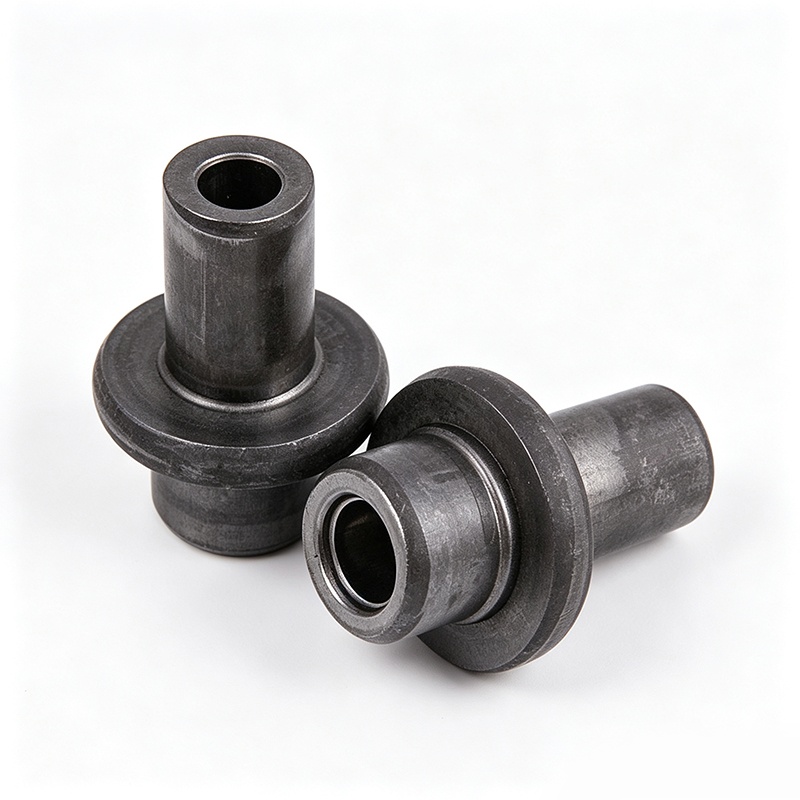 CNC Machined Bronze Flanged Bushing with Self Lubricating Wear Resistance
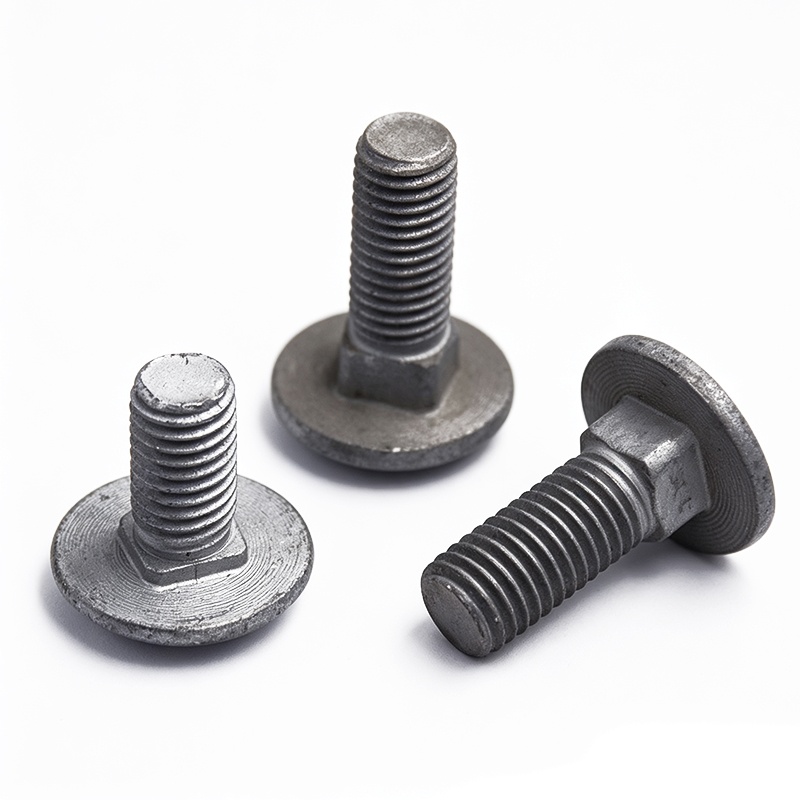 Dacromet Disc Head Square Neck Carriage Bolt
Latest News
-
Cold Heading Components: High-performance Fastener Solutions from Wenzhou Riyi Standard Parts Co., Ltd
2026-09-29Cold heading processing shapes metal wire under strong pressure at room temperature without cutting raw materials. Unlike traditional CNC machining, this technology preserves the continuous metal grain flow inside cold heading parts.
-
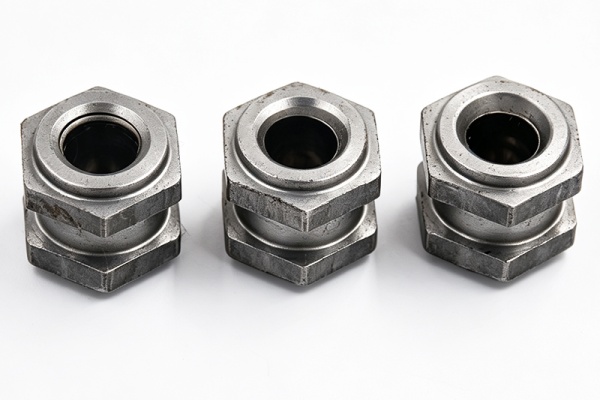
Special-shaped Bolts and Stainless Steel Double-ended Bolts from Wenzhou Riyi Standard Parts Co., Ltd
2026-09-23In modern mechanical manufacturing, construction engineering and equipment assembly, high-quality fasteners are the invisible foundation that guarantees structural safety and product stability.
-
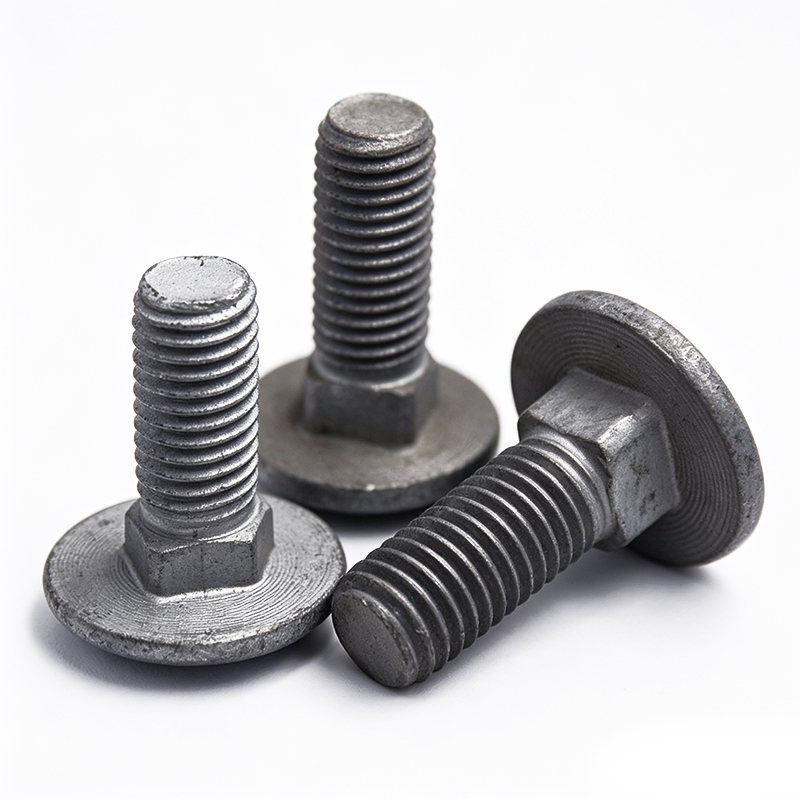
Precision Custom Fasteners from Wenzhou Riyi Standard Parts
2026-09-15Wenzhou Riyi Standard Parts is a reliable Chinese manufacturer focusing on custom non-standard fasteners, located in Wenzhou’s Binhai Economic Zone.
-
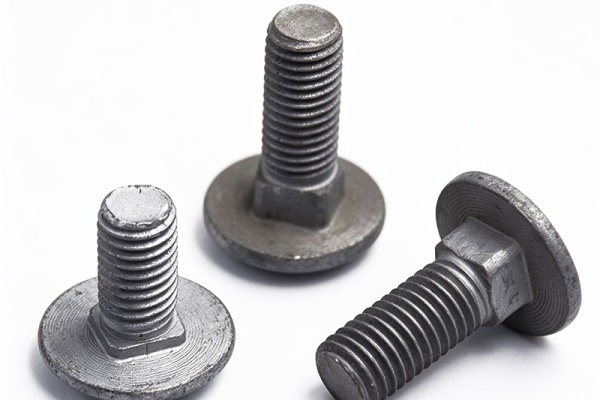
Aluminum Alloy Flange Bolts, Ball Head Studs & Dacromet Carriage Bolts – Reliable Fastener Startup Business
2026-09-08Fasteners are essential basic components widely used in machinery, automotive, engineering and equipment assembly industries.