Products


Hexagon Socket Double-Ended Connector
The external hexagon double-head connector is a standard fastener used to achieve a rigid connection between two parts. Its main body is a metal rod with an external hexagonal column in the center, and both ends are processed with external threads of the same or different specifications to form a stud structure.
Send Inquiry
Product Description
Product introduction
The external hexagon double-head connector is a standard fastener used to achieve a rigid connection between two parts. Its main body is a metal rod with an external hexagonal column in the center, and both ends are processed with external threads of the same or different specifications to form a stud structure. The center's external hexagon design allows for easy clamping and torque application with standard wrench tools for efficient installation and removal. The core function of this connector is to provide a strong and reliable intermediate connection solution. It is often used in situations where threaded connections are required but through-bolts are not possible or inconvenient. For example, it can effectively act as a "threaded bridge" in rack assembly of heavy equipment, docking of large pipe flanges, or closed structures that need to be installed from one side. When one end is screwed into the threaded hole of the base body of a component, the thread on the other end is used to install another component or nut, thereby achieving a tight connection and fixation of the two separate components. In addition, this design also facilitates equipment maintenance and adjustment. In applications that require frequent disassembly or adjustment of the connection length, you only need to fix the central hexagonal part and rotate the nut to easily assemble or adjust without turning the entire bolt member, which improves the flexibility and convenience of assembly. Therefore, it is an indispensable universal connection element in mechanical assembly, equipment manufacturing and engineering construction.
Product features
Symmetric or asymmetric connection design
The threads at both ends of the connector can be designed with the same specifications (for standardized installation) or different specifications (for connecting two components with different hole diameters or pitches) according to actual needs, providing a high degree of connection flexibility and adaptability.
Convenient central operating structure
The outer hexagonal column design in the middle makes it easy to clamp and rotate using a standard wrench or socket. This structure makes the installation and removal process more stable and efficient, avoiding slippage or damage that may occur when directly screwing the threaded rod.
Stable rigid connection function
As a one-piece metal rod, it forms a strong mechanical bridge between two connected parts, which can effectively transmit tension and shear forces. It is suitable for structural connection occasions that need to withstand a certain load or vibration.
Easy to adjust and maintain
During the installation or debugging process, the nuts at either end can be individually adjusted by fixing the central hexagonal part to achieve fine-tuning of the connection length or pre-tightening force, which also makes subsequent disassembly and maintenance more convenient without the need to rotate the rod body as a whole.
Product application
Heavy equipment and structural installation: In the flange connection of large mechanical equipment (such as presses, injection molding machines), steel structure bridges, towers and heavy pipelines, it is often used to achieve the through connection of two large components. When parts are too thick or space is limited to allow the use of through-bolts of sufficient length, this connector can be used as a reliable "threaded extension" that is screwed in and tightened from both sides to ensure structural integrity.
Equipment repair and modification: In equipment repair, it is often used to repair damaged threaded holes. One end (often using an interference or locking process) can be permanently implanted into the matrix to replace the old thread, and the other end is used to connect the original component, which is an efficient and economical repair solution.
Connection parts that need to be adjusted and buffered: In vibrating screens, shock absorbers or mechanical linkage mechanisms that need to reserve adjustment space, when used with nuts, the connection gap or pre-tightening force can be accurately controlled by adjusting the positions of the nuts at both ends, which facilitates on-site installation, debugging and maintenance.
Special combination and transitional connection: With the characteristic that both ends can be processed with threads of different specifications, it is often used to connect two components of different standards, different hole diameters or different materials, acting as a "thread conversion joint", such as connecting components with inch and metric threads, or realizing the adaptation of different valves in a pipeline system.
FAQ
Q: Do the threads on both ends of it have to be the same?
A: Not necessarily. This is one of its core strengths. Depending on the application requirements, it can be made with identical thread specifications at both ends, or it can be made into "reducing studs" with completely different diameters, pitches and even thread types at both ends to accommodate special transition or conversion connections.
Q: Can it be used in situations with strong vibration?
A: The standard double-head connector itself does not have the anti-loosening function. In a dynamic load environment with strong vibration, it must be used in conjunction with effective anti-loosening measures, such as lock nuts, spring washers, thread locking glue, etc., to prevent the connection from loosening due to vibration.
Q: Are external hexagonal double-head connectors and studs/bolts the same thing?
A: Yes, they usually refer to the same product. Its standard name is mostly "double-headed stud" or "equal-length double-headed stud", while "external hexagonal double-headed connector" focuses more on describing its morphological characteristics with an outer hexagon in the center, which is convenient for tool clamping operations.
Send Inquiry
Related Products
 Stainless Steel Carriage Bolts with Corrosion Resistant Square Neck Bolts for Metal
 Stainless Steel Cylindrical Connector with Threaded Cross Holes
 CNC Machined Stainless Steel Round Head Shoulder Bolts
 CNC Machined Stainless Steel Hex Flange Double Ended Stud Bolts for Industrial Fastening
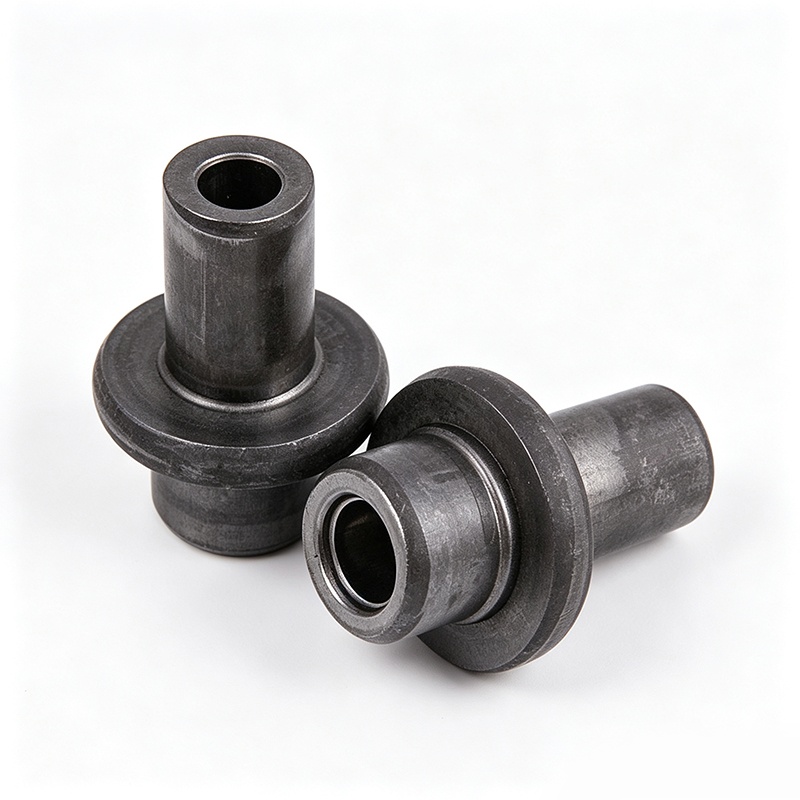 CNC Machined Bronze Flanged Bushing with Self Lubricating Wear Resistance
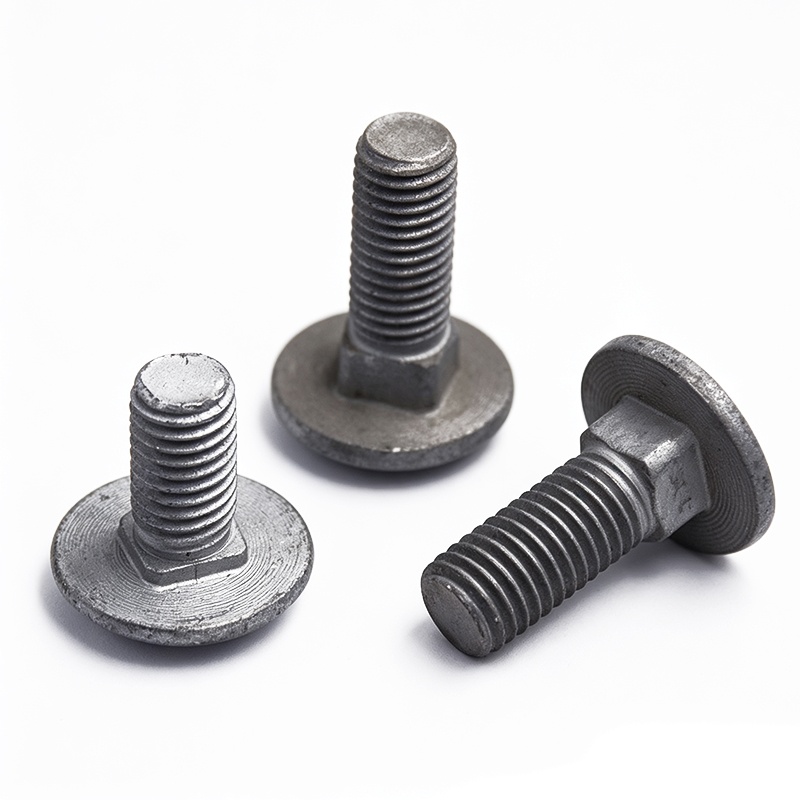 Dacromet Disc Head Square Neck Carriage Bolt
Latest News
-
Cold Heading Components: High-performance Fastener Solutions from Wenzhou Riyi Standard Parts Co., Ltd
2026-09-29Cold heading processing shapes metal wire under strong pressure at room temperature without cutting raw materials. Unlike traditional CNC machining, this technology preserves the continuous metal grain flow inside cold heading parts.
-
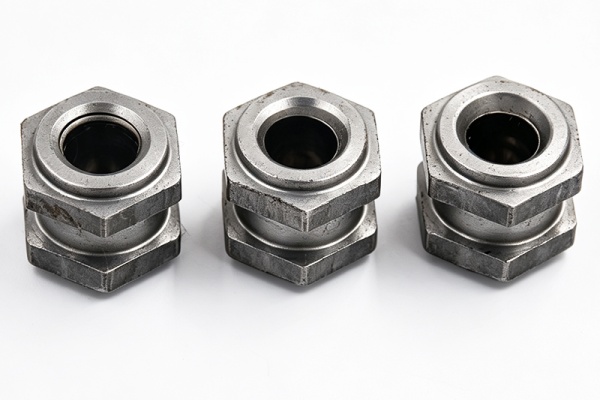
Special-shaped Bolts and Stainless Steel Double-ended Bolts from Wenzhou Riyi Standard Parts Co., Ltd
2026-09-23In modern mechanical manufacturing, construction engineering and equipment assembly, high-quality fasteners are the invisible foundation that guarantees structural safety and product stability.
-
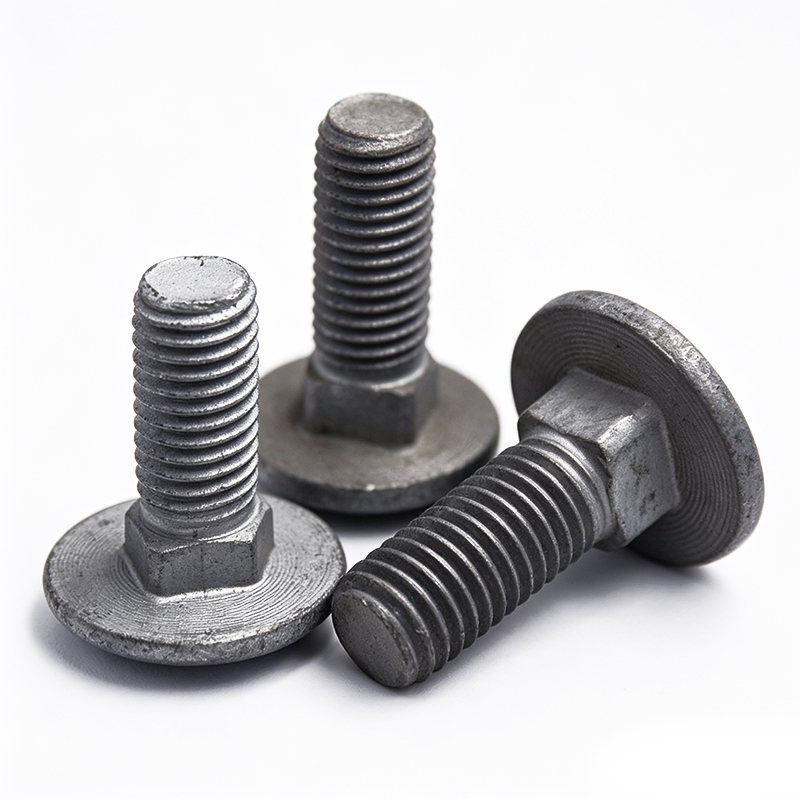
Precision Custom Fasteners from Wenzhou Riyi Standard Parts
2026-09-15Wenzhou Riyi Standard Parts is a reliable Chinese manufacturer focusing on custom non-standard fasteners, located in Wenzhou’s Binhai Economic Zone.
-
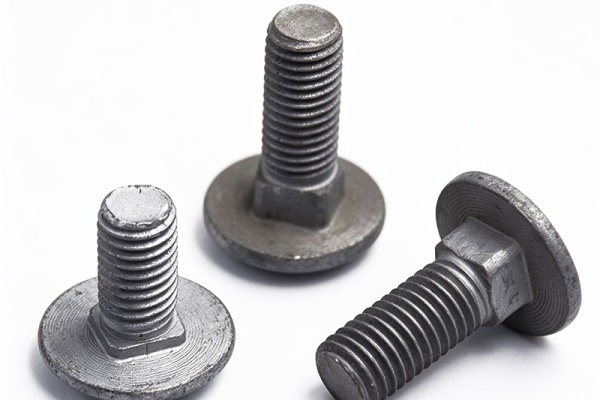
Aluminum Alloy Flange Bolts, Ball Head Studs & Dacromet Carriage Bolts – Reliable Fastener Startup Business
2026-09-08Fasteners are essential basic components widely used in machinery, automotive, engineering and equipment assembly industries.