Products


Carbon Steel Hot-Forged Elastic Pin
The hot forged elastic pin is a metal connecting piece made by precision hot forging process. Its main body is usually cylindrical and has a through gap along the axial direction. During the production process, the steel is forged with precision dies at high temperatures, and the internal metallographic structure is optimized to form dense and coherent fiber streamlines.
Send Inquiry
Product Description
Product introduction
The hot forged elastic pin is a metal connecting piece made by precision hot forging process. Its main body is usually cylindrical and has a through gap along the axial direction. During the production process, the steel is forged with precision dies at high temperatures, and the internal metallographic structure is optimized to form dense and coherent fiber streamlines. The outer diameter of this pin is slightly larger than the installation hole diameter in the free state. With its inherent elasticity and slit structure, it will produce radial elastic deformation after being pressed into the standard hole position, thereby forming a continuous and uniform holding force, achieving gap-free fastening and precise positioning. Its forged structure gives it high shear strength and fatigue resistance. This product is mainly used for the connection of mechanical components under vibration, impact or alternating load conditions, such as the joints of heavy engineering machinery, the circumferential fixation of transmission gears, the positioning of aerospace structural parts and the precise clamping of molds. It not only transmits transverse shear forces, but is also often used as a safety pin for overload protection. The hot forging process gives it better load capacity and durability than ordinary cutting parts, making it a reliable connection component suitable for high-demand industrial occasions.
Product features
1. High load bearing and fatigue resistance
Thanks to the hot forging process, coherent and dense fiber streamlines are formed inside the material, which greatly improves the product's shear strength, impact resistance and fatigue resistance. They provide longer service life and reliability in heavy load and vibration environments compared to traditional machined pins.
2. Uniform radial elastic hold
With its precise size and axial slit design, the product can produce uniform and lasting radial elastic pressure after being pressed into the hole. This tight holding force can effectively eliminate installation gaps, achieve a loose connection, and ensure that the connected parts are accurately centered and firmly fixed.
3. Superior dimensional accuracy and consistency
Precision hot forging molds ensure high consistency and accuracy in product outer diameter, inner hole (if applicable) and opening dimensions. This results in a stable fit during batch installation, facilitates automated assembly, and ensures consistent clamping force.
4. Easy installation and strong applicability
The standard cylindrical shape design allows it to be pressed into a round hole matching the nominal diameter without additional processing (such as reaming or tapping). The slotted structure also allows it to adapt to certain hole diameter tolerances, and the requirements for hole position accuracy are relatively loose.
5. Two-way detachability
When maintenance or replacement is required, the pin can be safely knocked out with a punch from either side, making it easy to disassemble and reuse the mounting hole without causing permanent damage to the base material (such as internal thread slides), making maintenance easy.
6. Diversity of materials and surface treatments
Materials such as carbon steel, alloy steel or stainless steel can be selected according to different strength, toughness and corrosion resistance requirements, and surface treatments such as galvanizing, blackening and phosphating can be carried out to adapt to applications ranging from general industry to harsh environments.
Product application
1. Heavy machinery and engineering equipment: Commonly used in key parts such as joint connections, hinge points of transmission arms, and track pins of engineering machinery (such as excavators and cranes). Its high load-bearing and impact resistance characteristics can effectively cope with high-intensity vibration and impact loads, ensuring the stability and safety of structural connections.
2. Automobiles and transportation: It is widely used in the positioning and connection of automobile gearboxes, engine connecting rods, steering systems, chassis suspension and other components. Its gap-free fit ensures transmission accuracy, while its fatigue resistance meets the reliability requirements for long-term vehicle operation.
3. Aerospace and precision instruments: It is used as a key positioning pin or safety pin in the mold clamping and positioning of aircraft control systems, landing gears, spacecraft structures, and high-precision machine tools and molds. Its high precision and consistency ensure absolute centering and reliable fixing of precision components.
4. Energy and general industrial equipment: used in wind turbine gearboxes, industrial pump valves, compressors, agricultural machinery and robot joints, etc. Under the conditions of withstanding alternating loads and long-term operation, it provides lasting connection force, prevents loosening and reduces maintenance requirements.
5. Mold and tooling fixtures serve as mold guide posts, template positioning pins, and quick positioning and locking components for various fixtures. Its easy-to-disassemble feature facilitates frequent disassembly and maintenance of the mold.
FAQ
Q: What are the main differences between hot forged elastic pins and ordinary cotter pins and spring pins (coiled elastic pins)?
A: The main difference is the manufacturing process, load-bearing capacity and accuracy. Hot forged elastic pin: formed by hot forging, the material is dense, has the highest shear strength, long fatigue life, and good dimensional accuracy and consistency. Suitable for critical connections with high load and high vibration. Ordinary cotter pin: It is mainly used to prevent the nut from loosening. It does not bear the main shear force and has low load-bearing capacity. Coiled spring pin: It is rolled from steel strip. It has good elasticity but uneven wall thickness. Its shear resistance is lower than that of hot forged pin. It is suitable for occasions where the load is light or greater elastic compensation is required.
Q: Can it withstand axial force?
A: Not its main design function. The core design of the hot forged elastic pin is to withstand the shear force perpendicular to the pin axis. Although its elastic holding can provide some axial anti-falling ability, it is mainly used to fix the position rather than bear the main axial tensile load. If you need to withstand large axial force, you should use a retaining ring, a circlip or a threaded pin.
Q: Can it be reused after disassembly?
A: Yes, but careful evaluation is required. Since it relies on elastic deformation to work, its elastic force and outer diameter may be slightly attenuated after one disassembly. For non-critical or low-load applications, reuse may be feasible. But for applications with high reliability requirements, high loads, or safety-critical applications, it is highly recommended to replace the pins with new ones after each disassembly to ensure connection performance.
Q: When installing, are there any requirements for the pin slit direction?
A: Usually there is no requirement. The direction of the slit generally does not affect its performance. However, some best practice suggestions: when bearing rotational loads, consider placing the slit direction on the non-main force-bearing side; when it is necessary to observe whether the pin is installed in place from the side, the slit can be placed on the visible surface. The most critical thing is to make sure the pin is pressed completely and vertically into place.
Send Inquiry
Related Products
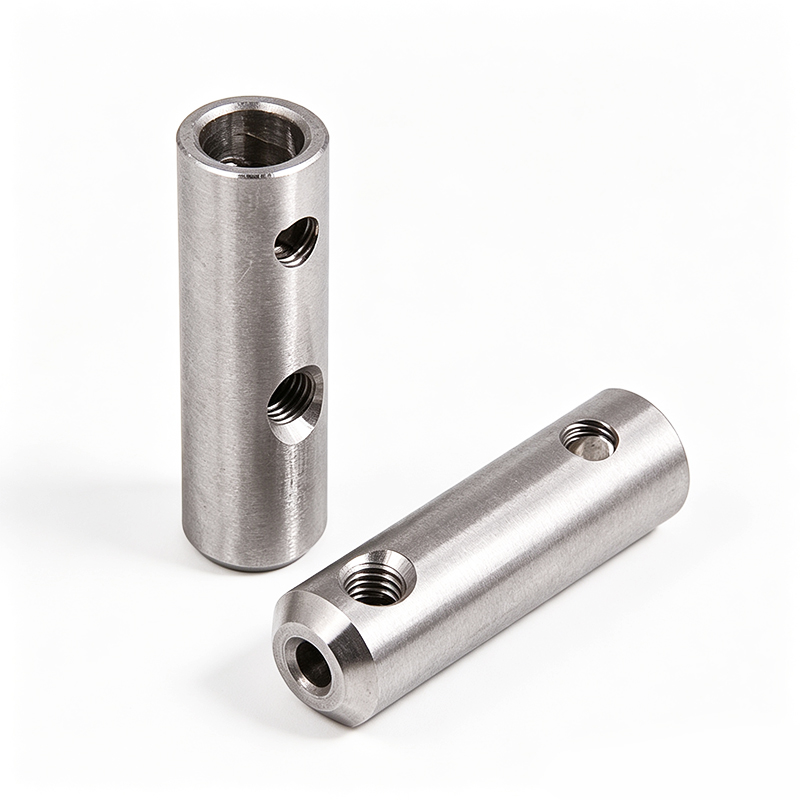 Stainless Steel Cylindrical Connector with Threaded Cross Holes
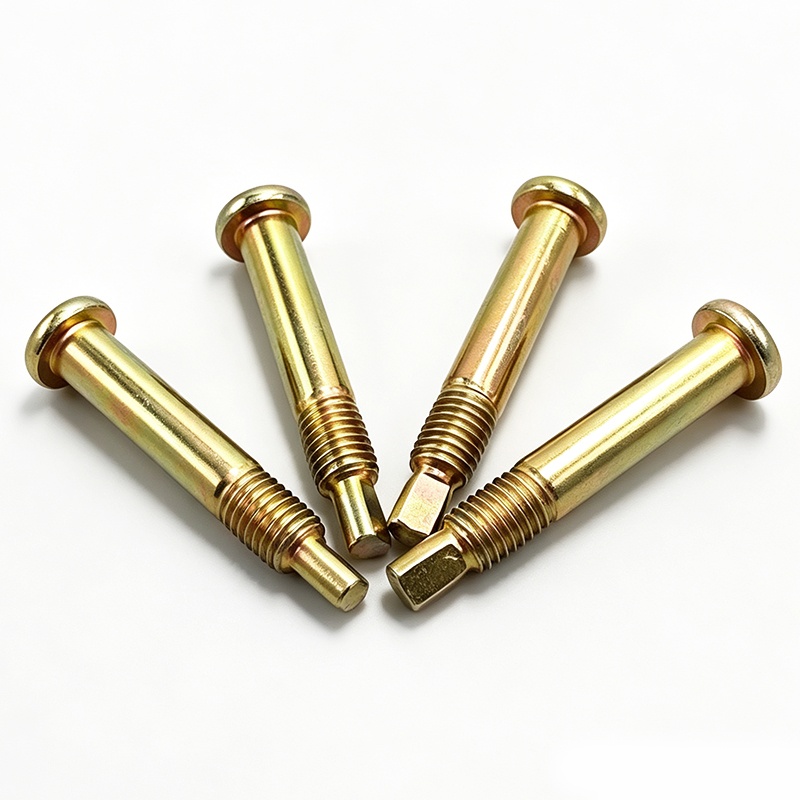 CNC Machined Stainless Steel Round Head Shoulder Bolts
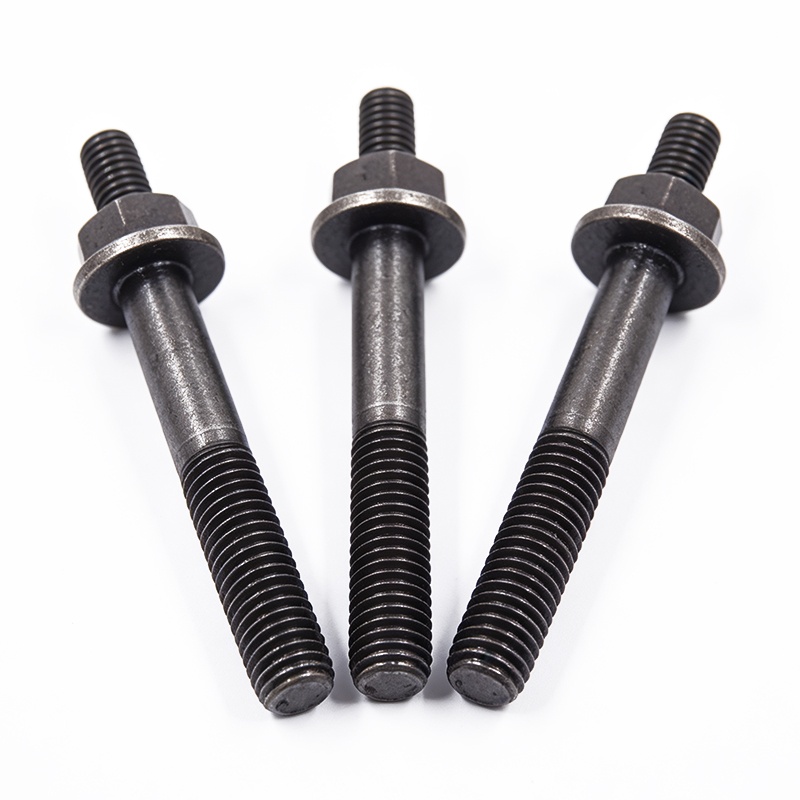 CNC Machined Stainless Steel Hex Flange Double Ended Stud Bolts for Industrial Fastening
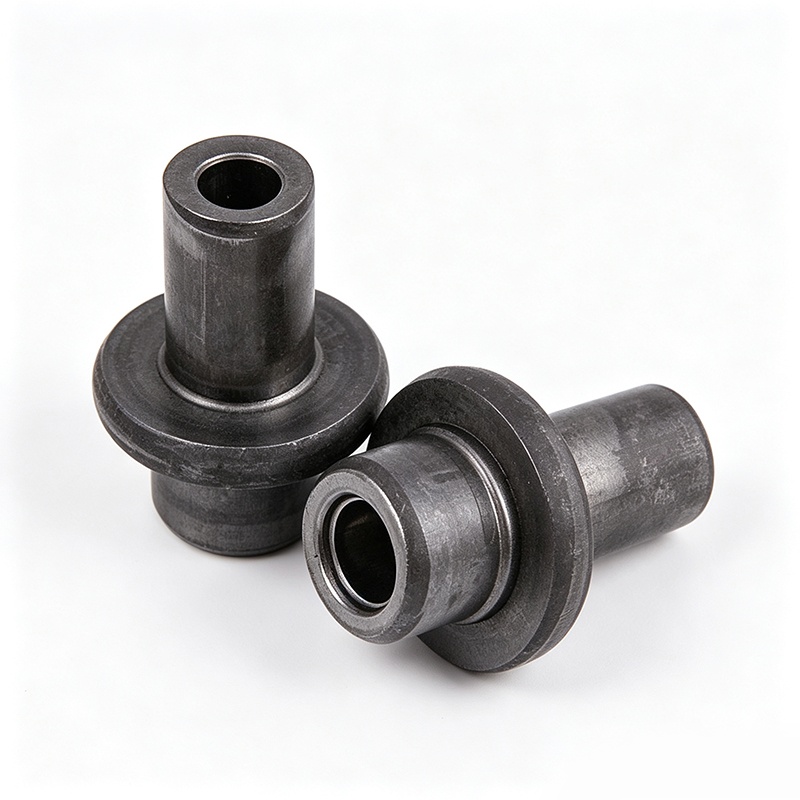 CNC Machined Bronze Flanged Bushing with Self Lubricating Wear Resistance
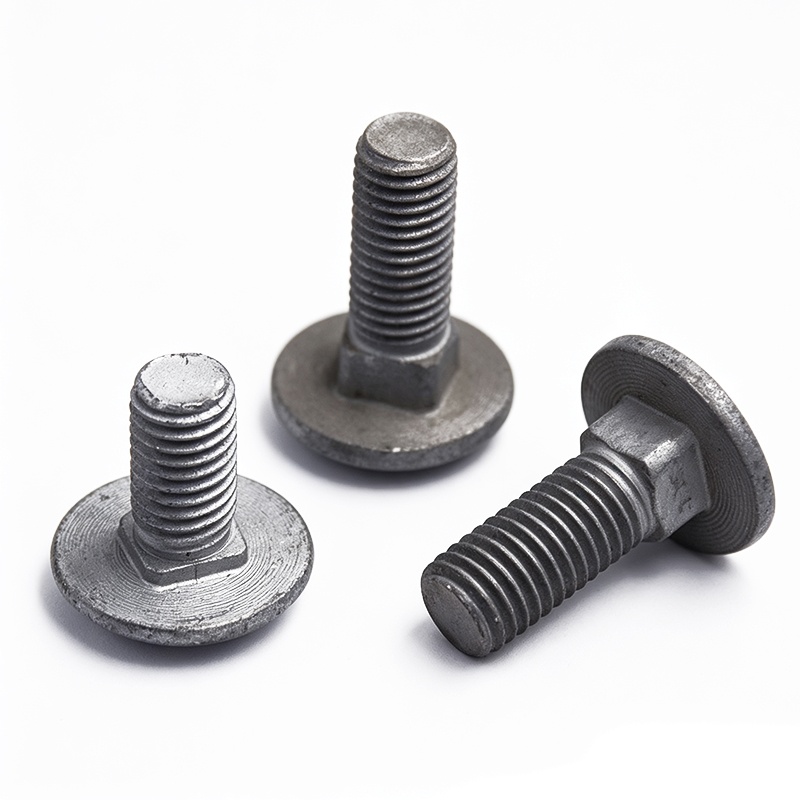 Dacromet Disc Head Square Neck Carriage Bolt
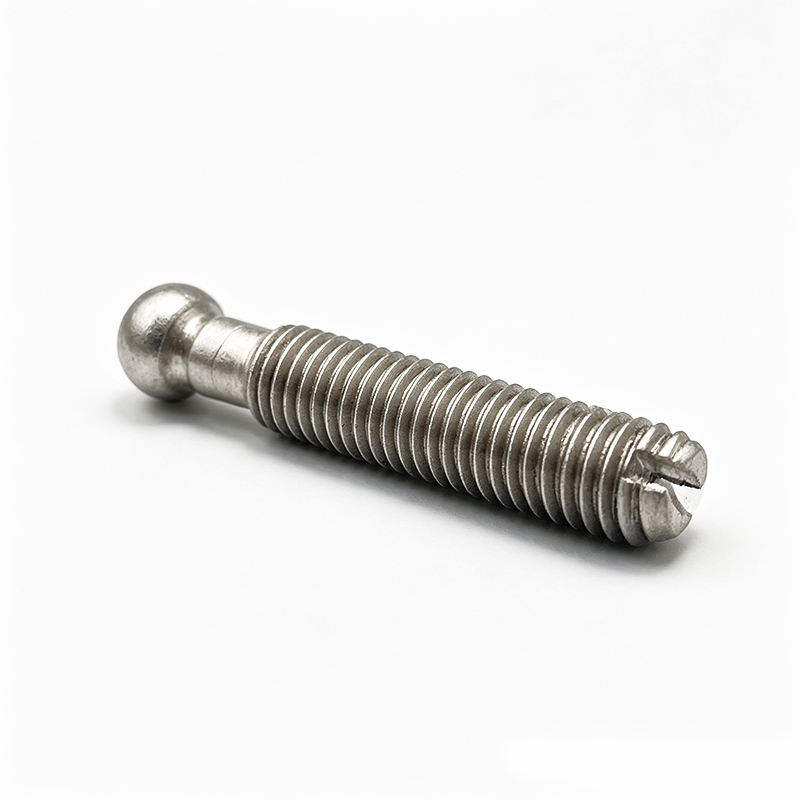 CNC Machined Stainless Steel Ball Head Bolts for Industrial Machinery
Latest News
-
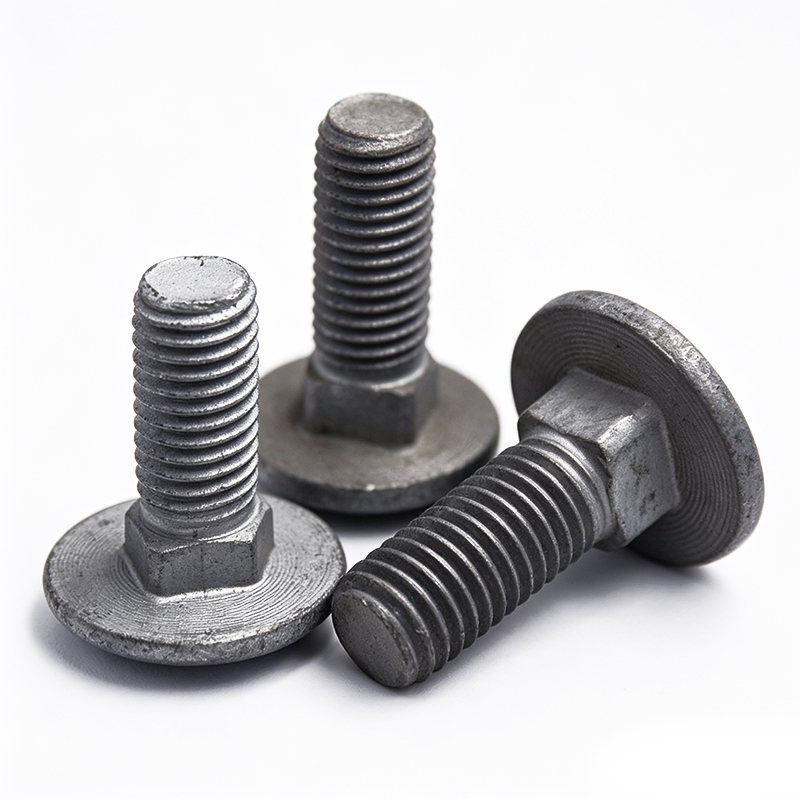
Precision Custom Fasteners from Wenzhou Riyi Standard Parts
2026-09-15Wenzhou Riyi Standard Parts is a reliable Chinese manufacturer focusing on custom non-standard fasteners, located in Wenzhou’s Binhai Economic Zone.
-
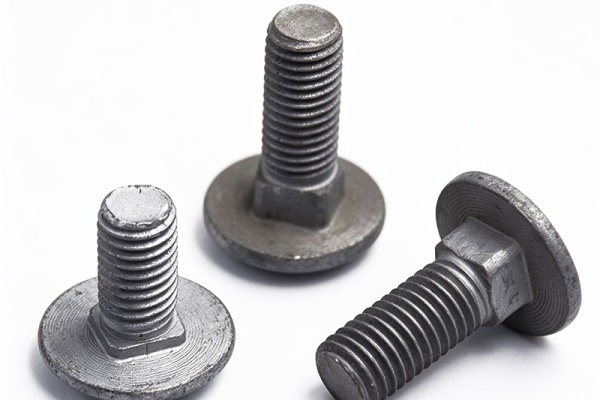
Aluminum Alloy Flange Bolts, Ball Head Studs & Dacromet Carriage Bolts – Reliable Fastener Startup Business
2026-09-08Fasteners are essential basic components widely used in machinery, automotive, engineering and equipment assembly industries.
-
The Key Role of Precision Hardware Parts in Modern Mechanical Assembly
2026-09-04In the fast-developing field of modern mechanical manufacturing and equipment assembly, tiny hardware accessories are often the core factors that determine the stability, durability and safety of the entire device.
-
Two Practical Hardware Parts in Mechanical Assembly
2026-08-25Machine manufacturing and equipment assembly all rely on standard hardware parts. They make industrial equipment more stable and better positioned.