Products


Stainless Steel Three-Point Welded Screws
Stainless steel three-point welding screw is a fastener specially designed for efficient fixing of metal plates and structural parts. Its name comes from the unique welding process: the bottom surface of the screw head is designed with three evenly distributed raised points.
Send Inquiry
Product Description
Product introduction
Stainless steel three-point welding screw is a fastener specially designed for efficient fixing of metal plates and structural parts. Its name comes from the unique welding process: the bottom surface of the screw head is designed with three evenly distributed raised points. During welding, through resistance welding or projection welding process, these three points instantly melt and fuse with the surface of the base metal to form a stable and reliable welding connection. This product is widely used in the assembly of sheet metal chassis, cabinets, power distribution equipment, auto parts, elevator cars and various metal frames. Its core value is to simplify the installation process - no pre-drilling or tapping is required, and it can be welded directly on flat or specific curvature metal surfaces to achieve rapid assembly. After welding, the solder joints are firm and beautiful, and the screw axis is perpendicular to the working surface, providing a precise benchmark for the installation of subsequent components. Austenitic stainless steel is usually used in material selection, such as 304 or 316, which has excellent anti-rust, corrosion resistance and high and low temperature resistance, and can adapt to harsh environments such as moisture, chemical industry or outdoors. Product specifications cover a variety of thread formats, nominal diameters and head styles, which can be flexibly selected according to load-bearing requirements and space constraints. All in all, it is an industrial fastening solution that takes into account connection strength, process efficiency and structural beauty, and plays an important role in the modern metal manufacturing and assembly industry.
Product features
1. The connection is reliable and firm: three bumps form a stable welding plane, and three independent nuggets are formed after welding, allowing the screws to achieve metallurgical bonding with the base material. The tensile strength and shear resistance are significantly higher than ordinary screw connections, and it can maintain excellent anti-loosening properties, especially in vibration environments.
2. Efficient and convenient installation: There is no need to pre-drill, tap or use nuts. Welding can be completed quickly with a special welding machine. Single-point welding time usually only takes milliseconds to seconds. It is suitable for batch operations in automated production lines and greatly improves assembly efficiency.
3. Flexible surface treatment: There is no need to remove the galvanized layer or coating on the surface of the base material before welding (adjust according to the process), and there is little impact on the back side during the welding process. The screws themselves can provide a variety of surface treatment options, such as natural passivation, electroplating, etc., taking into account anti-corrosion and aesthetic requirements.
4. Sealing and leak-proof performance: The connection interface formed by the three solder joints is continuous and uniform, which can effectively prevent liquid or gas from leaking from the connection. It is especially suitable for occasions such as chassis and pipe fittings that require sealing.
5. Neat and standard appearance: no welding slag splash after welding, and the solder joints are smooth and consistent. The head of the screw can be designed in various forms such as countersunk head, flat head, etc. After installation, it can be kept flush with the surface of the workpiece, which is in line with the pursuit of aesthetics of modern industrial products.
6. Strong applicability: In addition to conventional flat welding, it can also be used for installation on specific arc surfaces through process adjustment. With special electrodes, reliable welding in small spaces or densely packed locations can be achieved.
7. Good economy: It eliminates drilling, tapping and other processes as well as nuts, gaskets and other accessories, reducing comprehensive material and man-hour costs, and is especially suitable for large-scale production scenarios.
Product application
1. Application of chassis cabinets and power distribution equipment: widely used in the assembly of sheet metal enclosures such as electrical control cabinets, communication cabinets, server cabinets, and low-voltage distribution boxes. Value: Instead of tapping thin sheets, screws can be welded directly to the housing to serve as ground terminals, panel mounting posts or anchoring points for internal components. The solder joints are flat to ensure that the cabinet is sealed and dust-proof and has good electrical conductivity.
2. Automobile manufacturing and parts applications: used for fixing car seat frames, seat belt fixing points, wire harness brackets, electronic control unit (ECU) casings, interior parts and exhaust system components, etc. Value: It can withstand continuous vibration during vehicle operation, and the connection is reliable and prevents loosening. High and low temperature resistance and corrosion resistance are suitable for harsh environments such as engine compartments, while meeting the high-tempo requirements of automated production lines.
3. Elevator and rail transit applications: connection between elevator car wall panels and frames, handrail fixed points; rail transit vehicle interior panels, electrical box fixing, etc. Value: High welding strength, ensuring the safety of key structures. The flat welded appearance meets the aesthetic requirements of the interior, and the stainless steel material meets the durability and fire resistance standards of public facilities.
4. Industrial equipment and ventilation duct applications: assembly of industrial instrument casings, filter frames, and sheet metal structural parts; air duct connection and component fixing in HVAC systems. Value: Achieve quick sealing connection to prevent air leakage or liquid seepage. Stainless steel is corrosion-resistant and suitable for use in humid or clean workshop environments.
5. Home appliances and outdoor facilities applications: internal structure fixation of commercial appliances (such as kitchen equipment, vending machines); installation bases for outdoor lamps, signs, and guardrails. Value: It is easy to install, can resist corrosion caused by outdoor sun and rain, prolongs the service life of the product, and has a neat appearance.
6. Medical equipment and food industry equipment applications: medical equipment casings, mobile medical carts; guard plates and bracket installation for food processing and packaging machinery. Value: The surface is smooth without dead corners, easy to clean and disinfect, and meets hygienic standards. Stainless steel material (especially 316 grade) can resist corrosion by chemical cleaning agents and meet the requirements of clean environment.
FAQ
Q: What are three-point welding screws? What is the difference between it and ordinary screws?
A: A three-point welding screw is a fastener designed specifically for welding, with three evenly distributed raised welding spots on the bottom of its head. The core difference between it and ordinary screws is the installation method: it is directly welded to the surface of the metal plate through resistance welding, while ordinary screws need to be drilled, tapped or used with nuts.
Q: What special equipment is needed for welding?
A: A dedicated resistance projection welding machine or a spot welding machine equipped with a special electrode head for three-point welding screws is required. Ordinary arc welding (such as argon arc welding) cannot be used, and resistance heat must be used for instant welding.
Q: What is the torque and anti-loosening performance of the screws after welding?
A: The metallurgical bond formed by welding is very strong, and its torsion and pullout strength are much higher than the thread strength of the screw itself. Because it is rigidly fixed, it has excellent anti-loosening performance and can effectively resist vibration and impact, without the need for additional anti-loosening washers.
Q: Can it be welded on curved or uneven surfaces?
A: There are certain restrictions. The three bumps need to be in good contact with the base metal at the same time to form a stable weld nugget, so there are certain requirements for the flatness of the base metal. Slight arcs or bevels at specific angles can be achieved by customizing electrodes or adjusting the process, but surfaces with large curvatures or severely uneven surfaces are not suitable.
Send Inquiry
Related Products
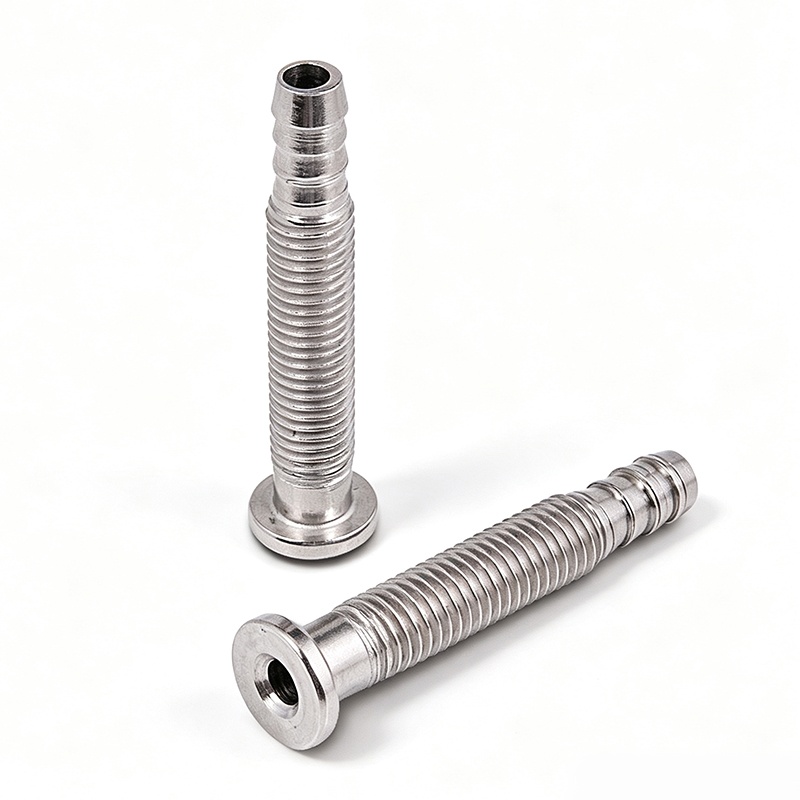 Stainless Steel External Threaded Hollow Multi-Step Connector
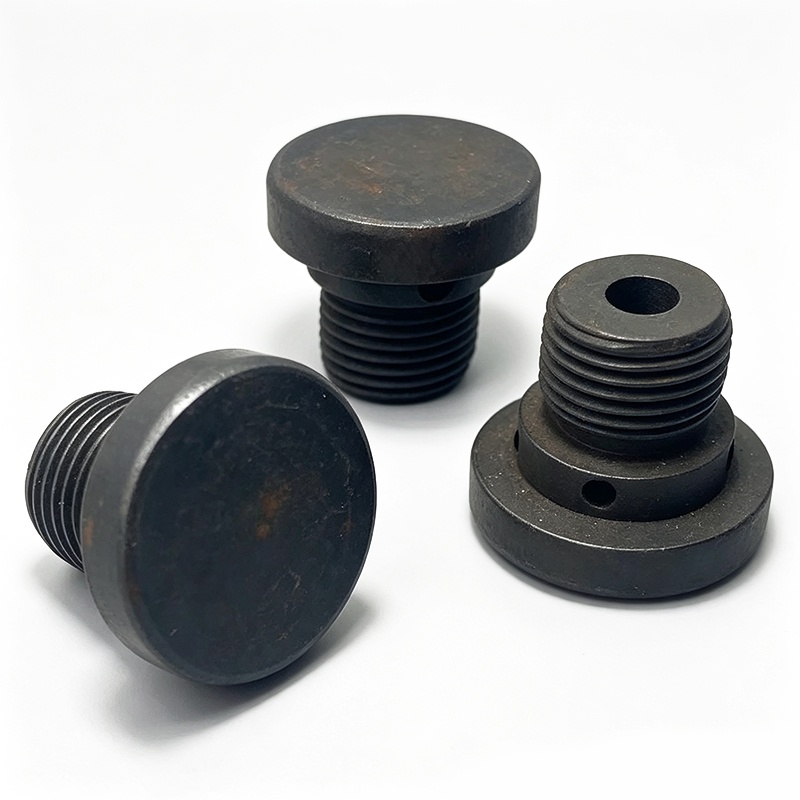 Round Head Hollow Threaded Plugs with Threaded Fasteners for Metal and Machinery
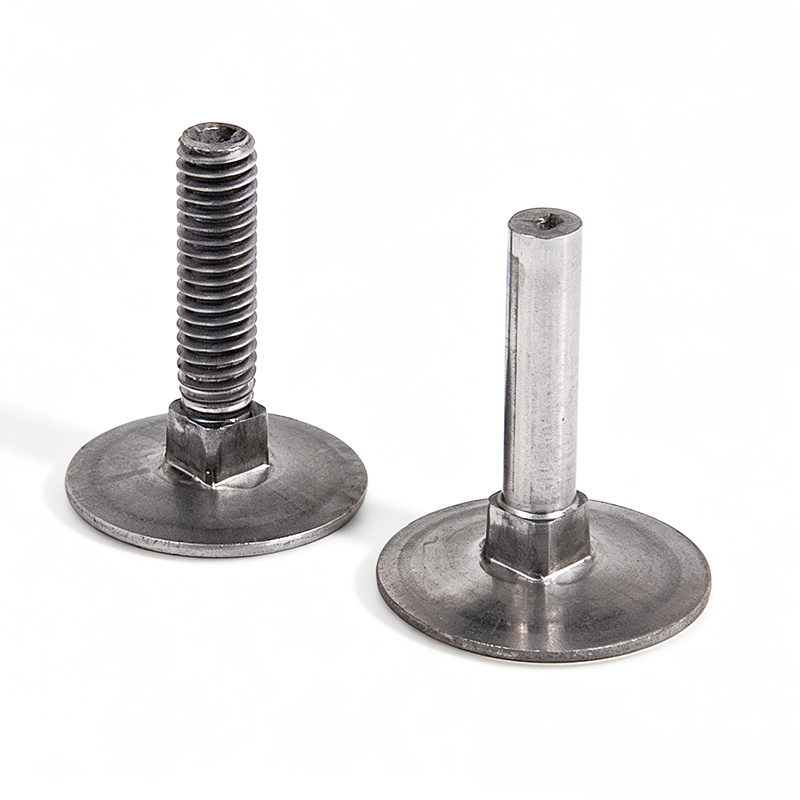 Flat Head Square Neck Adjusting Bolts with Flat Head Fasteners for Furniture and Machinery
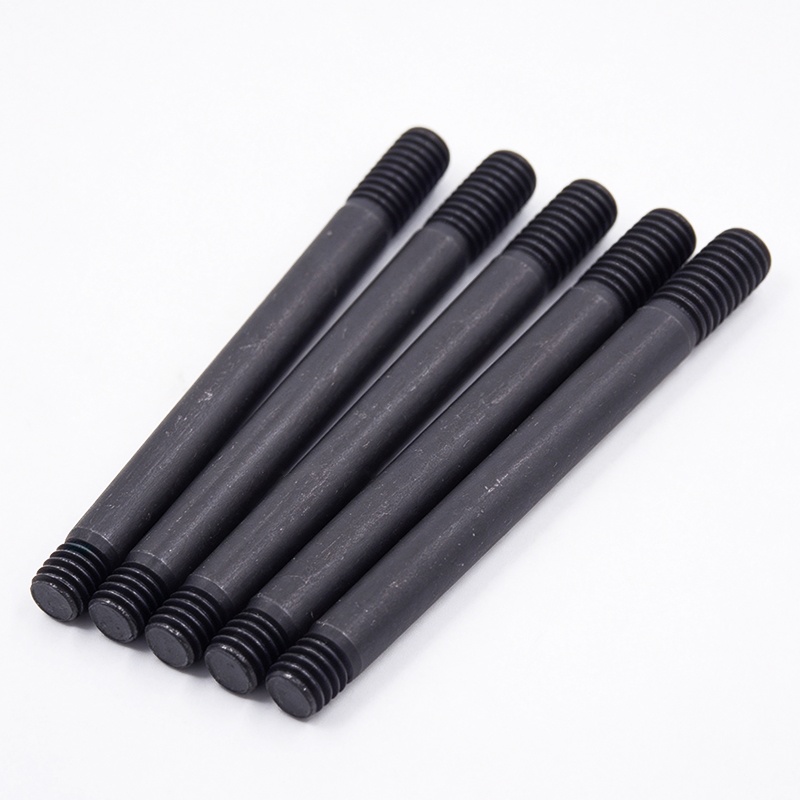 Double Ended Bolts with Threads with Heavy Duty Fasteners for Mechanical Assembly
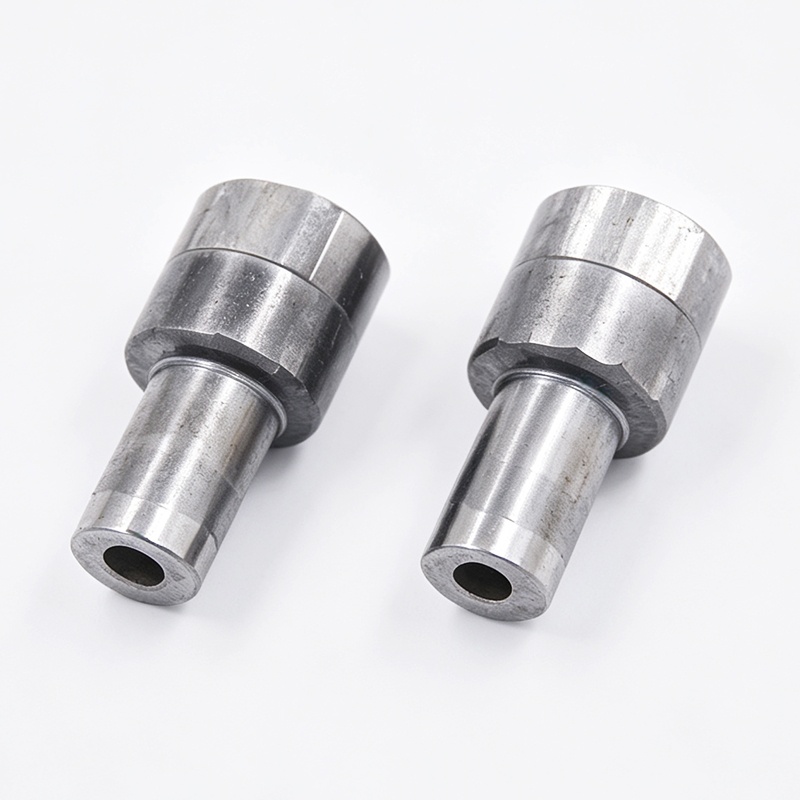 Cold-Bent Stepped Hollow Shaft Sleeve
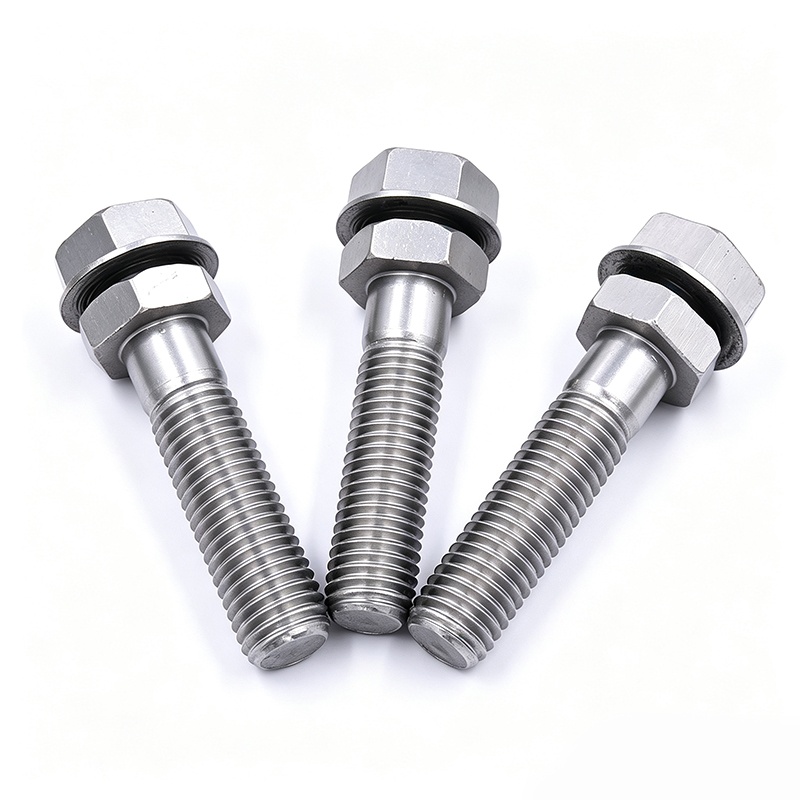 Aluminum Alloy Flange Bolt
Latest News
-
Cold Heading Components: High-performance Fastener Solutions from Wenzhou Riyi Standard Parts Co., Ltd
2026-09-29Cold heading processing shapes metal wire under strong pressure at room temperature without cutting raw materials. Unlike traditional CNC machining, this technology preserves the continuous metal grain flow inside cold heading parts.
-
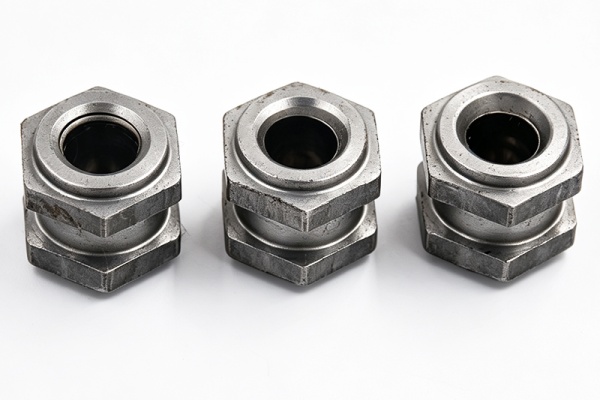
Special-shaped Bolts and Stainless Steel Double-ended Bolts from Wenzhou Riyi Standard Parts Co., Ltd
2026-09-23In modern mechanical manufacturing, construction engineering and equipment assembly, high-quality fasteners are the invisible foundation that guarantees structural safety and product stability.
-
Precision Custom Fasteners from Wenzhou Riyi Standard Parts
2026-09-15Wenzhou Riyi Standard Parts is a reliable Chinese manufacturer focusing on custom non-standard fasteners, located in Wenzhou’s Binhai Economic Zone.
-
Aluminum Alloy Flange Bolts, Ball Head Studs & Dacromet Carriage Bolts – Reliable Fastener Startup Business
2026-09-08Fasteners are essential basic components widely used in machinery, automotive, engineering and equipment assembly industries.