Products


Stainless Steel Non-Standard Double-Ended Screws
Non-standard double-headed screws are an extremely flexible engineering connection element. They refer to fasteners with threads on both ends and a polished rod or special-shaped rod in the middle. However, they do not follow national standard sizes or shapes and need to be specially designed according to specific equipment structures, space restrictions or force requirements. This highly customizable nature makes it the first choice when custom-made screws with special shapes are required.
Send Inquiry
Product Description
Product introduction
Non-standard double-headed screws are an extremely flexible engineering connection element. They refer to fasteners with threads on both ends and a polished rod or special-shaped rod in the middle. However, they do not follow national standard sizes or shapes and need to be specially designed according to specific equipment structures, space restrictions or force requirements. This highly customizable nature makes it the first choice when custom-made screws with special shapes are required. When you need to connect two structural parts and standard bolts are not possible due to length, thread specification or installation method, professional non-standard screw processing services can create this fully adapted solution, such as using high-strength stainless steel special screws to meet the harsh environmental requirements.
Product design and features
Thread design: Double-ended thread: The specifications, rotation direction, and length of the threads at both ends can be customized independently. Usually one end is used to permanently screw into the base body, and the other end is used to install removable parts. Special Threads: Double threads can be machined to increase bite and tightening speed in certain materials.
Rod body design: Polished rod transition: The middle polished rod part can be designed to be thickened, stepped, or with special undercut grooves to meet strength or assembly clearance requirements. Special-shaped rod body: This is the core of special-shaped screw processing. The rod body can be processed into a square shape, with holes, or a specific contour to achieve the functions of anti-rotation, adjustment or torque transmission.
Materials and application fields
Stainless steel: It is the most commonly used stainless steel non-standard screw material. Among them, A2 (304) stainless steel has good comprehensive corrosion resistance; A4 (316) stainless steel contains molybdenum and has stronger corrosion resistance, especially suitable for harsh environments such as chemical industry and ocean. Alloy steel: such as 35CrMoA, 40Cr, etc., which have been quenched and tempered (performance level can reach 8.8 and above), providing extremely high strength and used in heavy-load and high-stress situations. Special materials: Monel alloy, titanium alloy, etc. can also be used according to needs to meet the high temperature resistance, corrosion resistance or biocompatibility requirements of special industries such as aerospace and medical care.
Core application areas: Heavy equipment and machinery: used to install sight glasses, seal seats and other accessories on large equipment (such as reducers, compressors). Structural connection and construction: used to connect structural parts with large thickness (such as steel structures, prefabricated concrete parts), or used as anchor bolts. In the construction sector, there are also double-threaded screws designed for joining wood or thin steel. Pipe flanges and valves: In the petrochemical and chemical industries, they are often used in flange connections that require frequent disassembly and maintenance. Rail transit and automobiles: used for high-strength, high-reliability connections in key parts such as engines and transmission systems. New energy and high-end manufacturing: Provide weather-resistant and reliable long-life connections in wind power, photovoltaic brackets and precision instruments.
Quality control and certification system
Key quality control links: Dimensional and geometric tolerances: Use equipment such as three-dimensional coordinate measuring machines to conduct 100% or high-proportion testing of thread accuracy, pitch, rod diameter, total length, coaxiality, etc. to ensure complete consistency with customer drawings. Materials and mechanical properties: Spectral analysis of raw materials is performed to ensure that the ingredients meet the requirements. Conduct hardness, tensile strength, guaranteed load, etc. tests on finished products. Surface quality and treatment: Check for surface cracks, folds and other defects. Passivation, galvanizing, Dacromet and other treatments are performed as required, and salt spray test reports are provided to verify corrosion resistance.
Related Certifications and Standards: Management System Certification: Reliable manufacturers are usually ISO 9001 quality management system certified, and some may follow the more specialized ISO 16426 (Fastener Quality Assurance System) standard. Industry-specific standards: Products can be produced according to GB (national standard), DIN (German standard), ISO (international standard), etc. In fields such as aviation and automobiles, anti-counterfeiting and reliability standards such as SAE AS 6832 will also be followed. Material certification: Material certificates are available, and for critical applications, traceable to each batch of raw materials.
Customized services
Full parameter customization: All parameters such as total length, specifications/length/rotation of threads at both ends, rod diameter and shape, head form (if required), performance level, etc. can be customized. Special function integration: pin holes can be processed and flat bits can be milled on the rod; shock-absorbing sleeves (such as some patented designs) can be integrated to reduce noise and vibration; or anti-theft and anti-tampering structures can be designed. Small batches and rapid prototyping: Professional suppliers can undertake orders from small batch trial production to large-scale production, and provide rapid prototyping services to speed up your R&D verification process. Technical collaborative design: Experienced engineers can participate in the early stage of your design and provide professional advice on the structural rationality, process feasibility and cost optimization of customized non-standard screws.
FAQ
Q: What are non-standard double-headed screws? How is it different from a standard stud (stud)?
A: Non-standard double-headed screws refer to fasteners that have threads on both ends, but the size, specification, material or shape of the intermediate rod do not fully comply with public standards such as national standards and international standards. It requires special design and non-standard screw processing according to the specific space, force or functional requirements of the equipment. Standard stud bolts have a fixed size series and can be purchased directly from the market. When standard parts cannot meet your special connection needs, custom non-standard screws are your solution.
Q: How to evaluate and choose a reliable customization supplier?
A: Examine whether it has core capabilities in non-standard screw processing, such as CNC turning and milling combined processing, precision grinding, heat treatment and other equipment and processes, as well as experience in processing special-shaped screws.
Q: What information and technical data are usually required to customize non-standard double-headed screws?
A: Clear drawings, material and performance requirements, surface treatment requirements, application scenarios, quantity and packaging
Send Inquiry
Related Products
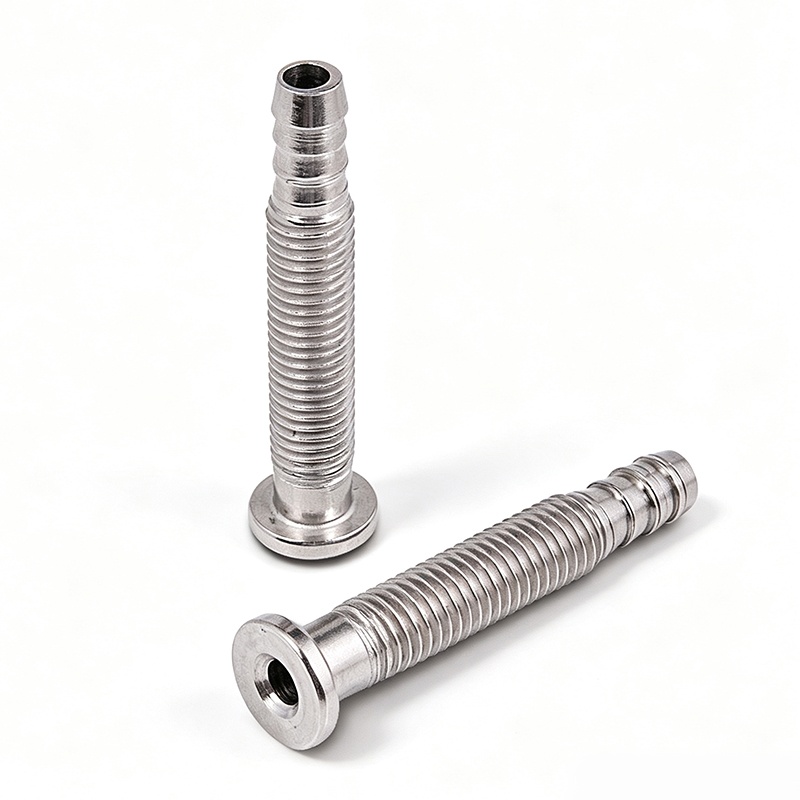 Stainless Steel External Threaded Hollow Multi-Step Connector
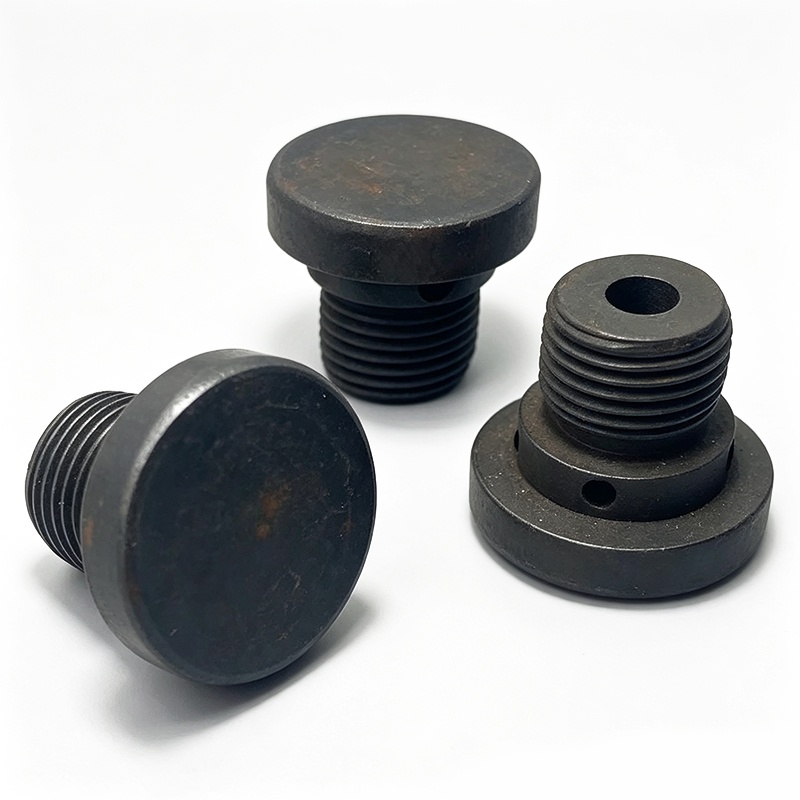 Round Head Hollow Threaded Plugs with Threaded Fasteners for Metal and Machinery
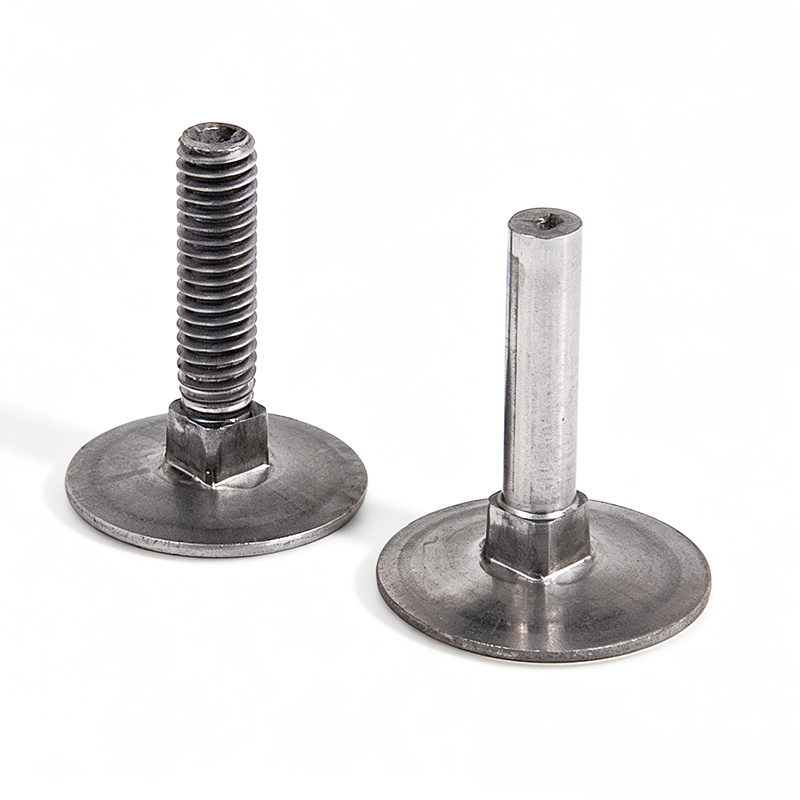 Flat Head Square Neck Adjusting Bolts with Flat Head Fasteners for Furniture and Machinery
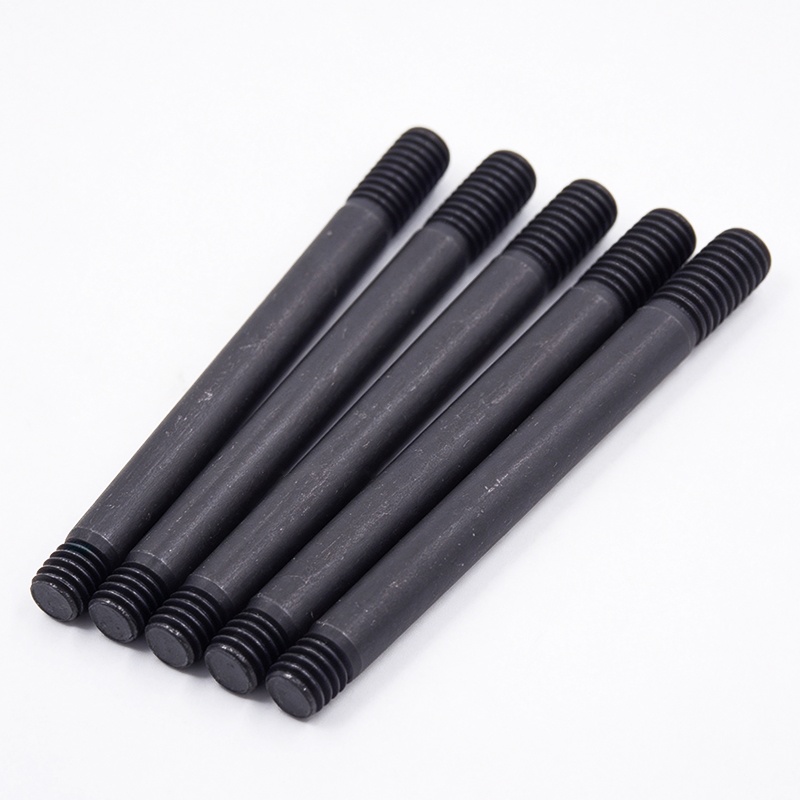 Double Ended Bolts with Threads with Heavy Duty Fasteners for Mechanical Assembly
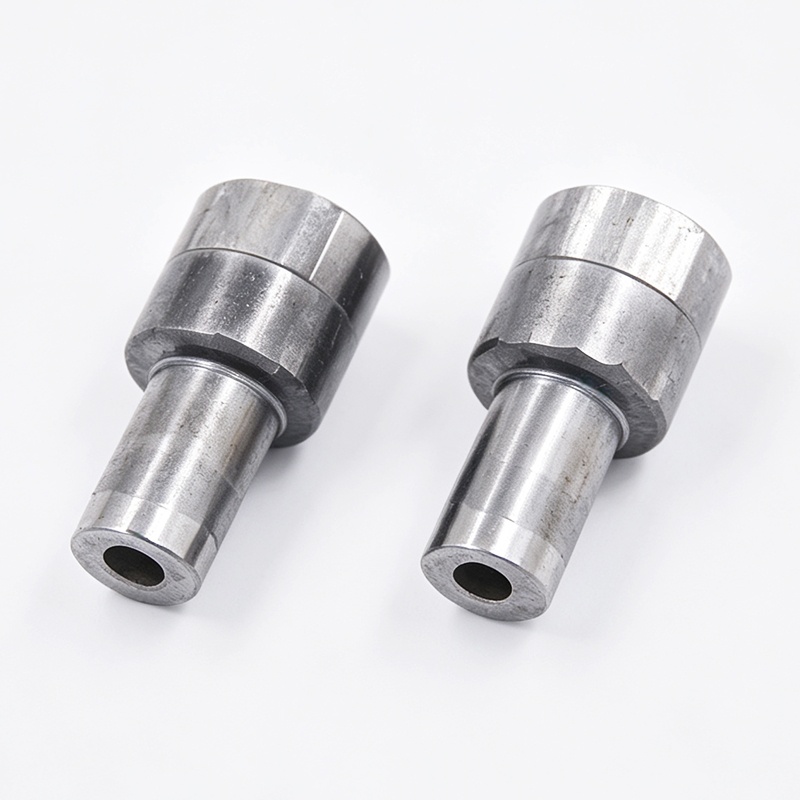 Cold-Bent Stepped Hollow Shaft Sleeve
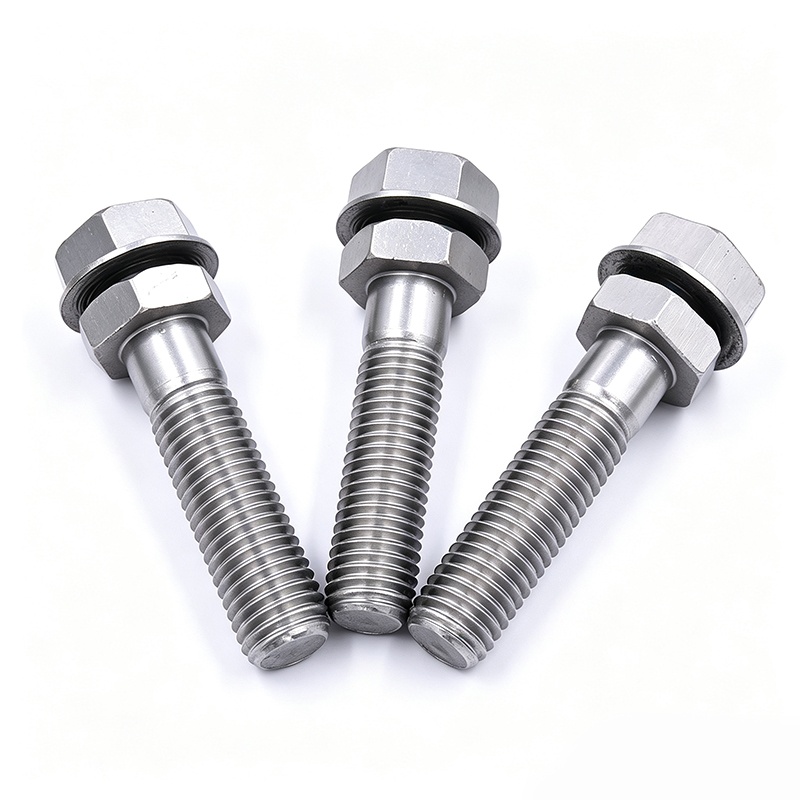 Aluminum Alloy Flange Bolt
Latest News
-
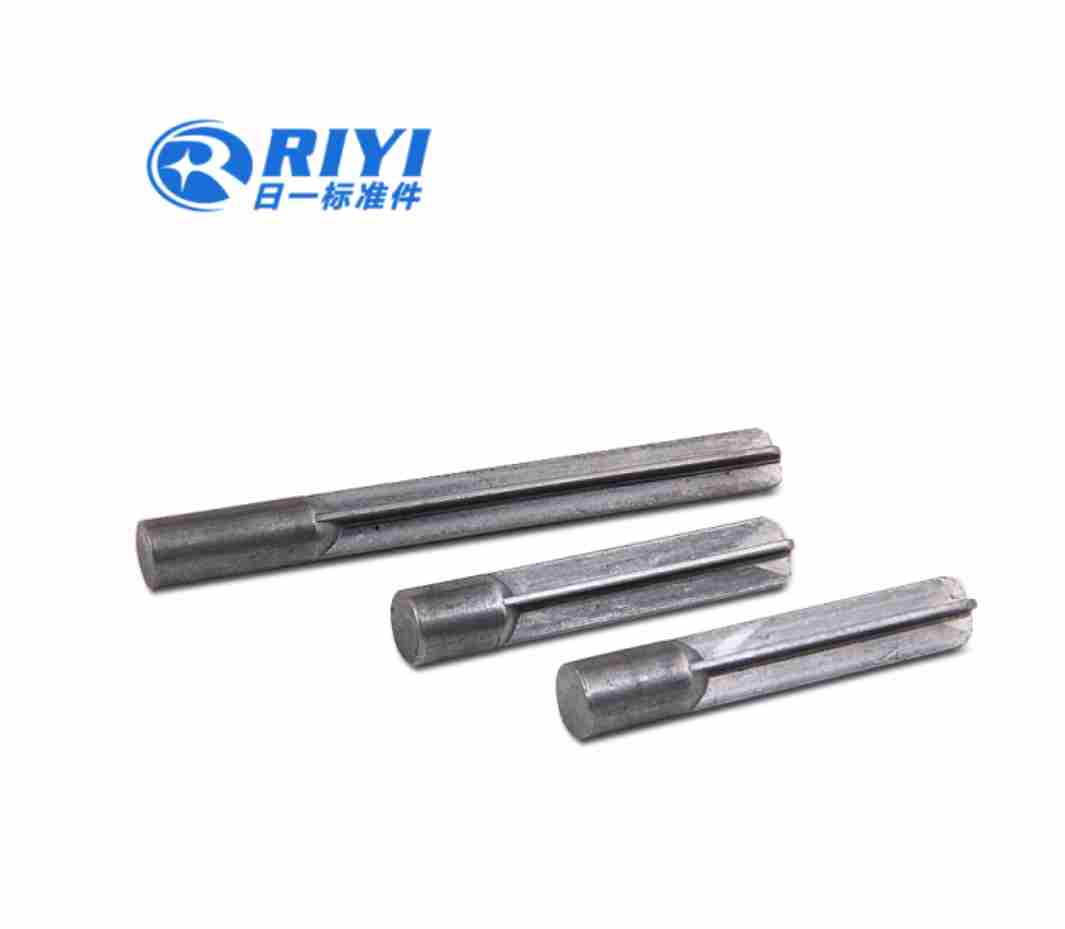
Cold Heading Components: High-performance Fastener Solutions from Wenzhou Riyi Standard Parts Co., Ltd
2026-09-29Cold heading processing shapes metal wire under strong pressure at room temperature without cutting raw materials. Unlike traditional CNC machining, this technology preserves the continuous metal grain flow inside cold heading parts.
-
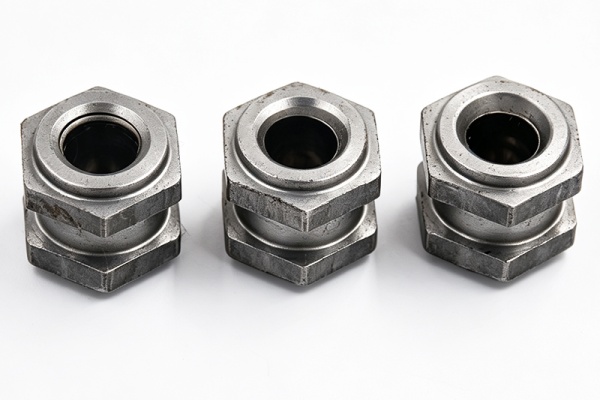
Special-shaped Bolts and Stainless Steel Double-ended Bolts from Wenzhou Riyi Standard Parts Co., Ltd
2026-09-23In modern mechanical manufacturing, construction engineering and equipment assembly, high-quality fasteners are the invisible foundation that guarantees structural safety and product stability.
-
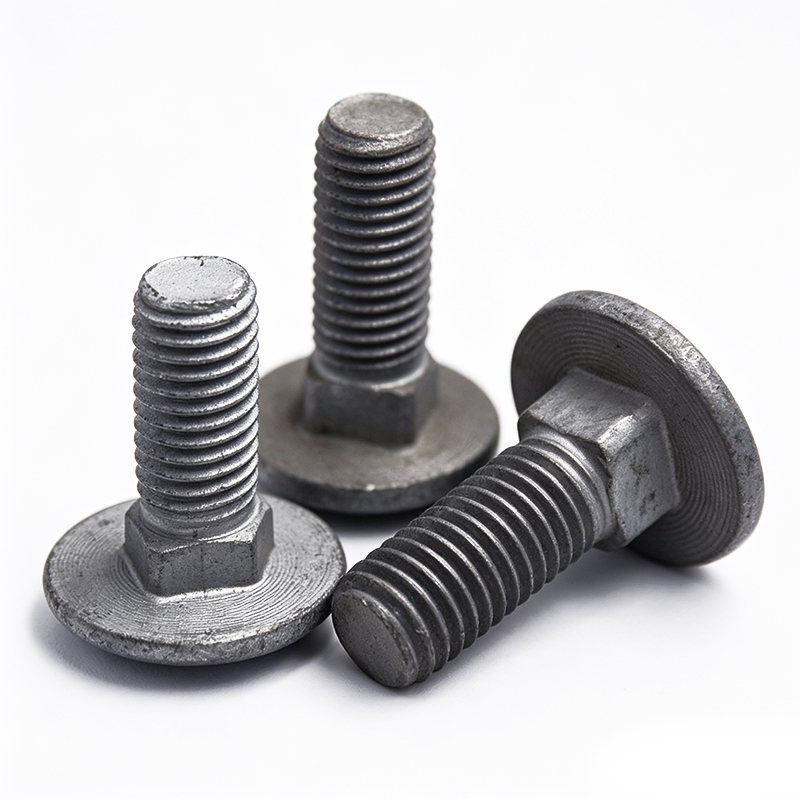
Precision Custom Fasteners from Wenzhou Riyi Standard Parts
2026-09-15Wenzhou Riyi Standard Parts is a reliable Chinese manufacturer focusing on custom non-standard fasteners, located in Wenzhou’s Binhai Economic Zone.
-
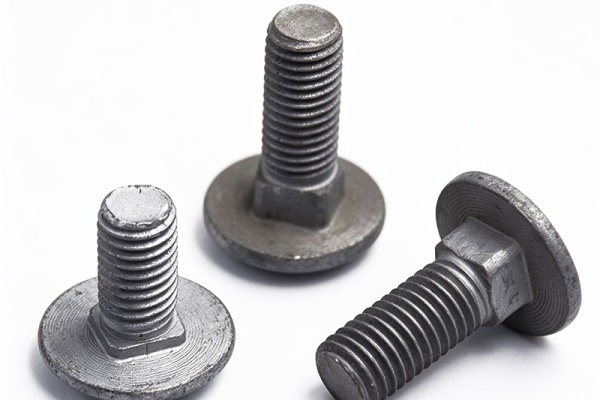
Aluminum Alloy Flange Bolts, Ball Head Studs & Dacromet Carriage Bolts – Reliable Fastener Startup Business
2026-09-08Fasteners are essential basic components widely used in machinery, automotive, engineering and equipment assembly industries.