Products


Hexagon Socket Red Copper Screw
The external hexagonal copper screw is a mechanical fastener made of pure copper (i.e. pure copper T2) and uses a standard external hexagonal head design. Its head is in the shape of a hexagonal column, and can be tightened with high torque using a standard wrench or socket.
Send Inquiry
Product Description
Product introduction
The external hexagonal copper screw is a mechanical fastener made of pure copper (i.e. pure copper T2) and uses a standard external hexagonal head design. Its head is in the shape of a hexagonal column, and can be tightened with high torque using a standard wrench or socket. This product is mainly used in non-ferrous environments that have special requirements for electrical conductivity, thermal conductivity and corrosion resistance. Due to the excellent electrical and thermal conductivity of copper, it is often used in key parts such as the ground connection of power and electrical equipment, the fixation of conductive busbars, and the assembly of radiators to ensure stable electrical connections and efficient heat conduction. At the same time, its excellent resistance to corrosion by atmosphere, seawater and various non-oxidizing acids also makes it suitable for shipbuilding, chemical pipeline flanges and instrument installation in certain specific corrosive environments. As a fastener, it not only provides reliable mechanical connection, but also meets the stringent requirements for the physical and chemical properties of materials under specific working conditions. It is an indispensable special component in electrical, thermal and special anti-corrosion assemblies.
Product features
Excellent physical and chemical properties
Its most remarkable feature is the excellent performance given by the copper material itself. It has excellent electrical and thermal conductivity, much better than ordinary steel or stainless steel screws, and can effectively establish low-impedance electrical paths and efficient heat transfer paths. At the same time, red copper has outstanding corrosion resistance, especially resistant to erosion by the atmosphere, seawater, various non-oxidizing acids and salt solutions, and performs stably in specific corrosive environments.
Reliable engineering structure design
The standard external hexagonal head design provides a reliable focus point for installation. Conventional wrenches or socket tools can be used for tightening. It can withstand large tightening torque and ensure the firmness of the connection. As a non-magnetic material, it is irreplaceable in precision instruments, electronics or medical equipment where magnetic field interference needs to be avoided.
Unique process and adaptability
Through cold heading or machining processes, specifications that meet different strength requirements can be manufactured. Its surface usually retains the original color of copper or can be passivated, and the color is easy to identify. These features make it a key connector for functionality and reliability in electrical grounding, conductive connections, heat dissipation assembly, and specific corrosion-resistant environments.
Product application
1. Power electrical and grounding systems This is its core application field. It is commonly used for grounding terminal connections of electrical equipment, fixing of conductive busbars, and internal connections of transformers and switch cabinets. Its excellent electrical conductivity ensures low-resistance passage of current, and the external hexagonal head shape facilitates the application of sufficient torque to achieve a solid electrical connection and ensure system safety.
2. Shipbuilding and marine engineering It is widely used in ship pipeline flange connections, seawater desalination equipment and instrument fixation on offshore platforms. Copper has excellent seawater corrosion resistance, can effectively resist salt spray environments, prevent rust, and ensure long-term reliability in harsh marine environments.
3. Chemical industry and anti-corrosion equipment: Used for flange fastening of pipelines, valves and reactors involving non-strongly oxidizing corrosive media such as weak acids and organic solvents. It can avoid the risk of leakage caused by screw corrosion and is one of the key components for the maintenance safety of chemical equipment.
4. Cooling and heat exchange systems are commonly found in the assembly of high-performance radiators, heat exchangers and refrigeration equipment. The high thermal conductivity of copper helps heat to be quickly transferred from the heating components to the heat sink, improving the overall heat dissipation efficiency. Its outer hexagonal design facilitates installation and maintenance in a compact space.
5. Precision instruments and non-magnetic environment Because it is completely non-magnetic, it is an indispensable fastener in devices sensitive to magnetic field interference such as the periphery of MRI magnetic resonance imaging equipment, precision electronic measuring instruments and navigation compasses, which can avoid the introduction of any magnetization interference.
FAQ
Q: What is the mechanical strength of copper screws? How does it compare to steel screws?
A: The mechanical strength (especially tensile strength) of red copper is significantly lower than ordinary carbon steel or stainless steel screws. It is a soft non-ferrous metal. When tightening, you need to pay attention to controlling the torque to prevent slippage or thread damage. Therefore, it is not suitable for main load-bearing parts that bear high structural loads or strong vibration impacts. Its core value lies in its special physical and chemical properties (electrical conductivity, thermal conductivity, corrosion resistance, non-magnetic).
Q: In which corrosive environments do copper screws perform well? What situations should be avoided?
A: Red copper shows good corrosion resistance in the atmosphere, fresh water, sea water and non-oxidizing acid (such as hydrochloric acid, acetic acid) environment. However, it is not suitable for use in strongly oxidizing environments, such as contact with ammonia, sulfides, nitric acid or highly oxidizing acidic salt solutions, which may cause stress corrosion cracking or rapid corrosion.
Q: Can this screw be disassembled and used repeatedly?
A: Yes, but you need to be very cautious. Since copper is relatively soft, its threads and external hexagonal corners are prone to wear, deformation or "slippage" after repeated disassembly and re-tightening. It is recommended to control the number of disassemblies in key parts, check the thread status when reinstalling, and replace if necessary. For occasions with frequent disassembly, its suitability should be evaluated.
Send Inquiry
Related Products
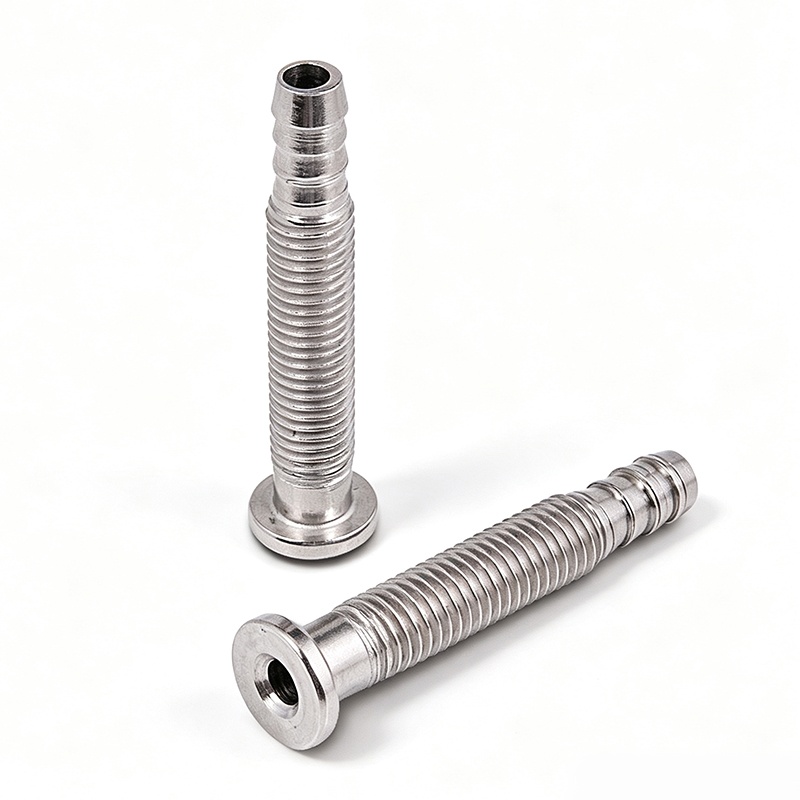 Stainless Steel External Threaded Hollow Multi-Step Connector
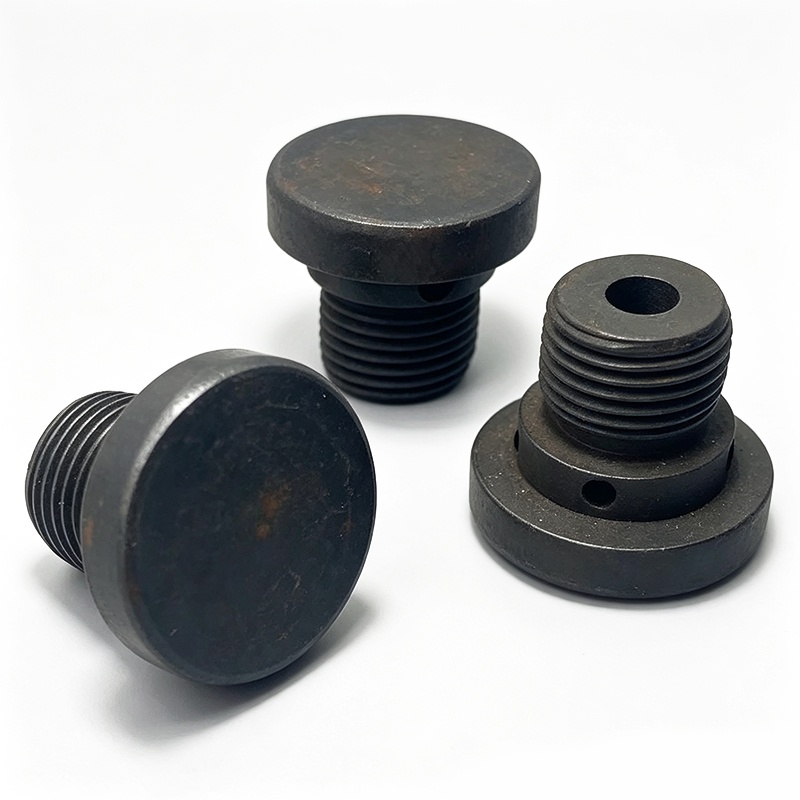 Round Head Hollow Threaded Plugs with Threaded Fasteners for Metal and Machinery
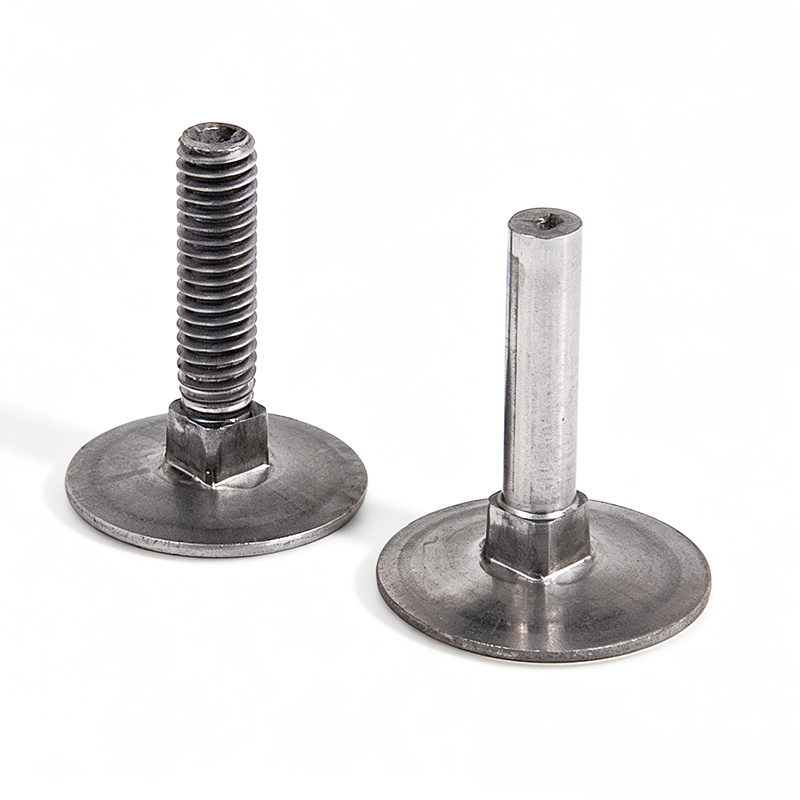 Flat Head Square Neck Adjusting Bolts with Flat Head Fasteners for Furniture and Machinery
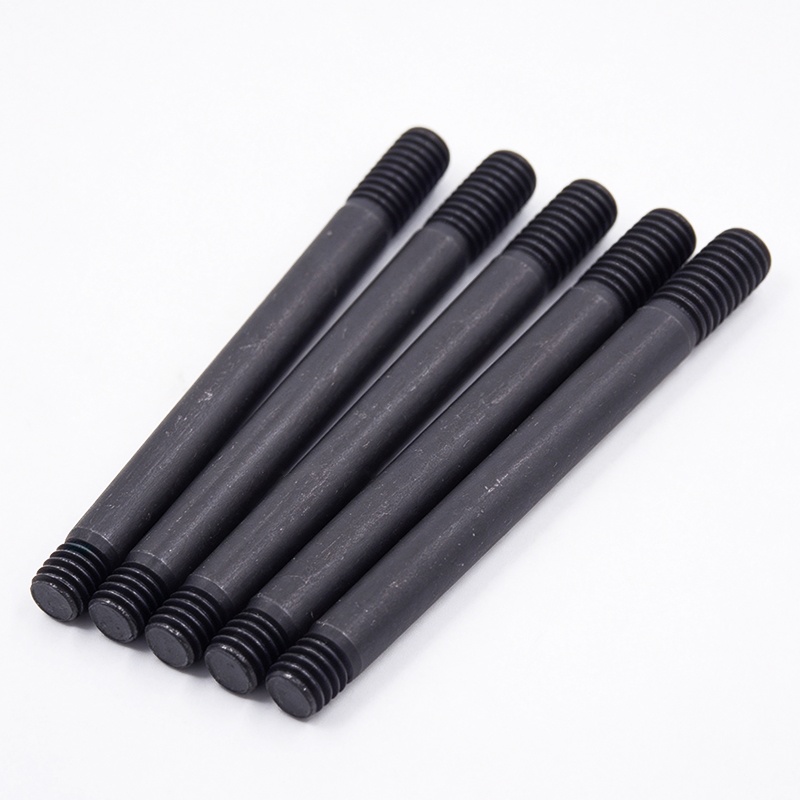 Double Ended Bolts with Threads with Heavy Duty Fasteners for Mechanical Assembly
 Cold-Bent Stepped Hollow Shaft Sleeve
 Aluminum Alloy Flange Bolt
Latest News
-
Cold Heading Components: High-performance Fastener Solutions from Wenzhou Riyi Standard Parts Co., Ltd
2026-09-29Cold heading processing shapes metal wire under strong pressure at room temperature without cutting raw materials. Unlike traditional CNC machining, this technology preserves the continuous metal grain flow inside cold heading parts.
-
Special-shaped Bolts and Stainless Steel Double-ended Bolts from Wenzhou Riyi Standard Parts Co., Ltd
2026-09-23In modern mechanical manufacturing, construction engineering and equipment assembly, high-quality fasteners are the invisible foundation that guarantees structural safety and product stability.
-
Precision Custom Fasteners from Wenzhou Riyi Standard Parts
2026-09-15Wenzhou Riyi Standard Parts is a reliable Chinese manufacturer focusing on custom non-standard fasteners, located in Wenzhou’s Binhai Economic Zone.
-
Aluminum Alloy Flange Bolts, Ball Head Studs & Dacromet Carriage Bolts – Reliable Fastener Startup Business
2026-09-08Fasteners are essential basic components widely used in machinery, automotive, engineering and equipment assembly industries.