Products


Carbon Steel Butterfly Screw
Carbon steel butterfly screws, also known as butterfly bolts or thumb screws, are one-piece manual fasteners that combine the "butterfly wing" design of the nut with the "screw" function of the bolt.
Send Inquiry
Product Description
Product introduction
Carbon steel butterfly screws, also known as butterfly bolts or thumb screws, are one-piece manual fasteners that combine the "butterfly wing" design of the nut with the "screw" function of the bolt. The essence of its design lies in the symmetrical and protruding "butterfly wing" lugs on both sides of the bolt head, which allows users to quickly tighten, remove or repeatedly adjust it with just their fingers without any tools. It is a typical easy-to-operate product among non-standard fasteners and is a bridge connecting standard parts and special needs. Compared with the carbon steel wing nut introduced in the previous article (which needs to be used with bolts), the wing screw is an independent fastener with its own thread, which is more direct and convenient to use. It is mainly used in situations that require frequent manual operation, quick disassembly and assembly, and do not require high torque, such as panel covers of mechanical equipment, instrument casings, furniture assembly, exhibition stands, etc.
Product design and features
Integrated wing-shaped head: The head is in the shape of a butterfly wing, which is ergonomic and provides a comfortable fingertip force surface. This is its most notable feature, designed to maximize the convenience of manual operation.
Various thread designs:
Thread type: Usually metric coarse thread (such as M4, M6, M8, etc.), inch or fine thread can also be customized.
Thread form: It can be a fully threaded screw, or it can be designed as a partial thread (the polished rod part is used for guidance or positioning).
Molding process:
Cold heading forming: suitable for large-scale production of standard sizes, with high efficiency and low cost. It is the preferred process for most non-standard fastener factories.
Machining and forming: Customized non-standard screws with small batches, special-shaped structures or special head requirements are usually processed with CNC lathes or milling machines, which is extremely flexible.
Surface treatment: In order to make up for the weakness of carbon steel that is easy to rust, standard products will be surface treated to improve corrosion resistance and aesthetics. Common treatment methods include: galvanizing (blue and white zinc, colored zinc), blackening, nickel plating, Dacromet, etc.
Materials and application areas
Core material: mainly carbon steel (such as low carbon steel A3, medium carbon steel 45#). Carbon steel offers good strength and workability and is cost-effective. Some customized non-standard fasteners with special requirements for strength will also use alloy steel (such as 40Cr) and undergo heat treatment.
Main application areas:
Equipment chassis and panels: widely used for fixing covers of industrial control cabinets, server cabinets, instruments and meters that need to be frequently opened for maintenance.
Furniture and woodworking: Ideal for DIY furniture, detachable connectors, exhibition stand construction and other scenarios.
Textile and packaging machinery: used for quick fixing of components or protective covers that require frequent tension adjustment.
General Repair and Fixing: Widely used for its tool-free nature in repairs, temporary fixings or connections to low load-bearing structures.
Quality control and certification system
Professional non-standard screw factories will establish a complete quality control system to ensure product performance. Key inspection and control links include: Dimensions and thread accuracy: Use tools such as projectors and thread pass-and-stop gauges to ensure that key dimensions such as screw diameter, butterfly wing size, and thread accuracy (usually 6g level) meet the drawing requirements.
Mechanical performance testing: According to relevant standards (such as GB/T 3098.1 mechanical performance requirements for bolts), the material is subjected to hardness testing (such as Rockwell hardness HRC), guaranteed load testing, etc., to ensure its load-bearing capacity.
Surface treatment quality: Use a salt spray test (such as neutral salt spray test NSS) to evaluate whether the corrosion resistance of the plating or coating reaches the agreed number of hours (such as 72 hours, 240 hours white rust).
Rotation torque test (optional): For customized non-standard screws with clear manual tightening/loosening feel requirements, the rotation torque of the butterfly wing can be tested to ensure smooth and effortless operation.
Certification system: Factories usually hold ISO 9001 quality management system certification. The product itself can be produced and inspected according to customer requirements, in compliance with or with reference to national standards (GB), German standards (DIN), American standards (ANSI/ASME) and other standards.
Customized services
When standard products cannot meet demand, professional manufacturers provide in-depth customized non-standard fastener services. The customization range of butterfly screws is very wide: size specifications, head shape, material upgrades, special functions, surface treatment, etc. The entire process usually includes: demand communication → solution design and quotation → sample production and confirmation → mass production. Professional non-standard fastener factories have full-process capabilities from design support to production and manufacturing.
FAQ
Q: Can butterfly screws replace ordinary bolts that require a wrench to be tightened?
A: It needs to be carefully evaluated. The main advantage of butterfly screws is manual fastness, but the pretightening force (torque) that can be achieved by manual tightening is limited. It is suitable for non-critical, low-load, connections that require frequent operations. For applications that are subject to important structural forces, high vibrations or have high sealing requirements, bolts tightened with standard wrenches must be used.
Q: What is the minimum order quantity (MOQ) and delivery time for customizing a batch of special butterfly screws?
A: It depends on the process complexity and materials. For machined custom non-standard screws, the MOQ may be as low as a few hundred pieces; for cold heading parts, more than a few thousand pieces are usually required to spread out the cost of the mold. The delivery time is calculated from receipt of confirmed drawings. Generally, it takes 1-2 weeks for samples and 3-6 weeks for mass production.
Q: If my design is very complex, can it be realized with existing processes?
A: Usually yes. Professional customized non-standard fastener service providers have the capabilities of cold heading, turning, milling, and even combined processing. As long as you can provide clear design drawings or samples, engineers will evaluate and recommend the optimal (both performance and cost) manufacturing process solution to realize your design.
Send Inquiry
Related Products
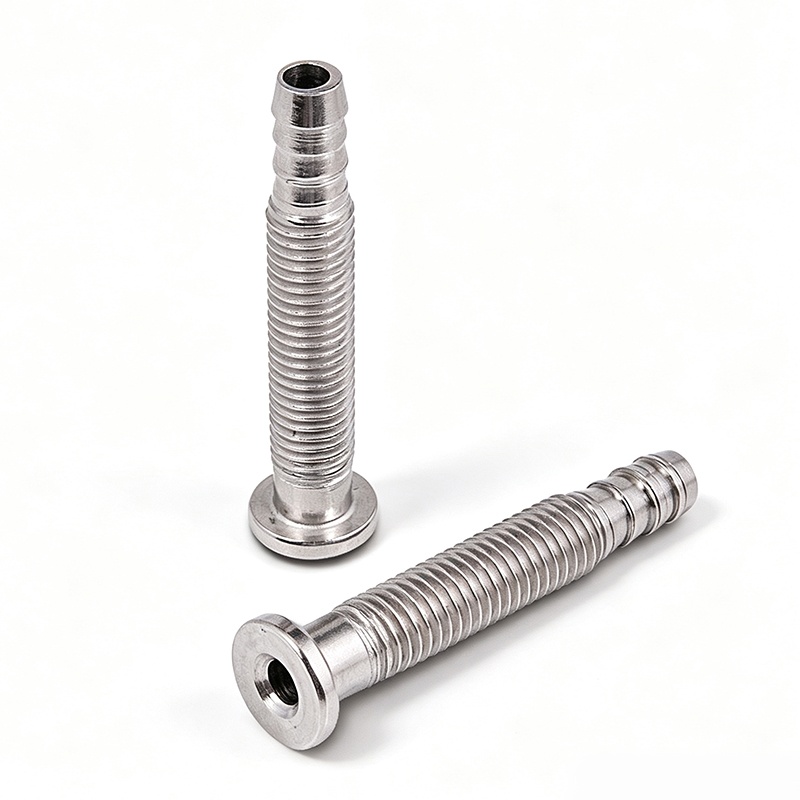 Stainless Steel External Threaded Hollow Multi-Step Connector
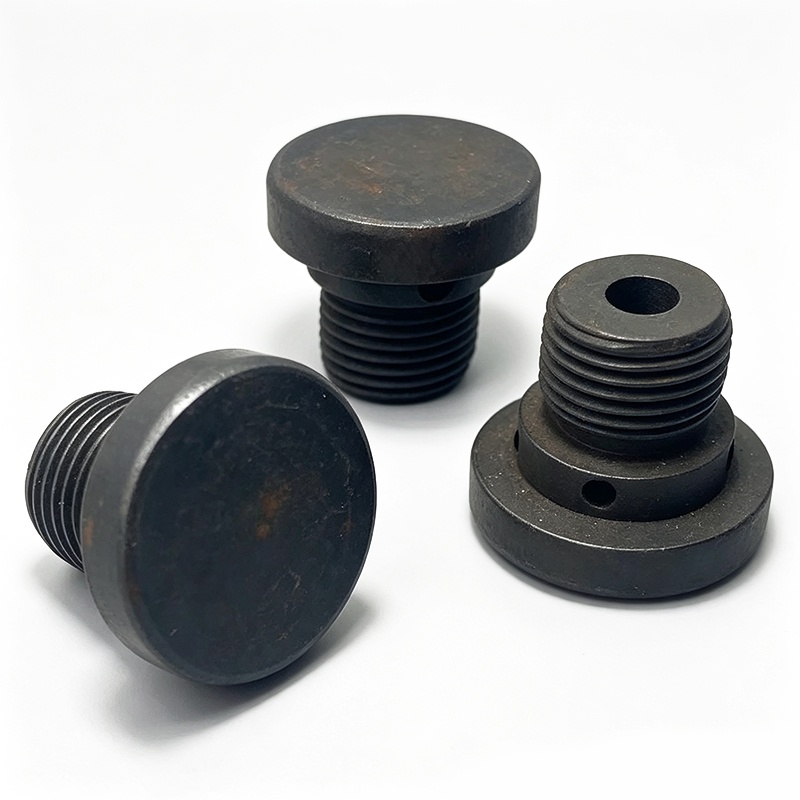 Round Head Hollow Threaded Plugs with Threaded Fasteners for Metal and Machinery
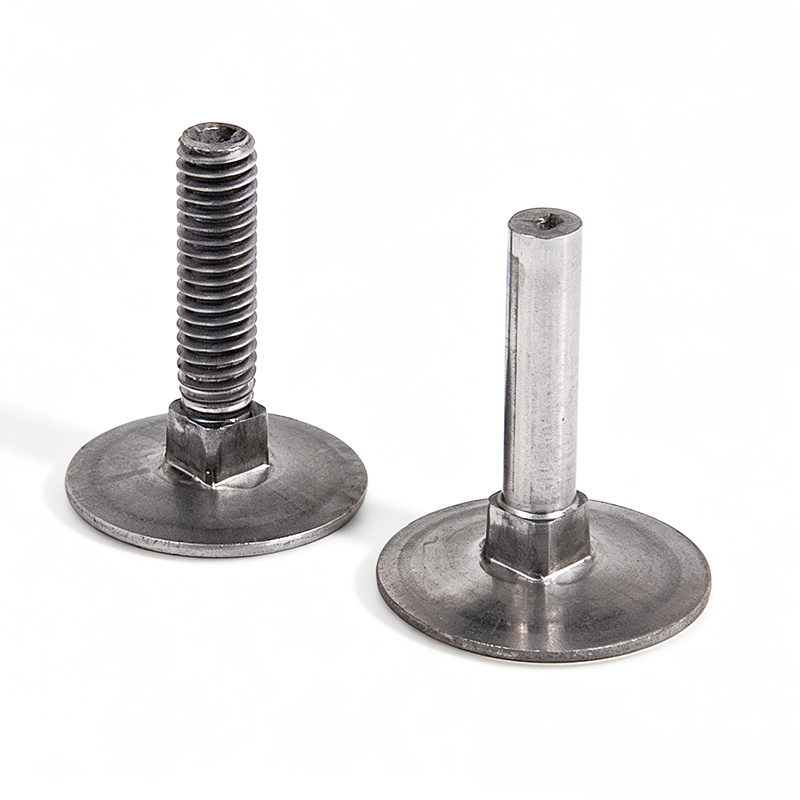 Flat Head Square Neck Adjusting Bolts with Flat Head Fasteners for Furniture and Machinery
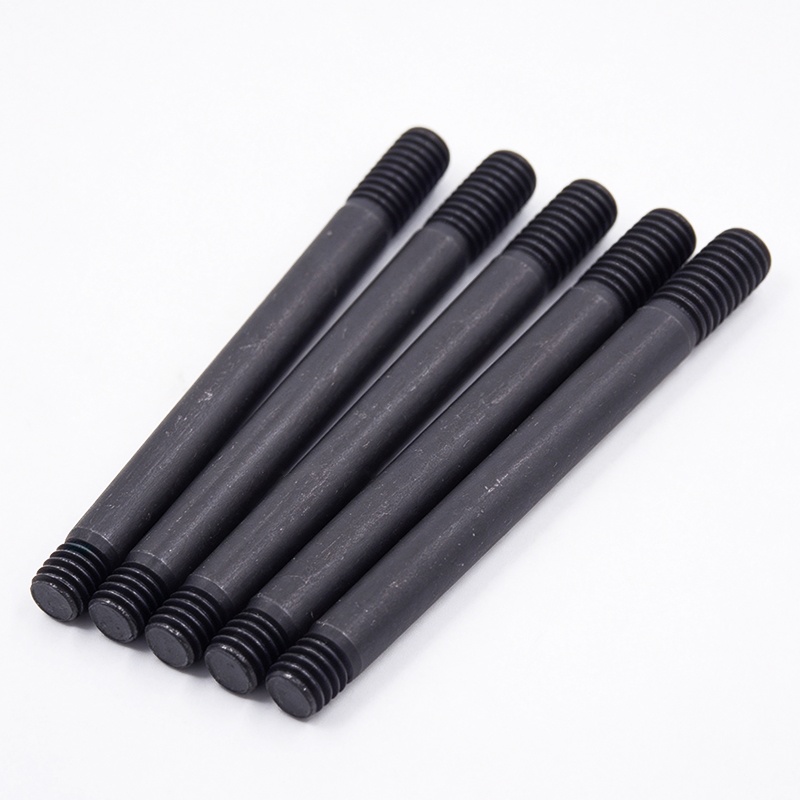 Double Ended Bolts with Threads with Heavy Duty Fasteners for Mechanical Assembly
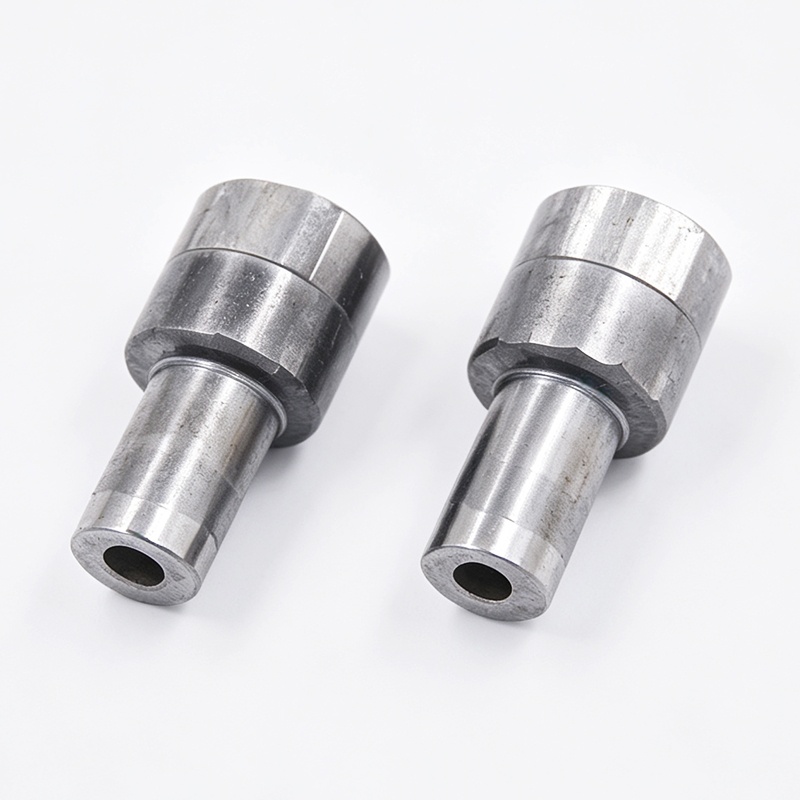 Cold-Bent Stepped Hollow Shaft Sleeve
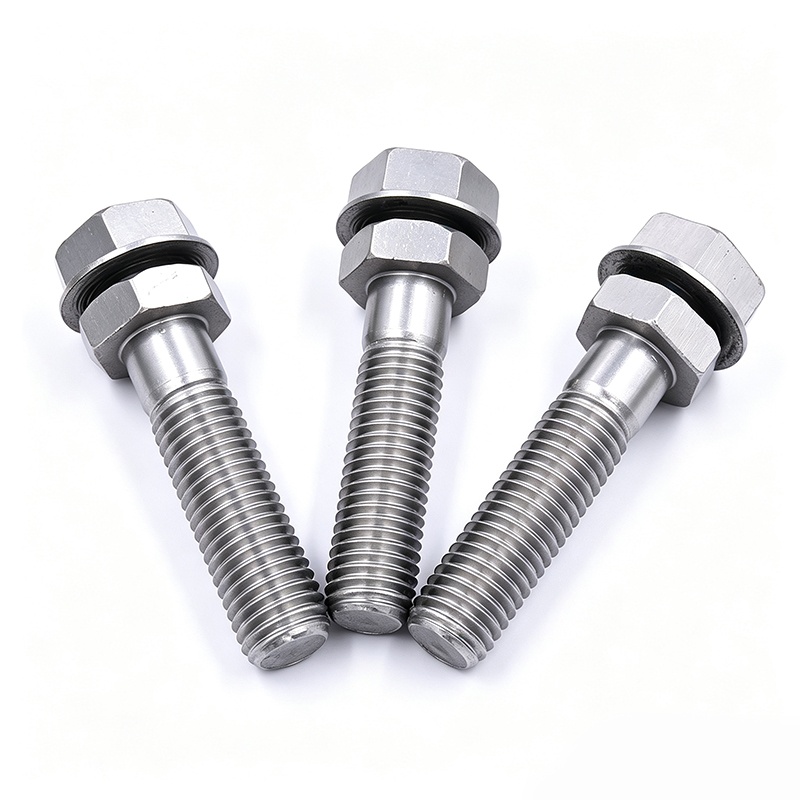 Aluminum Alloy Flange Bolt
Latest News
-
Cold Heading Components: High-performance Fastener Solutions from Wenzhou Riyi Standard Parts Co., Ltd
2026-09-29Cold heading processing shapes metal wire under strong pressure at room temperature without cutting raw materials. Unlike traditional CNC machining, this technology preserves the continuous metal grain flow inside cold heading parts.
-
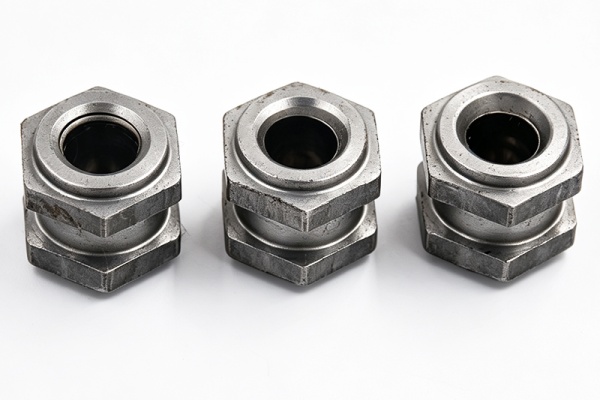
Special-shaped Bolts and Stainless Steel Double-ended Bolts from Wenzhou Riyi Standard Parts Co., Ltd
2026-09-23In modern mechanical manufacturing, construction engineering and equipment assembly, high-quality fasteners are the invisible foundation that guarantees structural safety and product stability.
-
Precision Custom Fasteners from Wenzhou Riyi Standard Parts
2026-09-15Wenzhou Riyi Standard Parts is a reliable Chinese manufacturer focusing on custom non-standard fasteners, located in Wenzhou’s Binhai Economic Zone.
-
Aluminum Alloy Flange Bolts, Ball Head Studs & Dacromet Carriage Bolts – Reliable Fastener Startup Business
2026-09-08Fasteners are essential basic components widely used in machinery, automotive, engineering and equipment assembly industries.