Products


Bronze Cylindrical Head Hex Socket Screw
Brass cylindrical head hexagonal socket screw is a mechanical connector made of brass. The head is cylindrical and has a hexagonal socket hole on the top. It is suitable for occasions that require higher assembly accuracy.
Send Inquiry
Product Description
Product introduction
Brass cylindrical head hexagonal socket screw is a mechanical connector made of brass. The head is cylindrical and has a hexagonal socket hole on the top. It is suitable for occasions that require higher assembly accuracy. Compared with ordinary carbon steel or stainless steel screws, brass has excellent electrical conductivity, corrosion resistance and certain decorative effects. This product is commonly used in electronic equipment, instrumentation, decoration engineering and some industrial environments that are sensitive to magnetism and sparks. In practical applications, this screw can also be used as a non-standard fastener. For example, when the standard length or thread specification cannot meet the special structural design, it can be customized by adjusting the head height, thread length or internal hexagon depth. In addition, in some situations where a special-shaped head is required to be combined with a cylindrical head, it can also evolve into a special-shaped fastener, such as a modified product with a knurled or flange surface on the head.
Product design and features
Design points:
Head shape: cylindrical head design, flat appearance, suitable for sunken or semi- sunken installation surface.
Inner hexagonal drive: uses hexagonal holes to transmit torque to avoid slipping and is suitable for fastening operations in limited spaces.
Thread form: usually full thread or partial thread, which can match the connected parts of different thicknesses.
Product features
Anti-rust and anti-corrosion: Brass itself has strong oxidation resistance and does not require additional plating.
Non-magnetic: suitable for magnetically sensitive environments such as MRI equipment and precision electronic instruments.
Good electrical and thermal conductivity: can be used as a grounding connection.
Aesthetics: Golden yellow appearance, often used for decorative fastening of visible parts.
Materials and application areas
Material: Commonly used grades: H59, H62, C3604 and other brass. Optional treatments: polished, nickel-plated, chrome-plated or passivated to further improve corrosion resistance or change appearance.
Application areas
Electronic and electrical: terminal blocks, switches, sockets.
Instrumentation: precision adjustment mechanism, fixed shell.
Furniture and decoration: handles, hinges, lamps.
Special industrial equipment: explosion-proof environment, non-sparking tools.
Quality control and certification system
Quality Control:
Dimensional inspection: Use an optical screening machine or thread gauge to ensure that the hexagonal alignment, depth, and thread accuracy comply with the drawings.
Mechanical properties: Perform torque test, hardness test (usually HB or HV).
Corrosion resistance test: salt spray test (if coating is required).
Material analysis: Spectrometer detects copper, zinc and impurity content.
Certification system:
Process control can be carried out according to the ISO 9001 system.
For export products, RoHS and REACH environmental certifications can be provided.
When used for non-standard part development, PPAP (Production Part Approval Process) level submission can be performed.
Customized services
Size customization: non-standard length, non-standard thread (such as British, American, fine or special pitch).
Head modification: cylindrical head with flange, knurled cylindrical head, semi-countersunk cylindrical head and other special shape fasteners.
Driving method change: inner hexagon socket is changed to plum blossom slot, cross slot or slot.
Assembly: equipped with elastic pads, flat pads or pre-coated anti-loosening glue.
Batch form: small batch proofing or large batch cold heading non-standard parts production, and multi-station cold heading molds can be developed according to drawings.
FAQ
Q: Can brass cylindrical head hex socket screws replace stainless steel screws for outdoor use?
A: The atmospheric corrosion resistance of brass is worse than ordinary carbon steel, but not as good as 304 stainless steel. In strong acid, strong alkali or marine climate environments, it is recommended to choose stainless steel or special copper alloy.
Q: Are these screws suitable for automotive parts fasteners?
A: Yes, but the choice needs to be based on the specific site. For example, non-structural parts, interior parts or low-load electrical connections are suitable; ordinary brass is not recommended for high-temperature and high-vibration parts such as chassis and engines.
Q: Can you provide brass screws with anti-loosening function?
A: It can be achieved by pre-coating nylon anti-loosening glue or mechanical anti-loosening methods (such as adding slots and open retaining rings). It can also be designed as a special shape fastener, such as adding a necking or reducing structure at the end of the thread.
Q: Will brass screws cause "copper brittleness"?
A: Not under normal room temperature. However, when exposed to high tensile stress for a long time and exposed to specific media such as ammonia and mercury, attention must be paid to material selection.
Q: What is the minimum order quantity?
A: The minimum order quantity for standard specifications is low, but for non-standard parts, especially cold-headed non-standard parts that require mold opening, there is generally a minimum order quantity requirement, depending on the size complexity.
Send Inquiry
Related Products
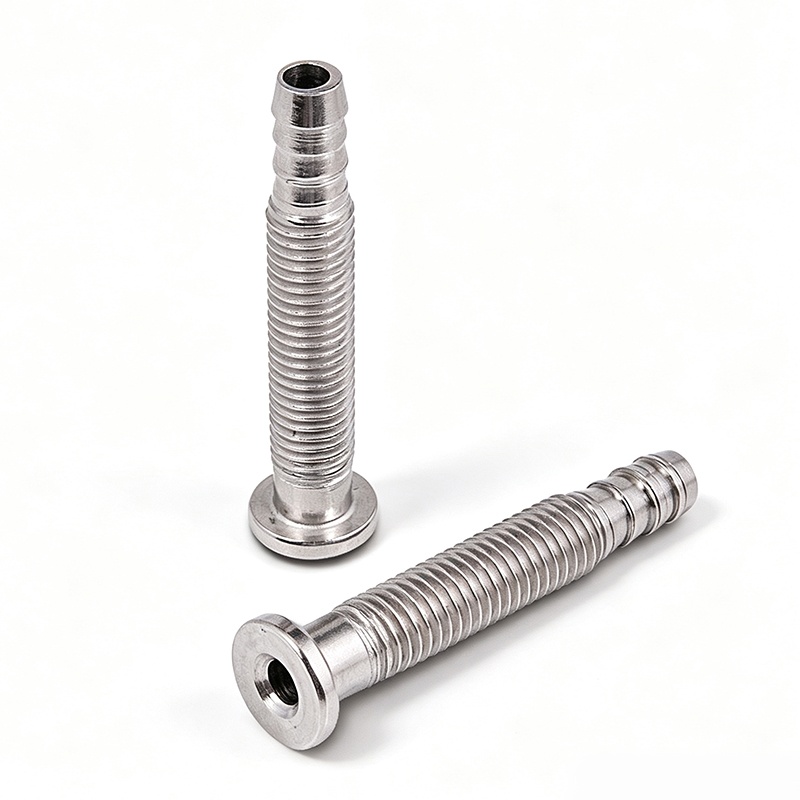 Stainless Steel External Threaded Hollow Multi-Step Connector
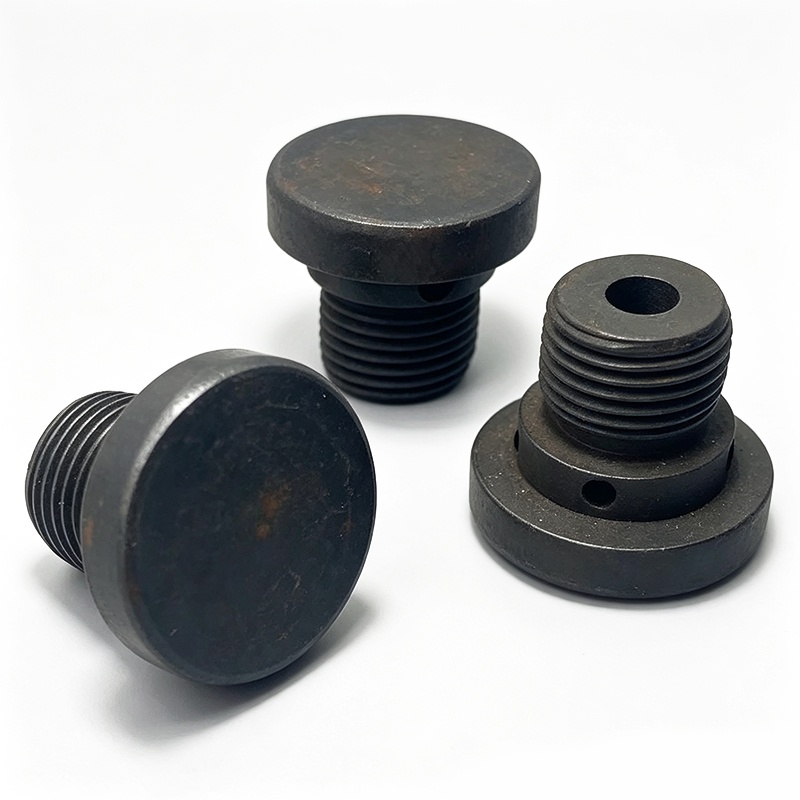 Round Head Hollow Threaded Plugs with Threaded Fasteners for Metal and Machinery
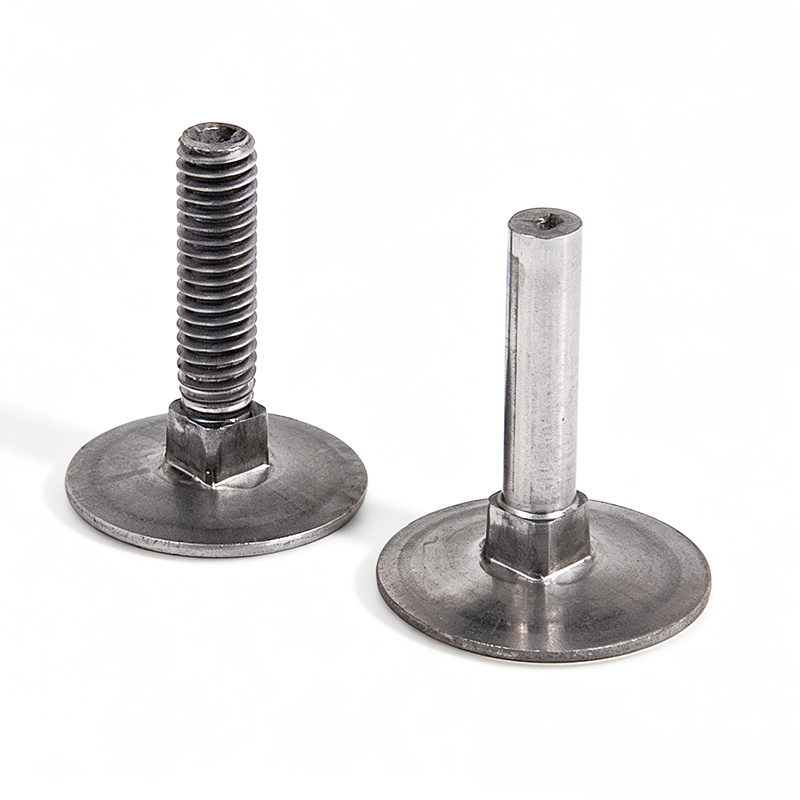 Flat Head Square Neck Adjusting Bolts with Flat Head Fasteners for Furniture and Machinery
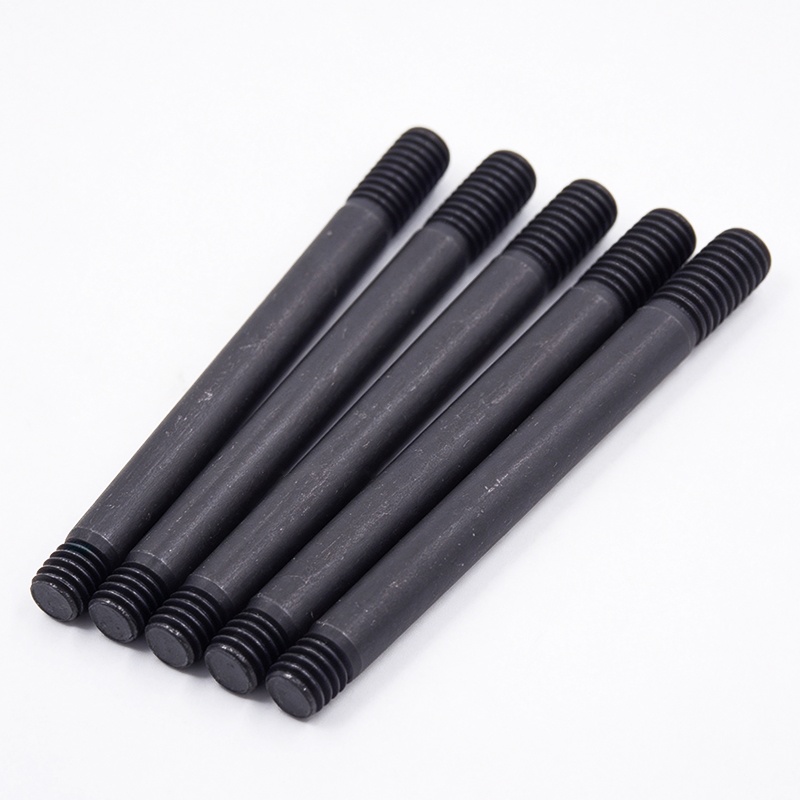 Double Ended Bolts with Threads with Heavy Duty Fasteners for Mechanical Assembly
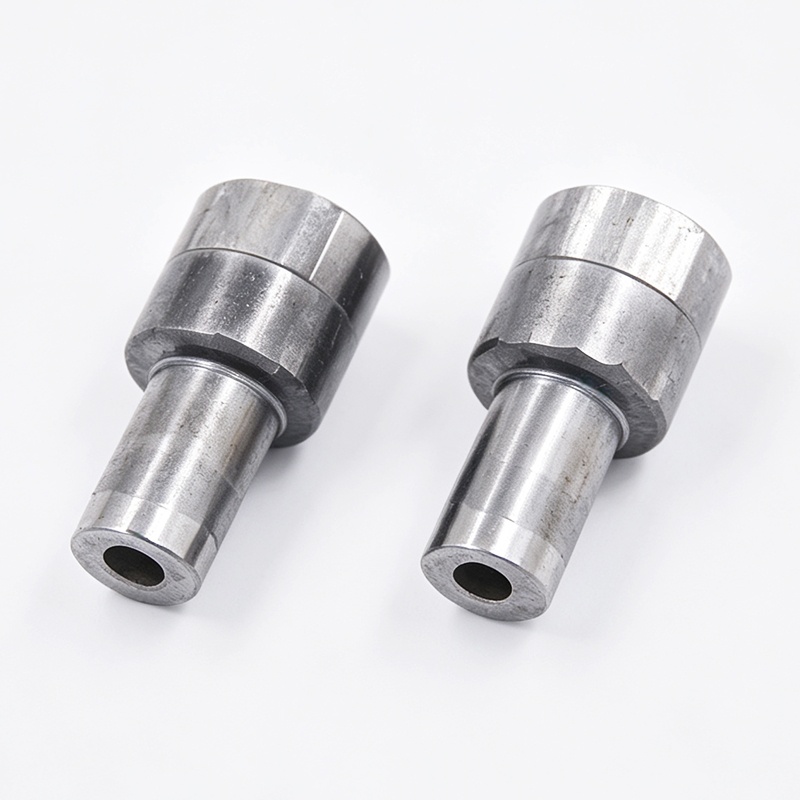 Cold-Bent Stepped Hollow Shaft Sleeve
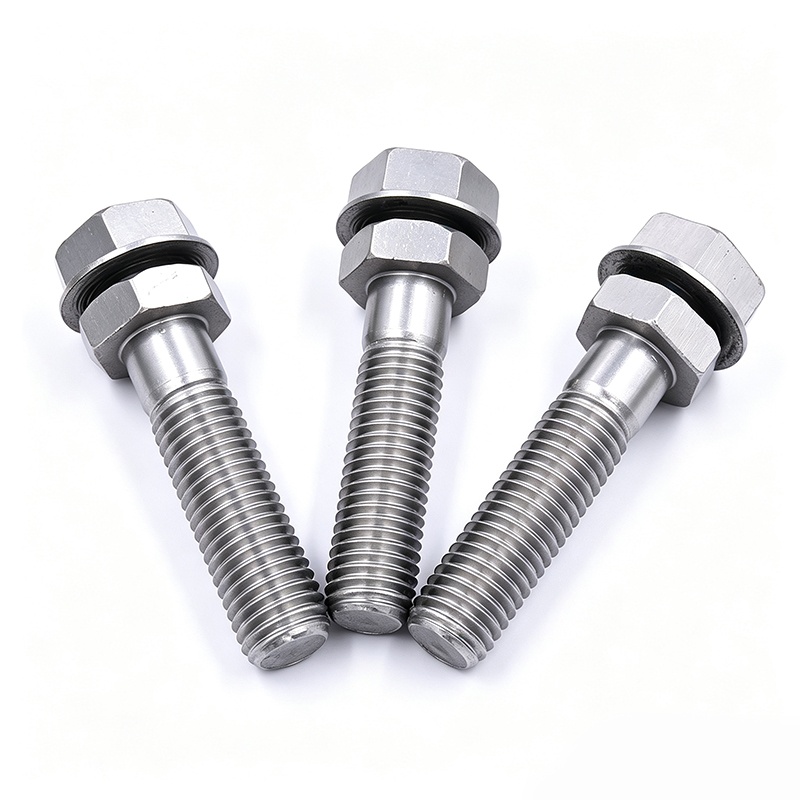 Aluminum Alloy Flange Bolt
Latest News
-
Cold Heading Components: High-performance Fastener Solutions from Wenzhou Riyi Standard Parts Co., Ltd
2026-09-29Cold heading processing shapes metal wire under strong pressure at room temperature without cutting raw materials. Unlike traditional CNC machining, this technology preserves the continuous metal grain flow inside cold heading parts.
-
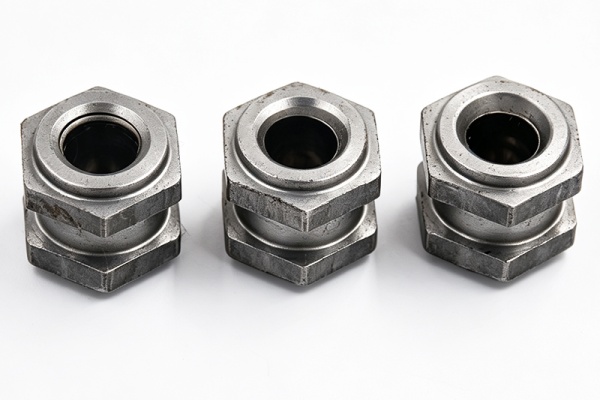
Special-shaped Bolts and Stainless Steel Double-ended Bolts from Wenzhou Riyi Standard Parts Co., Ltd
2026-09-23In modern mechanical manufacturing, construction engineering and equipment assembly, high-quality fasteners are the invisible foundation that guarantees structural safety and product stability.
-
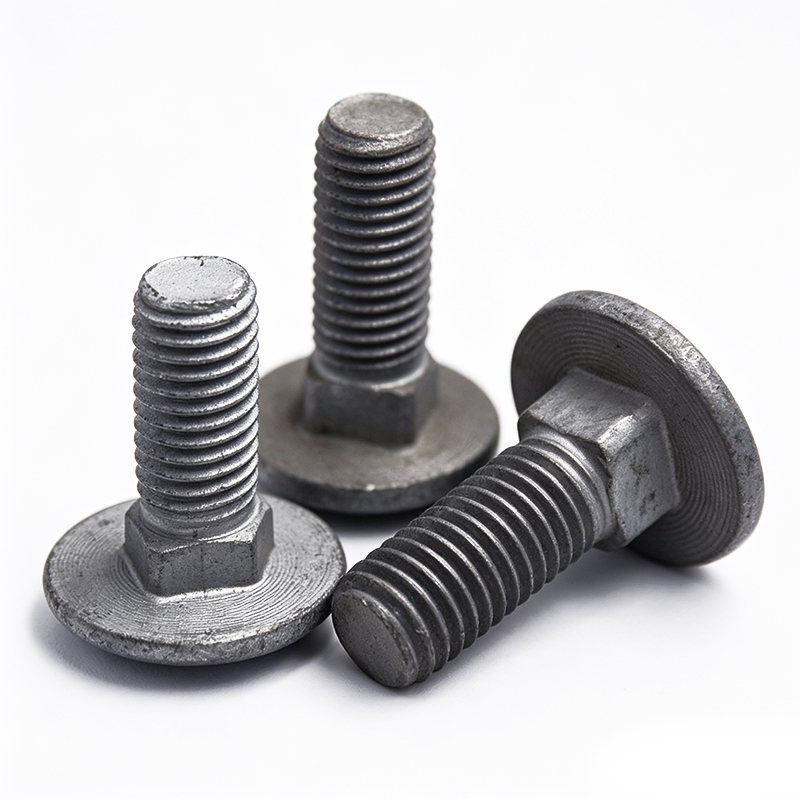
Precision Custom Fasteners from Wenzhou Riyi Standard Parts
2026-09-15Wenzhou Riyi Standard Parts is a reliable Chinese manufacturer focusing on custom non-standard fasteners, located in Wenzhou’s Binhai Economic Zone.
-
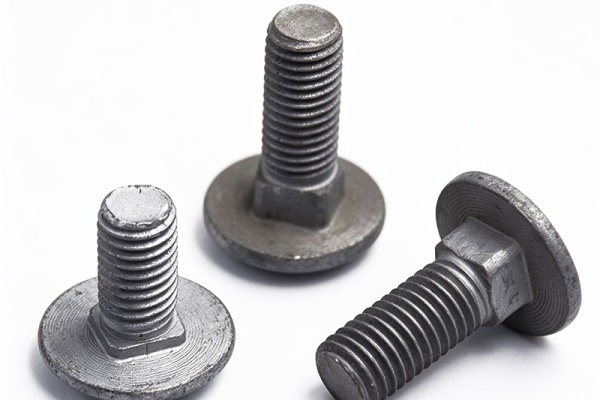
Aluminum Alloy Flange Bolts, Ball Head Studs & Dacromet Carriage Bolts – Reliable Fastener Startup Business
2026-09-08Fasteners are essential basic components widely used in machinery, automotive, engineering and equipment assembly industries.