Products


Stainless Steel Hex Socket Screws Fasteners
Stainless steel hexagonal socket screws are a type of fastener with a cylindrical head and a hexagonal groove inside. A special hexagonal wrench is required for operation. As a stainless steel fastener that performs well in harsh environments, it is mainly used for connections with high preload forces.
Send Inquiry
Product Description
Product introduction
Stainless steel hexagonal socket screws are a type of fastener with a cylindrical head and a hexagonal groove inside. A special hexagonal wrench is required for operation. As a stainless steel fastener that performs well in harsh environments, it is mainly used for connections with high preload forces. This type of screw is defined in detail by international standards such as ASTM F880, covering various types such as hexagon socket set screws made of austenitic stainless steel. Compared with external hexagonal bolts, its cylindrical head design can provide a cleaner installation surface and deeper wrench insertion depth, thereby achieving higher torque transmission capabilities. It is one of the core connecting components in modern precision machinery, high-end equipment and outdoor facilities. It is highly standardized, but when engineers require dimensions, mechanical properties, or special features beyond the standard catalog, it transitions to non-standard fasteners that require customization.
Product design and features
The core design of stainless steel hex socket head screws is to balance installation convenience, structural strength and space utilization.
Drive structure: It adopts internal hexagonal groove drive. Compared with cross or slotted grooves, this design can carry greater tightening torque and greatly reduces the risk of tool slipping. This is one of the reasons why it has become a representative of high-strength stainless steel fasteners. To ensure that it can still be disassembled after the groove is damaged, some innovative designs add a square section or polygonal structure to the outside of the cylindrical head as a backup drive method.
Head and rod design: Its cylindrical head design can be embedded or flush with the surface of the component, which is beautiful and space-saving. The rod part is divided into fully threaded and semi-threaded according to its function. The semi-threaded polished rod part can provide precise positioning and higher shear resistance. In addition, the hexagonal head design with flange surface can provide a larger pressure-bearing area, disperse the preload force, and protect the connected surface.
Process features: High-quality stainless steel hex socket head screws are usually manufactured by cold heading forming process. This process is formed through metal plastic deformation in one step, which not only has high production efficiency, but also makes the metal fiber structure continuous, thus giving the parts higher mechanical strength and fatigue resistance. This is an ideal manufacturing process for specially shaped fasteners where connection points need to withstand vibration and dynamic loads.
Materials and application areas
The performance boundary of stainless steel hexagon socket screws is mainly determined by its material. Austenitic stainless steel (such as SUS304, SUS316) has become the mainstream choice because of its excellent corrosion resistance and non-magnetic properties. According to the standards of the American Society for Testing and Materials, these materials are used in different states such as solution treatment or cold work hardening to meet different strength requirements. In terms of application, this type of screws are widely used in various industries due to their high reliability. They can be seen in everything from tiny fixations inside precision instruments, to sealed connections in battery boxes of new energy vehicles, to special equipment in key fields such as nuclear power and petrochemical industry. When standard products cannot meet specific connection, space or corrosion protection needs, non-standard fasteners made of materials such as 316L become an essential solution.
Quality control and certification system
Core quality certification: Authoritative manufacturing companies will establish and implement quality management systems such as ISO 9001 to ensure that the entire production process is controllable. For products used in specific industries such as construction and automobiles, they may need to meet more stringent professional system certification requirements, key performance testing items, mechanical properties, corrosion resistance, chemical composition, size and accuracy.
Customized services
Standardized products cannot cover all engineering needs, so customized services become the key to solving special connection problems.
Customization scope and capabilities: Professional fastener manufacturers can provide comprehensive customization services and support "drawings and samples" processing. This includes but is not limited to: customizing non-standard total length, rod diameter, thread specifications, and special head shapes; using special stainless steel or alloy materials; performing special surface treatments (such as electrolytic polishing to improve corrosion resistance); and laser engraving the company logo or tracking code on the head.
Technology core and value: The core of customized services lies in mold development and molding technology. Through industry-university-research cooperation, companies can apply advanced technologies such as computer simulation molding to significantly shorten the traditional mold development cycle that originally took several weeks and quickly respond to customers' needs for special-shaped fasteners. This capability enables the company to cooperate with customers in high-end industries such as nuclear power and marine engineering to jointly develop high value-added non-standard fastener solutions.
FAQ
Q: When a project requires customizing a batch of special screws, what key information do I need to provide to the supplier?
A: To ensure accurate customization, please provide the following information as much as possible: detailed drawings or physical samples (mark all dimensions and tolerances); operating conditions (connection materials, stress types, environmental media, temperature); material and performance requirements (if 316L material must be used, the tensile strength must reach XX MPa); surface treatment requirements; scheduled quantity and delivery time. Clear communication is the first step to obtaining qualified non-standard fasteners.
Q: The purchased stainless steel hex socket screws (especially those made of 304/316) are slightly magnetic. Does this mean that the material is substandard or not really stainless steel?
A: Not necessarily, this is usually a normal phenomenon. Austenitic stainless steel (such as 304, 316) itself should be weakly magnetic or non-magnetic. However, during the production process, cold processing such as cold heading and turning will cause "work hardening" of the material, causing part of the surface structure to transform into martensite with weak magnetism. Therefore, it is common for finished screws to be slightly magnetic (especially in the head and thread areas), which does not affect its core properties such as corrosion resistance. However, if the magnetism is very strong, you need to be wary that it may be counterfeited by other magnetic materials such as stainless iron (such as 430).
Q: For equipment parts that require frequent disassembly and assembly, are there any more durable hexagon socket screws?
A: Yes. Frequent disassembly and assembly can easily cause the inner hexagonal hole (flower shape) to wear and become round, causing the tool to slip. To do this, consider:
Groove-reinforced type: Choose a product that undergoes special heat treatment on the hexagonal grooves to enhance its surface hardness and wear resistance.
Composite drive design: Use screws with a square or dodecagonal external drive structure added to the outside of the cylindrical head. This specially shaped fastener provides an alternative disassembly solution. Even if the internal hexagonal hole is damaged, it can still be disassembled from the outside with a wrench, greatly improving maintenance convenience and the reuse rate of screws.


Latest News
-
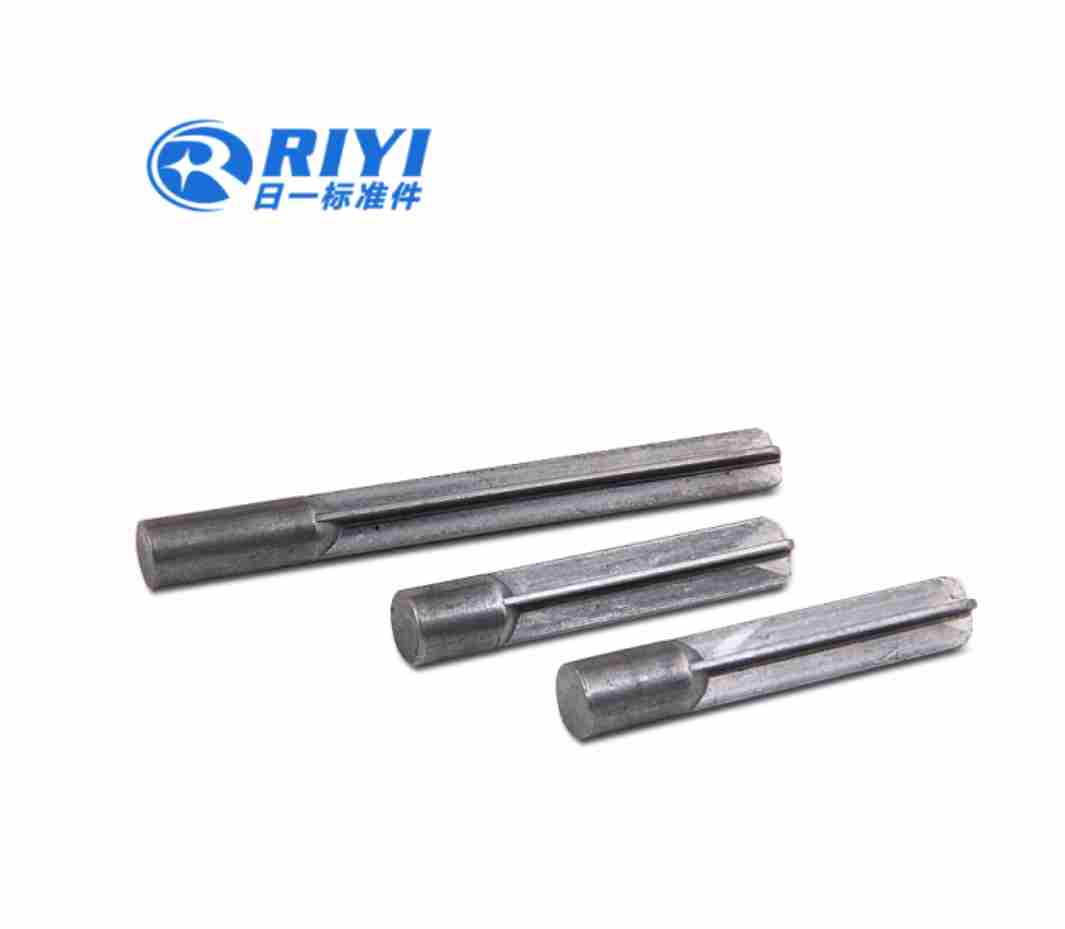
Cold Heading Components: High-performance Fastener Solutions from Wenzhou Riyi Standard Parts Co., Ltd
2026-09-29Cold heading processing shapes metal wire under strong pressure at room temperature without cutting raw materials. Unlike traditional CNC machining, this technology preserves the continuous metal grain flow inside cold heading parts.
-
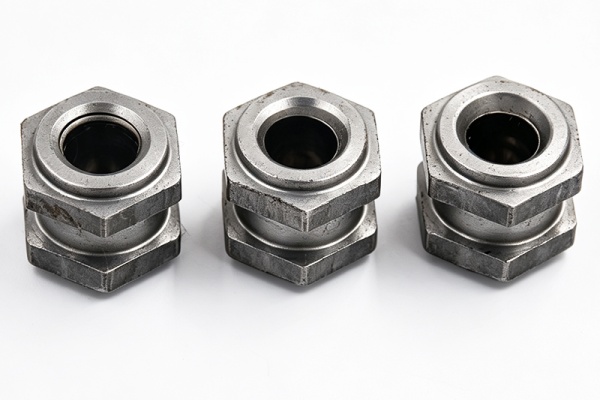
Special-shaped Bolts and Stainless Steel Double-ended Bolts from Wenzhou Riyi Standard Parts Co., Ltd
2026-09-23In modern mechanical manufacturing, construction engineering and equipment assembly, high-quality fasteners are the invisible foundation that guarantees structural safety and product stability.
-
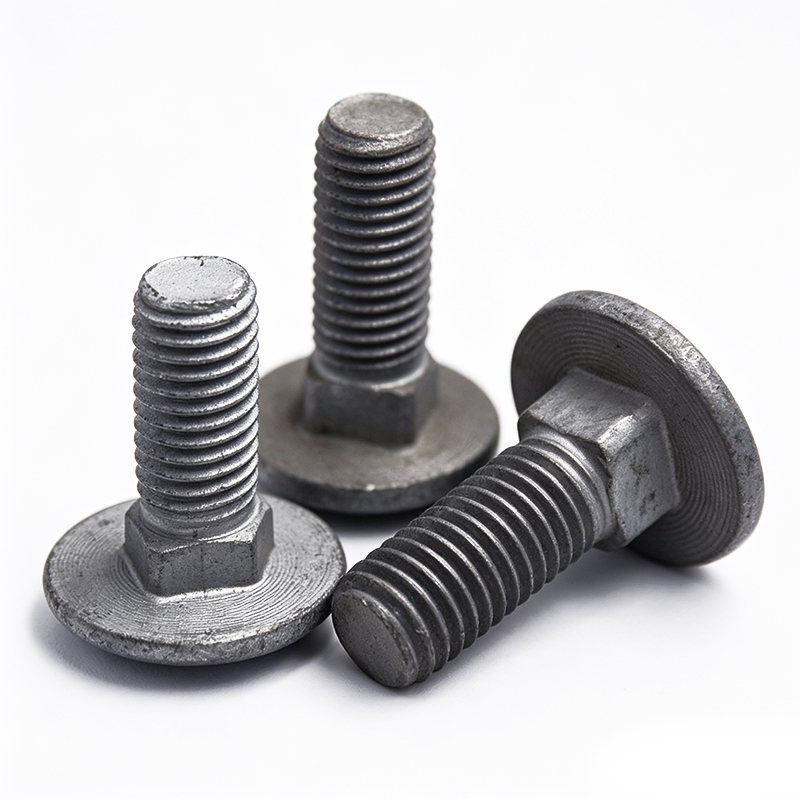
Precision Custom Fasteners from Wenzhou Riyi Standard Parts
2026-09-15Wenzhou Riyi Standard Parts is a reliable Chinese manufacturer focusing on custom non-standard fasteners, located in Wenzhou’s Binhai Economic Zone.
-
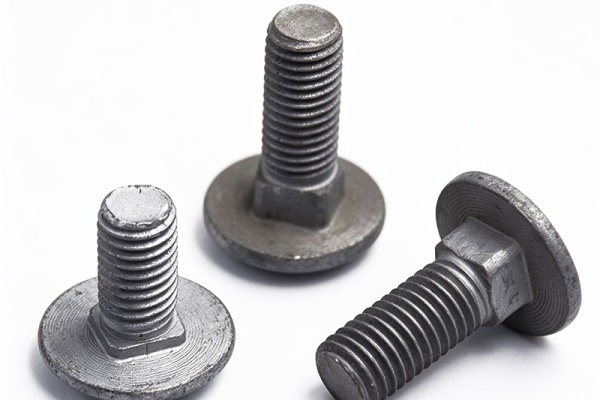
Aluminum Alloy Flange Bolts, Ball Head Studs & Dacromet Carriage Bolts – Reliable Fastener Startup Business
2026-09-08Fasteners are essential basic components widely used in machinery, automotive, engineering and equipment assembly industries.