Products


Stainless Steel Pan Head Screws Fasteners
Stainless steel pan head Phillips screw is a stainless steel fastener with a flat disc-shaped head and a cross-shaped groove (i.e. cross recess) on the top. It is one of the most widely used types of machine screws. It is usually used with prefabricated internal thread holes without nuts. It is mainly used to connect and fix relatively thin sheet metal parts, plastic parts or electronic component housings.
Send Inquiry
Product Description
Product introduction
Stainless steel pan head Phillips screw is a stainless steel fastener with a flat disc-shaped head and a cross-shaped groove (i.e. cross recess) on the top. It is one of the most widely used types of machine screws. It is usually used with prefabricated internal thread holes without nuts. It is mainly used to connect and fix relatively thin sheet metal parts, plastic parts or electronic component housings. The design of this type of screw follows a series of international standards, such as head size and cross-recessed shape, often referring to ISO 7045 and other standards to ensure its wide range of tool compatibility. Its core value lies in combining the corrosion resistance of stainless steel with the large pressure-bearing area of the pan head, the convenient axial alignment and fast driving characteristics of the cross groove. It is optimized for high-efficiency assembly with manual or electric screwdrivers and is a standardized connection solution for household appliances, electronic equipment, chassis cabinets, furniture assembly and more. When standard specifications cannot meet special design requirements, such as a special pan head diameter, non-standard length or specific cross groove depth, it becomes a custom-made non-standard fastener.
Product design and features
The design of stainless steel pan head Phillips screws closely focuses on assembly efficiency and connection reliability. Its main features are as follows:
The dual advantages of the head design: the disc-shaped head provides a larger smooth pressure-bearing surface than the round head, which can effectively disperse the tightening pressure and prevent crushing or denting of soft or brittle connected materials (such as plastic, wood, and thin metal plates). At the same time, its lower head profile does not protrude too much from the surface, and the appearance is relatively neat.
Convenience of the drive structure: The cross-recessed design is its main drive method, allowing the screwdriver head to automatically center and apply axial pressure, which facilitates one-handed operation and fast tightening. It is especially suitable for automated or semi-automated assembly on the production line. However, Phillips recesses have a tendency to "slip" or "cam-out" when transmitting extremely high torques. This is a design feature intended to prevent over-tightening from damaging the screw or workpiece. For scenarios with higher torque requirements, it may be necessary to use driving methods such as Pozidriv or composite grooves. Such requirements have given rise to special-shaped fasteners.
Precision of the rod and thread: As a machine screw, the diameter of the rod is usually consistent with the nominal diameter of the thread, and the thread part is precision rolled to ensure that it can be screwed smoothly into the pre-threaded hole. The end is often designed as a self-tapping guide (i.e., pointed tail) to assist initial positioning and penetration.
Materials and application areas
SUS304 (A2), a general-purpose austenitic stainless steel, has good corrosion resistance to atmosphere, water and various chemicals. It is one of the most cost-effective stainless steel fasteners. Typical application areas: household appliances (washing machines, microwave oven casings), electronic products (computer cases, router casings), general machinery sheet metal casings, outdoor furniture, and non-core contact parts of food equipment.
SUS316 (A4), with added molybdenum element, significantly improves its resistance to chloride ion corrosion and is suitable for more harsh environments. Typical application areas: coastal outdoor equipment, ship interior accessories, chemical instrument casings, medical equipment casings, swimming pools and water treatment equipment.
Martensitic stainless steels such as SUS410 can obtain higher hardness and strength through heat treatment, but the corrosion resistance is lower than 304/316. Typical application areas: Used in special mechanical parts that require strength and wear resistance but do not require high overall corrosion resistance.
In terms of application, it is almost everywhere. From the tiny screws that secure PCBs inside smartphones to the panels that assemble outdoor communications cabinets, they can be seen everywhere. In precision instruments or medical devices, there are strict requirements for the dimensional consistency, appearance smoothness and non-magnetic properties of screws, which often requires highly precise customized production, giving rise to a high value-added non-standard fastener market.
Quality control and certification system
Core standards and compliance: Product standards: Must comply with relevant standards such as GB/T, ISO, DIN, JIS, etc. These standards strictly stipulate key geometric parameters such as head diameter and thickness, cross recess size and depth, and thread accuracy.
Industry-specific requirements: When used in food, medical and other industries, materials may need to comply with FDA (U.S. Food and Drug Administration) contact standards or biocompatibility requirements such as nickel-free release.
critical quality control points
Dimensions and fit accuracy: Use optical projectors, thread pass-and-stop gauges and other tools to randomly check the head size, groove size, and thread accuracy of the screws 100% or frequently to ensure perfect fit with standard screwdrivers and threaded holes.
Surface quality and corrosion resistance: The appearance must be smooth, free of burrs, cracks, and rust spots. For stainless steel fasteners, the salt spray test is the key to verify the passivation treatment effect and the corrosion resistance of the base material. For example, 304 material is required to be neutral salt spray-free for at least 72 hours without red rust.
Mechanical properties: Although it is a machine screw, it still needs to meet the minimum breaking torque and hardness requirements specified in the standard to prevent thread slippage or breakage during installation.
Material verification: Ensure that the material composition (such as ensuring that the chromium and nickel content of 304 meets standards) meets the requirements through spectral analysis.
Customized services
Customization capability range:
Size and structure customization: Produce non-standard pan head diameter/thickness, special screw length, non-standard threads, or integrated design with sealing gasket integrated at the bottom of the pan head.
Customized drive grooves: In addition to standard cross grooves, we can customize rice-shaped grooves, composite grooves, or provide anti-theft grooves. This type of customized products are typical special-shaped fasteners.
Customization of materials and surface finishes: using specified special stainless steel, or electrolytic polishing to achieve a mirror effect, black PVD coating to meet specific appearance or wear-resistant requirements.
Logo customization: Laser engrave the company logo, part number or QR code on the screw head to achieve quality traceability and brand identification.
Key points of collaborative development: When customizing, it is necessary to focus on communicating the assembly method, connected materials, appearance requirements, and usage environment. For screws used in high-end consumer electronics, consistency in appearance, color and feel can become important considerations for customization, and such demands often result in small-volume, high-precision orders for non-standard fasteners.
FAQ
Q: How to choose between stainless steel pan head Phillips screws and pan head hexagon socket screws in terms of application?
A: Selection is primarily based on assembly tooling, torque requirements, and appearance/space.
Choose cross recess: It is suitable for scenes with fast assembly and high production efficiency, such as home appliances and electronic product production lines, where electric screwdrivers are mainly used. Its torque carrying capacity is moderate, and it has the "jumping" feature to prevent over-twisting.
Choose hexagon socket: suitable for situations where higher tightening torque is required, space is limited (lower cylindrical head) or a more refined appearance is desired (no cross recess). Allen wrenches can provide greater torque and are less likely to slip. They are commonly used in precision equipment, high-end furniture and areas that require frequent disassembly and maintenance. For heavy load and precision connection, choose hexagon socket; for light load and quick assembly, choose cross recess.
Q: What core information do I need to provide to the supplier before starting customization?
A: The more accurate the information provided, the smoother the customization process will be. Please be sure to prepare:
Detailed technical drawings (the most critical): The drawings should be clear and standardized, marking all dimensions and tolerances (such as pan head diameter D, thickness H, thread specification M, length L), geometry, cross groove type (such as PH2) and depth, material identification and surface treatment requirements. Clear material and performance requirements, usage conditions description: Inform the screw's application environment (indoor/outdoor, contact with media) and stress conditions (mainly subjected to shear force or axial tension, and whether it vibrates frequently). This helps suppliers determine the suitability of materials and processes.
Sample or physical reference (if available): Even without drawings, a physical sample can greatly aid communication.
Demand volume and budget range: Initial estimated usage and target unit price so that suppliers can evaluate the process route (such as whether it is worth opening a mold).
Q: What is the typical process and cycle for customizing stainless steel pan head Phillips screws?
A: A complete customization project usually follows the following process, and the cycle time ranges from several weeks to several months.


Latest News
-
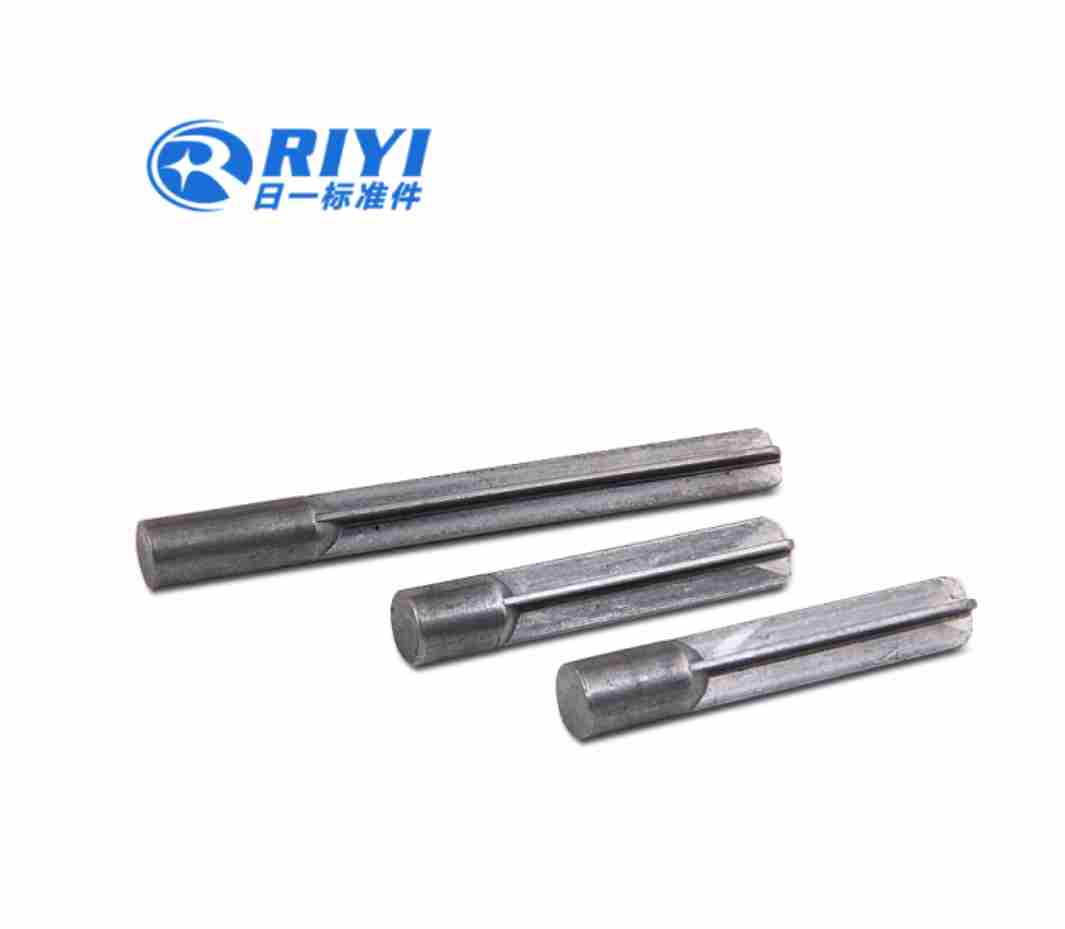
Cold Heading Components: High-performance Fastener Solutions from Wenzhou Riyi Standard Parts Co., Ltd
2026-09-29Cold heading processing shapes metal wire under strong pressure at room temperature without cutting raw materials. Unlike traditional CNC machining, this technology preserves the continuous metal grain flow inside cold heading parts.
-
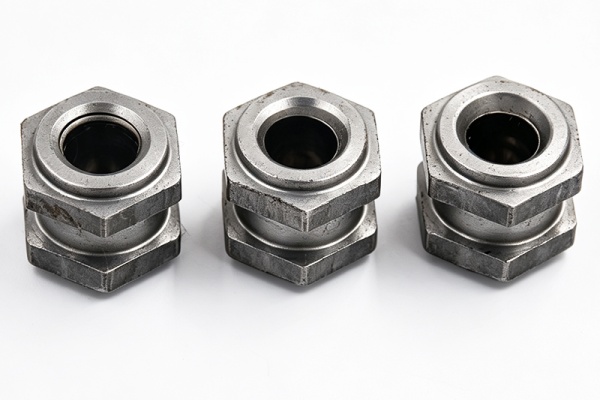
Special-shaped Bolts and Stainless Steel Double-ended Bolts from Wenzhou Riyi Standard Parts Co., Ltd
2026-09-23In modern mechanical manufacturing, construction engineering and equipment assembly, high-quality fasteners are the invisible foundation that guarantees structural safety and product stability.
-
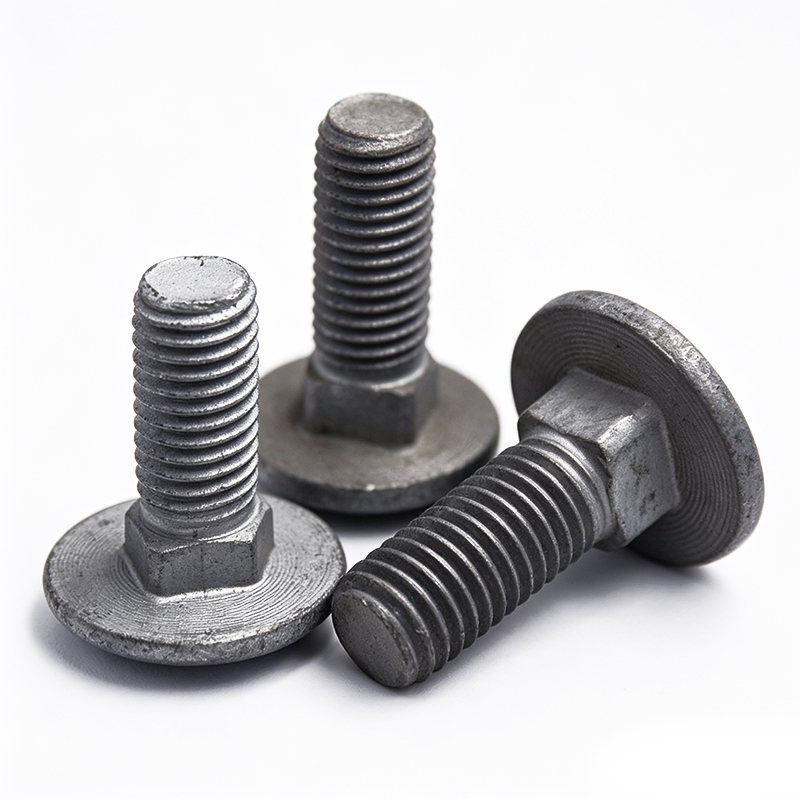
Precision Custom Fasteners from Wenzhou Riyi Standard Parts
2026-09-15Wenzhou Riyi Standard Parts is a reliable Chinese manufacturer focusing on custom non-standard fasteners, located in Wenzhou’s Binhai Economic Zone.
-
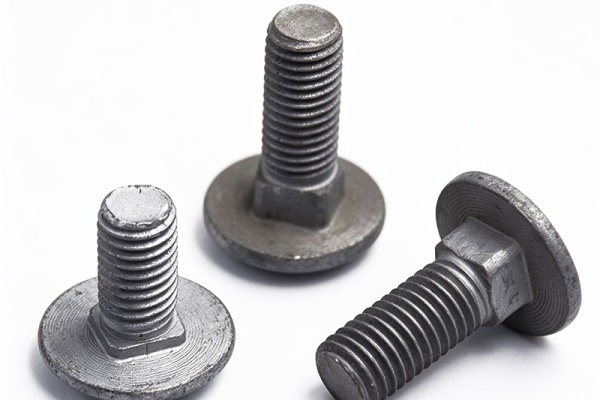
Aluminum Alloy Flange Bolts, Ball Head Studs & Dacromet Carriage Bolts – Reliable Fastener Startup Business
2026-09-08Fasteners are essential basic components widely used in machinery, automotive, engineering and equipment assembly industries.