Products


Stainless Steel Hex Bolts Fasteners
The external hexagonal screw is a basic and dominant fastener with a regular hexagonal prism head that requires a wrench or socket for installation. Its design and specifications are strictly defined by standards widely adopted around the world, ensuring versatility and interchangeability across countries and industries.
Send Inquiry
Product Description
Product introduction
The external hexagonal screw is a basic and dominant fastener with a regular hexagonal prism head that requires a wrench or socket for installation. Its design and specifications are strictly defined by standards widely adopted around the world, ensuring versatility and interchangeability across countries and industries.
As an element that achieves structural connections by generating pre-tightening force through a thread pair, its core engineering value lies in the fact that the head design provides unparalleled tool adaptability and torque transmission efficiency, allowing it to undertake a variety of tasks from light fixing to heavy-duty structural connections. It is a symbol of industrial production and can be found in everything from small electronics to large bridge construction. When standard items fail to meet the connection needs of a specific project, such as requiring extra long sizes, special strength, or odd-shaped heads, it evolves into the need for specially designed and produced non-standard fasteners.
Product design and features
The design of external hexagonal screws is a model of functionality and reliability. Its main features are as follows:
Engineering Advantages of Head Design: A standard hex head provides six defined force surfaces, allowing force to be applied from multiple angles using tools such as an open-end wrench, Torx wrench or socket. Not only is this design extremely versatile as a tool, it can withstand extremely high tightening and disassembly torques, making it the first choice for heavy-duty connections. Its head height and angular shape also make it easy to be firmly grasped by tools in harsh working conditions (such as oily environments). Refined classification of rod and thread: According to the type of rod, it is mainly divided into two types: full thread (such as GB/T 5783) and partial thread (such as GB/T 5782). The partially threaded polished shank portion has the same diameter as the nominal thread diameter, allowing for more precise alignment and positioning of the connected parts and providing better performance when subjected to shear forces. The thread manufacturing accuracy directly determines the connection quality, which is divided into Class A (precision) and Class B (ordinary).
Materials and application areas
Carbon and alloy steels: The most common categories, which are heat treated to obtain different strengths. Widely used in building structures, machinery and equipment, vehicle manufacturing, and general industry. Strength increases with grade, with grade 12.9 used for extremely high stress connections.
Stainless steel: constitutes the main body of the stainless steel fastener family. 304 is used in general anti-rust environments (food equipment, outdoor furniture); 316/316L contains molybdenum, so it is a must-have for harsh corrosive environments such as chemical industry, ocean, and high salinity.
Non-ferrous metals and others: meet special needs such as conductivity (electricity), non-magnetic (medical MRI), lightweight (aerospace), insulation or resistance to special chemical corrosion. Such products are often customized non-standard fasteners.
In terms of application, it covers almost all industrial categories. In the connection of wind power towers, ultra-high-strength alloy steel bolts are used; in food processing lines, easy-to-clean A2 stainless steel bolts must be used; and in chemical plant reactors, acid and alkali-resistant A4-316 bolts must be used. When standard sizes cannot be met, such as extra-long anchor bolts required for extra-large bridges, special customization is required.
Quality control and certification system
Standards and compliance certification: product standards, ASTM or DIN standards, industry access certification, mechanical performance testing, dimensional and geometric accuracy testing, surface and corrosion resistance testing.
Customized services
Customization capability range:
Customization of over-sized sizes: the production of extra-long, ultra-short, extra-large or extra-small diameter products that exceed the national standard size table.
Structure and function customization: manufacturing special-shaped fasteners with twelve-corner, square or special patterns and bosses on the head; producing bolts with screw holes, flat rods, stepped rods and other special structures.
Material and performance customization: Use customer-specified special steels, duplex stainless steels, high-temperature alloys, etc., and adjust the heat treatment process to meet specific strength, toughness, or high/low temperature resistance.
Surface treatment customization: Dacromet, geometric coating, hot-dip galvanizing, special coatings (such as Teflon, ceramic coating), etc. are provided to meet specific requirements for anti-corrosion, wear resistance, chemical resistance or aesthetics.
Collaborative development process: The typical customization process is "demand analysis - technical solution and drawing confirmation - mold and process design - sample trial production and testing - small batch verification - mass production delivery". For non-standard fasteners with critical uses, it has become a best practice for both suppliers and buyers to jointly conduct mechanical calculations and simulation verification of the connecting pair.
FAQ
Q: How to choose between stainless steel external hexagonal screws (such as 304) and galvanized carbon steel screws in terms of anti-rust?
A: This depends on the severity of the corrosivity of the environment and the durability requirements.
Galvanized carbon steel screws: The zinc layer acts as a sacrificial anode to provide electrochemical protection, but its anti-rust ability is limited and time-sensitive. In humid, acid-base or outdoor environments, the zinc layer will gradually be consumed. Once consumed, the carbon steel inside will quickly rust. Suitable for indoor or short-term outdoor environments with low life requirements.
304 stainless steel screws: Its anti-rust ability comes from the corrosion resistance of the body material (passivation film formed by chromium oxidation). As long as the passivation film is not destroyed, the anti-rust is permanent. It is suitable for food, chemical industry, outdoor and other environments that require long-term corrosion resistance. It is a more reliable choice for stainless steel fasteners.
Q: Under what circumstances should I consider customizing hexagonal screws instead of purchasing standard products?
A: When the products in the standard catalog cannot meet the specific engineering needs of your project, customization is required. Usually includes the following:
Special dimensions: the required length, diameter, and thread specifications are not in the national standard or regular inventory list.
Special performance: It needs to work in extreme high/low temperature, high pressure, strong corrosion or high wear environments, and standard materials and performance levels cannot meet the requirements.
Functional integration: Special functions need to be integrated on the screw, such as a drive hole on the head combined with an external hexagon to form a composite drive, a transverse hole drilled on the screw for pin penetration and anti-loosening, or the stem processed into a stepped shaft, flat position, etc.
Connection matching: The material of the connected parts is special and requires a special head pressure-bearing surface or thread form to protect the workpiece and ensure connection reliability.
Q: What is the typical process for customizing external hexagonal screws? How long does the cycle take?
A: A standardized customization process usually includes the following links, with the total cycle ranging from weeks to months, depending on the technical complexity and order volume:
Demand communication and technical confirmation: Both parties discuss your needs in detail, and the supplier reviews the feasibility of the drawings and technical requirements.
Quotation and contract signing: The supplier provides a quotation based on process, mold, and material costs, and the contract is signed after both parties confirm.
Mold design and sample production: For non-standard products, it is usually necessary to develop special cold heading molds or cutting processes. This is the most critical step in the early stages of customization.
Sample testing and validation: The supplier provides small quantities of samples for you to test (size, fit, performance). Full validation is highly recommended at this stage.
Mass production and delivery: After the sample is confirmed to be correct, the supplier will arrange mass production and deliver it on time.
Key tip: Please allow sufficient lead time for custom projects, especially during the mold development phase. Complex, specially shaped fasteners may require multiple sample revisions.


Latest News
-
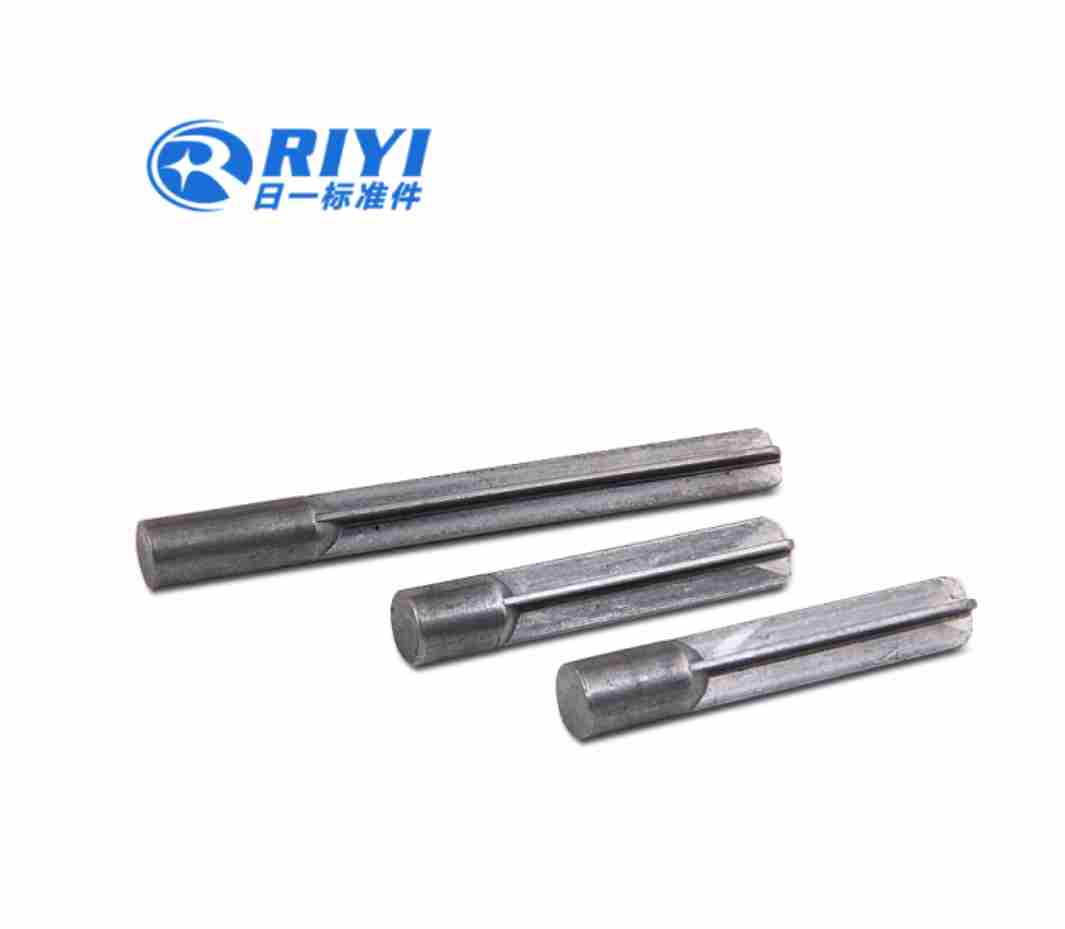
Cold Heading Components: High-performance Fastener Solutions from Wenzhou Riyi Standard Parts Co., Ltd
2026-09-29Cold heading processing shapes metal wire under strong pressure at room temperature without cutting raw materials. Unlike traditional CNC machining, this technology preserves the continuous metal grain flow inside cold heading parts.
-
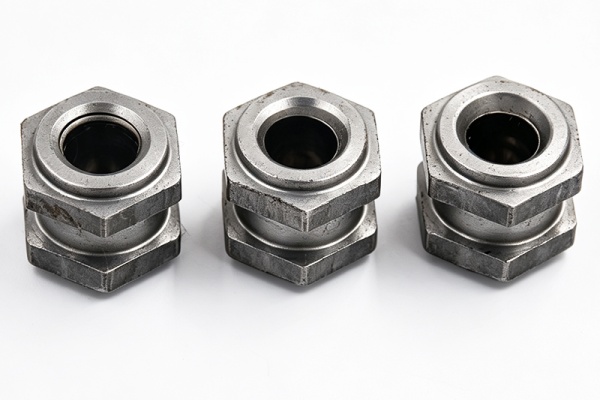
Special-shaped Bolts and Stainless Steel Double-ended Bolts from Wenzhou Riyi Standard Parts Co., Ltd
2026-09-23In modern mechanical manufacturing, construction engineering and equipment assembly, high-quality fasteners are the invisible foundation that guarantees structural safety and product stability.
-
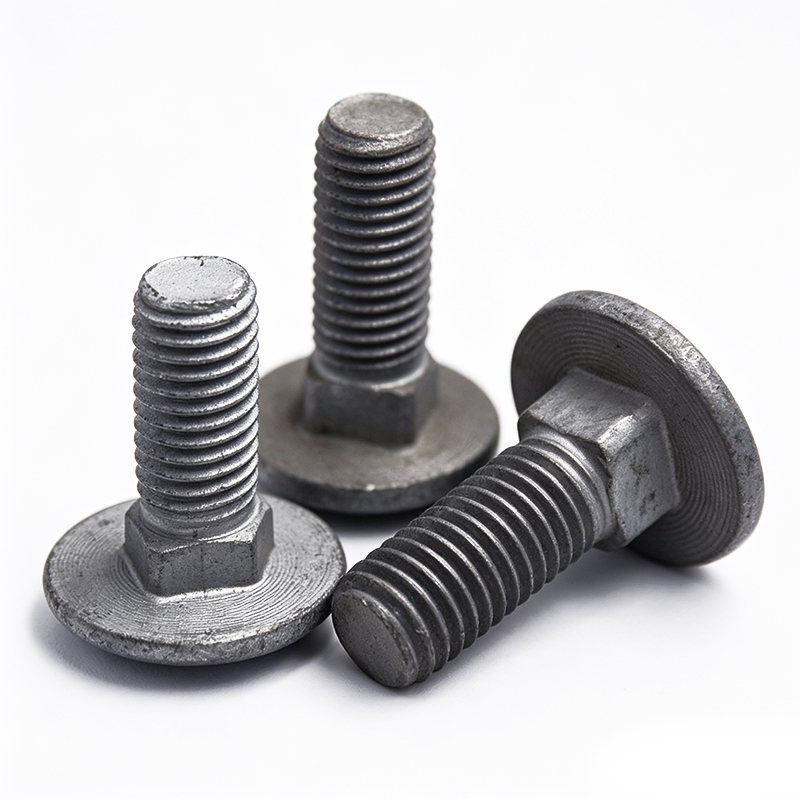
Precision Custom Fasteners from Wenzhou Riyi Standard Parts
2026-09-15Wenzhou Riyi Standard Parts is a reliable Chinese manufacturer focusing on custom non-standard fasteners, located in Wenzhou’s Binhai Economic Zone.
-
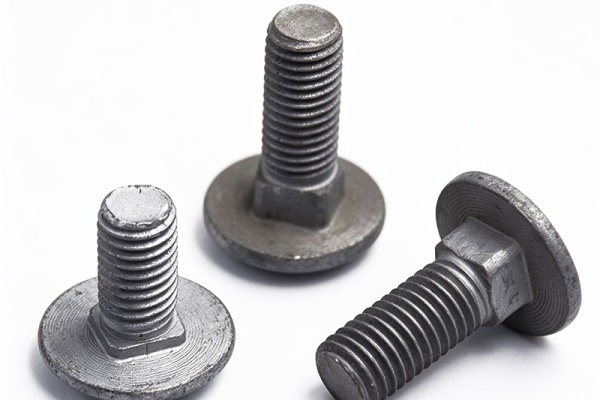
Aluminum Alloy Flange Bolts, Ball Head Studs & Dacromet Carriage Bolts – Reliable Fastener Startup Business
2026-09-08Fasteners are essential basic components widely used in machinery, automotive, engineering and equipment assembly industries.