The Growing Role of Non-Standard Screws in Modern Manufacturing
In today’s advanced manufacturing and industrial landscape, non-standard screws are becoming increasingly vital for applications that demand customized performance, precision, and durability. Unlike standard fasteners, non-standard screws are engineered to meet specific design requirements, ensuring that products perform reliably under unique conditions across diverse industries.
Non-standard screws are widely used in the automotive industry, where specialized components require fasteners with precise dimensions, unique thread profiles, or enhanced strength. Custom screws help ensure secure assembly of critical parts such as engines, transmission systems, and electronic modules, improving overall vehicle safety and reliability.
In electronic and electrical applications, non-standard screws such as copper or aluminum alloys provide excellent conductivity and corrosion resistance. These fasteners are essential for assembling circuit boards, power supplies, and precision instruments, where standard screws cannot meet the exact tolerance or material requirements. Their tailored designs ensure consistent performance and long-term stability in sensitive electronic devices.
Medical equipment and healthcare devices also rely on non-standard screws for specialized assemblies. Surgical instruments, prosthetics, and diagnostic machinery often require screws with unique lengths, diameters, or materials such as stainless steel to meet hygiene and durability standards. Custom fasteners ensure accurate assembly and maintain device integrity during repeated use.
In industrial machinery and aerospace, non-standard screws are indispensable for high-performance components exposed to extreme temperatures, vibrations, or stress. They are engineered to withstand rigorous conditions, ensuring safety and operational efficiency. Applications include turbines, compressors, robotic arms, and aerospace structures, where even minor failures could have significant consequences.
Additionally, consumer electronics, furniture, and construction projects benefit from non-standard screws tailored for aesthetic and functional purposes. Custom head designs, drive types, and finishes allow manufacturers to create visually appealing products while maintaining structural integrity.
The versatility of non-standard screws lies in their ability to adapt to specific functional, material, and environmental requirements. By providing tailored fastening solutions, they help manufacturers reduce assembly errors, enhance product longevity, and meet strict industry standards.
As industries increasingly embrace precision engineering and customized manufacturing, the demand for non-standard screws continues to grow. These fasteners are no longer just auxiliary components—they are critical elements that enable innovation, reliability, and efficiency across a wide range of applications.
Latest News
-
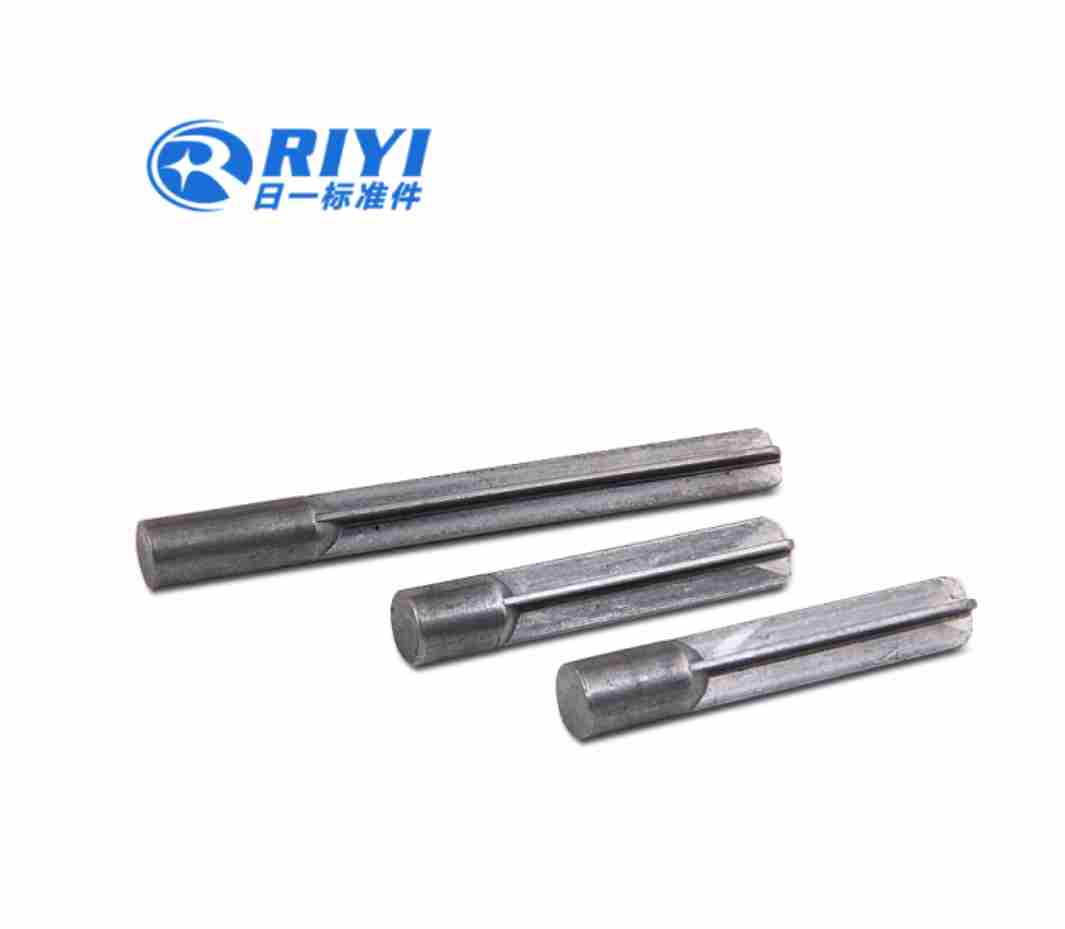
Cold Heading Components: High-performance Fastener Solutions from Wenzhou Riyi Standard Parts Co., Ltd
2026-09-29Cold heading processing shapes metal wire under strong pressure at room temperature without cutting raw materials. Unlike traditional CNC machining, this technology preserves the continuous metal grain flow inside cold heading parts.
-
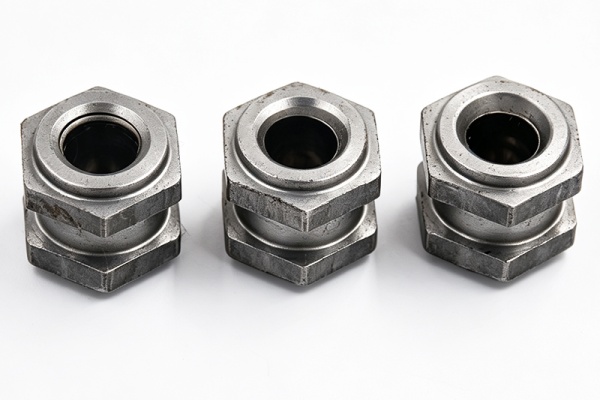
Special-shaped Bolts and Stainless Steel Double-ended Bolts from Wenzhou Riyi Standard Parts Co., Ltd
2026-09-23In modern mechanical manufacturing, construction engineering and equipment assembly, high-quality fasteners are the invisible foundation that guarantees structural safety and product stability.
-
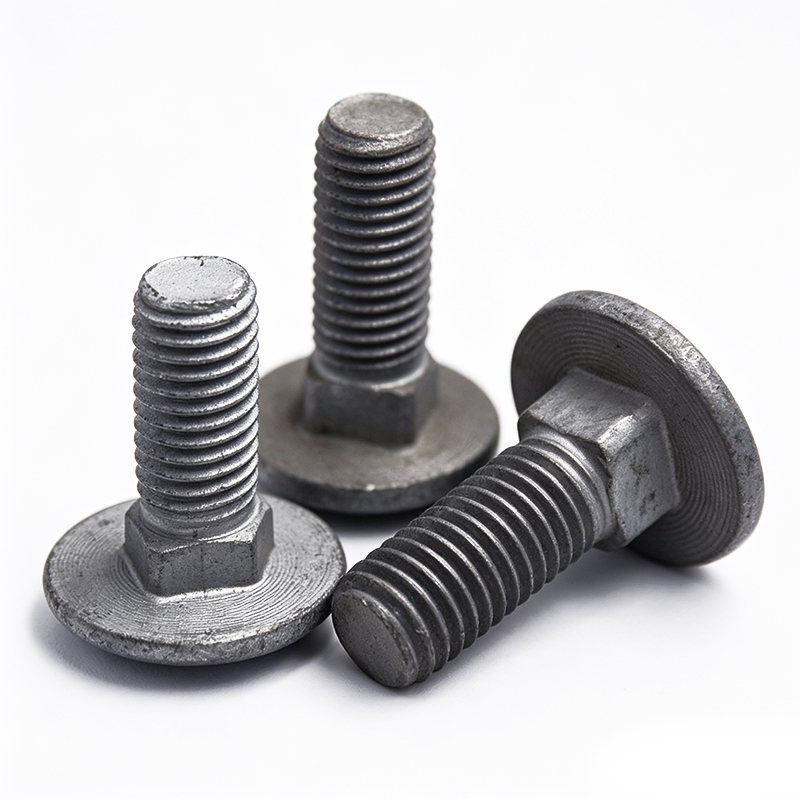
Precision Custom Fasteners from Wenzhou Riyi Standard Parts
2026-09-15Wenzhou Riyi Standard Parts is a reliable Chinese manufacturer focusing on custom non-standard fasteners, located in Wenzhou’s Binhai Economic Zone.
-
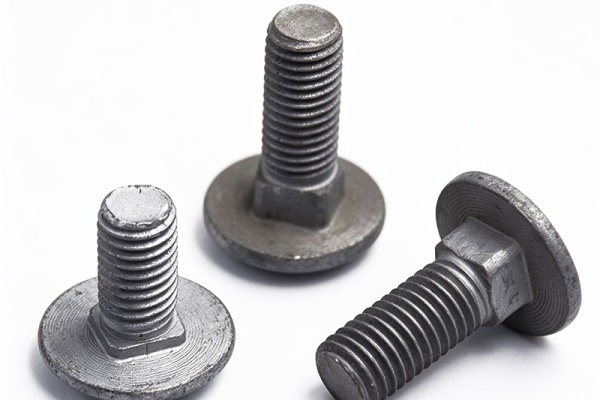
Aluminum Alloy Flange Bolts, Ball Head Studs & Dacromet Carriage Bolts – Reliable Fastener Startup Business
2026-09-08Fasteners are essential basic components widely used in machinery, automotive, engineering and equipment assembly industries.