The Importance of High-Precision Metal Components in Modern Industrial Engineering
With the rapid advancement of intelligent manufacturing and high-end equipment technology, the demand for precision industrial parts has become increasingly strict across aerospace, medical devices, and automated machinery industries. Traditional manufacturing methods can no longer meet the ultra-high tolerance requirements of sophisticated equipment, making refined micro-processing technology an indispensable core support in modern production. Micro-machined components serve as the fundamental tiny carriers of high-precision systems. These miniature parts feature ultra-small sizes, smooth surface finishes, and precise dimensional accuracy, which effectively ensure the stable operation of sensors, precision instruments, and micro-control modules. Even subtle processing errors may lead to system failure or reduced service life, so the production of micro-machined components requires strict control of material uniformity and processing precision throughout the whole procedure.
In mechanical connection and industrial pipeline systems, standardized metal connectors determine the safety and durability of overall equipment operation. Among various structural accessories, stainless steel flanges parts are widely adopted in petroleum, chemical, marine, and hydraulic engineering fields. Made of high-strength stainless steel, these flange parts possess excellent pressure resistance, corrosion resistance, and sealing performance. They firmly connect pipes, valves, and mechanical equipment, preventing liquid and gas leakage under high pressure and extreme temperature conditions. Different from ordinary cast iron accessories, stainless steel flange parts maintain stable mechanical properties in humid and corrosive environments, greatly reducing maintenance costs and improving the overall safety factor of industrial systems.
For special equipment involving magnetic sensitivity, material magnetism has become a key technical indicator that cannot be ignored. Magnetic interference will affect the accuracy of precision detection instruments and normal operation of electronic sensing equipment. Therefore, non-magnetic stainless parts have become essential materials in medical equipment, laboratory instruments, and precision electronic manufacturing. These stainless steel accessories completely avoid magnetic adsorption and interference, while retaining the original advantages of stainless steel such as wear resistance and oxidation resistance. With the continuous upgrading of industrial precision standards, the integration of micro-processing technology, stable flange connection structures, and non-magnetic stainless steel materials will further promote the high-quality development of modern precision manufacturing industries.
Latest News
-
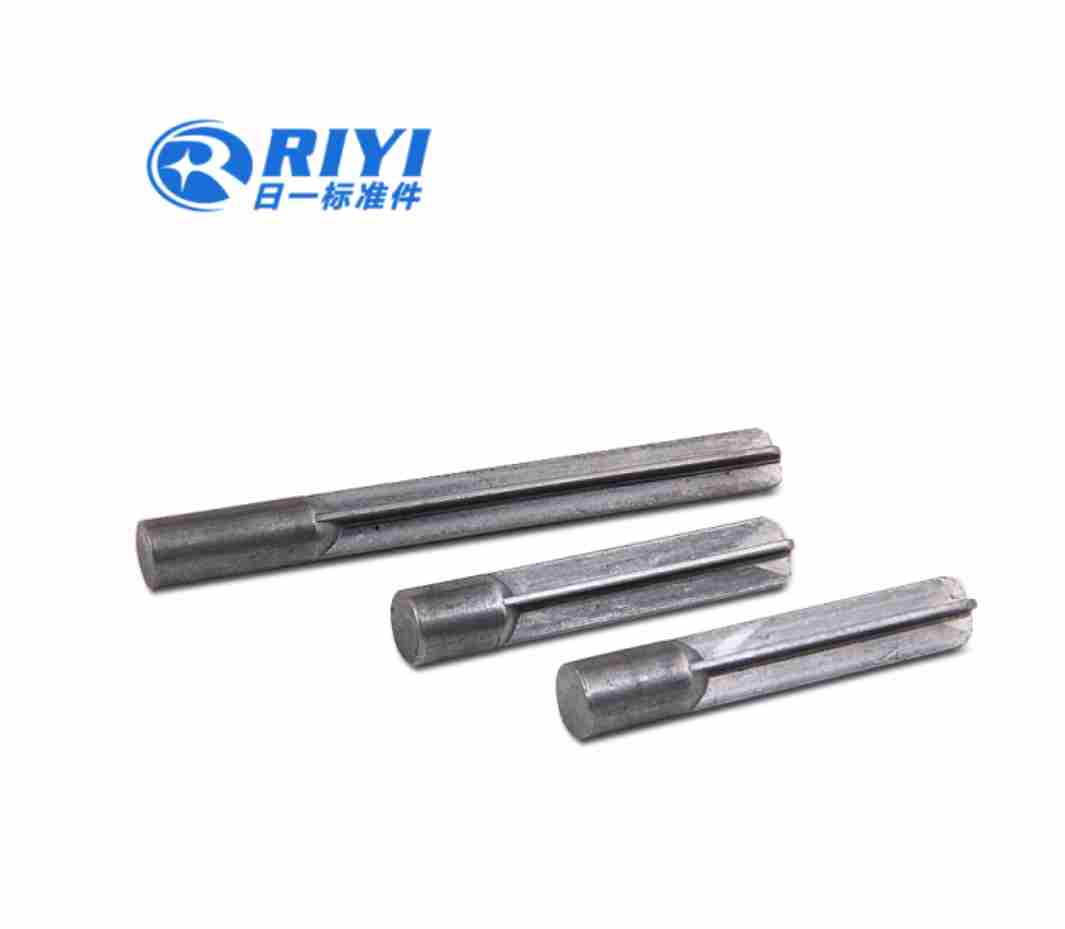
Cold Heading Components: High-performance Fastener Solutions from Wenzhou Riyi Standard Parts Co., Ltd
2026-09-29Cold heading processing shapes metal wire under strong pressure at room temperature without cutting raw materials. Unlike traditional CNC machining, this technology preserves the continuous metal grain flow inside cold heading parts.
-
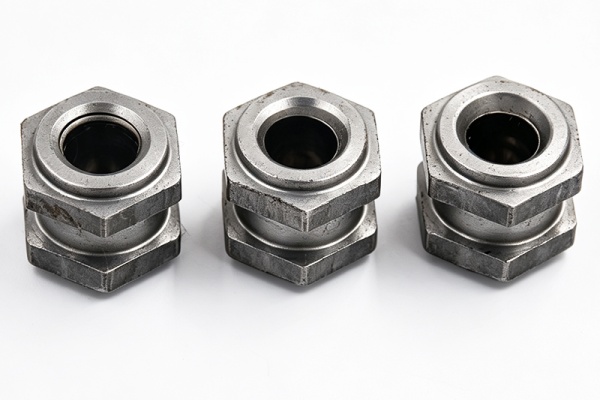
Special-shaped Bolts and Stainless Steel Double-ended Bolts from Wenzhou Riyi Standard Parts Co., Ltd
2026-09-23In modern mechanical manufacturing, construction engineering and equipment assembly, high-quality fasteners are the invisible foundation that guarantees structural safety and product stability.
-
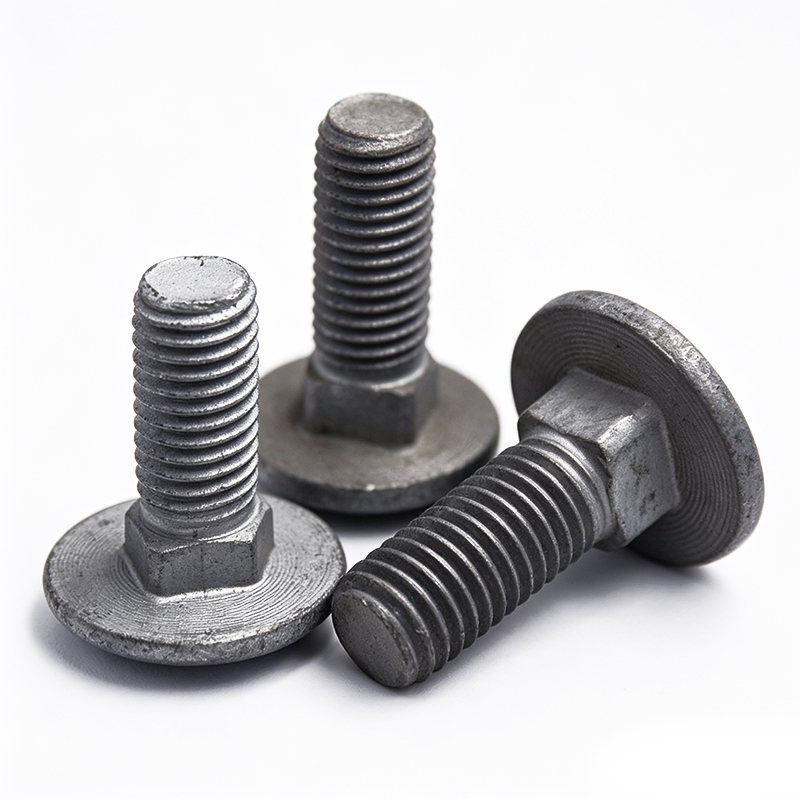
Precision Custom Fasteners from Wenzhou Riyi Standard Parts
2026-09-15Wenzhou Riyi Standard Parts is a reliable Chinese manufacturer focusing on custom non-standard fasteners, located in Wenzhou’s Binhai Economic Zone.
-
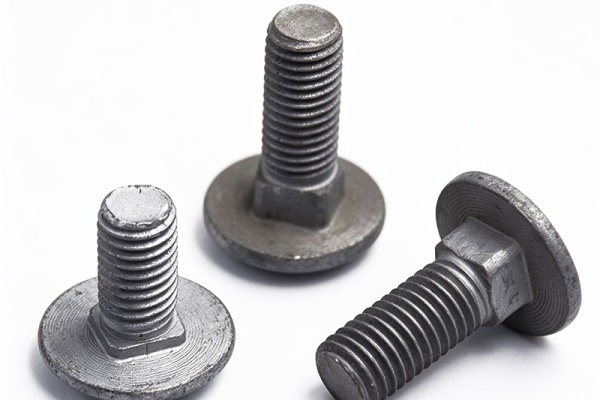
Aluminum Alloy Flange Bolts, Ball Head Studs & Dacromet Carriage Bolts – Reliable Fastener Startup Business
2026-09-08Fasteners are essential basic components widely used in machinery, automotive, engineering and equipment assembly industries.