What Is a T Screw? Understanding Its Design and Applications
In the world of mechanical engineering and industrial assembly, T screws—also known as T-shaped screws or T-head bolts—play a crucial role in providing strong, adjustable, and reliable fastening solutions. But what exactly is a T screw, and why has it become such an essential component across various industries?
A T screw is a type of fastener characterized by its distinctive T-shaped head. This design allows the screw to be easily inserted into a T-slot or channel, creating a secure connection without the need for additional locking parts. Once tightened, the head of the T screw locks firmly in place, preventing rotation and ensuring stability even under heavy loads.
One of the key advantages of T screws is their versatility. They are commonly used in machinery assembly, metal framing systems, construction equipment, and modular structures. Their simple yet effective design enables quick installation and removal, making them ideal for situations where adjustments or replacements are frequently required.
T screws are manufactured from a variety of materials, including carbon steel, stainless steel, aluminum alloy, and red copper, depending on the intended application. For example, carbon steel T screws are valued for their high strength, while aluminum alloy versions are lightweight and resistant to corrosion—perfect for use in automotive or aerospace industries.
Additionally, large-head T screws are often used in situations where greater surface contact and load distribution are necessary, providing extra stability in high-torque applications.
As industries continue to innovate and demand more efficient fastening systems, T screws remain a preferred choice due to their strength, reliability, and adaptability. Whether in industrial machinery, assembly lines, or precision equipment, these fasteners provide the perfect balance between performance and practicality.
In short, the T screw is much more than just a simple bolt—it’s a key component driving modern engineering efficiency and design flexibility.
Latest News
-
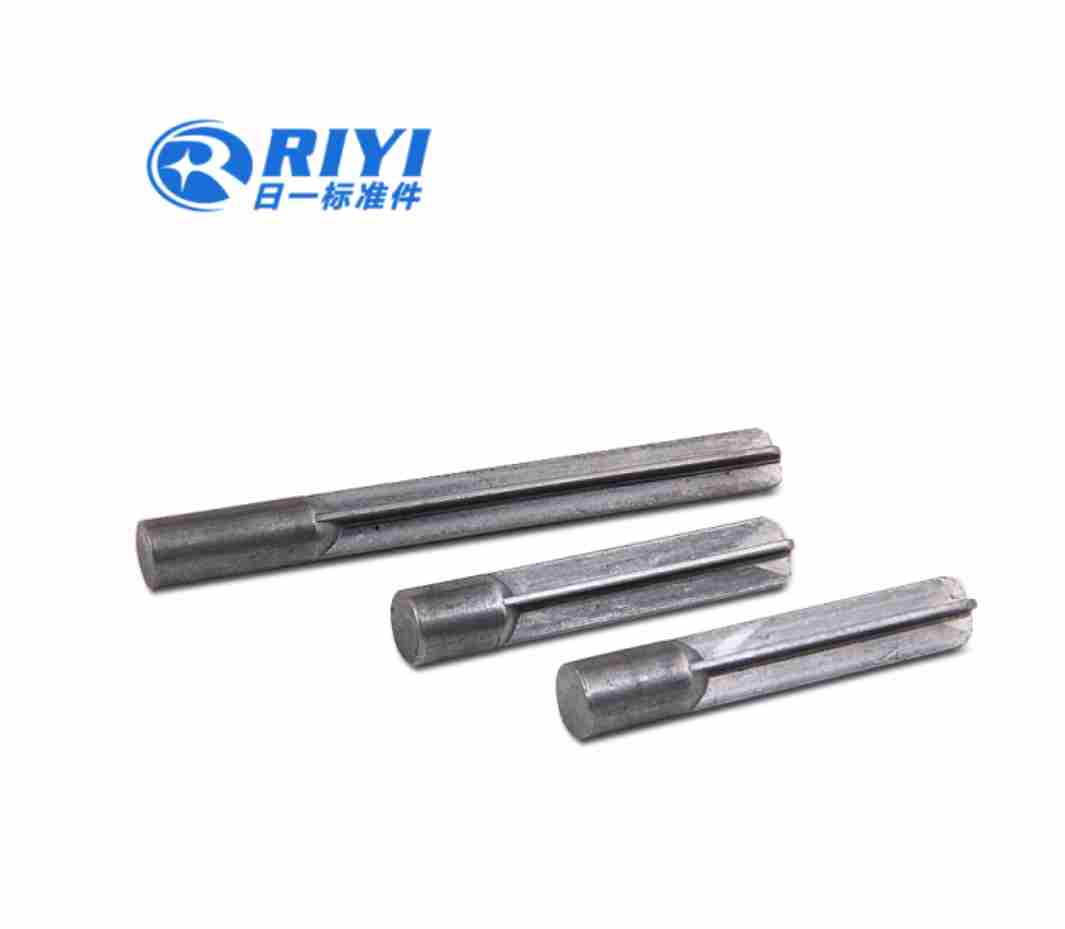
Cold Heading Components: High-performance Fastener Solutions from Wenzhou Riyi Standard Parts Co., Ltd
2026-09-29Cold heading processing shapes metal wire under strong pressure at room temperature without cutting raw materials. Unlike traditional CNC machining, this technology preserves the continuous metal grain flow inside cold heading parts.
-
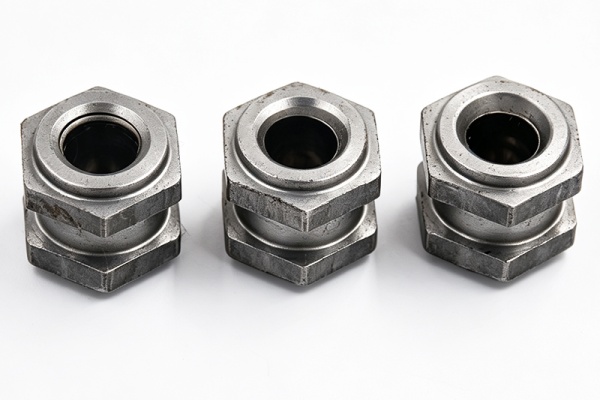
Special-shaped Bolts and Stainless Steel Double-ended Bolts from Wenzhou Riyi Standard Parts Co., Ltd
2026-09-23In modern mechanical manufacturing, construction engineering and equipment assembly, high-quality fasteners are the invisible foundation that guarantees structural safety and product stability.
-
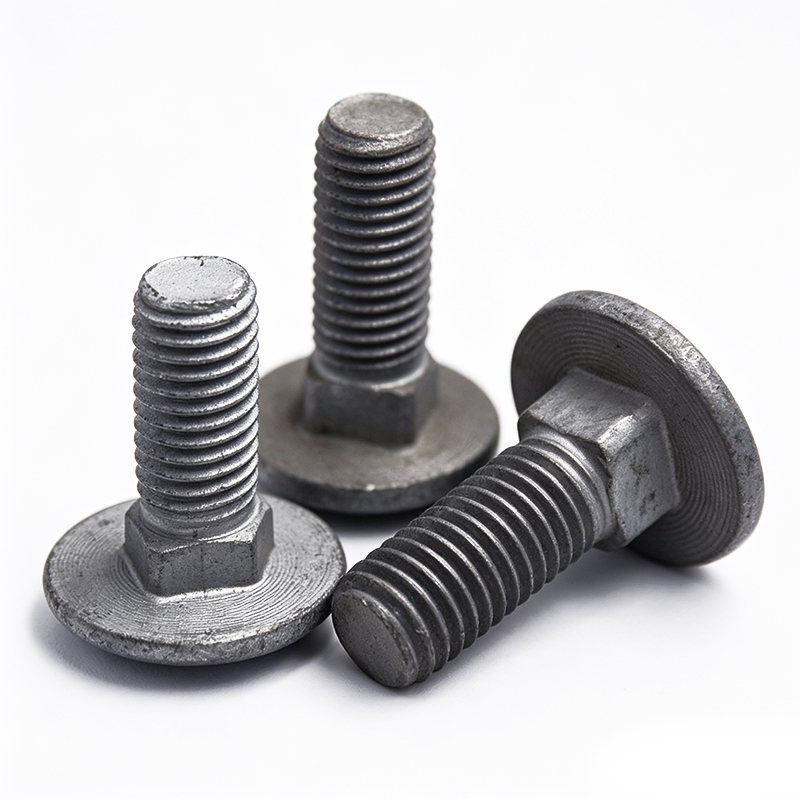
Precision Custom Fasteners from Wenzhou Riyi Standard Parts
2026-09-15Wenzhou Riyi Standard Parts is a reliable Chinese manufacturer focusing on custom non-standard fasteners, located in Wenzhou’s Binhai Economic Zone.
-
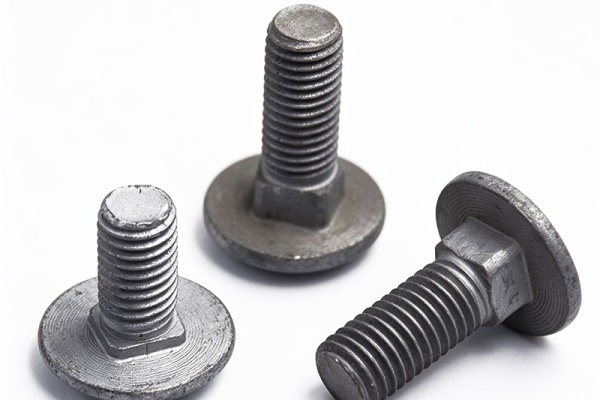
Aluminum Alloy Flange Bolts, Ball Head Studs & Dacromet Carriage Bolts – Reliable Fastener Startup Business
2026-09-08Fasteners are essential basic components widely used in machinery, automotive, engineering and equipment assembly industries.