Products


Umbrella-Shaped Through Hole Nut
Umbrella-type through-hole nut, named because its shape resembles an open umbrella, is a plate fastener with internal threads. The main body is usually composed of a circular umbrella cover and a handle with teeth or patterns. It is made of carbon steel, stainless steel or aluminum alloy by cold heading or machining.
Send Inquiry
Product Description
Product introduction
Umbrella-type through-hole nut, named because its shape resembles an open umbrella, is a plate fastener with internal threads. The main body is usually composed of a circular umbrella cover and a handle with teeth or patterns. It is made of carbon steel, stainless steel or aluminum alloy by cold heading or machining. When installing, pass the handle through the prefabricated hole in the plate, and use special tools or stamping equipment to pull it so that the handle deforms, expands, and engages the back of the plate. At the same time, the umbrella cover closely fits the front of the plate, thereby forming a permanent internal thread bearing point on the thin plate. The large contact surface of the canopy can effectively disperse the pressure and vibration during tightening. This product is mainly used for threaded connections of various types of metal or higher-strength non-metallic sheets, and is especially widely used in box structures that can only be operated on one side or have closed cavities. It provides a convenient thread-embedded solution for reliable threaded connections between sheet metal parts, component assembly and subsequent maintenance. It is one of the basic fastening elements commonly used in sheet metal processing and assembly.
Product features
Single-sided installation, easy operation: only one-time riveting or riveting operation is required from the front of the plate to complete the installation, no need to operate from the back, especially suitable for closed or hard-to-reach cavity structures.
High torsional and tensile properties: Its umbrella-shaped head and handle (usually with patterns or ring grooves) produce plastic deformation after installation, tightly bite the plate, forming a strong mechanical interlock, and can withstand high-intensity torsional loads and axial pullout forces.
Large load-bearing surface, protects the plate: The wide umbrella-shaped head provides a larger force contact area, which can effectively disperse the pressure of the fastener on the plate and prevent the plate from deforming or crushing due to stress concentration. It is especially suitable for thin plate connections.
Smooth and beautiful, anti-rotation and anti-loosening: after installation, the head is flush with the board surface or slightly convex, and the appearance is smooth and smooth. Its structural design has good anti-rotation and anti-loosening capabilities, can resist vibration, and ensures long-term reliability of the connection.
Provides stable internal threads: A high-strength, removable and reusable standard internal thread hole is formed on the thin plate, which greatly improves the connection function of the plate and the convenience of subsequent maintenance.
Product application
Chassis cabinets and sheet metal shells: widely used in sheet metal structures such as communication cabinets, power control boxes, and industrial instrument shells. Providing strong and removable threaded connection points for mounting circuit boards, rails, panels or internal components inside a closed box is a key element for modular assembly.
Automobile and transportation: used in automobile bodies, chassis components, interior panels, motorcycle frames, and interior decoration and structural parts of rail transit vehicles. It is used to fix wire harnesses, decorative parts, functional modules or access covers, and adapts to the high-strength requirements for lightweight plate connections in vehicle manufacturing.
Electronic and electrical equipment: On the metal shells or brackets of servers, computers, household appliances, lighting equipment and other products, reliable threaded interfaces are provided for the installation of circuit boards, radiators, interface panels and other components to meet the assembly needs of precision equipment.
Metal furniture and display equipment: often used in office furniture, storage shelves, commercial display racks and other products made of metal profiles or plates to achieve rapid assembly, connection and later adjustment of components, taking into account structural strength and aesthetics.
Industrial equipment and protective facilities: Used to connect panels, covers or accessories on ventilation ducts, filter equipment, mechanical equipment protective covers, amusement facilities and other products. Its anti-vibration and anti-loosening properties ensure safe connection in dynamic environments.
FAQ
Q: What is the difference between umbrella-shaped through-hole nuts and ordinary welding nuts and pressure riveting nuts?
A: The main difference lies in the installation method and applicable scenarios. Welding nuts need to be welded, which will cause thermal deformation and have requirements on the plate; ordinary riveting nuts (such as S series) require double-sided operation. The umbrella nut only needs to be installed on one side (via riveting or pressure riveting tools), which is especially suitable for closed cavities or situations where only one side is operable, making installation more flexible and convenient.
Q: What are the plate material requirements for installing umbrella-type through-hole nuts?
A: Mainly suitable for metal sheets with certain ductility, such as steel plates, aluminum plates, stainless steel plates, etc. The hardness of the plate is recommended to be lower than the nut hardness to ensure effective bite. The thickness of the plate must be within the applicable range specified by the nut. If it is too thin, the bite may not be strong, and if it is too thick, it may not be fully installed or the handle may not be fully deformed.
Q: Can the umbrella-shaped through-hole nut be removed after installation?
A: The nut body is permanently fixed on the plate after installation and is designed to be non-detachable. However, its internal standard threads can be reused, that is, the matching bolts can be screwed in and out multiple times to facilitate the installation and maintenance of components.


Latest News
-
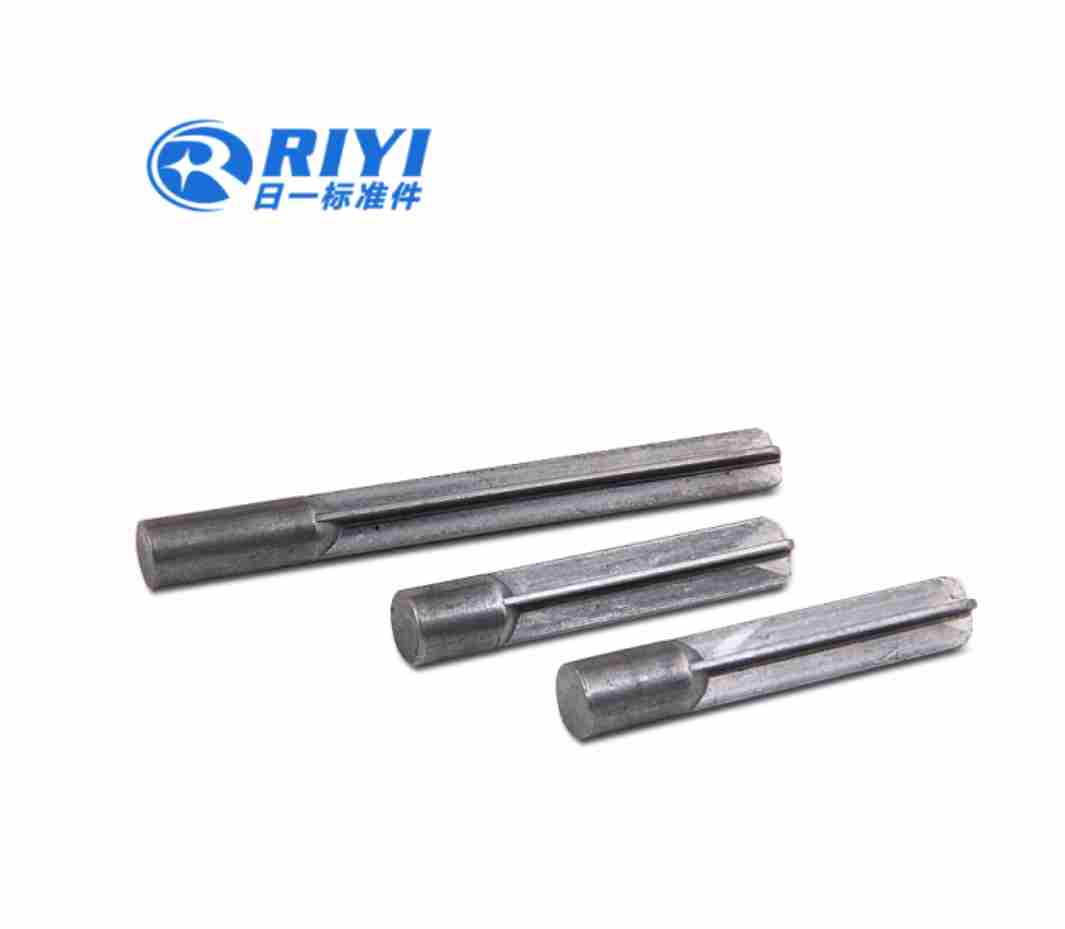
Cold Heading Components: High-performance Fastener Solutions from Wenzhou Riyi Standard Parts Co., Ltd
2026-09-29Cold heading processing shapes metal wire under strong pressure at room temperature without cutting raw materials. Unlike traditional CNC machining, this technology preserves the continuous metal grain flow inside cold heading parts.
-
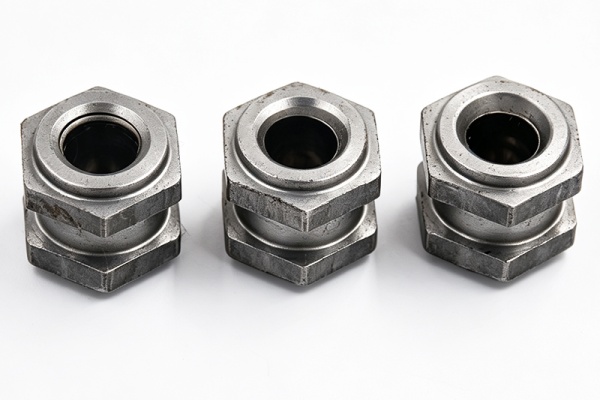
Special-shaped Bolts and Stainless Steel Double-ended Bolts from Wenzhou Riyi Standard Parts Co., Ltd
2026-09-23In modern mechanical manufacturing, construction engineering and equipment assembly, high-quality fasteners are the invisible foundation that guarantees structural safety and product stability.
-
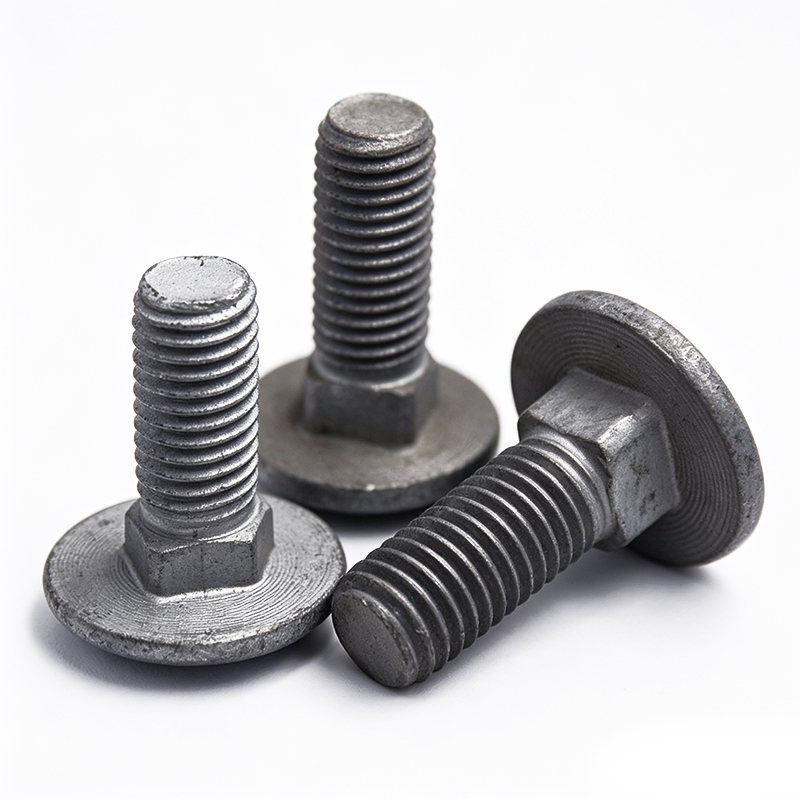
Precision Custom Fasteners from Wenzhou Riyi Standard Parts
2026-09-15Wenzhou Riyi Standard Parts is a reliable Chinese manufacturer focusing on custom non-standard fasteners, located in Wenzhou’s Binhai Economic Zone.
-
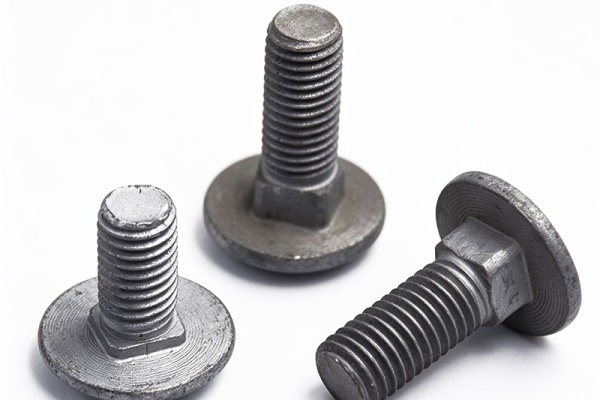
Aluminum Alloy Flange Bolts, Ball Head Studs & Dacromet Carriage Bolts – Reliable Fastener Startup Business
2026-09-08Fasteners are essential basic components widely used in machinery, automotive, engineering and equipment assembly industries.