Products


Stainless Steel All Metal Wheel Hub Lock Nuts
The hub lock nut is a key connection on the vehicle hub system (axle, hub bearing, etc.). It is usually a fastener nut with a special locking structure (such as nylon ring, metal deformation section, flange combination, etc.).
Send Inquiry
Product Description
Product introduction
The hub lock nut is a key connection on the vehicle hub system (axle, hub bearing, etc.). It is usually a fastener nut with a special locking structure (such as nylon ring, metal deformation section, flange combination, etc.). Its function is to maintain the preset clamping force for a long time under high vibration, impact load and temperature changes, prevent the connection from loosening, thereby ensuring the wheel hub bearing pre-tightening force and driving safety.
Product design and features
Nylon insert locking type, the nylon ring on the top or inside of the nut generates elastic pressure to increase friction. Features and application scenarios: good anti-loosening effect and sealing. It is common in passenger cars and is a classic design of auto parts nuts.
All-metal deformation locking type, elastic/plastic deformation occurs in part of the nut (such as the grooved closing part), resulting in continuous locking force. Features and application scenarios: High temperature resistance, reusable, suitable for non-standard nut designs that require extremely high reliability.
The mechanical combination locking type is physically locked through independent locking plates, locking rings or auxiliary screws. Features and application scenarios: The highest reliability and is commonly used in heavy-duty wheel hub systems of commercial vehicles and construction machinery.
The flange surface/cone surface type has its own integrated gasket flange or cone surface, providing a larger pressing area and positioning accuracy. Features and application scenarios: it can evenly distribute the load. It is a common form of standard wheel hub fastener nuts.
The integrated locking assembly integrates the adjusting nut, elastic washer, and limit ring into an integrated design. Features and application scenarios: compact structure, easy adjustment, and used for special-shaped nuts or wheel hub bearing units with limited space.
Materials, processes and application fields
High-strength alloy steel: such as SCM435, which reaches high-strength grades such as 8.8, 10.9, and 12.9 through heat treatment (quenching and tempering), and is the first choice to withstand heavy loads.
Stainless steel: mainly 304 or 316 series, providing excellent corrosion resistance and suitable for outdoor or harsh environments.
Surface treatment: Common ones include galvanizing, Dacromet, zinc-aluminum coating and PTFE (Teflon) coating. The coating not only prevents rust, but also stabilizes the coefficient of friction and ensures precise torque-to-clamping force conversion.
Application areas
Passenger cars and commercial vehicles: from family cars to heavy-duty trucks, they are one of the most core auto parts nuts.
High-end modification and racing: use forged lightweight materials (such as titanium alloy) or special-shaped nuts to balance performance and personality.
New energy vehicles: To adapt to new chassis structures and lightweight requirements, special non-standard nuts may appear.
Engineering machinery and rail transit: The requirements for strength, weather resistance and reliability of nuts are extremely stringent.
Quality control and certification system
Core testing items: Professional testing is a guarantee of safety. The main items include:
Mechanical properties: hardness, tensile/yield strength, proof load, torque coefficient.
Durability and reliability: transverse vibration test, axial load fatigue test, hydrogen embrittlement test.
Environmental suitability: salt spray test (evaluation of corrosion resistance).
Geometric accuracy: Thread pass and stop gauge inspection, three-coordinate measurement.
Standards and certifications followed: Production and testing are based on international standards (such as ISO 898-1), national standards (such as GB/T 3098.1) and strict automotive industry specifications. ISO 16426 is an authoritative certification for the quality assurance system of fastener manufacturers. It means that the company has the ability to produce close to "zero defect" products.
Customized services
When standard products cannot meet the needs, customized services are the key. Professional manufacturers can provide special-shaped nuts or non-standard nuts:
Design customization: modify thread specifications (such as fine thread), flange shape, locking structure, or design an integrated assembly.
Material and performance customization: Select specified alloys to achieve special strength levels or corrosion resistance requirements.
Customized surface treatment: Match specific friction coefficient or appearance color.
Collaborative development: Intervene from the vehicle design stage to provide system solutions for auto parts nuts.
FAQ
Q: To customize a non-standard hub nut, what key information should be provided?
A: It is necessary to provide: detailed drawings or three-dimensional models; clear performance requirements (strength, torque coefficient, salt spray test time); usage environment (temperature, medium); material and surface treatment preferences; and estimated demand so that the manufacturer can evaluate the process (such as whether it is suitable for cold heading).
Q: Can the wheel hub locking nut be reused?
A: This is a key safety issue that needs to be discussed in categories: Reuse is strongly not recommended: especially for nylon insert locking nuts, the locking force of the nylon ring will be greatly attenuated due to disassembly. Many car manufacturers clearly state in their repair manuals that they are single-use parts.
All-metal locking nut: If there is no visible deformation or damage after inspection, it can be reused for a limited number of times, but close monitoring is required.
Best practice: For safety-critical auto parts nuts, especially after a complete "tightening-service-disassembly" cycle, it is recommended to directly replace the nuts with new ones, and the cost is much lower than the potential risks.
Q: How to judge whether the quality of a wheel nut is reliable?
A: A reliable fastener nut should have:
Clear labeling: Products should be clearly marked with strength grade, brand or manufacturer logo.
Compliance certification: Products should be able to provide material or mechanical performance test reports that comply with standards such as ISO 898-1.
Precise workmanship: the threads are smooth and burr-free, the coating is even, and the locking structure (such as nylon ring) is installed correctly.


Latest News
-
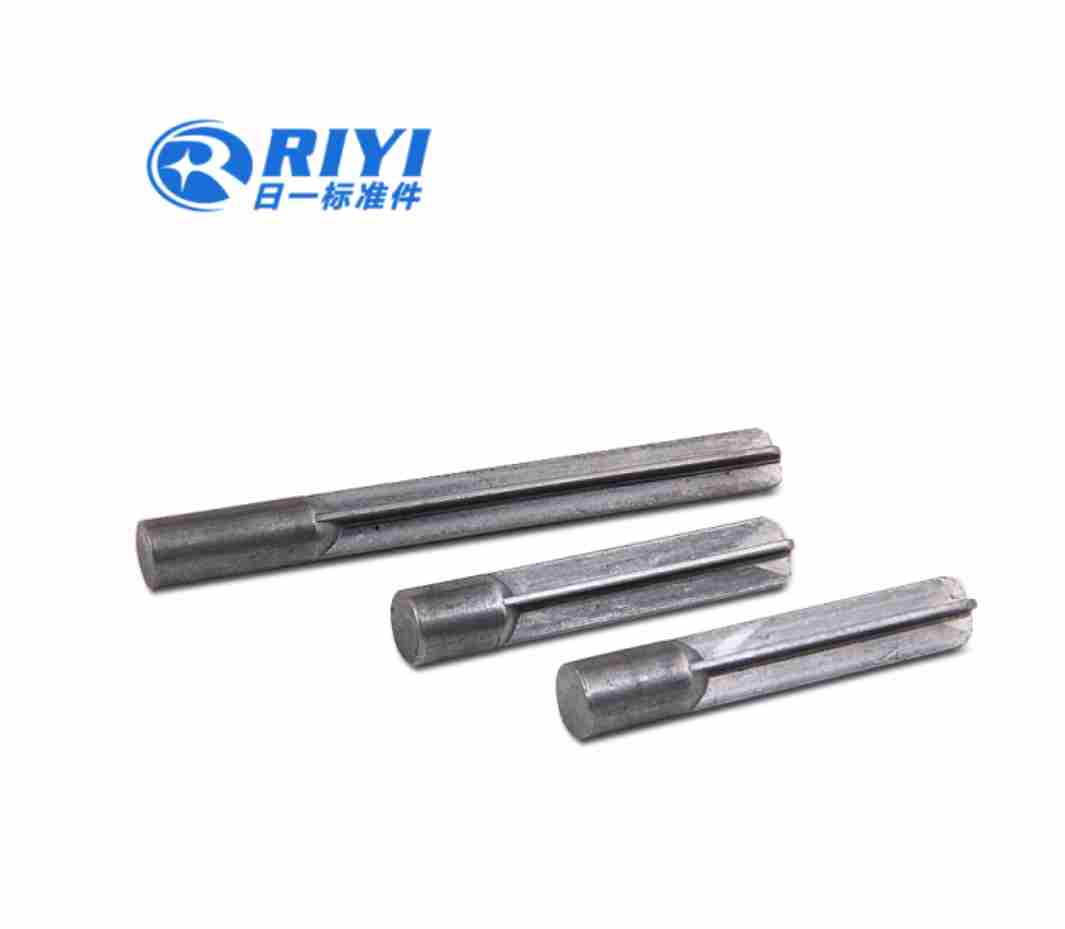
Cold Heading Components: High-performance Fastener Solutions from Wenzhou Riyi Standard Parts Co., Ltd
2026-09-29Cold heading processing shapes metal wire under strong pressure at room temperature without cutting raw materials. Unlike traditional CNC machining, this technology preserves the continuous metal grain flow inside cold heading parts.
-
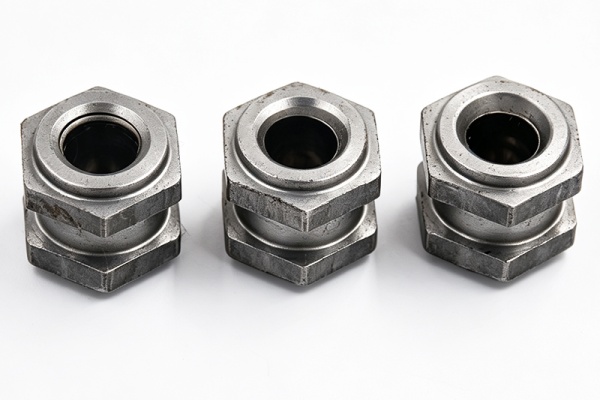
Special-shaped Bolts and Stainless Steel Double-ended Bolts from Wenzhou Riyi Standard Parts Co., Ltd
2026-09-23In modern mechanical manufacturing, construction engineering and equipment assembly, high-quality fasteners are the invisible foundation that guarantees structural safety and product stability.
-
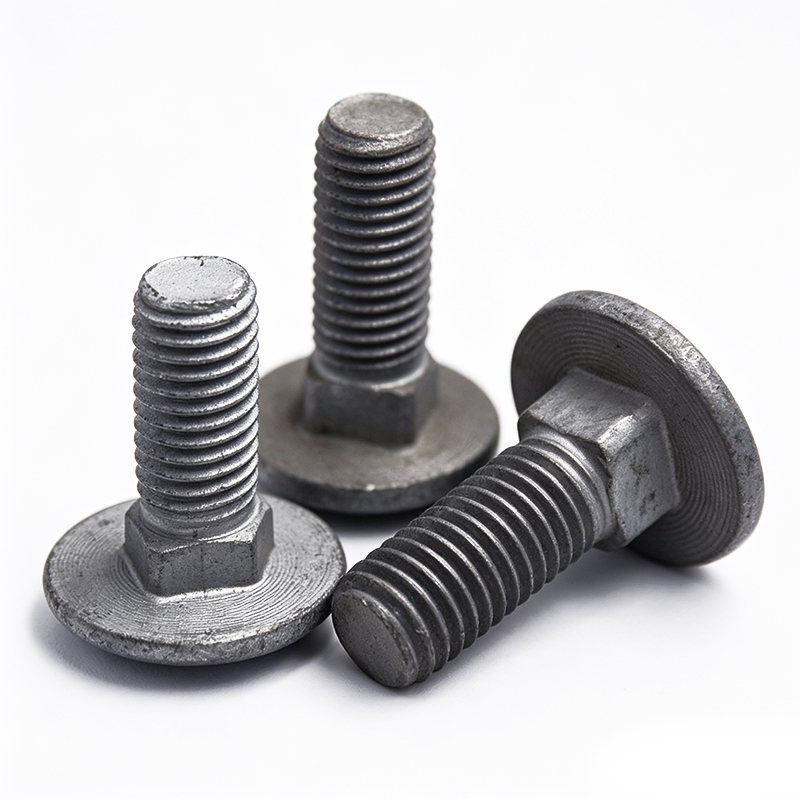
Precision Custom Fasteners from Wenzhou Riyi Standard Parts
2026-09-15Wenzhou Riyi Standard Parts is a reliable Chinese manufacturer focusing on custom non-standard fasteners, located in Wenzhou’s Binhai Economic Zone.
-
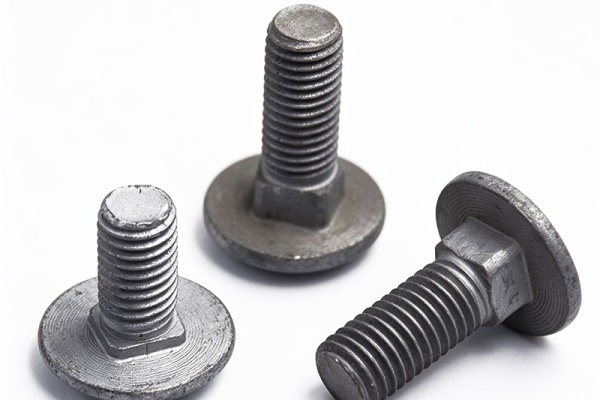
Aluminum Alloy Flange Bolts, Ball Head Studs & Dacromet Carriage Bolts – Reliable Fastener Startup Business
2026-09-08Fasteners are essential basic components widely used in machinery, automotive, engineering and equipment assembly industries.