Products


Hexagon Socket Double Joint With Internal And External Teeth
The external hexagonal double-section internal and external thread joint is an efficient and reliable connector in the pipeline system. It is specially designed to solve the conversion and connection of pipe fittings of different specifications, different threads or different materials. Its structure is exquisite, and both ends are processed with threads.
Send Inquiry
Product Description
Product introduction
The external hexagonal double-section internal and external thread joint is an efficient and reliable connector in the pipeline system. It is specially designed to solve the conversion and connection of pipe fittings of different specifications, different threads or different materials. Its structure is exquisite, and both ends are processed with threads. One end is external thread (male thread), and the other end is internal thread (female thread), forming a "double-section" structure. The hexagonal design in the middle makes it easy to use a standard wrench for tightening and disassembly, with easy operation and strong sealing. The core advantage of this product is its excellent adaptability and flexibility. It can easily perform the following functions: Adapter reducing: connecting two pipe threads of different diameters. Internal and external conversion: Converts externally threaded ports to internally threaded ports, or vice versa. Extension connection: As a nipple, it effectively extends the length of the threaded end of the pipe. It is widely used in pipeline installation and maintenance in the fields of water supply and drainage, fire protection, gas, industrial equipment and chemical industry. Made of high-quality steel, stainless steel or brass, it ensures excellent pressure resistance, corrosion resistance and long-term durability. It is an indispensable multi-functional connection solution in pipeline engineering.
Product features
1. Exquisite structure and powerful functions
The product adopts a unique "double-section" structure, with one end having an external thread and the other end having an internal thread, integrating transfer, diameter reduction and extension functions. It can directly connect pipe fittings of different specifications and thread directions, simplifying complex connections and solving many difficult transfer problems in the pipeline system.
2. Reliable connection and good sealing
The external hexagonal design in the middle facilitates the use of a wrench for firm tightening, provides sufficient torque, ensures the mechanical strength and sealing performance of the connection, effectively prevents leakage of pipeline media at the connection, and ensures safe and stable operation of the system.
3. Flexible and versatile, widely used
Its powerful conversion capabilities make it highly versatile. Whether it is a same-diameter connection, a different-diameter connection, or a conversion between internal and external teeth, it can be easily handled and is widely used in various scenarios such as water supply and drainage, fire protection, industrial equipment, and chemical pipelines.
4. Durable, cost-effective
They are mostly made of high-quality metal materials (such as carbon steel, stainless steel, and brass), which have good pressure resistance, corrosion resistance, and long service life. At the same time, it reduces the need for the combined use of multiple joints, simplifies the installation process, and saves time and costs.
Product application
1. Conversion and diameter reduction of piping system
This is its core application. This joint is the most straightforward solution when you need to connect two pipe fittings of different diameters, or one with external threads and the other with internal threads. For example, reliably connect a 1-inch female pipe to a 3/4-inch male pipe.
2. Connection and installation of equipment interfaces
Commonly used for the inlet and outlet installation of water pumps, valves, pressure gauges, water heaters and other mechanical equipment. When the equipment interface does not match the piping system, this joint can act as a perfect "intermediary" to achieve a quick and sealed connection.
3. Pipeline repair and extension
In pipeline repair projects, it can be used to replace damaged pipe sections or threaded ends. At the same time, it can also be used as a "short-circuit" or "extension pipe" to make up for the lack of pipe length or adjust the installation distance between pipe fittings.
4. Specific industry applications
Civil field: pipe connections for building water supply and drainage, heating, ventilation and air conditioning (HVAC) systems. Fire protection system: connection and diameter reduction of fire hydrants and sprinkler pipe networks. Industrial field: used for the connection of instruments, valves and other components in equipment pipeline installation and process pipelines in chemical, pharmaceutical, food processing and other industries. Gas transmission: used for sealing connections of some low-pressure gas transmission pipelines.
FAQ
Q: What do the "double joints" and "internal and external teeth" in this product name mean?
A: "Double joint" means that the joint body is divided into two connecting sections; "internal and external threads" is an industry slang. "Internal threads" refer to internal threads, and "external threads" refer to external threads. Therefore, this product is a connector with internal threads and external threads at both ends.
Q: How to choose the correct specification model?
A: You need to confirm three key dimensions: Thread type: Is it British pipe thread (such as G, R) or American NPT thread? It's about tightness. Dimensions: nominal diameter of threads at both ends, such as DN15, DN20 (or 1/2 inch, 3/4 inch). If it is a reducing joint, the dimensions at both ends will be different. Material: Selected according to the fluid medium and environment. Brass (corrosion-resistant), stainless steel (high strength, corrosion-resistant) and carbon steel (economical, requiring electroplating to prevent rust) are common.
Q: How much pressure can it withstand?
A: Working pressure depends on the material, manufacturing process and specifications of the product. Usually the maximum pressure value will be marked on the product description or packaging. Please ensure that its rated pressure is not lower than the design pressure of the piping system in which it is located.


Latest News
-
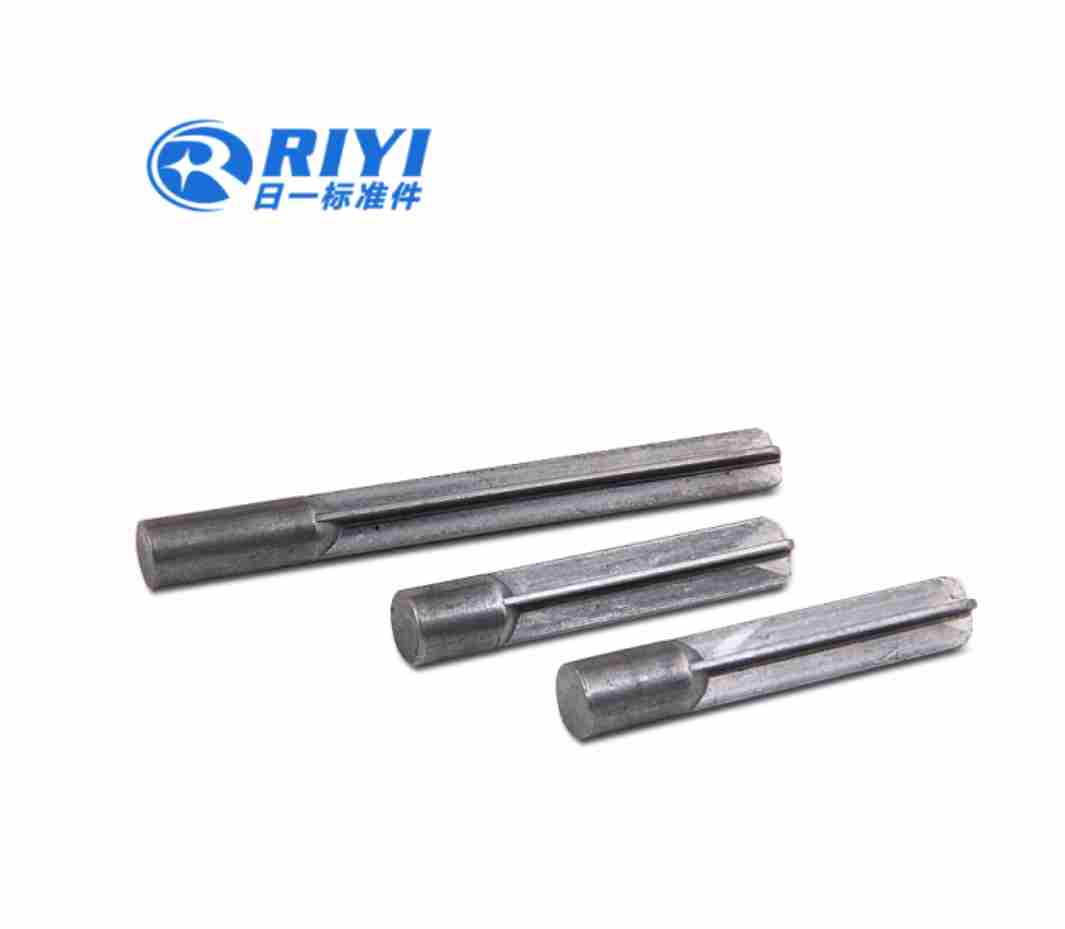
Cold Heading Components: High-performance Fastener Solutions from Wenzhou Riyi Standard Parts Co., Ltd
2026-09-29Cold heading processing shapes metal wire under strong pressure at room temperature without cutting raw materials. Unlike traditional CNC machining, this technology preserves the continuous metal grain flow inside cold heading parts.
-
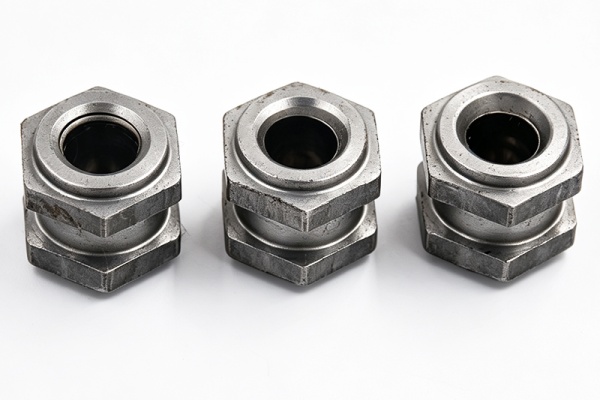
Special-shaped Bolts and Stainless Steel Double-ended Bolts from Wenzhou Riyi Standard Parts Co., Ltd
2026-09-23In modern mechanical manufacturing, construction engineering and equipment assembly, high-quality fasteners are the invisible foundation that guarantees structural safety and product stability.
-
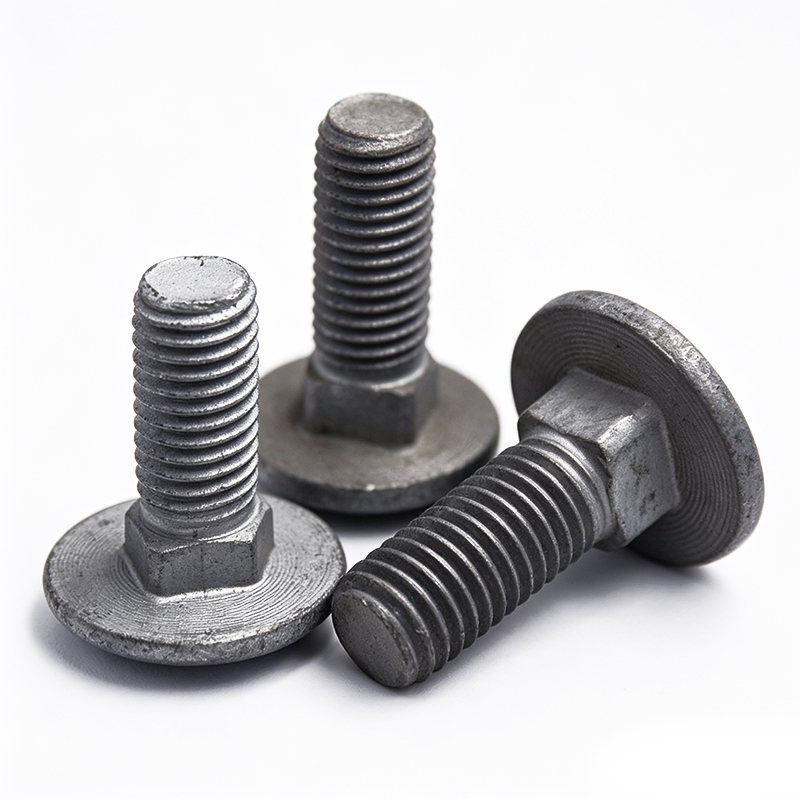
Precision Custom Fasteners from Wenzhou Riyi Standard Parts
2026-09-15Wenzhou Riyi Standard Parts is a reliable Chinese manufacturer focusing on custom non-standard fasteners, located in Wenzhou’s Binhai Economic Zone.
-
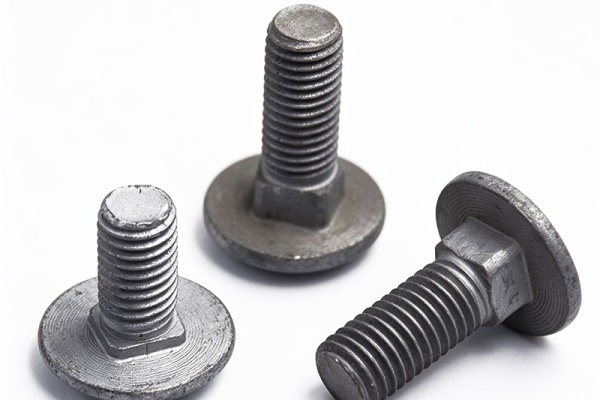
Aluminum Alloy Flange Bolts, Ball Head Studs & Dacromet Carriage Bolts – Reliable Fastener Startup Business
2026-09-08Fasteners are essential basic components widely used in machinery, automotive, engineering and equipment assembly industries.