Products


Titanium Alloy Hex Socket Head Cap Screws
This product is a typical custom-made non-standard screw. The head adopts a pan head design, which has a large contact area and even force. The internal hexagonal drive groove has high torque transmission efficiency and is not easy to slip.
Send Inquiry
Product Description
Product introduction
This product is a typical custom-made non-standard screw. The head adopts a pan head design, which has a large contact area and even force. The internal hexagonal drive groove has high torque transmission efficiency and is not easy to slip. As a special shape screw, it is made of TC4/GR5 titanium alloy. Its density is only 60% of stainless steel, and its strength is comparable to 10.9 grade steel bolts. It is lightweight, high-strength, non-magnetic and has excellent corrosion resistance.
Products are widely used in fields such as medical equipment, aerospace, precision instruments, and high-end electronic equipment that have stringent requirements for lightweight and reliability. We focus on the R&D and production of customized special-shaped screws and titanium alloy non-standard screws. We can provide customized services for titanium alloy cold-headed non-standard parts and titanium alloy special-shaped bolts. Sizes, tolerances, head shapes, and surface treatments can all be processed according to drawings. We support small batch samples and large-volume supply. Welcome to inquire with drawings.
Product design and features
Advantages of the pan head design: The top of the pan head screw is round and the bottom is flat, which has a larger surface area and can distribute the load more evenly and avoid crushing the surface of the connecting piece. Compared with countersunk head screws, pan heads protrude from the surface after installation, making disassembly easier; compared with round heads, pan heads provide a larger pressure-bearing surface. The pan head design gives the screw a smooth and professional appearance, which is especially important in visible applications;
Hexagonal drive system: The hexagonal groove (Socket Head) is evenly stressed and can be easily tightened and loosened using a hexagonal wrench (hexagonal wrench) to ensure a secure installation. Compared with cross recess and slotted hexagonal drive, the internal hexagonal drive has higher torque transmission efficiency, is less likely to slip, and is suitable for high-precision assembly operations. Hexagon socket holes usually have depth standards, and they need to be inserted into place when using a wrench to avoid damaging the notch;
Titanium alloy material advantages: Titanium alloy has an excellent strength-to-weight ratio, with a density of about 4.5g/cm³, which is only about 60% of stainless steel. It is a truly lightweight and high-strength material. The tensile strength of TC4 (Ti-6Al-4V) titanium alloy can reach 900-1100MPa, which is equivalent to the strength of steel grade 10.9 bolts. In addition, titanium alloys are naturally corrosion-resistant, never rust in the presence of moisture, chemicals and harsh environments, and have a service life much longer than ordinary steel screws;
Excellent corrosion resistance: Titanium alloy has natural corrosion resistance, especially resistance to seawater and chloride ion corrosion, and performs well in highly corrosive environments such as marine engineering and chemical equipment. Unlike stainless steel (304, 316), which can suffer from pitting corrosion or stress corrosion cracking in salt spray environments, titanium alloys are perfectly resistant to these corrosions;
Non-magnetic properties: Titanium alloy has extremely low magnetic permeability and is completely non-magnetic. It is suitable for precision electronics, medical equipment and other occasions that are sensitive to magnetic fields;
Differences from stainless steel: The density of stainless steel is about 7.9g/cm³, which is about 40% heavier than titanium alloy; the strength grade of stainless steel is usually A2-70 (about 700MPa) or A4-80 (about 800MPa), and titanium alloy TC4 can reach more than 895MPa; stainless steel may suffer from pitting corrosion in a chloride ion environment, while titanium alloy is completely corrosion-resistant.
Materials and application fields
TC4/GR5 titanium alloy (Ti-6Al-4V): The most widely used α+β titanium alloy, with tensile strength ≥895MPa and excellent overall performance, it is the mainstream material for manufacturing titanium alloy non-standard screws. TC4 accounts for more than 80% of the aerospace industry and has the triple advantages of high strength, lightweight and corrosion resistance;
GR2/TA2 industrial pure titanium: good plasticity and excellent corrosion resistance, suitable for scenes with high formability requirements, and relatively low cost;
TA1 titanium alloy: excellent plasticity, suitable for parts with high cold heading forming requirements;
TC16 titanium alloy: has good cold heading performance and is suitable for mass production of titanium alloy cold heading non-standard parts;
As customized non-standard screws, its application areas cover multiple levels of high-end manufacturing:
Medical devices: surgical instruments, implants, rehabilitation equipment, diagnostic equipment, etc. Titanium alloy has good biocompatibility, is non-toxic and does not cause allergic reactions;
Aerospace: Fastening of aircraft structural parts, engine accessories, landing gear, avionics and other key parts. Titanium alloy's low specific gravity and high strength can significantly reduce the weight of the aircraft;
Precision electronics: Electronic equipment shells are fixed and internal structures are connected. Titanium alloy has both strength and beauty;
Marine engineering: ship accessories, seawater pipelines, offshore platform equipment, titanium alloy has excellent seawater corrosion resistance and can be used in salt spray environments for a long time;
Chemical equipment: fastening in electroplating equipment, reactors, pipeline flanges and other highly corrosive environments;
High-end manufacturing: semiconductor manufacturing equipment, FPD manufacturing equipment, optical equipment, vacuum equipment and other high-cleanliness scenarios;
New energy vehicles: battery pack structural parts, motor housing connections and other parts that require lightweighting;
Consumer upgrade products: high-end bicycles, motorcycles, high-performance vehicle modifications, etc.
Quality control and certification system
Raw material control: All titanium alloy materials come with material certificates, and the chemical composition is verified by a spectrum analyzer. TC4 (Ti-6Al-4V) main component requirements: Al 5.5%-6.8%, V 3.5%-4.5%, Fe≤0.30%, balance Ti;
Heat treatment process control: Heat treatment of titanium alloy has a significant impact on performance. Taking TC16 as an example, the temperature and time of quenching and aging need to be precisely controlled to ensure the balance of strength and toughness of the material. The traditional process uses two heat treatments, while modern CNC machining can be optimized to process directly after one heat treatment;
Dimensional accuracy control: Key dimensions (head diameter, head height, hexagonal size, thread accuracy, total length) are fully inspected or AQL sampled using professional measuring tools such as two-dimensional imagers, CCD image detection equipment, three-dimensional coordinate measuring machines, and thread gauges. Precision tolerance can reach within 0.02mm;
Hexagonal groove accuracy control: The hexagonal edge-to-side size and depth accuracy directly affect the wrench fit, and a special pass-and-stop gauge needs to be used to detect it to ensure reliable fit with the hexagonal wrench and no slipping;
Mechanical property testing
Tensile strength test: TC4/GR5 requires ≥895MPa;
Yield strength test (0.2% bearing pressure): TC4/GR5 requires ≥825MPa;
Hardness test: use Rockwell hardness tester or Vickers hardness tester;
Guaranteed load test: Verify that the bolt does not undergo significant plastic deformation under specified stress;
Metallographic inspection: Use an electron microscope to examine the microstructure to ensure that the ratio of α+β phases is reasonable and there are no defects such as overheating and overburning;
Non-destructive testing: For key applications, 100% fluorescence penetrant inspection (FPI) or X-ray inspection can be performed to check for internal cracks and defects;
Salt spray test: Use a salt spray testing machine to conduct a neutral salt spray test to verify the corrosion resistance;
Cleanliness testing: For clean environment applications such as semiconductors and medical care, dust-free cleaning and dust-free packaging have been completed to ensure that there is no oil or dirt attached to the surface;
System certification: The company has passed ISO 9001 quality management system certification. Medical products can meet ISO 13485 and FDA material registration requirements; automotive products can meet IATF 16949 requirements; aerospace products need to meet NADCAP certification and AMS 4928/Q standards. Ensure that each batch of titanium alloy cold heading non-standard parts has complete traceability.
Customized services
Size customization: Thread specifications (metric M1.6-M36, English, American), thread length, pan head diameter, pan head height, hexagonal size across sides, and total length can all be customized according to customer drawings or samples. The minimum order quantity can be as low as 500 pieces;
Head type customization: As special shape screws, in addition to standard pan heads, special head types such as round heads, countersunk heads (flat heads), cylindrical heads, flange heads, T-shaped heads, knurled heads, etc. can also be customized;
Material customization: Choose TC4/GR5, TA2/GR2, TA1, TC16 and other titanium alloy materials according to strength, corrosion resistance, biocompatibility and other requirements;
Customization of precision levels: Different tolerance levels can be customized according to assembly requirements, and the precision level can be within 0.02mm. The thread tolerance of aviation fasteners often requires ISO level 4 precision, and MJ threads or UNJ threads can be customized to meet aviation anti-loosening requirements;
Thread form customization: coarse thread, fine thread, rolling thread, cutting thread, left-hand thread, MJ aviation thread, etc. can be designed;
Customized surface treatment: titanium alloy natural color, pickled passivation surface, anodizing (silver, black, red, yellow, blue and other colors), PVD coating, dust-free cleaning and dust-free packaging, etc.;
Lightweight optimization customization: hollow bolt structures or weight-reducing grooves can be designed to reduce weight by 10%-20% while ensuring strength;
Processing technology customization:
CNC turning + milling: suitable for small batches (50-500 pieces), high precision, and customized non-standard screws with complex structures;
Hot heading forming: suitable for products with medium and large quantities (1000-5000 pieces) and relatively simple structures;
Titanium alloy cold heading non-standard parts: suitable for mass production (more than 5,000 pieces). It should be noted that titanium alloy cold heading has higher equipment and process requirements, which can significantly improve production efficiency and reduce material loss;
Packaging method: Anti-static packaging, tape packaging, customized labels, bulk or pallet packaging can be provided to meet the needs of automated assembly lines; high cleanliness applications can be cleaned and packaged through dust-free cleaning.
FAQ
Q: What are the advantages of titanium pan head hex socket screws compared with ordinary stainless steel screws?
A: There are three main advantages: First, it is lightweight. The density of titanium alloy is about 4.5g/cm³, which is about 40% lighter than stainless steel. Second, it is stronger. The tensile strength of TC4 titanium alloy can reach 900-1100MPa, which is better than stainless steel. A2-70 (700MPa); third, it never rusts, titanium alloy is naturally resistant to salt spray, acid and alkali corrosion, and performs well in chloride ion environments where stainless steel may suffer pitting corrosion; fourth, it is non-magnetic and is suitable for precision equipment that is sensitive to magnetic fields.
Q: What grade is the strength of TC4 titanium alloy equivalent to that of steel bolts?
A: The tensile strength of TC4 titanium alloy is ≥895MPa, and the 0.2% yield strength is ≥825MPa, which is close to the strength of steel grade 10.9 bolts (tensile strength ≥1000MPa). Some customized products can achieve higher strength. TC4 titanium alloy is known as an ideal material with both lightweight and high strength, and is widely used in the aerospace field.
Q: Why are titanium pan head hex socket screws more expensive?
A: There are three main reasons for the high price of titanium alloy pan head hexagon socket screws: First, the cost of titanium alloy raw materials is much higher than that of stainless steel and carbon steel; second, titanium alloy processing is difficult - titanium alloy has a small deformation coefficient, poor thermal conductivity, and obvious work hardening. The torque during processing is about 2 times that of ordinary materials, which can easily lead to tool wear and even tap breakage; third, it is particularly difficult to process small-sized and slender blind hole internal threads. When the aspect ratio exceeds 3 times, it is difficult to remove chips and it is difficult for coolant to enter the cutting area. Together, these factors result in higher manufacturing costs.
Q: How to choose between TA2 and TC4 titanium alloy screws?
A: To put it simply, TA2 is industrial pure titanium with moderate strength (equivalent to grade 4.6-6.8), good plasticity, excellent corrosion resistance, and relatively low cost. It can meet the fastening needs of most chemical and electroplating equipment; TC4 is a titanium alloy with high strength (equivalent to grade 10.9) and is suitable for key connection parts that bear large tensile and shear forces, but the cost is also higher. The selection should be based on specific stress requirements and budget.
Q: Can titanium alloy pan head hex socket screws be surface treated?
A: Yes. Titanium alloys themselves have excellent corrosion resistance and usually do not require additional coatings. However, if it is for appearance requirements (such as color anodizing) or to prevent galvanic corrosion, we can provide passivation, anodizing (multiple colors available), PVD coating and other treatments. It should be noted that conventional electroplating processes are not suitable for titanium alloys because the titanium surface is easily oxidized after activation.
Send Inquiry
Related Products
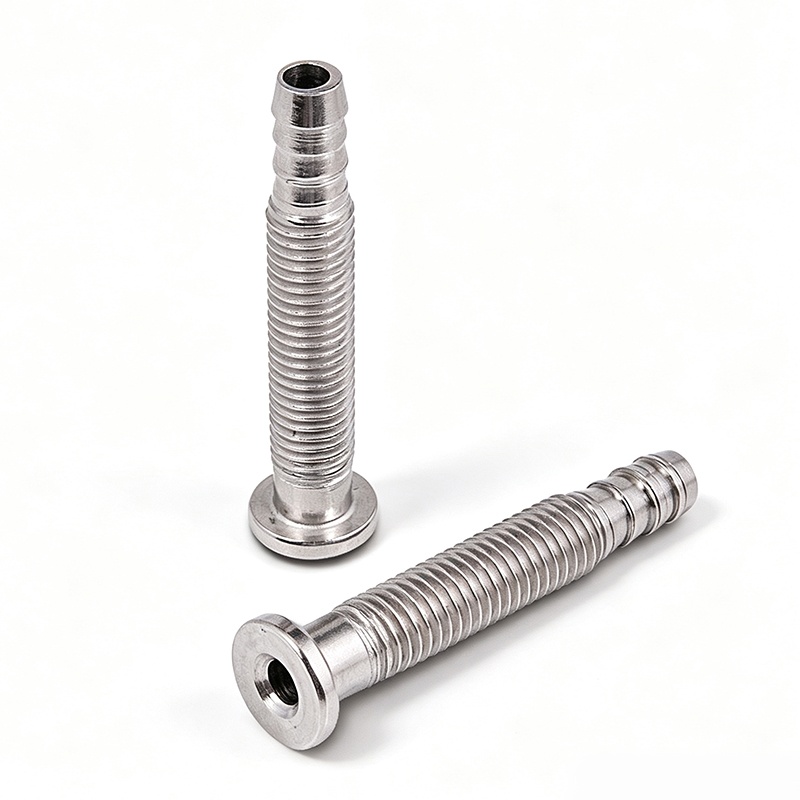 Stainless Steel External Threaded Hollow Multi-Step Connector
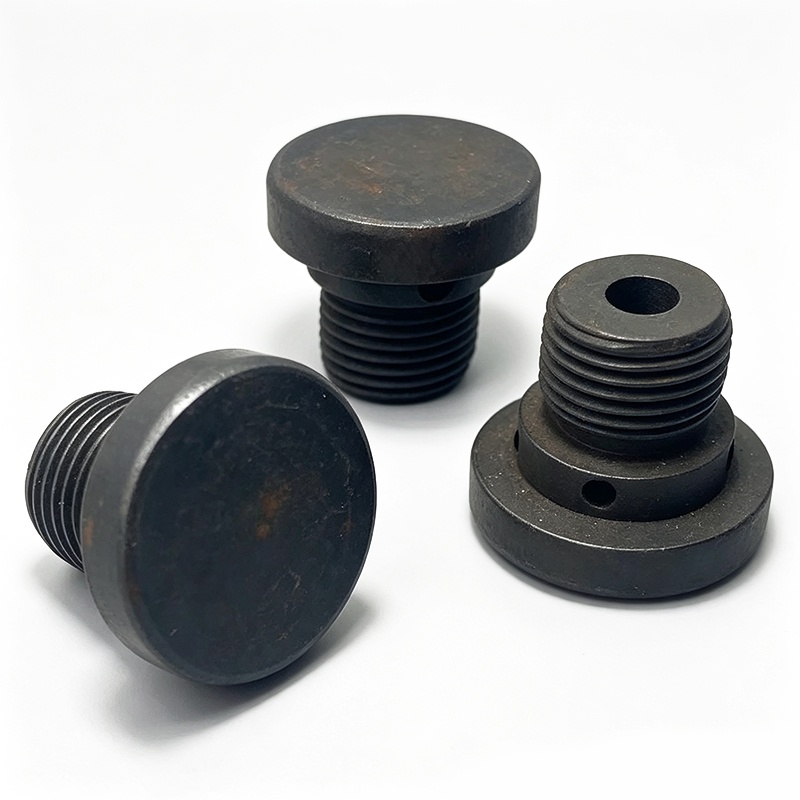 Round Head Hollow Threaded Plugs with Threaded Fasteners for Metal and Machinery
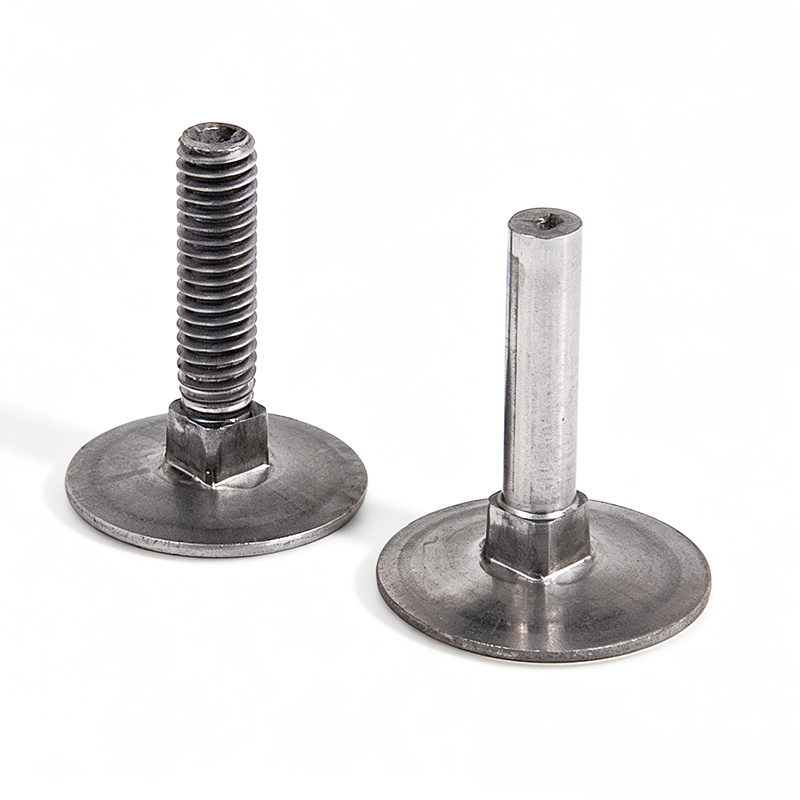 Flat Head Square Neck Adjusting Bolts with Flat Head Fasteners for Furniture and Machinery
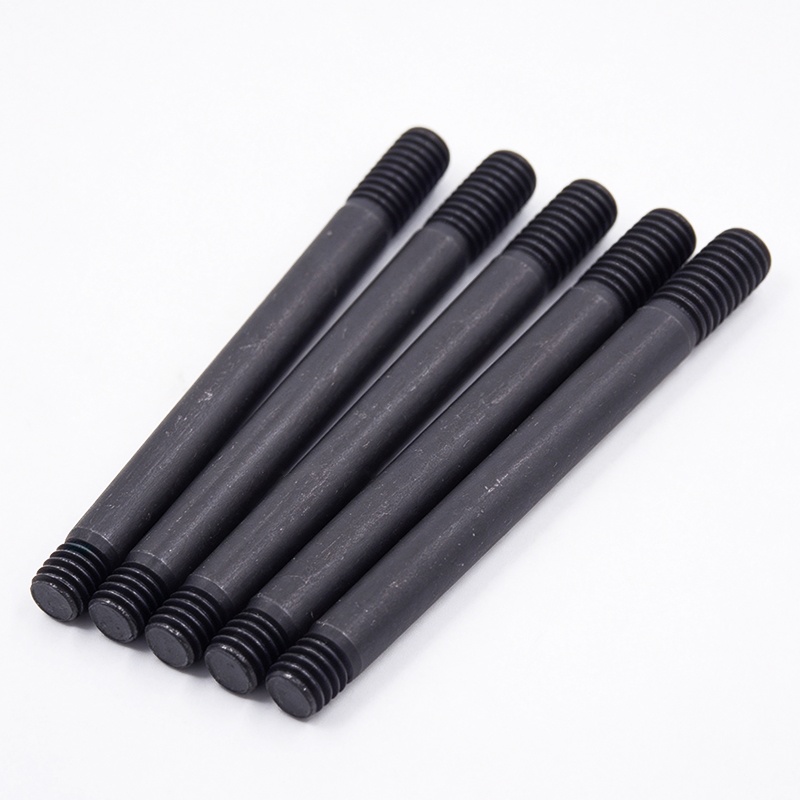 Double Ended Bolts with Threads with Heavy Duty Fasteners for Mechanical Assembly
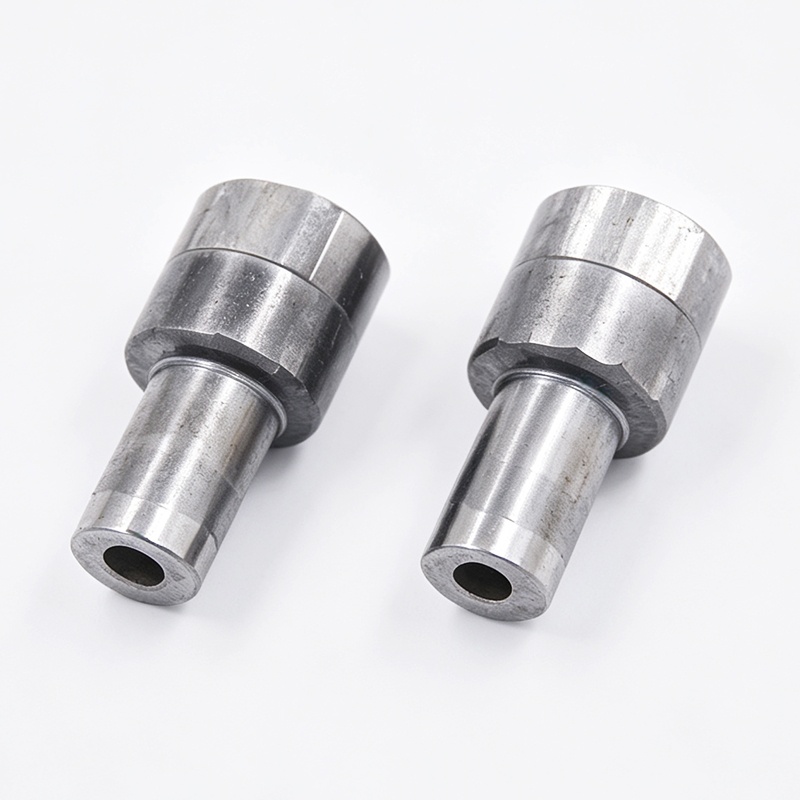 Cold-Bent Stepped Hollow Shaft Sleeve
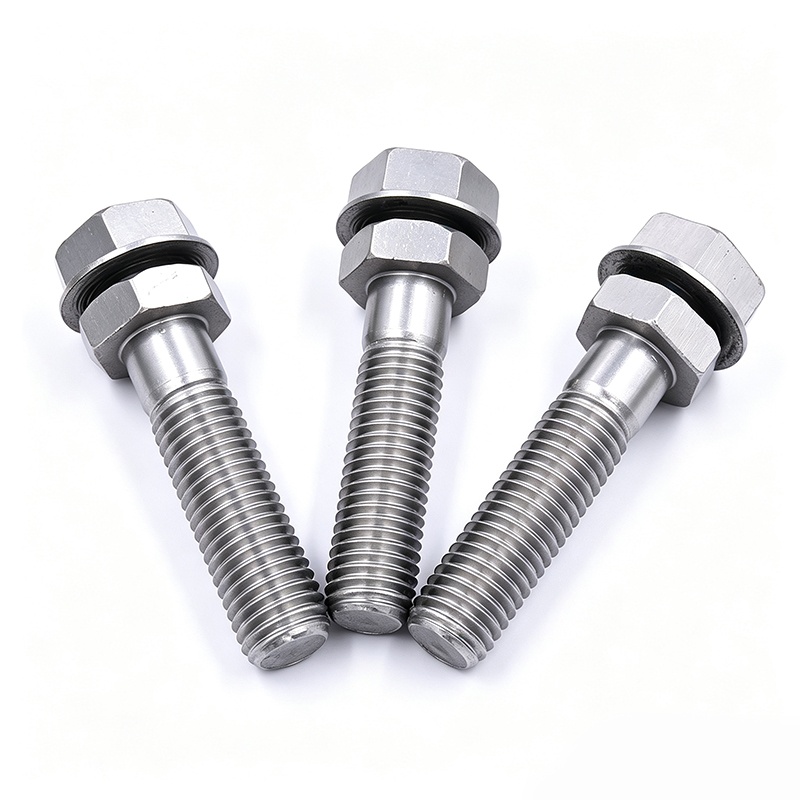 Aluminum Alloy Flange Bolt
Latest News
-
Precision Custom Fasteners from Wenzhou Riyi Standard Parts
2026-09-15Wenzhou Riyi Standard Parts is a reliable Chinese manufacturer focusing on custom non-standard fasteners, located in Wenzhou’s Binhai Economic Zone.
-
Aluminum Alloy Flange Bolts, Ball Head Studs & Dacromet Carriage Bolts – Reliable Fastener Startup Business
2026-09-08Fasteners are essential basic components widely used in machinery, automotive, engineering and equipment assembly industries.
-
The Key Role of Precision Hardware Parts in Modern Mechanical Assembly
2026-09-04In the fast-developing field of modern mechanical manufacturing and equipment assembly, tiny hardware accessories are often the core factors that determine the stability, durability and safety of the entire device.
-
Two Practical Hardware Parts in Mechanical Assembly
2026-08-25Machine manufacturing and equipment assembly all rely on standard hardware parts. They make industrial equipment more stable and better positioned.