Products


Stainless Steel Full Thread Hexagon Head Screw
The stainless steel external hexagonal screw has a hexagonal head and is operated by a wrench. It has high torque transmission efficiency and is suitable for high-strength locking scenarios.
Send Inquiry
Product Description
Product introduction
The stainless steel external hexagonal screw has a hexagonal head and is operated by a wrench. It has high torque transmission efficiency and is suitable for high-strength locking scenarios. As high-quality stainless steel screws, made of SUS304 and SUS316, they have excellent corrosion resistance, oxidation resistance and good appearance. They are widely used in marine engineering, food machinery, medical equipment, outdoor facilities and other fields.
In practical applications, it is difficult for standard specifications to fully match diverse assembly requirements, so a large number of non-standard screws are used for special adaptation. For special structural requirements, we can develop special-shaped screws, such as external hexagonal flange, thin head structure, guide head, assembly, etc. It supports full-process customization of head size, thread specification, length and function, provides one-stop service from sample development to batch delivery, and ensures product reliability through the IATF 16949 quality system.
Product design and features
Hexagonal head structure: Standard hexagonal head, which can be operated with an open-end wrench, torx wrench or socket wrench. It has high torque transmission efficiency and is suitable for high-strength locking.
Full thread and semi-thread optional: Full thread or partial thread structure can be selected according to the connection thickness to meet different clamping length requirements
Optional anti-loosening design: can be used with nylon anti-loosening rings, pre-coated glue or spring washers to enhance anti-vibration performance
Excellent appearance: The stainless steel material has a bright surface and has good corrosion resistance and decorative properties without additional surface treatment.
As a representative product of stainless steel screws, external hexagonal screws, in addition to standardization, appear in a large number of non-standard screws. For scenarios that require special head heights, special-shaped flanges or unconventional sizes, they can also become an important part of specially shaped screws to meet diverse assembly needs.
Materials and application areas
Austenitic stainless steel: SUS304 (A2) and SUS316 (A4) are the main grades, which have excellent corrosion resistance, oxidation resistance and good comprehensive mechanical properties.
Martensitic stainless steel: SUS410, SUS420, etc., suitable for occasions requiring higher hardness
Performance levels: A2-70, A2-80, A4-70, A4-80, etc., corresponding to different strength requirements
Special materials: duplex stainless steel, high temperature resistant stainless steel, etc. can be provided upon request
Stainless steel screws are widely used in industries with high anti-corrosion requirements due to their excellent corrosion resistance:
Marine engineering and shipbuilding: SUS316 material is suitable for high salt spray and high humidity environments
Food machinery and pharmaceutical equipment: Stainless steel material meets sanitary requirements and is easy to clean and disinfect
Outdoor facilities and curtain wall engineering: strong weather resistance, no rust when exposed to the outdoors for a long time
Medical devices and instrumentation: good biocompatibility and compliance with cleanliness requirements
Chemical equipment and environmental protection engineering: resistant to acid and alkali corrosion, adaptable to harsh working conditions
Auto parts: used in high temperature or corrosive environments such as exhaust systems and engine surroundings
Quality control and certification system
Raw material control: 100% batch re-inspection, using a spectrometer to detect chemical components to ensure compliance with ASTM, JIS, GB and other standard requirements: Cold heading molding: dimensional SPC monitoring to ensure hexagonal head dimensions and head height accuracy
Thread forming: Thread rolling process, 100% online inspection of thread pass and stop gauges
Solution treatment: ensuring the recovery of corrosion resistance of austenitic stainless steel
Passivation treatment: removes free iron on the surface and improves corrosion resistance
Finished product testing:
Full size inspection: 100% optical screening of key dimensions
Mechanical properties: tensile strength, yield strength, hardness testing
Salt Spray Test: Neutral Salt Spray Test (NSS) Verifies Corrosion Resistance Level
Torque test: breaking torque, locking torque verification
Certification system:
ISO 9001, IATF 16949 (automotive industry quality management system)
Products meet RoHS and REACH environmental protection requirements
Material certificate, heat treatment report, salt spray test report can be provided
PPAP (Production Part Approval Process) level three document package available
For non-standard screws and screws with special shapes, we have established a special quality control process, from mold verification, first article confirmation to process capability analysis, to ensure that each customized product maintains a stable quality level even as the structural complexity increases.
Customized services
Customized head structure: The hexagonal head size and head height can be adjusted according to the installation space and torque requirements.
Add flange structure, replace gasket, improve bearing surface and anti-loosening effect
Design screw structures with special shapes such as thin heads, semi-round heads, low profiles, etc.
Add multiple drive form combinations such as slotting and cross recessing
Size and thread customization: Thread specifications: metric (M1.6 – M36), inch, American and non-standard threads
Length range: 3mm – 500mm, accurate to 0.1mm level
Rod structure: full thread, partial thread, stepped rod, reduced rod, thin rod, etc.
Functional integration: pre-coated anti-loosening glue (nylon, chemical glue)
Assembly design: integrated screws + flat washers + elastic washers
Sealing function: with O-ring groove or pre-coated sealant
High temperature resistance and low temperature resistance special treatment
Surface treatment: stainless steel (passivated)
Polishing, brushing, electroplating, dacromet, etc. (suitable for special appearance or additional anti-corrosion requirements)
Development mode: Supports customized drawings, reverse engineering, and joint design. Sample cycle: 5–10 days, mass production cycle: 15–25 days
FAQ
Q: What are the advantages of stainless steel external hexagonal screws compared with carbon steel external hexagonal screws?
A: As stainless steel screws, its biggest advantage is its excellent corrosion resistance. It can be exposed to moisture, acid, alkali, and salt spray environments for a long time without rusting without additional surface treatment. At the same time, stainless steel has good low-temperature toughness and hygienic performance, and is suitable for food, medical, marine engineering and other fields.
Q: How to distinguish the strength levels of stainless steel screws?
A: Common stainless steel screw strength grades include A2-70, A2-80, A4-70, A4-80, etc. Among them, A2 represents 304 material, A4 represents 316 material; 70 and 80 respectively indicate that the tensile strength is not less than 700MPa and 800MPa. Compared with carbon steel grade 8.8 (800MPa), A2-70 is slightly lower, but it is the first choice when corrosion resistance is required.
Q: Can you provide non-standard stainless steel external hexagonal screws?
A: Yes. One of our core competencies is the provision of non-standard screws. Whether it is thread specifications, head size, length requirements, flange structure, or assembly design, all can be customized according to customer needs.
Q: Under what circumstances is it necessary to develop special-shaped screws?
A: When standard external hexagonal screws cannot meet installation space constraints (such as limited head height), assembly process requirements (such as automated guidance), error-proof design or functional integration requirements, we can develop special-shaped screws. For example: with flange structure to replace gaskets, with guide heads to facilitate automated assembly, with positioning bumps for error-proof installation, with slots to adapt to operations in restricted spaces, etc.
Send Inquiry
Related Products
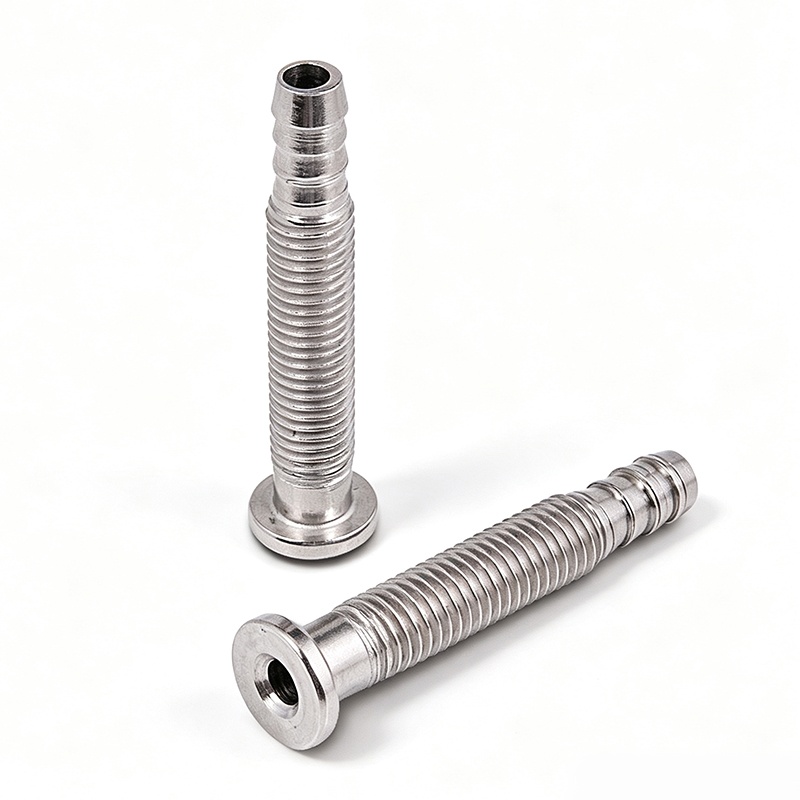 Stainless Steel External Threaded Hollow Multi-Step Connector
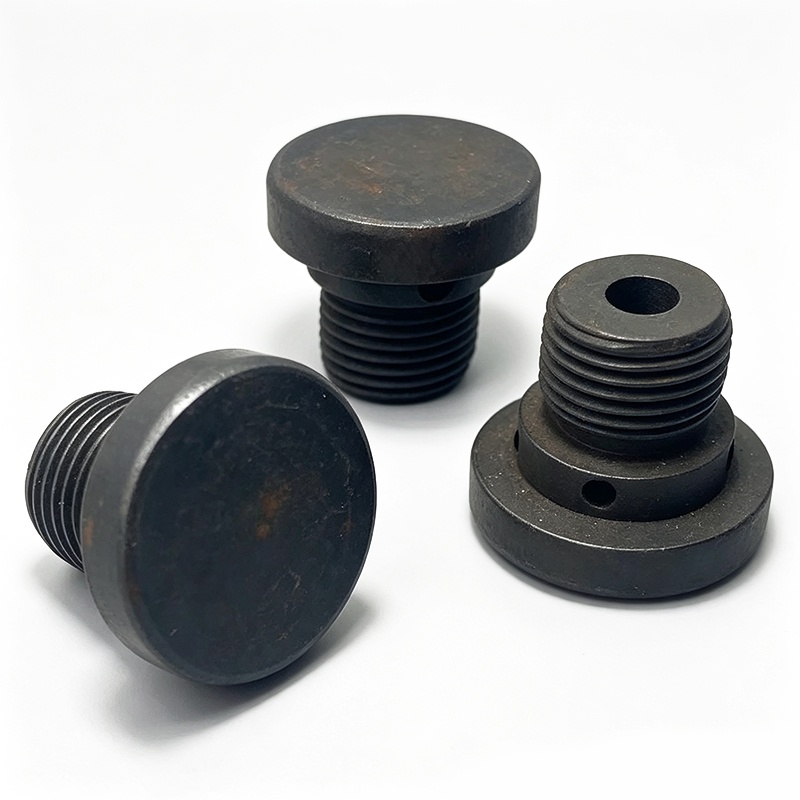 Round Head Hollow Threaded Plugs with Threaded Fasteners for Metal and Machinery
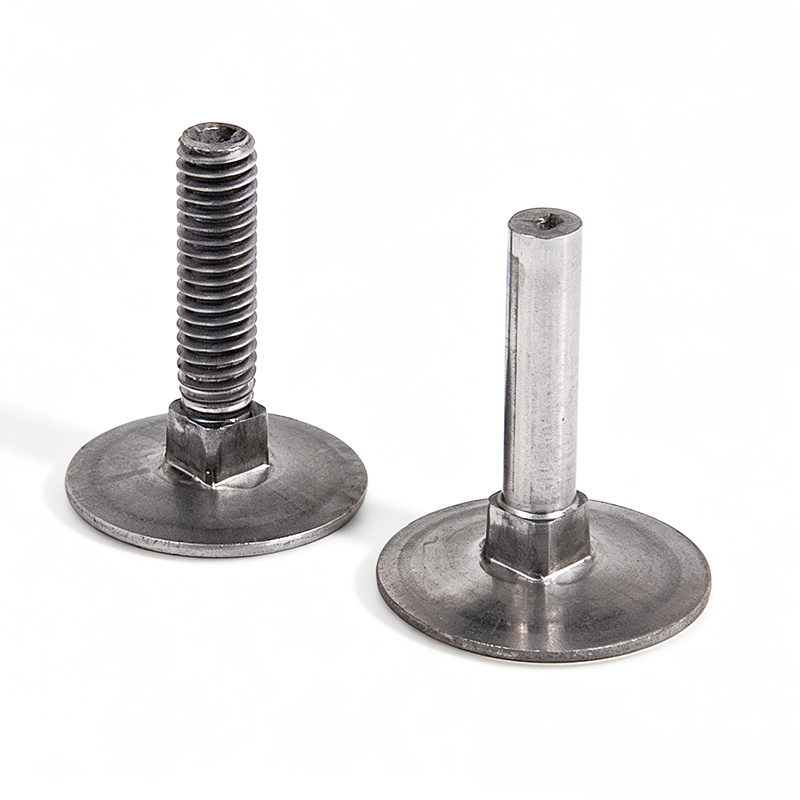 Flat Head Square Neck Adjusting Bolts with Flat Head Fasteners for Furniture and Machinery
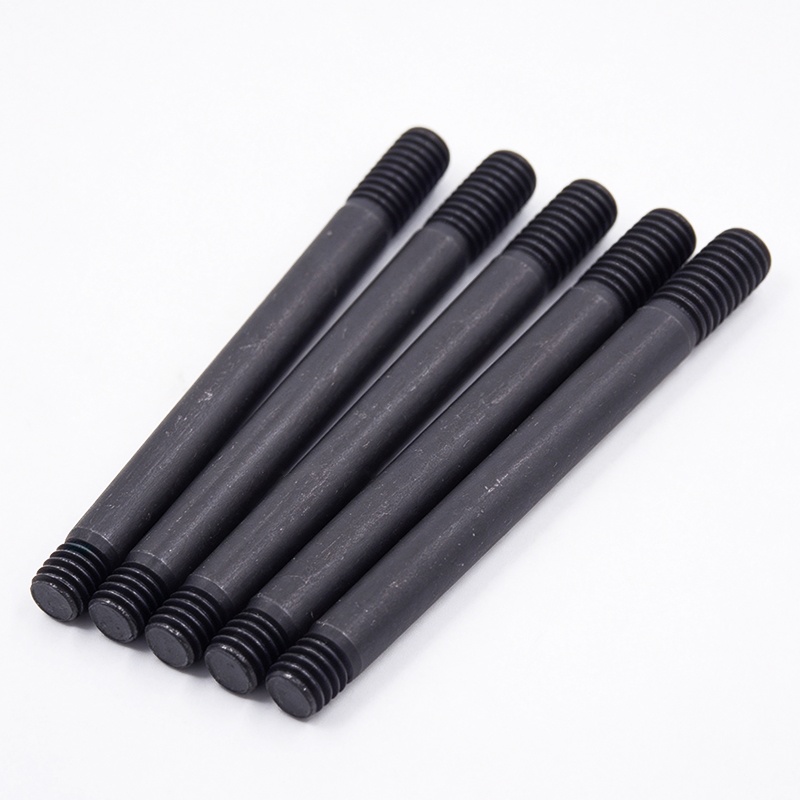 Double Ended Bolts with Threads with Heavy Duty Fasteners for Mechanical Assembly
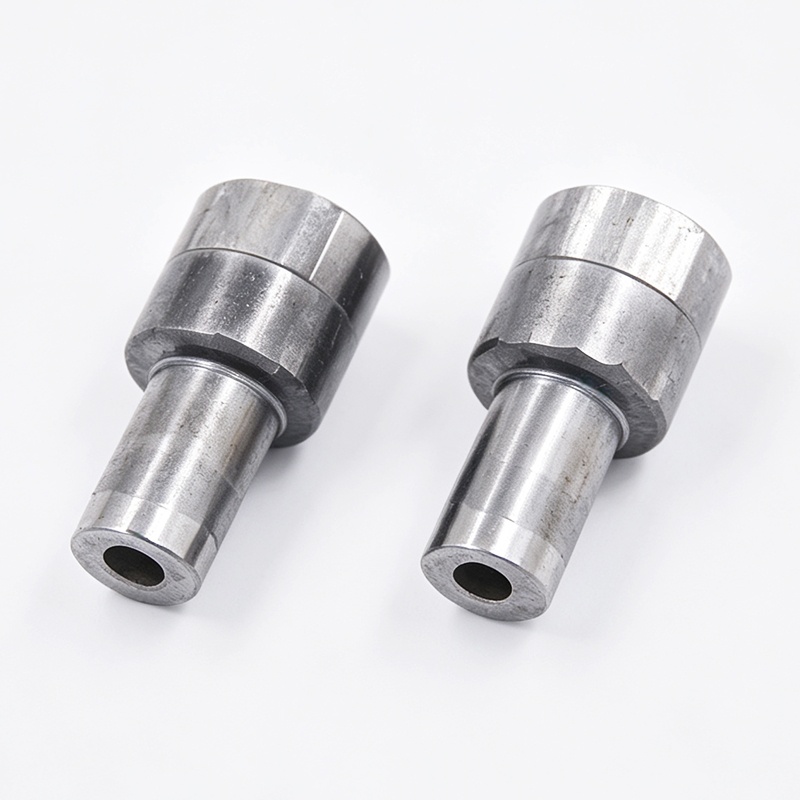 Cold-Bent Stepped Hollow Shaft Sleeve
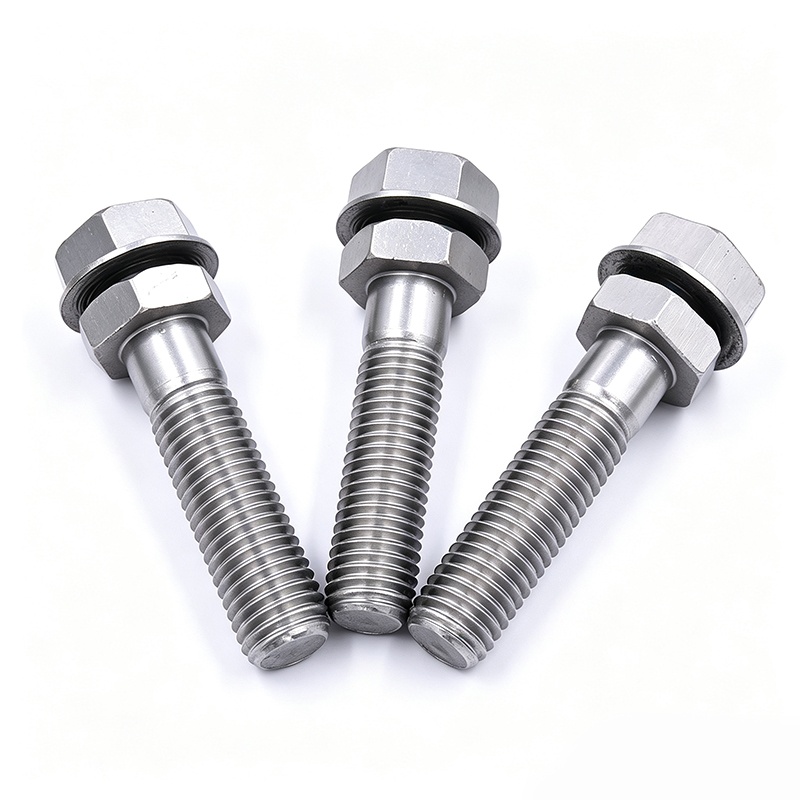 Aluminum Alloy Flange Bolt
Latest News
-
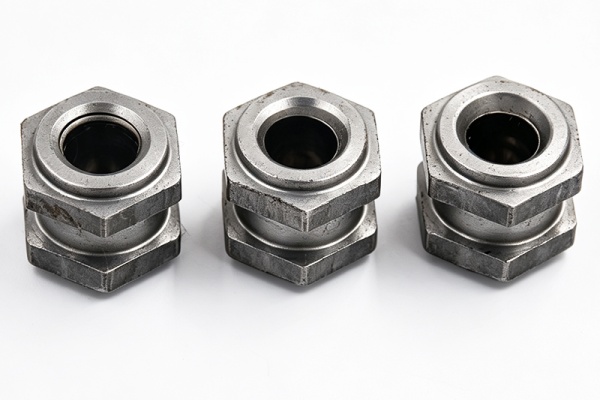
Special-shaped Bolts and Stainless Steel Double-ended Bolts from Wenzhou Riyi Standard Parts Co., Ltd
2026-09-23In modern mechanical manufacturing, construction engineering and equipment assembly, high-quality fasteners are the invisible foundation that guarantees structural safety and product stability.
-
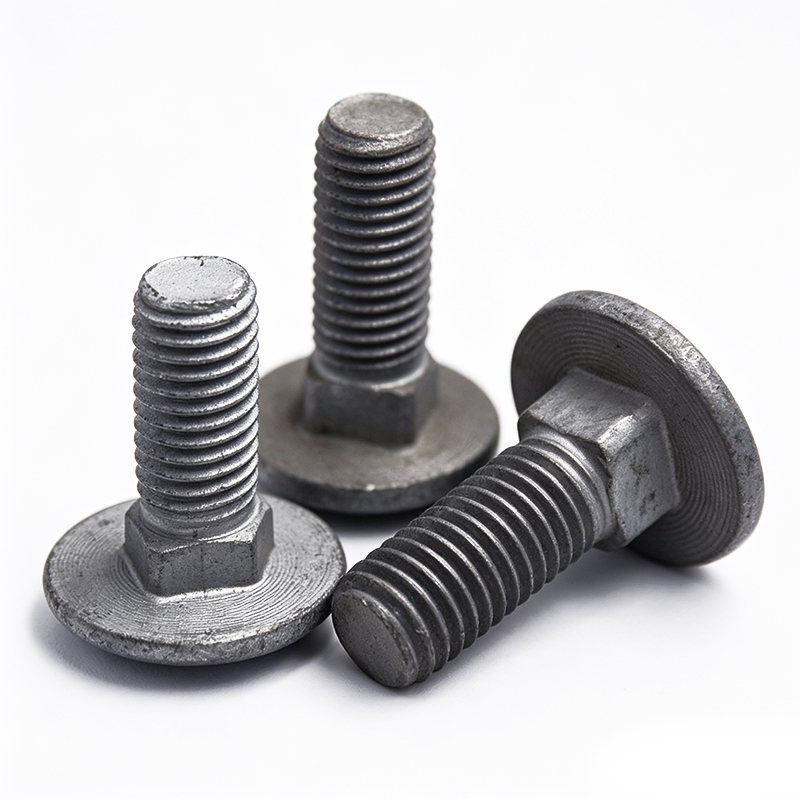
Precision Custom Fasteners from Wenzhou Riyi Standard Parts
2026-09-15Wenzhou Riyi Standard Parts is a reliable Chinese manufacturer focusing on custom non-standard fasteners, located in Wenzhou’s Binhai Economic Zone.
-
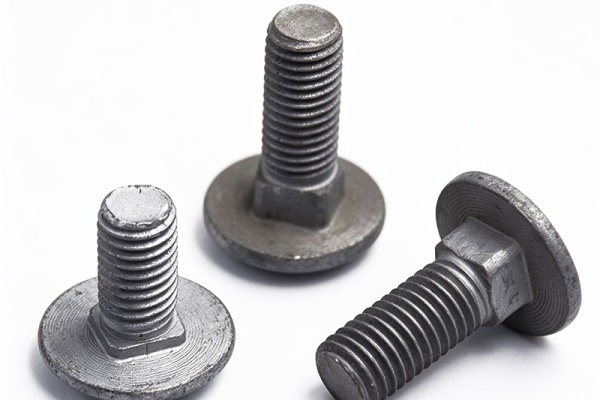
Aluminum Alloy Flange Bolts, Ball Head Studs & Dacromet Carriage Bolts – Reliable Fastener Startup Business
2026-09-08Fasteners are essential basic components widely used in machinery, automotive, engineering and equipment assembly industries.
-
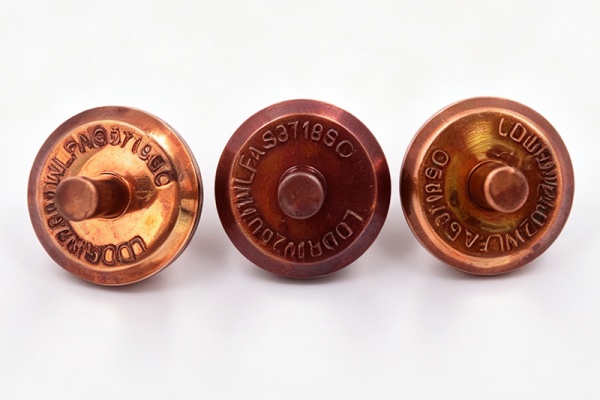
The Key Role of Precision Hardware Parts in Modern Mechanical Assembly
2026-09-04In the fast-developing field of modern mechanical manufacturing and equipment assembly, tiny hardware accessories are often the core factors that determine the stability, durability and safety of the entire device.