Products


Non-Standard Flat Head Solid Rivet
This product is a typical non-standard screw with a flat head design that is flush with the surface of the workpiece after installation. The rod is deformed through the riveting process to form a permanent connection. It has extremely high shear resistance, vibration resistance and anti-loosening properties.
Send Inquiry
Product Description
Product introduction
This product is a typical non-standard screw with a flat head design that is flush with the surface of the workpiece after installation. The rod is deformed through the riveting process to form a permanent connection. It has extremely high shear resistance, vibration resistance and anti-loosening properties.
As special-shaped screws, the products are made of carbon steel, stainless steel, aluminum alloy or copper. Surface treatments such as galvanizing, nickel plating and passivation can be provided according to requirements. They are widely used in aerospace, automobile manufacturing, electronic equipment, building curtain walls and other scenarios that require high connection reliability.
We focus on customized non-standard screw solutions. The size, head shape, rod structure and material can all be customized according to the drawings. Supports small batch samples and large batch supply. Welcome to inquire about riveting solutions.
Product design and features
The flat head rivet is a fastener used for permanent connection. Its head is flat. After installation, it is flush with or slightly above the surface of the workpiece. The shaft is cylindrical. The rod is deformed through the riveting process to achieve a firm connection between two or more workpieces.
This product belongs to the typical non-standard screw category. Its main features include:
Flat head design: The head is flat, and the surface after installation is flat without bulges. It is suitable for occasions with strict requirements on surface flatness;
Permanent connection: The rod is deformed through the riveting process to form a permanent connection, which is non-detachable and has extremely high connection reliability;
High shear strength: The rivet connection method performs well in withstanding shear loads and is suitable for structural connections that bear lateral forces;
Easy installation: manual riveting gun, pneumatic riveting gun or automated riveting equipment can be used for installation, suitable for mass production;
Threadless structure: Different from traditional threaded fasteners, rivets rely on material deformation to achieve fastening, and there is no risk of thread loosening.
As special-shaped screws, flat-head rivets break through the design concepts of traditional fasteners in terms of appearance and function, and are widely used in various scenarios that require extremely high connection reliability.
Materials and application fields
Flat head rivets are made of high-quality materials with the following material characteristics:
Carbon steel (10#, 15#, 35K, etc.): good comprehensive mechanical properties, economical cost, suitable for general industrial scenarios;
Stainless steel (304, 316, etc.): has excellent corrosion resistance and is suitable for wet, outdoor or corrosive environments;
Aluminum alloy (5052, 6061, etc.): the first choice for lightweight materials, suitable for weight-sensitive fields such as aerospace and electronic equipment;
Copper material: excellent electrical conductivity, suitable for electrical connection scenarios;
Surface treatment: Various treatments such as galvanizing, nickel plating, blackening, passivation, and anodizing can be provided according to requirements.
As non-standard screws, they have a wide range of applications:
Aerospace: The connection of aircraft skin and structural parts requires high strength and high reliability;
Automobile manufacturing: permanent connection of body panels, interior parts, and chassis components;
Electronic equipment: internal structure fixation of mobile phone casings, laptop computers, and precision instruments;
Building curtain wall: connection and fixation of aluminum plate curtain wall and stone curtain wall;
Furniture manufacturing: frame connection of metal furniture and office furniture;
Rail transit: fixation of interior panels and decorative parts in high-speed rail and subway carriages.
Quality control and certification system
Since flat head rivets are customized non-standard screws, their production process implements a strict customized quality control system:
Raw material control: All materials are accompanied by material certificates, and the composition is verified by a spectrum analyzer to ensure compliance with standard requirements;
Dimensional accuracy control: Key dimensions (head diameter, head thickness, rod diameter, rod length, total length) are fully inspected or AQL sampled using professional measuring tools such as image measuring instruments, projectors, and micrometers;
Mechanical property testing:
Shear strength test: ensure the reliability of rivets under shear load;
Tensile strength test: Verify the load-bearing capacity of the rivet under axial load;
Hardness test: ensure that the material hardness meets the process requirements;
Riveting performance verification: Each batch of products is subjected to actual riveting testing to check the molding effect, riveting strength and surface quality after riveting;
System certification: The company has passed ISO 9001 quality management system certification. Aerospace products can meet the requirements of AS9100, and automotive products can meet the requirements of IATF 16949, ensuring that each batch of non-standard screws has complete traceability.
Customized services
We focus on providing customers with customized non-standard screw solutions. The customized range of flat head rivets includes:
Size customization: head diameter, head thickness, rod diameter, rod length, and total length can all be customized according to customer drawings or samples;
Head shape customization: In addition to standard flat heads, special head shapes such as countersunk heads, semi-round heads, large flat heads, and cylindrical heads can also be customized;
Rod structure customization:
Solid rivets: suitable for high-strength connections;
Semi-hollow rivets: suitable for connections that require a certain deformation space;
Hollow rivets: suitable for scenes with high lightweight requirements;
Material customization: carbon steel, stainless steel, aluminum alloy, copper, etc. are selected according to special requirements such as strength, corrosion resistance, and lightweight;
Customized surface treatment: galvanizing, nickel plating, blackening, passivation, anodizing, spraying, etc.;
Packaging method: anti-static packaging, customized labels, bulk or pallet packaging can be provided to meet the needs of automated riveting equipment.
Whether it is small batch sample verification or large batch stable supply, we can respond quickly to ensure that each customized non-standard screw accurately matches the customer's riveting process and usage environment.
FAQ
Q: What is the difference between flat head rivets and ordinary screws?
A: Ordinary screws are threaded and removable; while flat-head rivets use a riveting process to deform the stem to form a permanent connection, which is non-removable and has higher resistance to vibration and loosening. From the perspective of fastener classification, rivets belong to the category of special-shaped screws and are important representatives of non-threaded connections.
Q: How to install flat head rivets?
A: When installing, insert the rivet into the prefabricated hole, and use a rivet gun or riveting machine to apply pressure to the rod to deform and expand the end of the rod to form a second head, thereby firmly clamping the workpiece. Installation can be done using manual, pneumatic or automated equipment.
Q: Can flat head rivets be used to connect workpieces of different thicknesses?
A: Yes. The length of the rivet stem needs to be customized according to the total thickness of the connected parts to ensure that a complete riveting head is formed after riveting. We can recommend the appropriate rivet length based on the thickness of the workpiece provided by the customer.
Q: Can you provide riveting process guidance?
A: Yes. We can provide detailed riveting parameter suggestions (such as pressure, stroke, etc.) based on the material, thickness and riveting equipment type of the connected parts provided by the customer to ensure that the customized non-standard screws achieve the best riveting effect in actual use.
Send Inquiry
Related Products
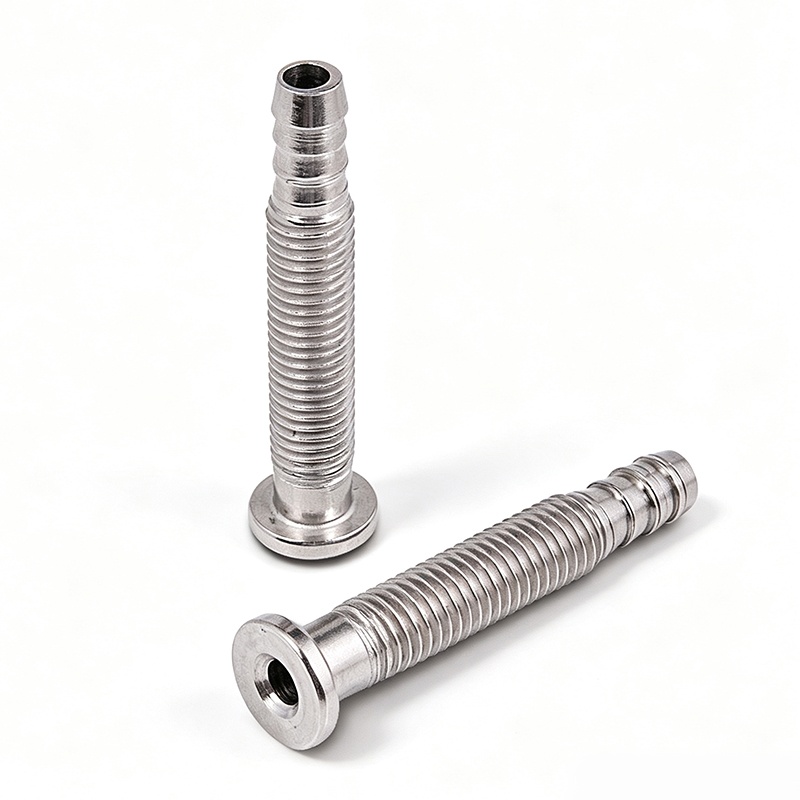 Stainless Steel External Threaded Hollow Multi-Step Connector
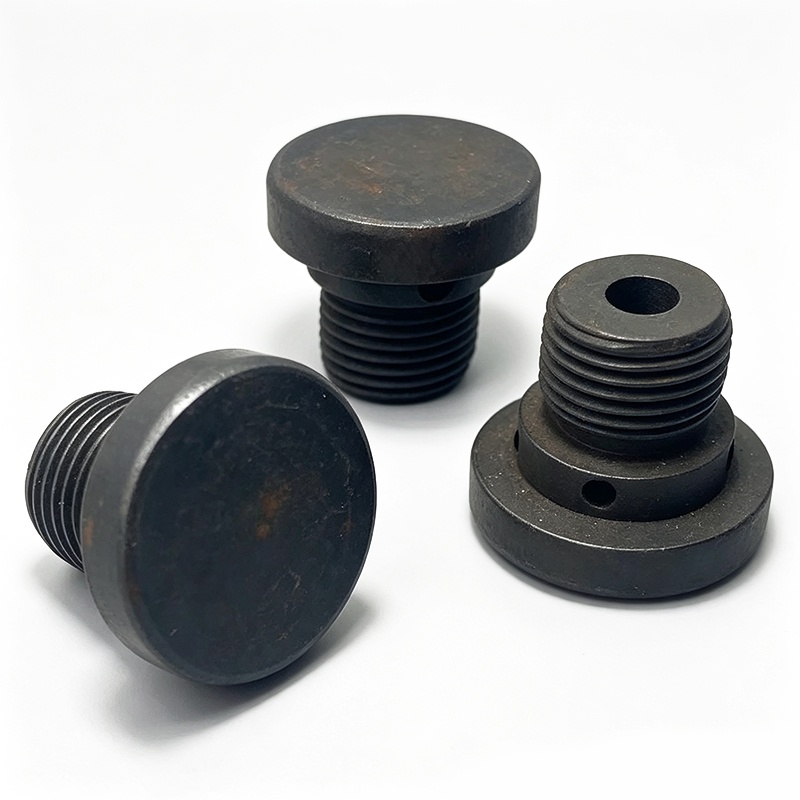 Round Head Hollow Threaded Plugs with Threaded Fasteners for Metal and Machinery
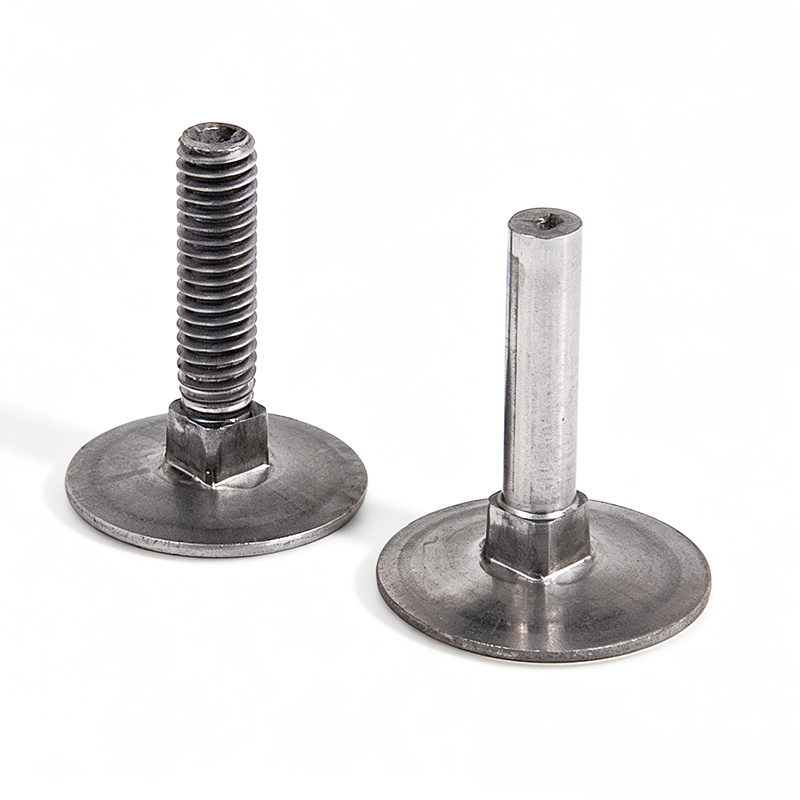 Flat Head Square Neck Adjusting Bolts with Flat Head Fasteners for Furniture and Machinery
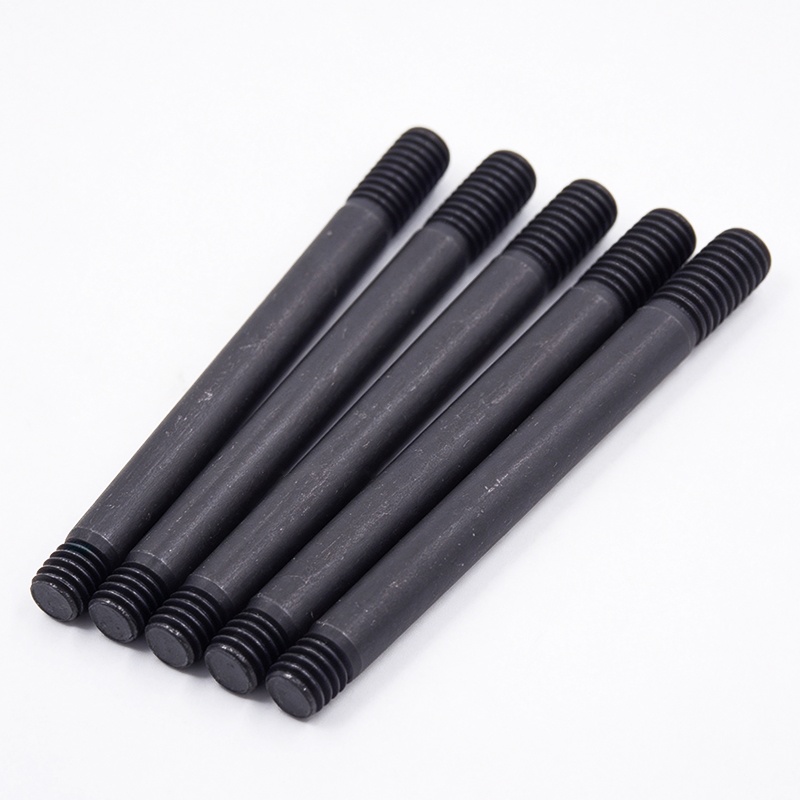 Double Ended Bolts with Threads with Heavy Duty Fasteners for Mechanical Assembly
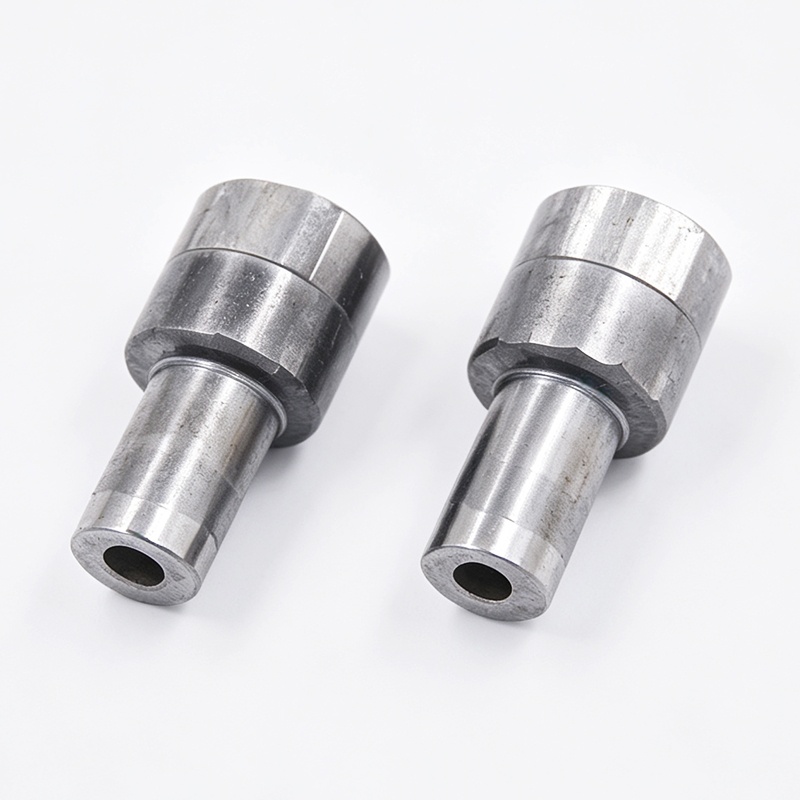 Cold-Bent Stepped Hollow Shaft Sleeve
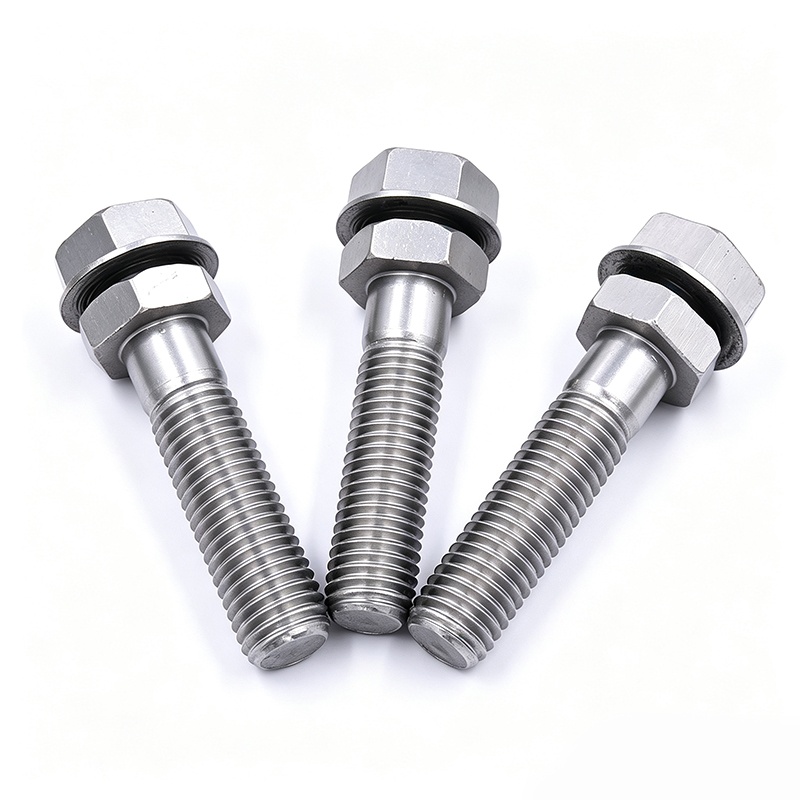 Aluminum Alloy Flange Bolt
Latest News
-
Precision Custom Fasteners from Wenzhou Riyi Standard Parts
2026-09-15Wenzhou Riyi Standard Parts is a reliable Chinese manufacturer focusing on custom non-standard fasteners, located in Wenzhou’s Binhai Economic Zone.
-
Aluminum Alloy Flange Bolts, Ball Head Studs & Dacromet Carriage Bolts – Reliable Fastener Startup Business
2026-09-08Fasteners are essential basic components widely used in machinery, automotive, engineering and equipment assembly industries.
-
The Key Role of Precision Hardware Parts in Modern Mechanical Assembly
2026-09-04In the fast-developing field of modern mechanical manufacturing and equipment assembly, tiny hardware accessories are often the core factors that determine the stability, durability and safety of the entire device.
-
Two Practical Hardware Parts in Mechanical Assembly
2026-08-25Machine manufacturing and equipment assembly all rely on standard hardware parts. They make industrial equipment more stable and better positioned.