Products


Colored Embossed Wheel Hub Bolts
This product is a typical custom-made non-standard screw. The head adopts a flange surface design to increase the contact area and disperse pressure. The side is equipped with precision knurled texture to facilitate anti-slip operation during manual pre-tightening.
Send Inquiry
Product Description
Product introduction
This product is a typical custom-made non-standard screw. The head adopts a flange surface design to increase the contact area and disperse pressure. The side is equipped with precision knurled texture to facilitate anti-slip operation during manual pre-tightening. The surface is treated with color zinc plating, which is golden yellow, anti-corrosion and beautiful.
As special head screws, the product is made of alloy steel (SCM435/40Cr) and has been heat treated to achieve high strength of 10.9/12.9. It is a key component of automotive parts fasteners and is widely used in passenger cars, commercial vehicles and engineering machinery wheel hub connections.
We focus on customizing non-standard fasteners. The knurling type, flange surface size, and strength level can all be customized according to drawings. As customized special shape fastener parts, we support small batch samples and large batch supply. Welcome to inquire about drawings.
Product features
Flange surface head design: The head adopts a flange surface structure, which greatly increases the contact area with the wheel hub, effectively disperses pressure and prevents the hub hole from deforming or crushing;
Knurled anti-slip structure: Precision knurled texture is provided on the side or neck of the head, which is convenient for holding when manual pre-tightening and prevents slipping. It is especially suitable for scenes that require manual operation such as tire replacement;
Colored zinc plating surface treatment: Using environmentally friendly color zinc plating process, the appearance is golden yellow, with excellent anti-corrosion performance and decorative effect. The salt spray test can last up to 72-120 hours;
High strength level: usually requires level 10.9 or level 12.9 high strength to meet the strict requirements for load-bearing capacity and fatigue resistance of automobile wheel hub connections;
Precision thread: Thread accuracy is strictly controlled to ensure matching accuracy with the hub nut and prevent loosening.
Materials and application fields
Alloy steel (40Cr, 35CrMo, SCM435, SCM440, etc.): It has excellent comprehensive mechanical properties and can reach grade 10.9 or grade 12.9 strength requirements after heat treatment. It is the first choice material for manufacturing automotive parts fasteners;
Medium carbon steel (45#, 35K, etc.): suitable for grade 8.8 hub bolts, mostly used in light vehicles or non-load-bearing parts;
Surface treatment: Colored zinc plating (yellow zinc), which can be treated with sealant to improve anti-corrosion performance.
As non-standard fasteners, its application areas are mainly concentrated in the automobile manufacturing and maintenance industry:
Passenger wheel hub: original and aftermarket wheel hub connections for cars, SUVs, MPVs and other models;
Commercial wheel hubs: wheel hub fastening for trucks, buses, trucks and other heavy vehicles;
Modified car market: personalized hub bolts for modified vehicles such as racing cars and off-road vehicles, with knurled design for easy disassembly and assembly;
Engineering machinery: wheel fixing of excavators, loaders and other engineering machinery;
New energy vehicles: The wheel hub connections of electric vehicles and hybrid vehicles need to meet the dual requirements of lightweight and high strength;
Spare tire fixation: Fastening of spare tire racks for various types of vehicles.
Quality control and certification system
Raw material control: All alloy steel materials come with material certificates, and the composition is verified by a spectrum analyzer to ensure compliance with SCM435, 40Cr and other brand standards;
Heat treatment control: A continuous mesh belt furnace is used for quenching + tempering treatment, and the temperature and time are strictly controlled to ensure that the hardness and tensile strength meet the requirements of level 10.9 or level 12.9;
Knurling quality control:
The knurling pattern is clear and even, with no missing or random teeth;
The knurling depth and angle meet the design requirements;
The transition between the knurled part and the head is smooth and burr-free;
Dimensional accuracy control: Key dimensions (flange surface diameter, head height, knurl outer diameter, thread specifications, total length) are fully inspected or AQL sampled using professional measuring tools such as image measuring instruments and thread gauges;
Mechanical property testing: tensile strength, yield strength, hardness, impact toughness, guaranteed load test;
Torque-clamping force test: Verify the corresponding relationship between installation torque and clamping force to ensure assembly reliability;
Colored zinc plating quality control: film thickness detection, adhesion test, salt spray test (72-120 hours);
System certification: The company has passed ISO 9001 quality management system certification and IATF 16949 automotive industry quality management system certification, ensuring that each batch of non-standard fasteners has complete traceability.
Customized services
Size customization: Thread specifications (metric M10-M24, English, American), thread length, flange surface diameter, head height, knurl outer diameter, knurl length, and total length can all be customized according to customer drawings or samples;
Head type customization: As special head screws, special head types such as flange head, spherical head, cone head, guide head, large flange head, etc. can be customized;
Knurling type customization: straight knurling: suitable for axial anti-skid; textured knurling: suitable for multi-directional anti-skid; twill knurling: suitable for anti-skid in specific directions; partial knurling: only the edge of the head is knurled, the rest is smooth;
Flange surface structure customization: flat flange, toothed flange, spherical flange, tapered flange;
Strength level customization: different performance levels such as 8.8, 10.9, and 12.9 are available;
Customized thread form: coarse thread, fine thread, rolling thread, cutting thread;
Customized surface treatment: colored zinc plating, blue and white zinc, black zinc, Dacromet, zinc-nickel alloy, Jiumeite;
Packaging method: Bulk, bagged, pallet packaging, and customized labels can be provided to meet the assembly line needs of the OEM.
FAQ
Q: What is the difference between knurled wheel hub bolts and ordinary wheel hub bolts?
A: The knurled wheel hub bolt has a knurled texture on the side or neck of the head, making it easier to hold and prevent slipping when manually pre-tightened. It is especially suitable for tire replacement, spare tire fixing and other scenarios that require manual operation. Ordinary hub bolts do not have this design. Therefore, knurled hub bolts are special head screws that are both practical and user-friendly.
Q: Will knurling affect the strength of the bolt?
A: No. The knurling is only processed on the side of the head or the surface of the neck, and does not involve key stress-bearing sections (such as the thread root and the head-rod joint). After precise design and process control, it will not have a negative impact on the load-bearing capacity of the bolt.
Q: As a customized non-standard screw, what is the minimum order quantity?
A: The minimum order quantity depends on the complexity of the product and the production process. When using the cold heading + knurling secondary processing process, it is recommended that the minimum order is 10,000-50,000 pieces; when using CNC processing, small batch customization of several hundred pieces can be supported. For automotive parts fasteners, high-volume production is often recommended to reduce costs and ensure consistency.
Q: Can you provide a torque-clamping force test report?
A: Yes. We can provide detailed torque-clamping force test reports, including recommended installation torque, corresponding clamping force and friction coefficient, to ensure the reliability of customized special-shaped fastener parts during the assembly process.
Q: Can wheel hub bolts be reused?
A: For safety reasons, it is recommended to replace new bolts after each tire replacement or wheel hub removal. Because after multiple tightenings, the bolts may undergo plastic deformation or fatigue damage, affecting safety. The manual convenience of knurled hub bolts makes them more suitable for temporary use scenarios such as spare tires.
Send Inquiry
Related Products
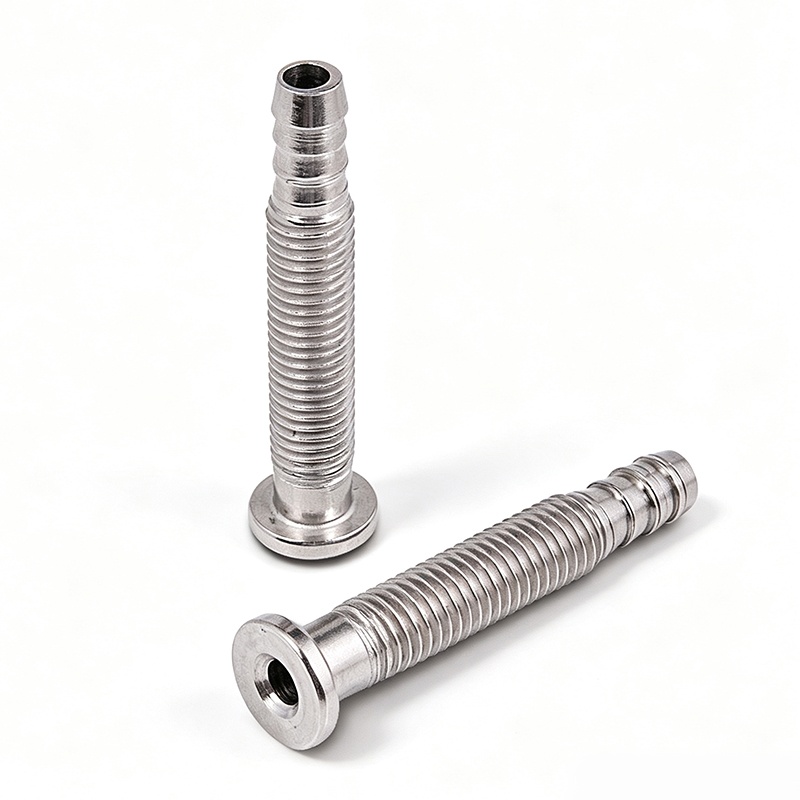 Stainless Steel External Threaded Hollow Multi-Step Connector
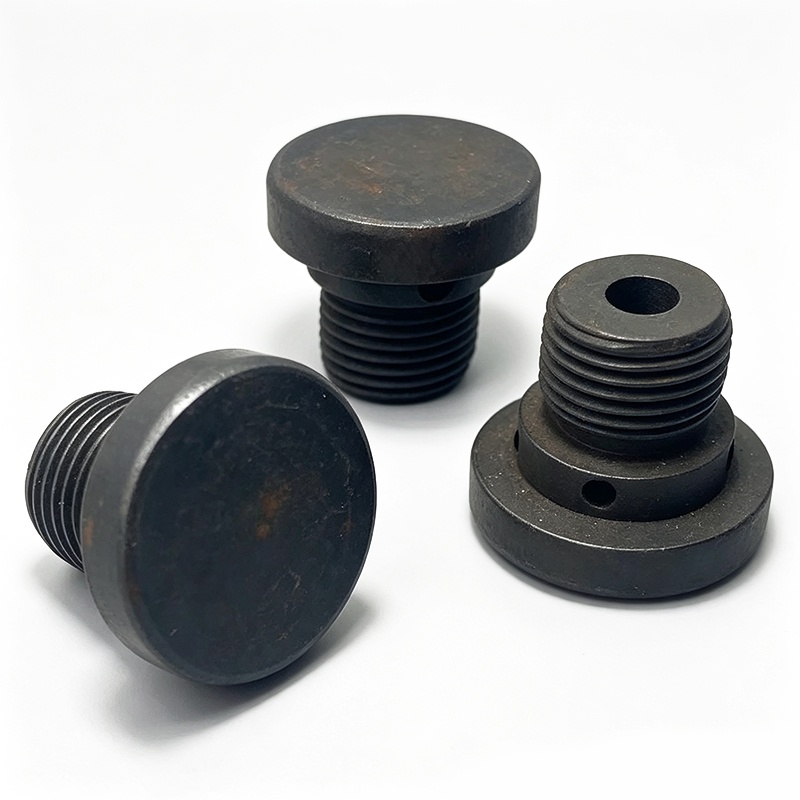 Round Head Hollow Threaded Plugs with Threaded Fasteners for Metal and Machinery
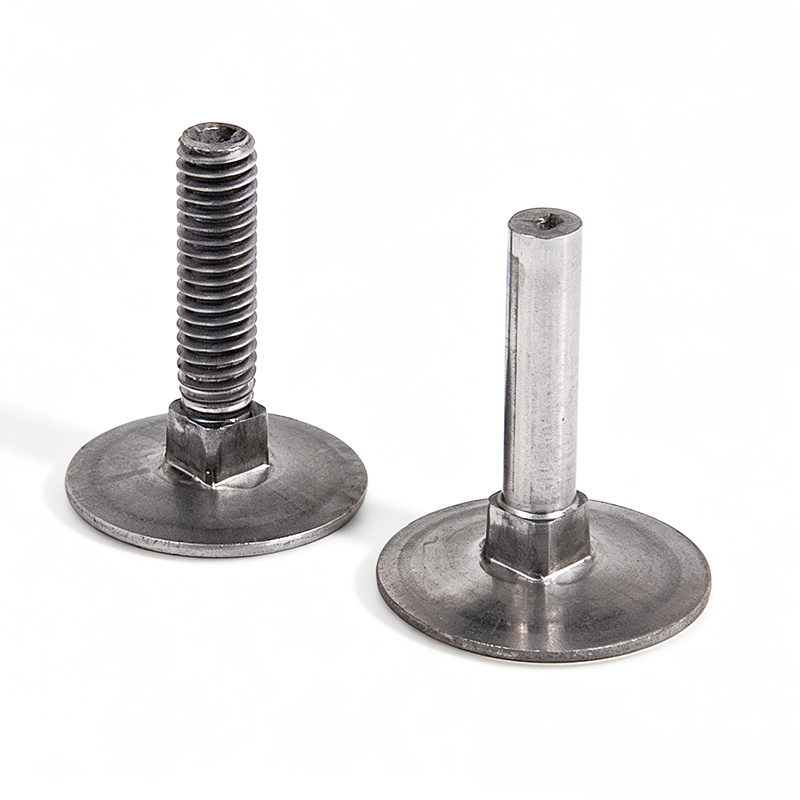 Flat Head Square Neck Adjusting Bolts with Flat Head Fasteners for Furniture and Machinery
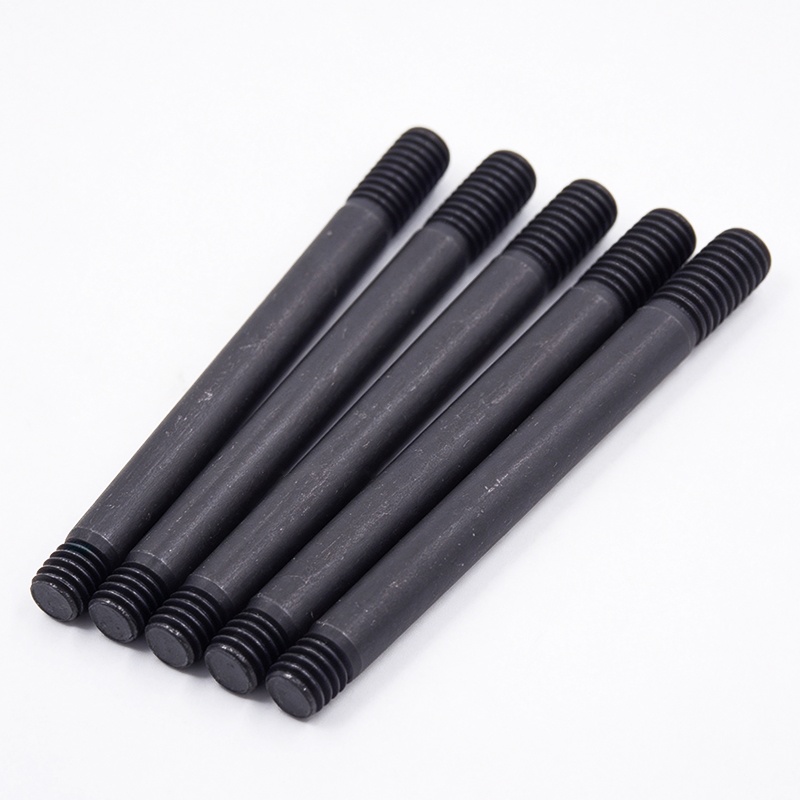 Double Ended Bolts with Threads with Heavy Duty Fasteners for Mechanical Assembly
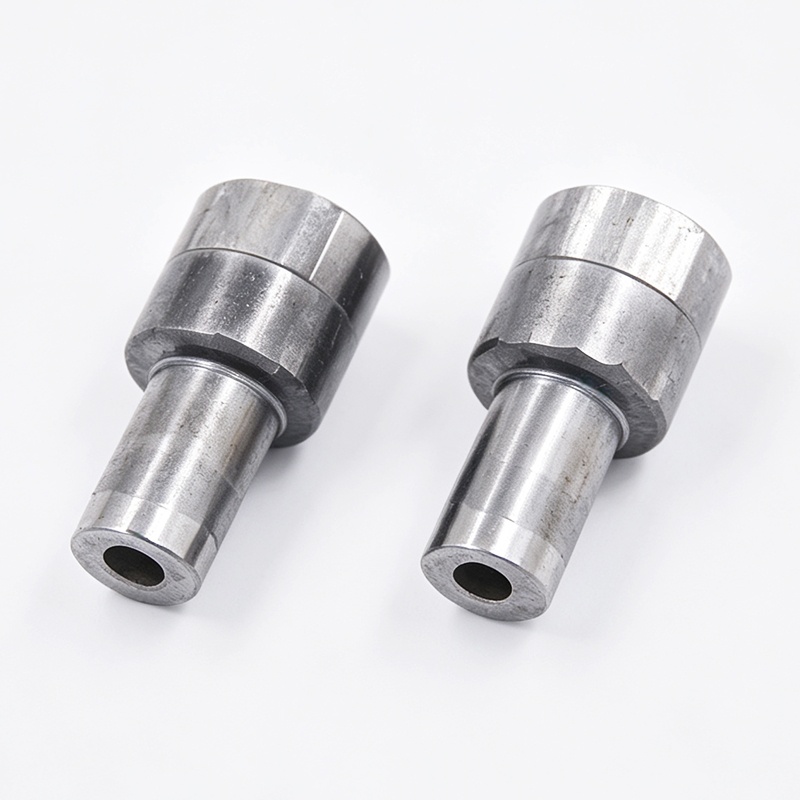 Cold-Bent Stepped Hollow Shaft Sleeve
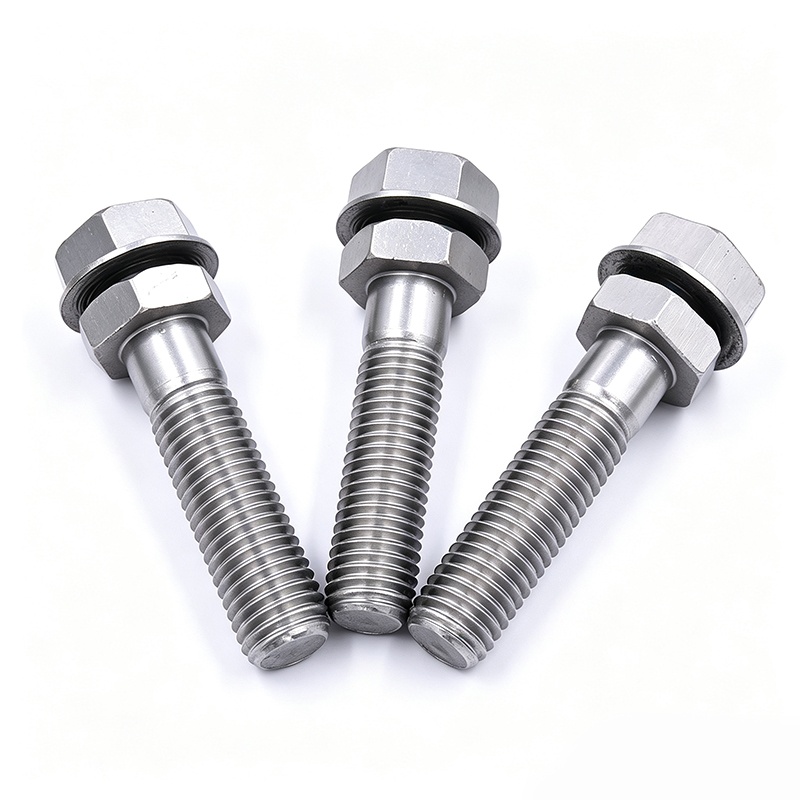 Aluminum Alloy Flange Bolt
Latest News
-
Cold Heading Components: High-performance Fastener Solutions from Wenzhou Riyi Standard Parts Co., Ltd
2026-09-29Cold heading processing shapes metal wire under strong pressure at room temperature without cutting raw materials. Unlike traditional CNC machining, this technology preserves the continuous metal grain flow inside cold heading parts.
-
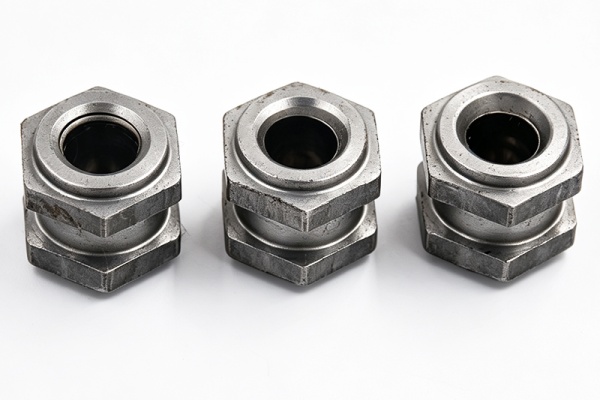
Special-shaped Bolts and Stainless Steel Double-ended Bolts from Wenzhou Riyi Standard Parts Co., Ltd
2026-09-23In modern mechanical manufacturing, construction engineering and equipment assembly, high-quality fasteners are the invisible foundation that guarantees structural safety and product stability.
-
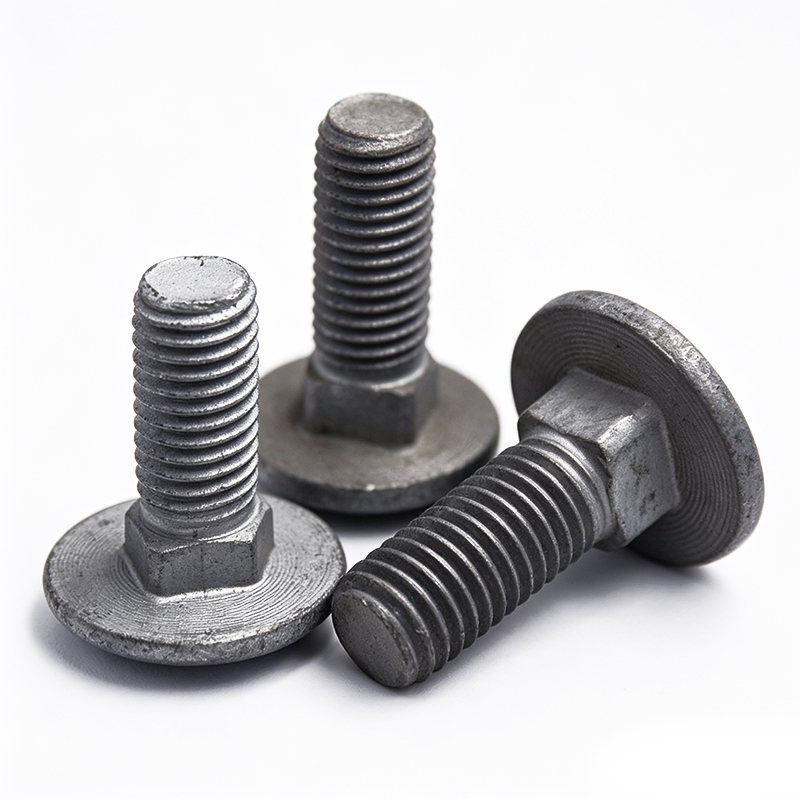
Precision Custom Fasteners from Wenzhou Riyi Standard Parts
2026-09-15Wenzhou Riyi Standard Parts is a reliable Chinese manufacturer focusing on custom non-standard fasteners, located in Wenzhou’s Binhai Economic Zone.
-
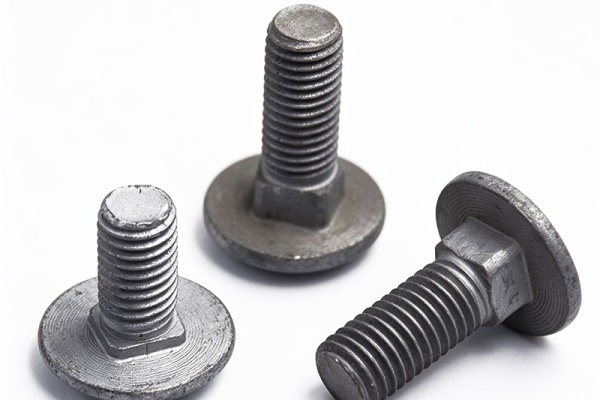
Aluminum Alloy Flange Bolts, Ball Head Studs & Dacromet Carriage Bolts – Reliable Fastener Startup Business
2026-09-08Fasteners are essential basic components widely used in machinery, automotive, engineering and equipment assembly industries.