Products


304 Stainless Steel Threaded Hanging Ring Bolts
304 stainless steel articulated bolt, also known as articulated bolt or articulated pin, is a movable connecting bolt with a transverse through hole on the head and an open pin hole on the end of the rod.
Send Inquiry
Product Description
Product introduction
304 stainless steel articulated bolt, also known as articulated bolt or articulated pin, is a movable connecting bolt with a transverse through hole on the head and an open pin hole on the end of the rod. Its typical structure is that the bolt head and the rod are integrated, and the round hole in the head is used to connect with the fork joint or chain to form a hinge pair, allowing a certain angle of swing. In the classification of fasteners, articulated bolts are standard parts (such as GB/T 798, DIN 444), but when their head hole diameter, rod length or cotter pin hole position need to be adjusted to adapt to special tooling or equipment, they are converted into stainless steel non-standard fasteners. For example, in non-standard clamps or limit mechanisms, it is sometimes necessary to lengthen the thread segment or change the thickness of the head. Such modified products are stainless steel special-shaped fasteners that have dual functions of hinged and fastened.
Product design and features
Design points:
Head structure: cylindrical or flat head with a transverse through hole in the center.
Rod structure: a combination of polished rod section and threaded section, with a split pin hole (or transverse hole) at the end.
Movable fit: The head hole forms a clearance fit with the matching pin or connecting fork, allowing swinging.
Anti-loosening design: The end cotter pin hole is used to penetrate the cotter pin to prevent the nut from falling off.
Product features:
Articulation flexibility: The head hole can swing ±15°~±30° to adapt to misaligned installation.
Strong corrosion resistance: 304 stainless steel is suitable for outdoor, humid and weak acid-base environments.
Moderate strength: The strength grade of 304 material is about A2-50 or A2-70 (depending on the cold heading or turning process).
Detachability: With cotter pins and nuts, it is easy to maintain and replace.
Materials and application areas
Material:
Grade: 304 (A2), 304L, 316L optional.
Mechanical properties: tensile strength ≥500 MPa (A2-70 grade), head hole shear strength needs to be checked separately.
Optional treatments: polishing, passivation, pickling or electrochemical polishing.
Application areas:
Conveying equipment: chain joints, hanging conveyor connectors.
Work fixture: adjustable support, linkage hinge points.
Building structure: tensioning rigging, curtain wall connectors.
Ship and marine engineering: hatch cover locking mechanism, gangway hinge point (316L recommended).
Quality control and certification system
Quality control:
Dimensional inspection: head aperture and position, rod coaxiality, cotter pin hole position (using an imager or three-dimensional coordinate system).
Mechanical properties: Carry out head hole shear test, wedge load test, hardness test (HRC or HV).
Corrosion resistance test: 48~72 hours neutral salt spray test (according to GB/T 10125).
Material verification: Spectral analysis confirms that the Cr and Ni content meet the 304 standard.
Certification system:
The general ISO 9001 system covers the production process.
RoHS and REACH certifications can be provided for export to the EU.
When used for lifting or hoisting equipment, safety factor verification reports and fatigue test data can be provided according to customer requirements.
When supplied as custom stainless steel fasteners, full size reports and material certifications for PPAP Level 3 are available.
Customized services
Size customization: non-standard length (such as 250mm, 300mm), non-standard thread (such as fine thread M12×1.25), head aperture and thickness adjustment.
Head modification: eccentric hole, double hole (two vertical holes), head with lubricating groove or oil nozzle interface (evolved into stainless steel special shape fasteners at this time).
Anti-loosening design: pre-coated with nylon anti-loosening glue, the end cotter pin hole is changed to a threaded locking hole.
Surface treatment: polished to mirror surface, sand blasting, electrochemical passivation, molybdenum disulfide coating (used to reduce hinge pair friction).
Batch process: CNC turning + drilling for small batches, cold heading + thread rolling + drilling and reaming for large batches.
FAQ
Q: What are the advantages of 304 stainless steel swing bolts compared with ordinary carbon steel swing bolts?
A: 304 stainless steel can be rust-proof for a long time without coating, there is no risk of coating peeling, and the corrosion resistance life is much better than galvanized parts. However, the cost is higher and the strength is slightly lower than 8.8 grade carbon steel.
Q: How is the wear resistance of the head hole?
A: The hardness of 304 stainless steel is low (about HRC 15~20), and frequent swing friction may cause hole wall wear. It is recommended to add lubrication to the hinge pair or use 316L material, or customize stainless steel special-shaped fasteners with copper sleeves.
Q: Can it be used for lifting spreaders that can withstand impact loads?
A: Yes, but fatigue strength verification needs to be carried out and the deformation of the head hole and cotter pin hole must be checked regularly. For impact load situations, it is recommended to use high-strength stainless steel (such as precipitation hardening type 17-4PH) or customize stainless steel fasteners to increase the safety factor.
Q: Is the cotter pin hole prone to stress concentration fracture?
A: During design, the edges of the cotter pin hole should be rounded, and the hole wall should have sufficient wall thickness (usually ≥1.5mm) from the outer diameter of the threaded section. For stainless steel non-standard parts, finite element analysis can be performed to optimize hole location and wall thickness.
Q: Can this bolt be used as a stainless steel non-standard part for the hinged part of food machinery?
A: Yes, but it must be ensured that the surface roughness Ra≤0.8μm and there is no residual material in the gap. It is recommended to use passivation treatment and comply with FDA or EU 1935/2004 food contact material requirements. At the same time, food-grade lubricants should be used for hinged parts.
Q: How to choose the matching tolerance between the head hole and the pin?
A: Generally, clearance fit of H11/h11 or H12/h12 is recommended. If high-precision swing without shaking is required, it can be customized according to H9/f9, but this belongs to the category of stainless steel special-shaped fasteners and requires increased processing costs.
Q: What is the minimum order quantity?
A: The minimum order quantity for standard specifications is low (such as 500~1000 pieces). However, if it is 304 stainless steel non-standard parts, especially customized stainless steel fasteners that require a new mold, there is generally a minimum order quantity requirement, which depends on the dimensional complexity and the feasibility of cold heading.
Send Inquiry
Related Products
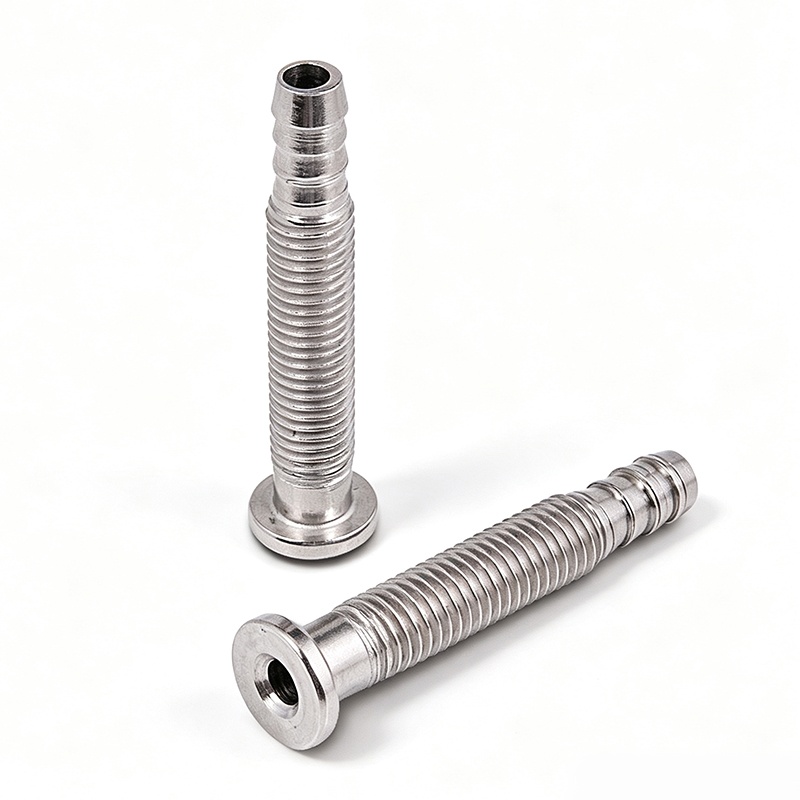 Stainless Steel External Threaded Hollow Multi-Step Connector
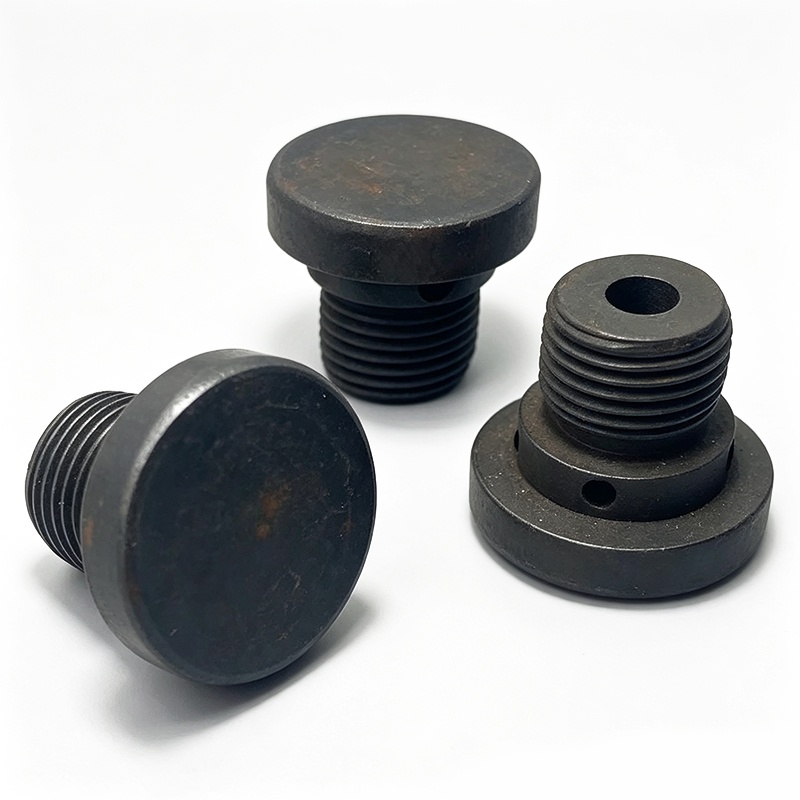 Round Head Hollow Threaded Plugs with Threaded Fasteners for Metal and Machinery
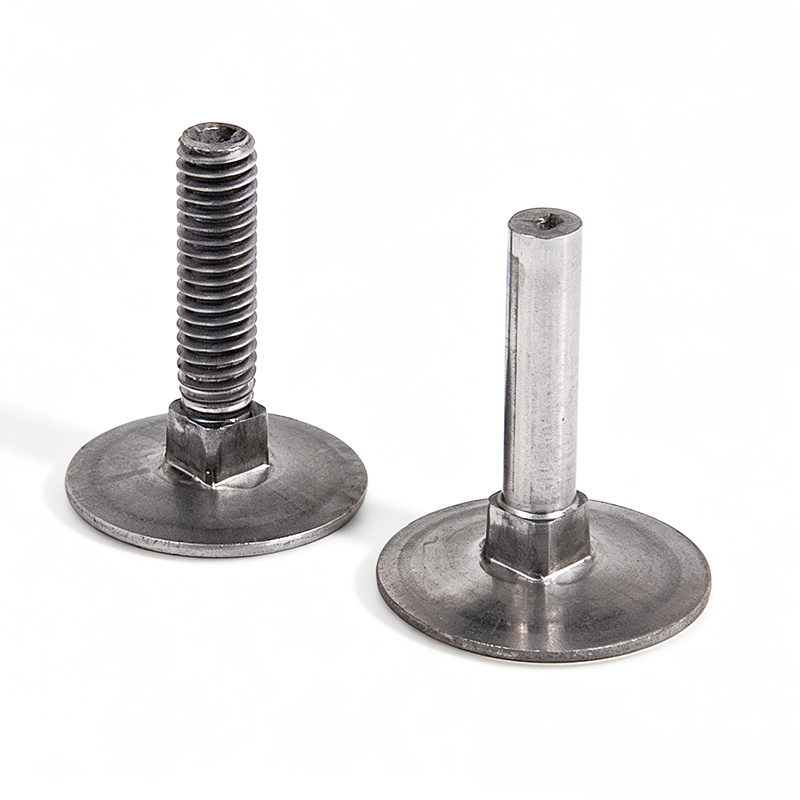 Flat Head Square Neck Adjusting Bolts with Flat Head Fasteners for Furniture and Machinery
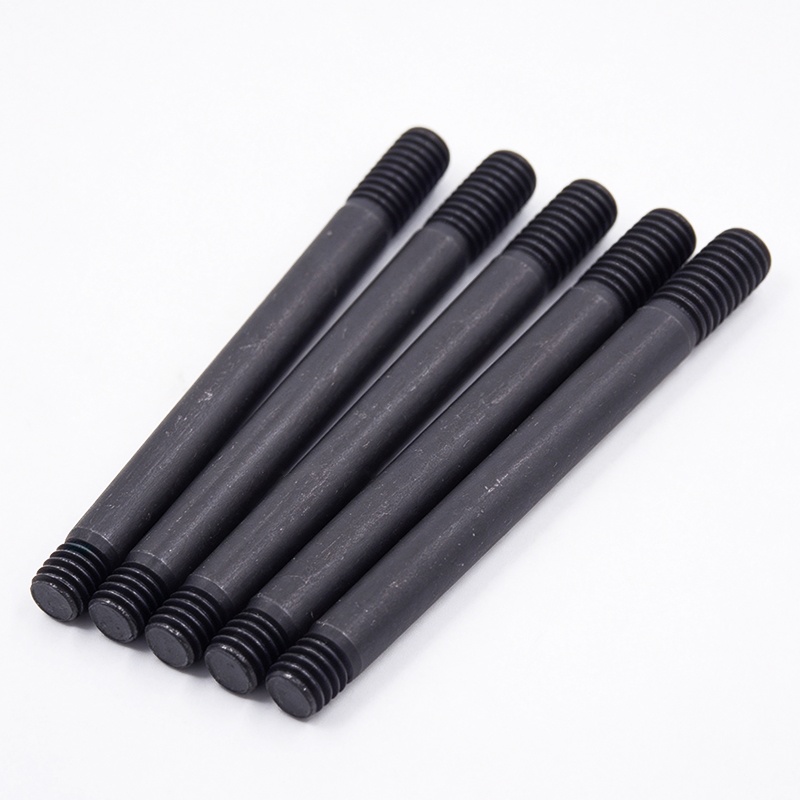 Double Ended Bolts with Threads with Heavy Duty Fasteners for Mechanical Assembly
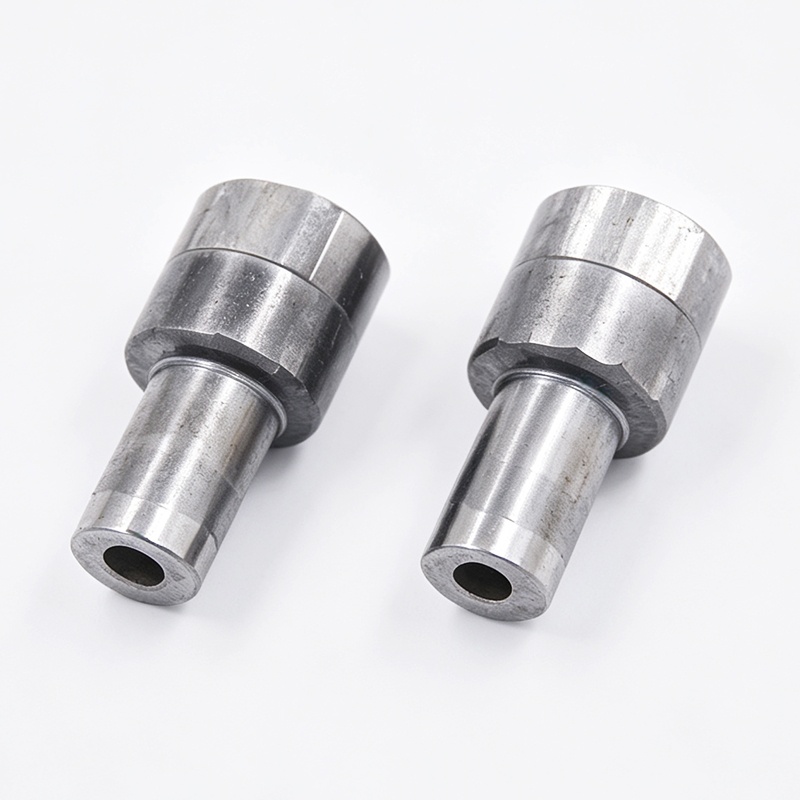 Cold-Bent Stepped Hollow Shaft Sleeve
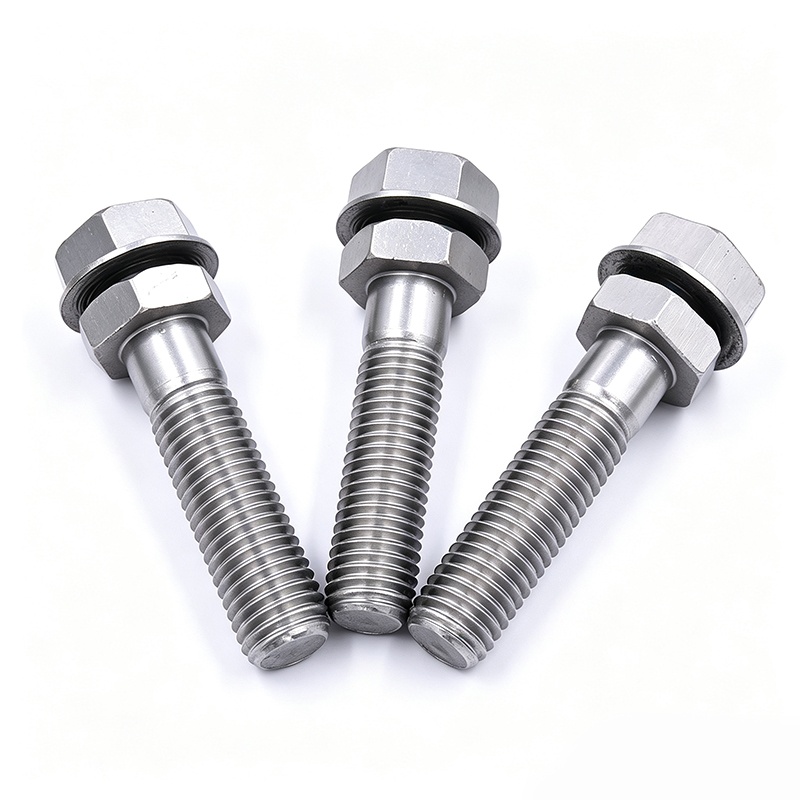 Aluminum Alloy Flange Bolt
Latest News
-
Cold Heading Components: High-performance Fastener Solutions from Wenzhou Riyi Standard Parts Co., Ltd
2026-09-29Cold heading processing shapes metal wire under strong pressure at room temperature without cutting raw materials. Unlike traditional CNC machining, this technology preserves the continuous metal grain flow inside cold heading parts.
-
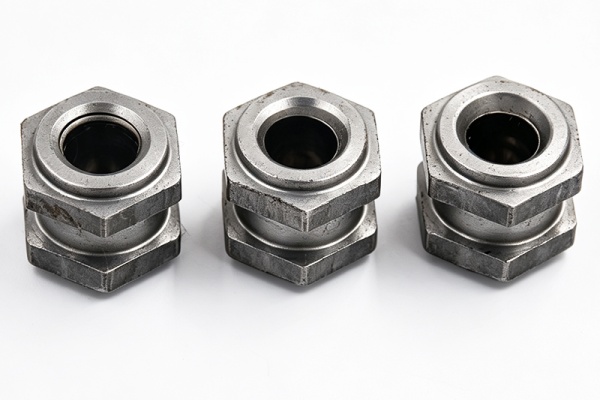
Special-shaped Bolts and Stainless Steel Double-ended Bolts from Wenzhou Riyi Standard Parts Co., Ltd
2026-09-23In modern mechanical manufacturing, construction engineering and equipment assembly, high-quality fasteners are the invisible foundation that guarantees structural safety and product stability.
-
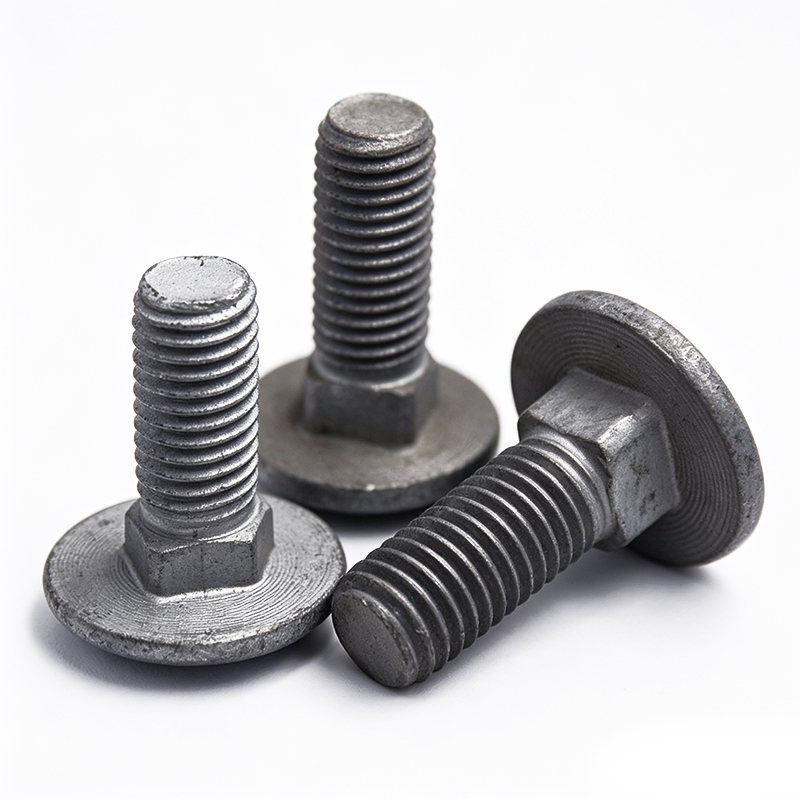
Precision Custom Fasteners from Wenzhou Riyi Standard Parts
2026-09-15Wenzhou Riyi Standard Parts is a reliable Chinese manufacturer focusing on custom non-standard fasteners, located in Wenzhou’s Binhai Economic Zone.
-
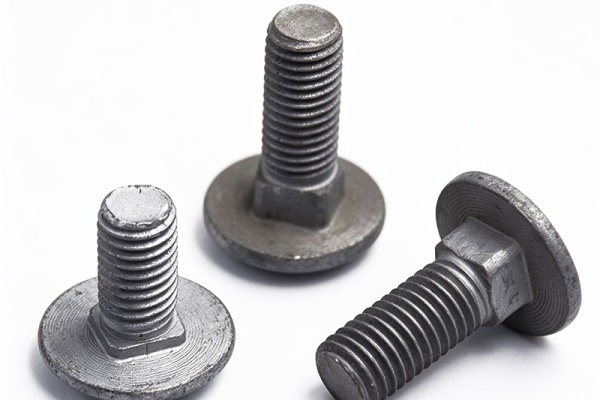
Aluminum Alloy Flange Bolts, Ball Head Studs & Dacromet Carriage Bolts – Reliable Fastener Startup Business
2026-09-08Fasteners are essential basic components widely used in machinery, automotive, engineering and equipment assembly industries.